 In the late 1970s Los Angeles was a key hub for punk rock and hardcore music, spawning crucial bands like Black Flag, Germs and Circle Jerks. At the turn of the decade, just as that boom started to fade, a new generation rolled into town keeping the untamed punk spirit alive while reverberating echoes of the pre-punk era.
Eighties Los Angeles became a hotbed for pioneering alternative rock acts, leaning equally towards country and folk, in the form of cowpunk, and psychedelia, manifesting a scene known as the Paisley Underground. Man, it must have been a thrilling place! Standout bands like The Gun Club, X, Green On Red, The Rain Parade, The Long Ryders and True West are just some of the acts that planted cactus roots in the land of palms. But none were more thrilling or vital than The Dream Syndicate.
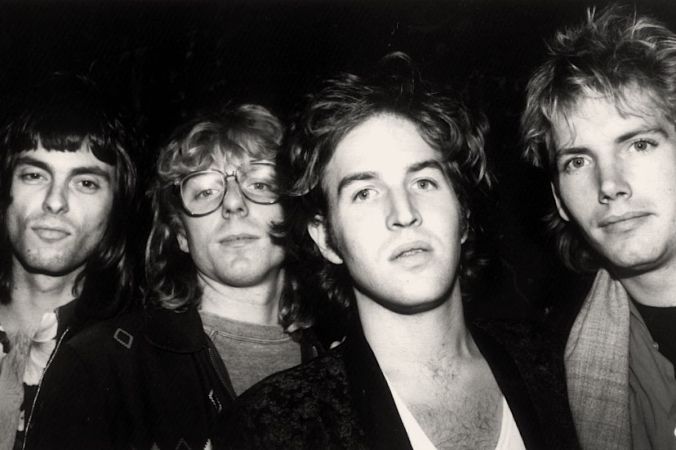
Even though they belonged to the same scene as the ones mentioned above, The Dream Syndicate didn’t sound like anyone else at the time. Originally based around Steve Wynn (guitar, vocals), Karl Precoda (guitar) Kendra Smith (bass) and Dennis Duck (drums), Syndicate was all about loud guitars and a boundless approach, creating a musical habitat equally leaning on the harrowing echoes of Neil Young and Crazy Horse, the intricate guitar work of Television, the drone soundscapes of The Velvet Underground and the improvisational elements of John Coltrane, Ornette Coleman and Albert Ayler.
The band cemented their legacy early on the seminal 1982 debut, The Days of Wine and Roses, a hands-down masterpiece that exhibits everything they were capable of. Although loud, psychedelic guitar rock was not the hippest of sounds in the ’80s, but it resonated surprisingly well for a subculture that later became known as college rock, which The Dream Syndicate pioneered along with the likes of their close friends in R.E.M, Sonic Youth and Dinosaur Jr.
In 1983 The Dream Syndicate secured an opening slot for U2 on their U.S. tour, and the newfound national spotlight landed them a contract with A&M Records. Along with the record deal came a budget that allowed them to hire Sandy Pearlman (Blue Oyster Cult, The Clash) as producer, resulting in their much more expansive sophomore album, The Medicine Show (1984).
Being dropped from the majors due to disappointing album sales, on top of internal struggles and various line-up changes didn’t prevent two more albums to follow. After a temporary retirement, which allowed Steve Wynn and compadre Dan Stuart of Green On Red to join forces as the drunken barroom outfit Danny & Dusty, Syndicate returned with newfound energy on 1986′s Out of The Grey. Following yet another pause, they crafted the dark and dense album, Ghost Stories, produced by Elliot Mazer of Neil Young fame.
In just six years time, The Dream Syndicate had forged a unique and distinctive four-album catalog that earns them a place among the seminal guitar bands of the 1980s. They capped off the decade with Live at Raji’s, an ecstatic live album that fully captured their energetic shows, without any technical bonds and a statement most bands can dream of.
As the ’80s turned to the ’90s, the Dream Syndicate was put to rest. Steve Wynn continued on as the far most profiled artist, under his own name and in bands like Gutterball and The Baseball Project, while other members drifted in different directions. Their music maintained a strong cult following no one really expected their return.
Then, in 2012, The Dream Syndicate miraculously reunited for a Spanish music festival. Made up of Wynn, Mark Walton (bass), Dennis Duck on drums and newcomer Jason Victor on guitar, the magic was still there. The band has since played over 50 shows and toured throughout the U.S. and Europe.
In 2016 they headed into the studio to begin work on their first album in 29 years. Released on September 8 by Anti- Records, How Did I Find Myself Here? is a triumphant return for a band that never lost its spark.
We invited Steve Wynn for a look in the back mirror and guide us through their catalog while we anticipate their new album.
* * *
The Dream Syndicate: Album by Album
By Steve Wynn
The Days of Wine and Roses
(Ruby, 1982)
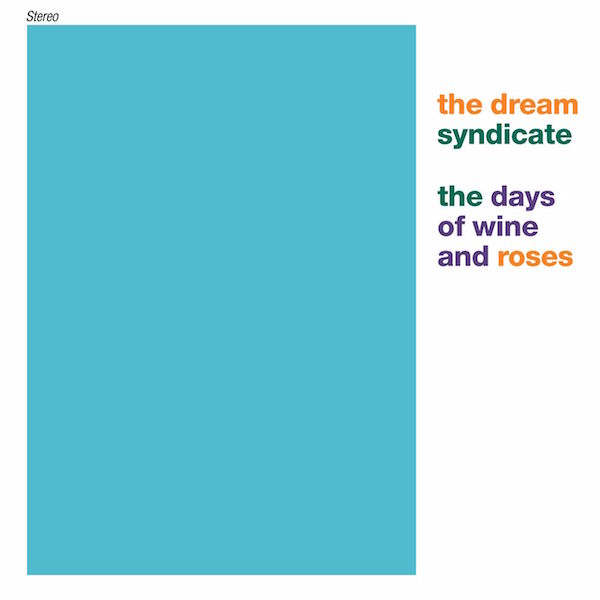
Where it all began – to be specific, during three consecutive midnight to 8 a.m. sessions at Quad Tech Studios in East Hollywood in September of 1982.
We tracked all of the songs on the first night. And I sang them and did a few guitar bits and pieces the second night. We mixed the whole thing on the third and we all went to our day jobs in between.
I worked as a clerk at Rhino Records so it’s not like it was the most demanding job in the world. But I do remember going in and opening the store after we finished with a cassette of the mixes in my hand.
I played it to an empty store and knew that we had done something special, that we had made an album that lived up to our loftiest ambitions and intentions
Medicine Show
(A&M, 1984)

The first record took three days. This one took five months, working almost every day during those five months, usually about 12 hours a day.
On the same 8 songs. Yes, it’s almost impossible to believe.
Chock it up to the times, the ’80s became the Era of The Producer, a time when newfound technology and those at the helm felt that they were there for much more than the mere task of capturing art.
Chock it up to the actual producer we had chosen, Sandy Pearlman (Blue Oyster Cult, The Clash), who I later found out was notorious for going way over a deadline and most certainly over budget.
Chock it up to our ambition to make something deeper, bigger and most intense than our first.
Whatever, they were very different records but they fit together in my mind and this one is quite often my favorite. It creates its own world and I really feel like there’s no other record quite like it. Oh, and some of my favorite songs that I’ve ever written.
Out of the Grey
(Big Time, 1986)

The band broke up in December. Karl and I weren’t talking. It had stopped being fun. And the newfound excesses – of chemicals, alcohol, experience, ego, fame – didn’t work in our favor.
So, that was it.
At least that was it until Mark and Dennis and I realized that we liked playing together and we invited Paul B. Cutler (45 Grave and, the producer of our first EP) to join us.
It worked. It was a blast. It was fun.
And the giddiness of everything being fun again comes through on this record, the title track being the taste of rising up, phoenix-like, from the ashes.
It’s upbeat, breezy, things not normally associated with our band.
Ghost Stories
(Enigma, 1988)
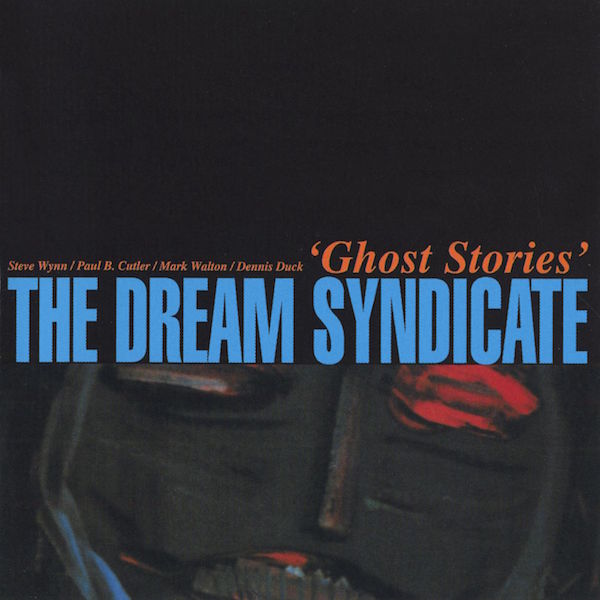
By this time Mark and Paul and Dennis and I had spent a lot of time on the road, and you can hear it on this record. I think that in some ways we put it all together on this one.
It’s dark, it’s noisy, it’s bratty but it’s also quite self-assured and not undone by production – neither too little nor too much.
It’s just us.
Credit must be given to producer Elliot Mazer (responsible for Neil Young’s Harvest, for one) who went for a live immediacy and transparent, rocking sound. It doesn’t sound dated. It sounds like us and, although we didn’t know it at the time, it was a good way to go out.
Oh, and much of it features Chris Cacavas, who had become a fifth member and still is to this day.
Live At Raji’s
(Enigma, 1989)

Paul’s guitar was stolen and we were all broke and most definitely uninsured. So we played a gig at our favorite local Hollywood hangout, Raji’s, to make enough to buy him a new one. And what the hell, we thought, let’s record it as well.
Elliot was around and had the idea to record the show direct to DAT (remember DAT, kids?). He was upstairs with his gear and recorder while we rocked out in the basement.
Man, we were ON that night – no jitters or worries about being recorded. We let it all fly. You hear this record and you hear what we did night after night on stages around the world.
When the show was done, so was the record. Performed and recorded and fully mixed all at the same time.
Some people say it’s our best record. Who am I to argue?
How Did I Find Myself Here
(Anti-, 2017)
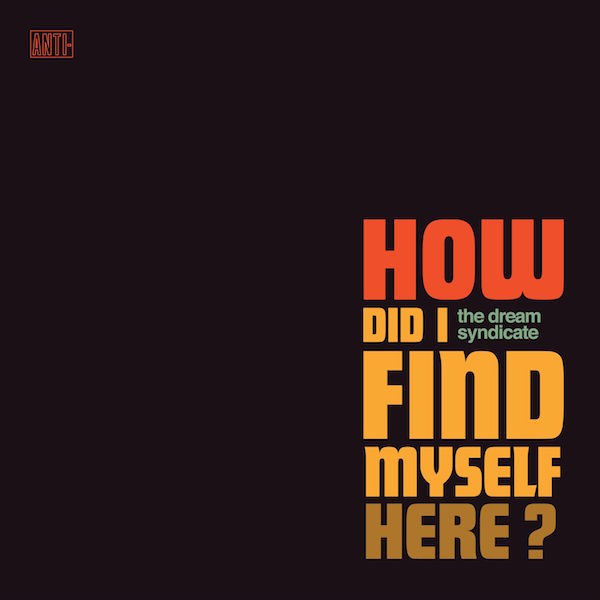
A 29-year gap between our fourth and fifth albums. Who does that? Has there ever been a longer gap between albums in a band’s history. I don’t know. But this feels both like a continuation of our saga and something altogether brand new.
We neither wanted to ignore our past nor slavishly reproduce it.
And then we went into the studio and didn’t think about any of that. We just played.
Five days of playing in Richmond, Virginia at Montrose Studios, aided and abetted by our new guitarist Jason Victor (who had played in my solo band, the Miracle 3, since 2001). We knew from the start that it was going well and we just kept going and followed the music where it wanted to take us.
It took us someplace very special.
And that’s how we found ourselves here.
See you on the road.
– Steve Wynn, September 2017
Bjørn Hammershaug
 The Siren’s Song is the freshly released, Jeff Tweedy-produced fourth album from Saskatchewan folk duo of cousins Kacy Anderson & Clayton Linthicum.
 Lauded North Carolina-based singer-songwriter Lizz Wright is about to release her new, highly anticipated album GRACE, a deeply rooted, spiritual collection of songs that reveal her close connection to her Southern heritage and candid commentary on the region’s current political and social upheaval.
 Folk-pop outfit Lenore. is the story of two trained singer-songwriters about to withdraw from the music scene: Rebecca Marie Miller following her time as harmony vocalist in The Mynabirds and Joy Pearson burning out after a recent divorce.
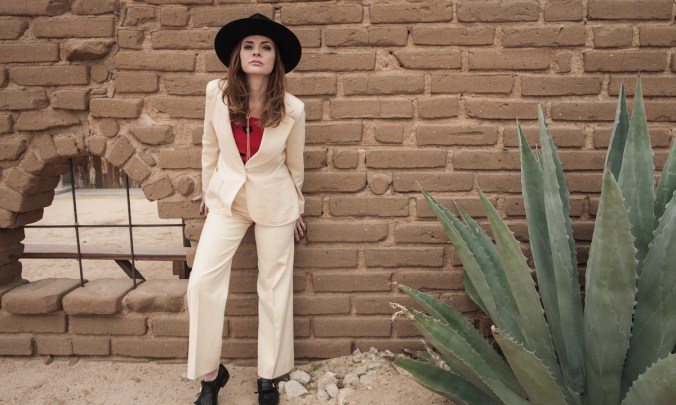 Los Angeles-based singer/songwriter Suzanne Santo, better known as one half of Americana duo HONEYHONEY, released her solo debut, the Butch Walker-produced Ruby Red on August 11th.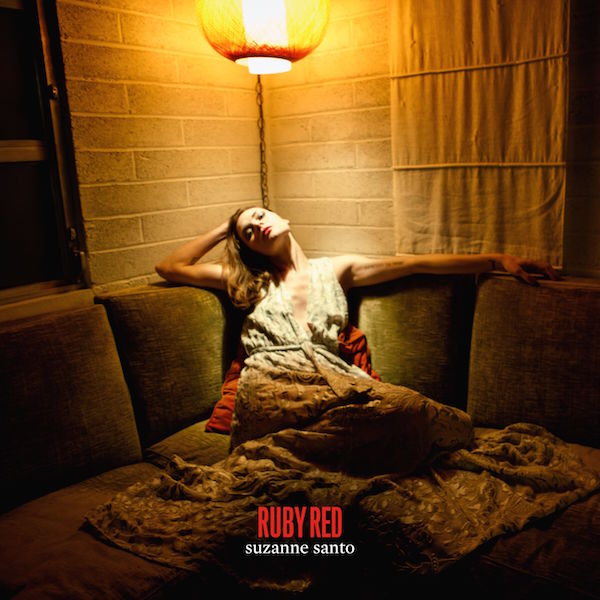
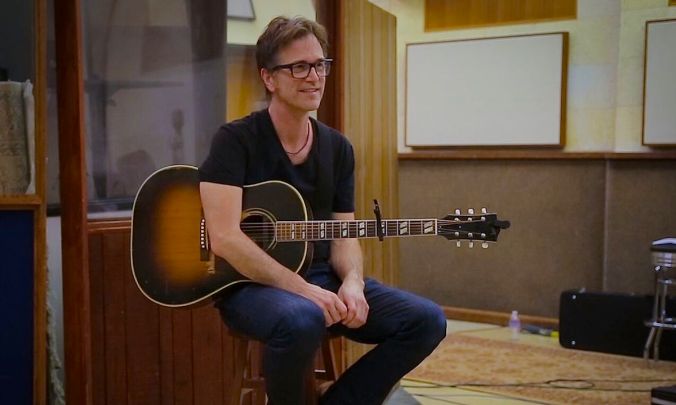 Dan Wilson is a gray eminence looming in the shadows of the glamorous world of pop music. His career spans back to the late 1980s and leads up to critically-acclaimed and commercially successful songwriter and production credits for artists like Adele, Dixie Chicks, Chris Stapleton, John Legend, Dierks Bentley, P!nk, Taylor Swift and many others. He’s received a couple of Grammys on his way, but even though he’s highly cherished, he’s still an unknown name to broader audiences.
 Bob Dylan: The Times They Are A-Changin’
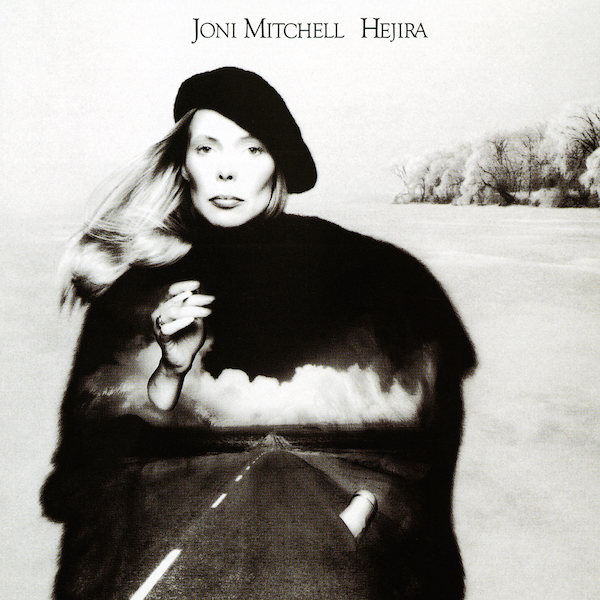 Joni Mitchell: Hejira
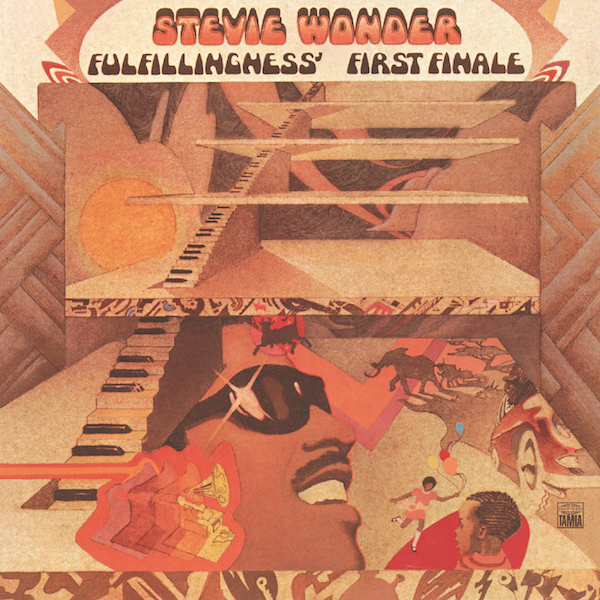 Stevie Wonder: Fulfillingness’ First Finale
 Liz Phair: Exile in Guyville
 Oasis: (What’s the Story) Morning Glory?
 When BBC Radio 6, the British channel for cutting edge music, recently celebrated the best music of 2017 so far by showcasing 20 essential albums, it was no surprise to see Jane Weaver’s Modern Kosmology prominently placed on the list. Described as an album that “masterfully darts from avant-pop to euphoric kraut via what can be best described as psychy party music,” the listing is just another addition to what has become one of this year’s universally critically lauded albums, and will more than likely appear on numerous year-end lists in six months’ time.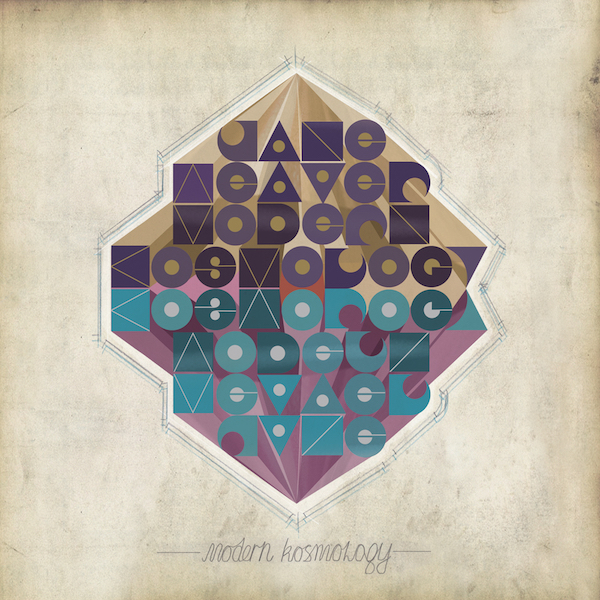
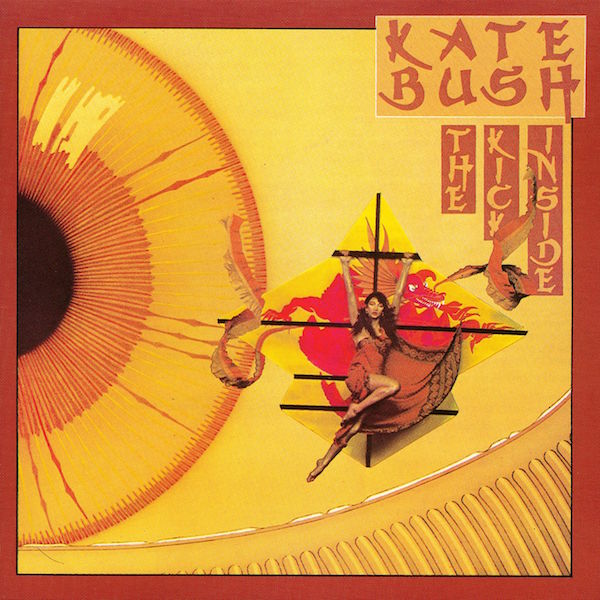 Kate Bush: The Kick Inside
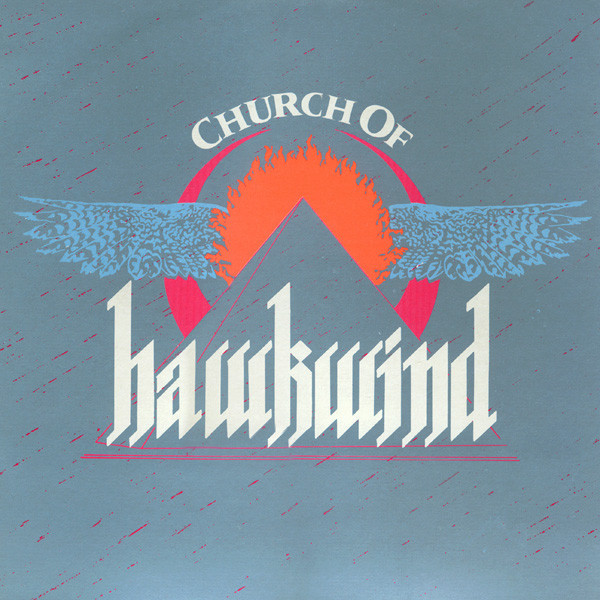 Hawkwind: Church of Hawkwind
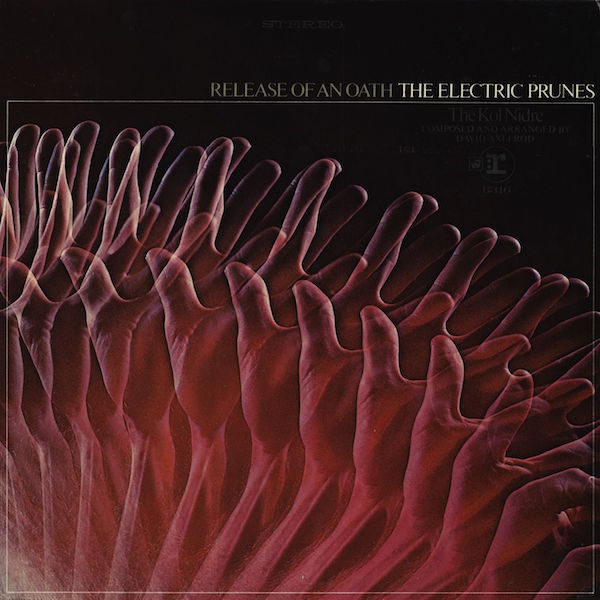 The Electric Prunes: Release of an Oath
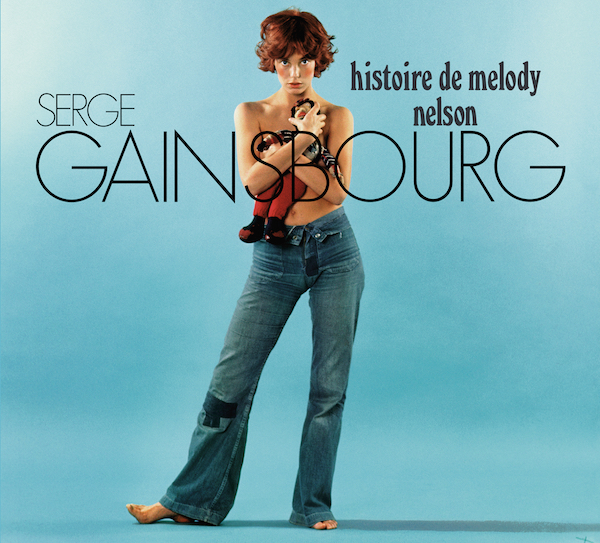 Serge Gainsbourg: Histoire de Melody Nelson
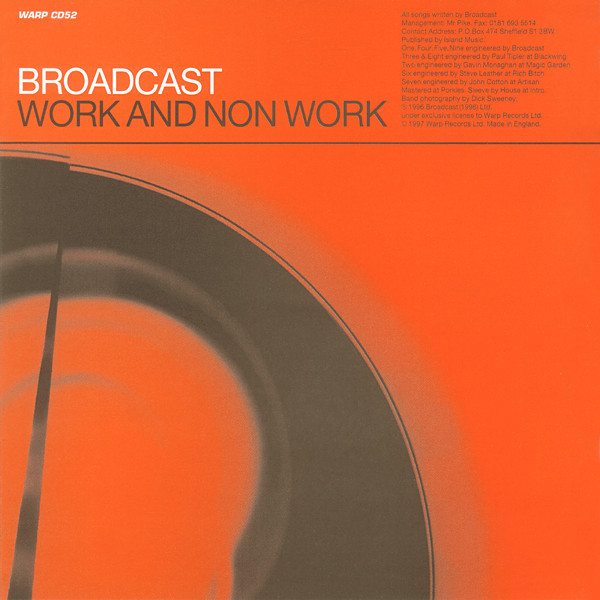 Broadcast: Work and Non-work
 Originally hailing from Los Angeles, California, Molly Burch is an undeniable talent on the rise. Following in the aesthetic footsteps of Dusty Springfield and Patsy Cline, the singer-songwriter relocated from L.A. to Asheville, NC, before settling in her current base of Austin.
 What’s coming next for you?
 Boston was a pivotal nerve center for Eastern seaboard punk and hardcore in the early 1980s. A tight-knit musical community of often politically charged bands on either side of hard drinking or straight edge, commonly bonded by intensity and violence, Boston hardcore breathed through the city’s various college radio stations, Newbury Comics and the whole fanzine culture.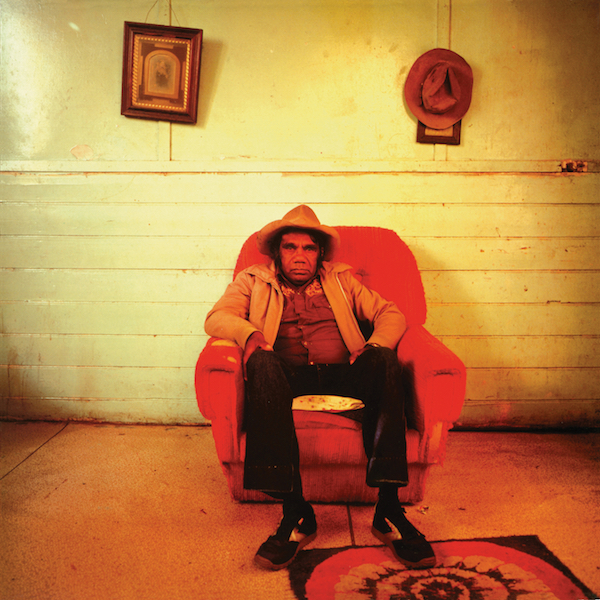
 I received these two LPs on the same day from the next-door neighbors of my grandparents when I was about 8 years old, in 1973-74. I had no older siblings, so the only records I had around the house were from my parents’ and they were not real rock and rollers or record buyers, so there was a scarce collection of Elvis Presley, the Mills Brothers, the Ink Spots, Bossa Nova stuff, etc. But I was obsessed with AM radio and carried around a yellow Panasonic transistor radio wherever I went. But mostly spent hours in my bedroom listening to it.
 Receiving these two mono LPs as a hand-me-down, though, was a huge revelation. I knew almost nothing about Dylan and had only heard a relative few Stones songs by that point. These two albums, both released in 1965, were truly life changing. This is not an overstatement; they were so mysterious and dark, and made me want to know more about the artists, depicted so enigmatically lackadaisical or aloof on their respective covers. Both records are steeped in the blues and filled with arcane references. In Bob’s case, there is the surrealist symbolism and amphetamine-driven stream of consciousness, Biblical, Shakespearean, Americana, and other obscure allusions. With the Stones, they are variously lampooning an “Under Assistant West Coast Promo Man” or dropping London references, like “an heiress” who “owns a block in St. John’s Wood.” And the Stones had all these covers of classic soul and blues songs making up half the album. So I eventually went on to find the originals.


 Los-Angeles based Ruby Force is the musical brainchild of Erin McLaughin, who’s just dropped her debut album Evolutionary War. A stunning collection of tunes transcending country and Americana, indie and pop, the LP is a rather flawless and personal journey that takes its listener from the vast fields of her Southwestern upbringing to the fluorescent streets of urban cityscapes.

