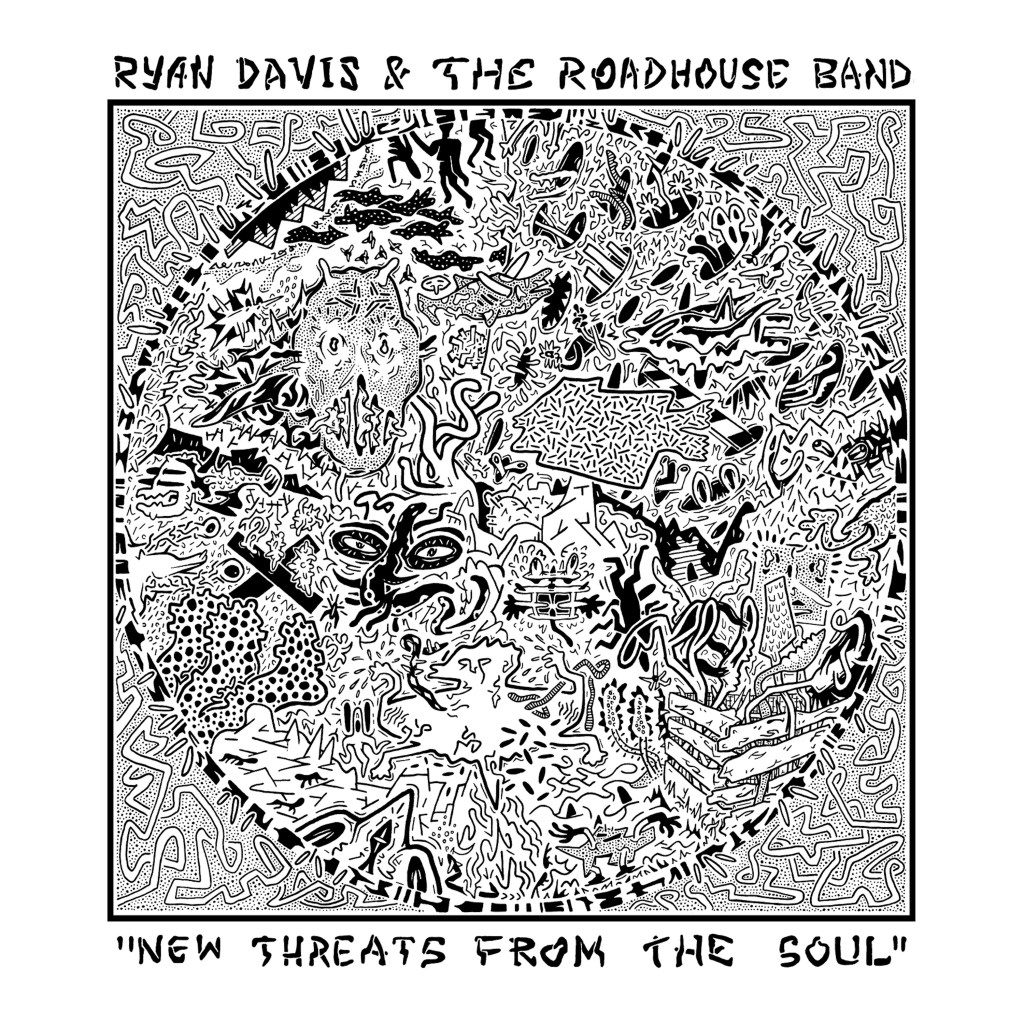
Ryan Davis and the Roadhouse Band: New Threats From the Soul

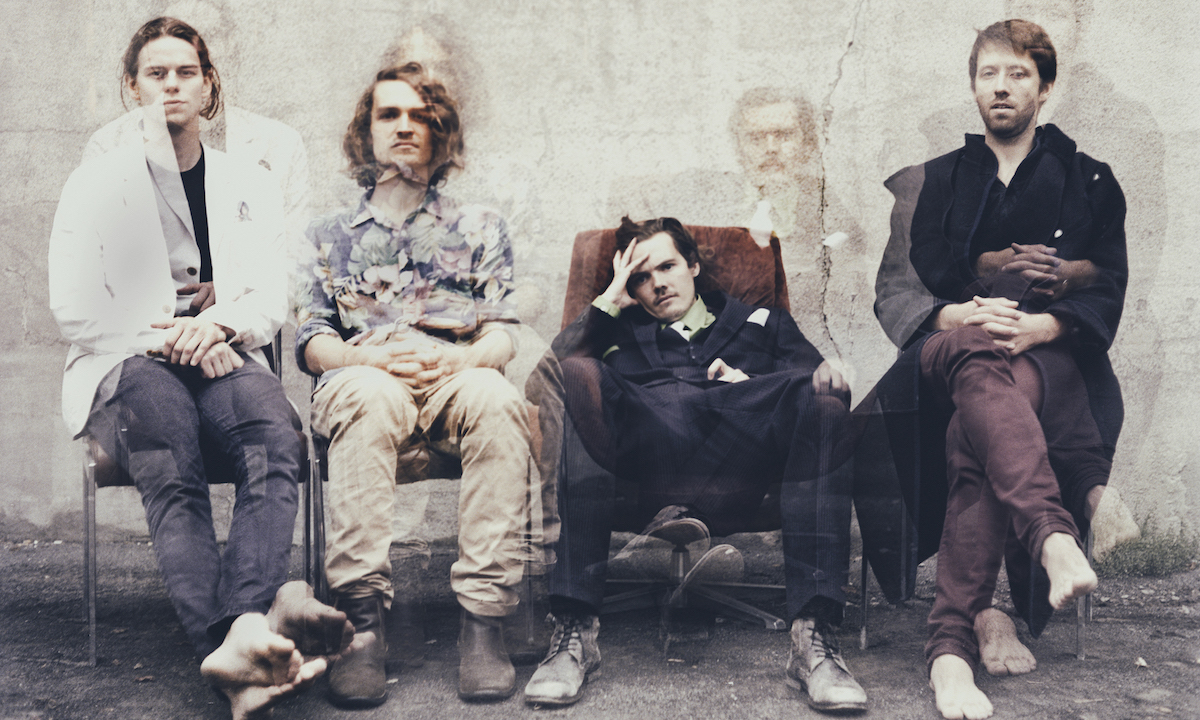
From the opening lines of the title track on Ryan Davis’ new album New Threats From the Soul it’s pretty evident we’re invited on a poetically rich and vivid ride. Davis is an idiosyncratic songwriter and storyteller, well read and sharp eyed, imaginative with a wry sense of humor, he’s unveiling tales of a working class America as observed from a bar stool or the streets.

I jolted up to some new transference from a sliding door
On a sister vessel and just let it play through
I left my wallet in El Segundo
She had the kind of smile to get a blue swine in trouble

While the entire album is an artistic victory, I’ve chosen to highlight the opening song featuring lovely vocal harmonies from Freakwater’s Catherine Irwin; nine minutes of the most generous, effortless, ecstatic metamodern sounds of bummer country music you’ll hear the entire year. Or perhaps in a generation.

I will never be never be
Anything
Other than a caged bird swinging from a chain swing, whistlin’ for my payseed
Pecking on a W9

Ryan Davis is grounded in blue collar country and rock, and is the poster child for the burgeoning new Alt-Country scene, but he’s always been a musical chameleon difficult to pigeonhole. Over lengthy and epic songs he shares the poetic imagination of his late friend David Berman, the eclectic musical approach of Lambchop, the stark realism of Jason Molina, and the sardonic drawl of Bill Callahan — but most of all he’s created his very own unique musical language.

Even though Ryan Davis and the Roadhouse Band is a relatively new project – this is their second album – Davis himself has been around for more than a minute and is highly recognized as a driving force in the Louisville music scene as member of ramshackled country-punk band State Champion, founder of the Cropped Out festival and for more than 20 years running the Sophomore Lounge label. He’s always been great, but now it’s like time finally caught up with his music. It’s hard to think of anyone deserving success and recognition as much, and if there’s any justice left in this world he’ll be a superstar. Roll down the windows, turn up the volume and give it a listen.

This text was originally published on tidal.com/magazine August 1, 2025

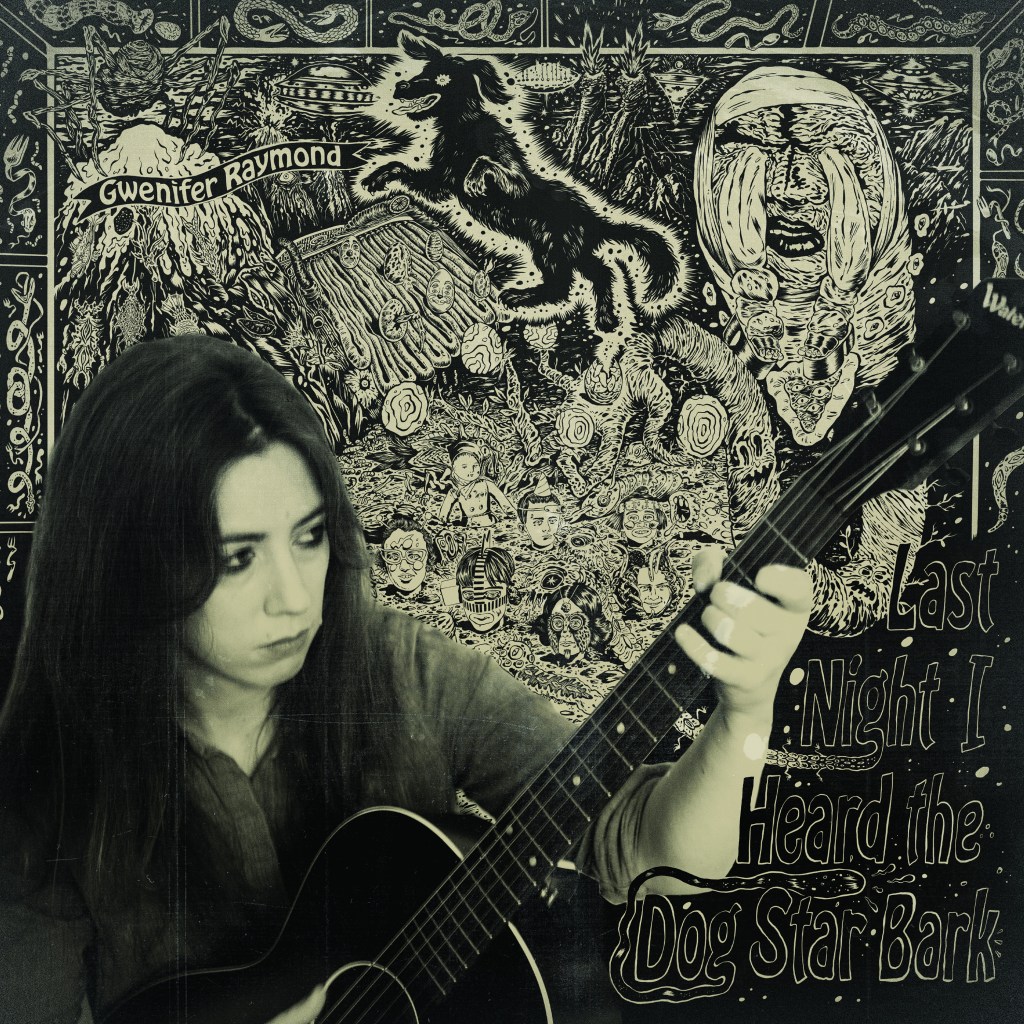
Gwenifer Raymond: “Last Night I Heard the Dog Star Bark”

The first taste from Welsh guitarist and banjoist Gwenifer Raymond’s forthcoming album, Last Night I Heard the Dog Star Bark, was a tribute to rocket scientist Jack Parsons, entitled “Jack Parsons Blues.” In addition to his pioneering engineering skills, Parsons, amongst many other fascinating aspects of his short life, was also known for converting to Aleister Crowley’s occult religion thelema at the end of the 1930s. This song might also be a nod to musical peers Six Organs of Admittance, who released “Blues for Jack Parsons” back in 2012. Now, Raymond returns with the second single and title track from her new album (due September 5).

I mention all this to give some context to how I understand the inventive and moving music of Gwenifer Raymond. Similar to Parsons, she is grounded in two worlds, one of tradition and lineage and one of experimentation and magick. In a statement, she described Jack Parsons as “oddly inspirational” and a person “full of boundless zeal and ideas. He was both a scientist and an embracer of the weird and esoteric.” Some of the same can be said for Raymond, who is deeply rooted in Mississippi blues, Appalachian folk, American Primitivism and the avant-garde — her world contains multitudes. There’s deep soil beneath her feet, but she’s not walking a well-trodden path, instead using the traditional to create something original and deeply personal.

Her two previous albums were both astonishing, but based on the new songs, she’s taking it even a step further this time. Her guitar playing is on fire, with more evolved textures and added sonic palettes. Raymond is proving that simple, fingerpicked guitars can rise from the earth, head towards the stars and contain the entire cosmos. And like Jack Parsons, she might actually be part scientist and part dark, spiritual leader.

This text was originally published on tidal.com/magazine August 8, 2025.

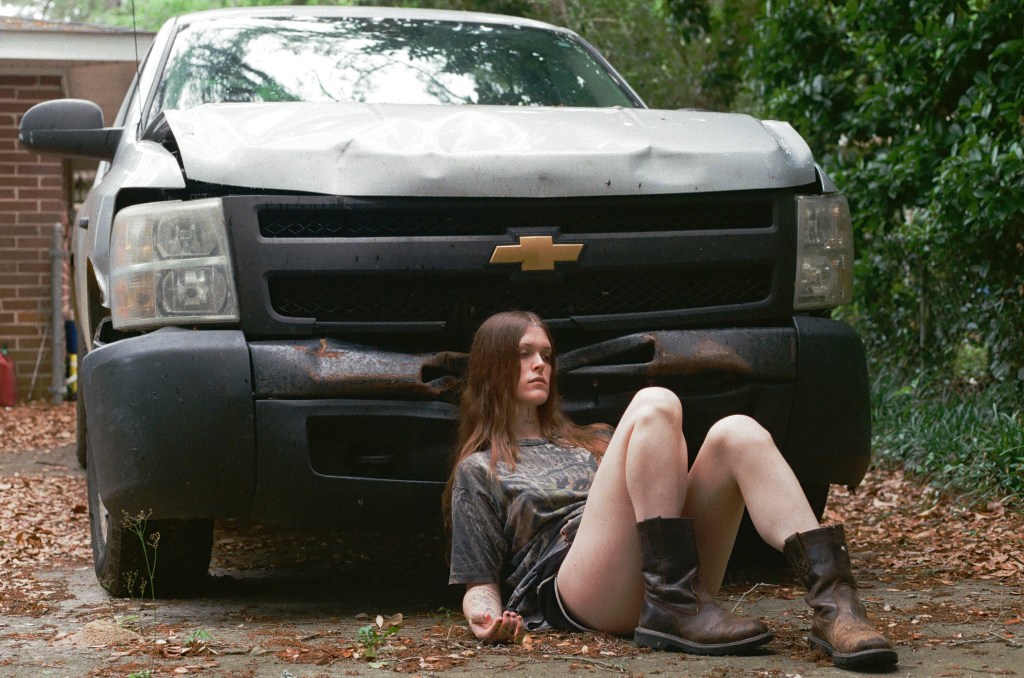
Ethel Cain: “Fuck Me Eyes”

On her complex 2022 concept album Preacher’s Daughter, artist Ethel Cain (real name Hayden Silas Anhedönia) explored themes like abuse, sexuality, violence and religious trauma through the eyes of the troubled fictional character Ethel Cain. A Southern Gothic master class, it was also inspired by the artist’s real-life struggles — she grew up the daughter of a deacon in a Southern Baptist community in Florida.

A key track from Preacher’s Daughter is “A House in Nebraska,” where we’re introduced to her first and true love, Willoughby. This relationship is to be further examined on the upcoming album Willoughby Tucker, I’ll Always Love You (August 8).

The new album, set in 1986, is a prequel to Daughter, and follows (the character) Ethel Cain in her teenage years. “Fuck Me Eyes” is a synth-pop, shoegaze anthem, and the second single (following “Nettles”). “Continuing in the theme of high school anxieties, ‘Fuck Me Eyes’ (on top of being an homage to one of my favorite pop songs of all time, “Bette Davis Eyes”) is meant to be an ode to the girls who are perfect and have everything, yet carry the reputation of town slut,” says Cain creator Anhedönia in a statement.

Ethel Cain has already established herself as a unique and distinct talent, with a broad musical range and superior poetic strengths. If you haven’t entered her universe already, now is the time.

This text was originally published in tidal.com/magazine on July 4, 2025.

Photo: Dollie Kyarn, press

Fantastic Negrito: Black Roots Music

This article was first published on May 27, 2016.

Fantastic Negrito is an ambitious musical project of Xavier Dphrepaulezz, who aims to unify the past and future of his native Oakland, a once dangerous city currently in the midst of a cultural and economic renaissance. The 46-year-old musician had all but quit music when a nearly-fatal car accident inspired him to pick up his guitar and channel a new persona, one inspired in part by bluesmen like Skip James. Once aptly called the “punk rock Al Green,” Xavier’s sound might best be characterized as a meeting of blues and punk, which creates a soulful and simultaneously high-energy blend that’s bound to move and impress.

Set for release on June 3, 2016 The Last Days of Oakland marks Fantastic Negrito’s eagerly anticipated full-length debut, one concerning the changes he’s seen amidst the decline and rebirth of his hometown. In the meantime, enjoy his latest hard-hitting single, “Lost in a Crowd”, and the to know him a little better.

Please introduce yourself. Who is Fantastic Negrito?

For the record my mother still won’t call me Fantastic Negrito.

I’m a musician out of Oakland, and I’m in a collective called Blackball Universe. I play black roots music for all people, and I try as hard as I can to be honest at all times, in my music — and in this interview.

What’s the story behind your artist name?

It first started off in a different form, Nigga Fantastic. It was a phrase I’d use to describe the polar extremes my brothers and sisters operate on. I always marveled at cats in the hood being half super villain, half super hero: knock a cop out, get a chick pregnant, save a baby from a burning fire while drinking a 40. When I started getting back into music I wanted to take that energy and make it something positive, and I knew many of my blues idols took on names that reflected their vibe, so I flipped it into something more celebratory: Fantastic Negrito. A celebration of blackness and black roots music….with a Latino twist.

Tell us a little about The Last Days of Oakland. What’s the main story you want to communicate with this album?

I came up with the title The Last Days of Oakland while I was touring last year, to mark the end of an era. Cities have become unaffordable. Black people are leaving in large numbers. Artists too. Everyone feels the loss of culture and diversity. People can’t afford to stay in the neighborhoods where they were born and raised.

Even with all of that, I feel the end of something always means the beginning of something new. It’s really up to us collectively to step forward and be heard. To protect the things we love and value about the communities we live in. We are in this together.

What’s in your opinion the biggest difference of being an artist now and back in the mid 90s?

Now it’s all about having a direct relationship with the fans. The machine is broken, and maybe that’s a good thing. You have to do everything yourself, take chances, take risk. Really expose yourself creatively. It took me most of my life to learn how to do that. I’m still learning.

Also, because I didn’t have the burden of trying to “make it” the way they did in the 90s, I was free to allow myself to grow into whatever I am now. And I think I may be honing in on a sound that I can legitimately call mine…meaning I’m ripping great blues musicians off with style.

Who were your musical heroes growing up?

Not the same ones I have now. Except Prince, who taught a young kid from the streets that it was okay to be different. That it was okay to dress different and be a little wild. To not make music according to a genre or type. He made a lot of my choices okay when there were not a lot of other examples out there.

Now the musicians I admire the most are ones I was exposed to as a kid but didn’t appreciate. Music that my parents would play. Robert Johnson, Skip James, Leadbelly. They’re the standard. Along with people I’ve met in the last couple years like Taj Mahal and Buddy Guy.

Name an album, artist or experience that changed your perspective on music?

I just met Robert Plant. I love Zeppelin. Love them, turned my boys onto them once we were old enough to listen to “white” music without it causing drama. He came to one of my shows and dug it. Robert Plant doesn’t cut anyone slack. He doesn’t fuck around pretending to like shit he doesn’t like and there’s something awesome about that. I have that in me but try to resist it because in this era, musicians HAVE to support each other to survive, but Plant is a giant. He’s raw with his opinions. Also, had a deep deep knowledge of black roots music, which is really what he played.

What’s the best new song you recently discovered?

“Two Wings” by Utah Smith

Can you share a fun fact about you or your music?

There is a dash of hip hop in everything I do. Remember, though my heart is the blues, I grew up on Hip Hop. Some of those aesthetics are ingrained in me. I love the minimalism of Rick Rubin. What I will do is strip my music all the way down to just the few cords, then I loop those. So the loops are born specifically for the song, they’re not samples, but they’re distilled to just the hardest shit. And my drums are often done the same way.

What’s your favorite activity besides music?

If you’re from the Bay you can’t help but love great food. That doesn’t mean the fanciest restaurants; it means good authentic food from around the world.

If you see my twitter posts I’m always posting pictures of my meals. Everyone on my team tells me no one cares what I’m eating. They’re probably right, but that’s their problem. My twitter account is not part of the collective.

What’s coming next for Fantastic Negrito?

I’m about to go ham in the studio after I tour. I’m heading out with Chris Cornell in June, plus a few festivals like Bottle Rock and Outsidelands, then Europe and a short U.S. tour with my full band. But I also have some ideas on music that I’m excited to try out.

Looking one year ahead, where would you like to see yourself?

Like I said, I gotta get busy in the studio and make a couple of records. I have two approaches to what I’m gonna do. One will be a progression with Fantastic Negrito, keeping it raw and getting to the most primal essence of American music. The other’s gonna be something that has more hip hop fused into it, with a real concept. Trying to push. Push push push push.

And finally, if your music were a physical object what would it be? Please describe.

Maybe a bullwhip, or some object that ties directly to struggle and perseverance. Because that is at the essence of all American music. A shackle or a whip or something that brings out the raw angst and human condition that all people can relate to. That’s what’s great about black roots music, it is the distilled raw emotions that are at the heart of all emotions. When that whip cracks, power and misery connect all souls, including the individual administering it.

GospelbeacH: Where Breezy Songcraft Meets Sunny Harmonies

This article was first published on November 17, 2015. This piece also serves as a loving memory of Neal Casal who sadly passed away on August 26, 2019. Forever love, Neal. Thanks for all your music.

GospelbeacH might be a new acquaintance, but there’s something warmly familiar about them.

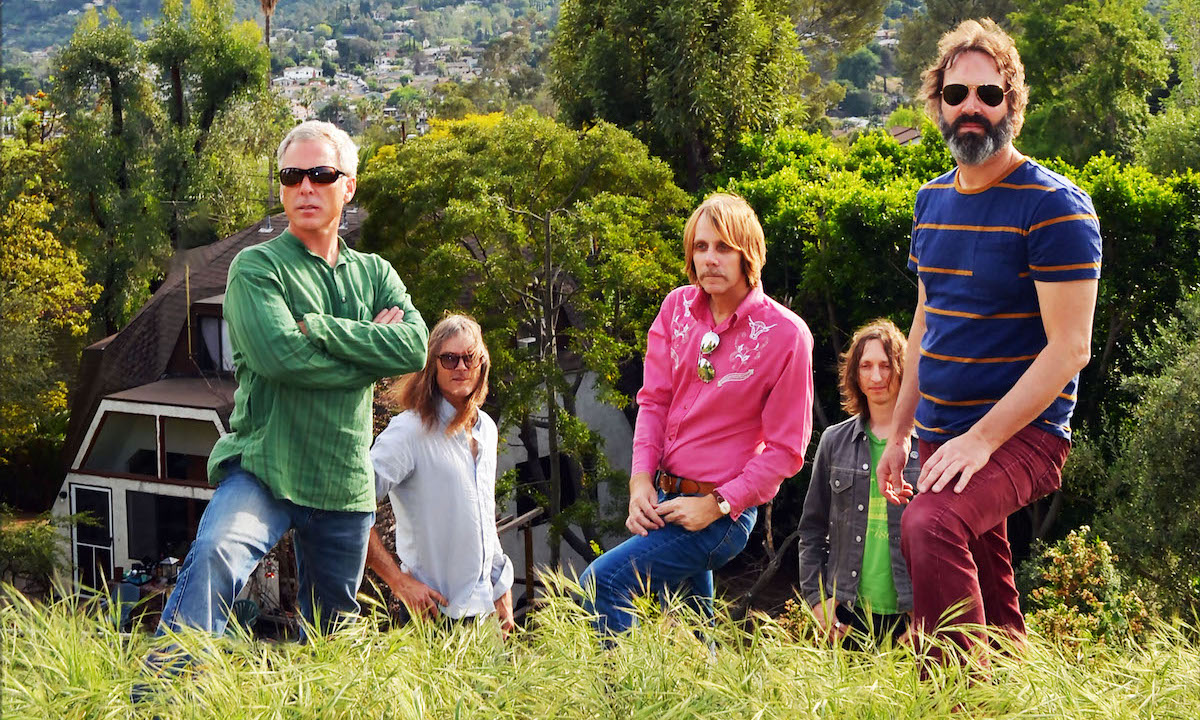
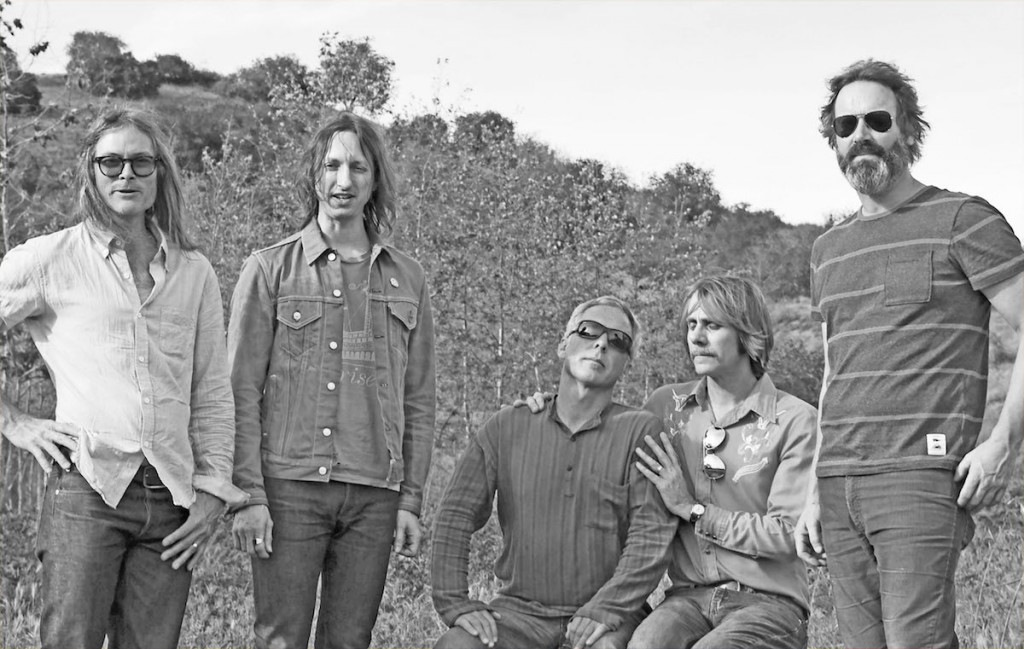
Led by singers, guitarists and songwriters Brent Rademaker and Neal Casal, and featuring guitarist Jason Soda, bassist Kip Boardman and drummer Tom Sanford, the band includes members of beloved acts Beachwood Sparks, The Tyde and Ryan Adams and the Cardinals. Just like the music itself, this prestigious collective defies the boundaries of time and style.

GospelbeacH takes us down on a warm and wonderful journey where breezy songcraft meets sunny harmonies, somewhere along the same ways The Flying Burrito Brothers, Grateful Dead and Buffalo Springfield once tread.

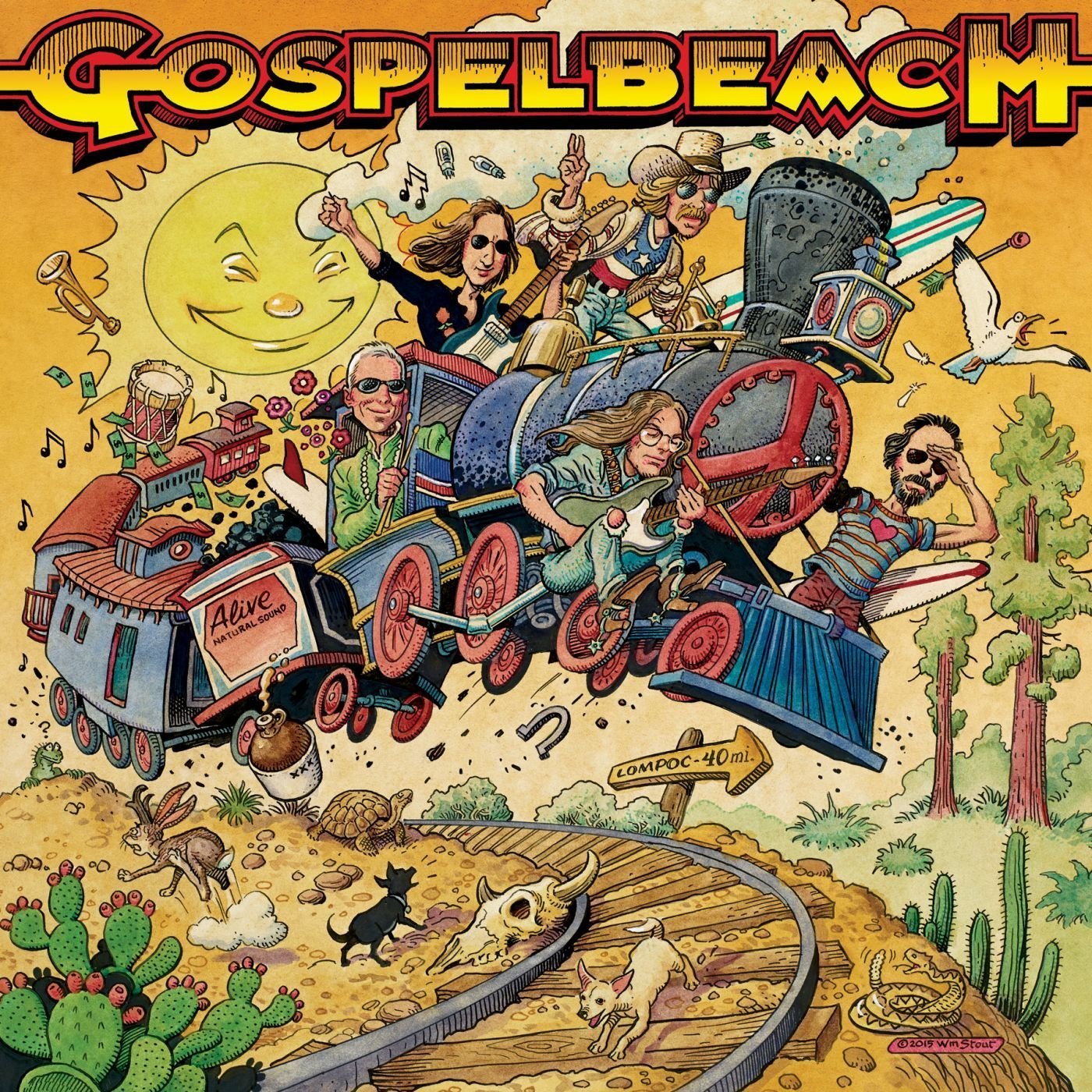
Their recently released debut album, Pacific Surf Line – referring to the replacement of the once-mighty steam engines of the Santa Fe Railway by the modern Pacific Surfliner that now traverses the Southern Californian coastline – forges five creative forces into one steamrolling train of cosmic American music.

We hooked up with Rademaker and Casal for this offbeat Q&A.

* * *

What’s the first thing you thought about this morning?

Brent Rademaker: Why did they try to make 12 Monkeys into a television show?

Neal Casal: Are there waves today?

What’s the best gift you ever received?

Brent: This year my wife bought me a Martin acoustic guitar. Materialistic, yes, but it was my birthday and it came from her so it’s the best hands down.

Neal: A job in GospelbeacH

Who were your musical heroes growing up?

Brent: Chicago, Kiss, Maynard Ferguson and my dad.

Neal: Brian Jones, Randy Rhodes, Sly Stone, Kate Wolf.

In case of fire, what three things would you rescue?

Brent: My wife, my dogs and my Martin.

Neal: My Gibson J-50, my Leica M-6 and my Source 9’10 longboard

Name an album, artist or experience that changed your perspective on music?

Brent: Gram Parsons.

Neal: Peace And Love by Ras Michael and The Sons of Negus

Most unlikely album, song or artist that inspires your own music?

Brent: Foreigner

Neal: Aerosmith’s Draw the Line.

Best new song you recently discovered?

Brent: “Something to Believe In” by Tall Tales and the Silver Lining

Neal: “Mrs. Gristle’s Reel” by Nathan Salsburg

Can you share a fun fact about your new album?

Brent: We recorded the name “Lompoc” by over-pronouncing it “Lom-Poke,” and then “Lom-Pock,” as it seems there is some controversy about just how the California city’s name is pronounced. The correct way is “Pock” but the locals say “Poke.” We sing it both ways in concert… oh well.

Neal: We honestly had a good time making it and we’re still friends after it was finished.

Explain your music to your grandparents?

Brent: It’s like what they played on the jukebox at Garbers Tavern in Emden, Illinois in 1974.

Neal: I’m guessing they would have dug it.

What’s your favorite activity besides music?

Brent: I enjoy writing these days.

Neal: Making photographs.

What’s your greatest fear?

Brent: Fear itself.

Neal: Running out of half & half.

What’s a place you’ve never been that you want to go?

Brent: The Bahamas.

Neal: India. I’d like to hear Indian classical music at its source.

What’s your favorite piece of gear on stage?

Brent: I love my thick curly black Vox guitar cable because Mick Jones had one just like it.

Neal: My tuner.

Can you share the recipe to your favorite dish.

Brent:
1/2 avocado (not too ripe)
1 slice of sprouted grain bread
1 pad of butter (optional)
1 pinch of course sea salt
extra virgin olive oil

toast bread
apply butter (optional)
spread and smash avocado onto toast
crumble salt and drizzle olive oil
EAT.

Neal: Capn’ Crunch and milk.

And finally, describe your music as if it were in physical form.

Brent: A red, white and blue vessel full of a golden flowing effervescent magic liquid that brings instant joy to everyone. Oh, wait, that’s a can of Miller Lite… yeah that!

Neal: An eraser.

Jay Som: Mild and Spicy

This interview was first published on March 20, 2017

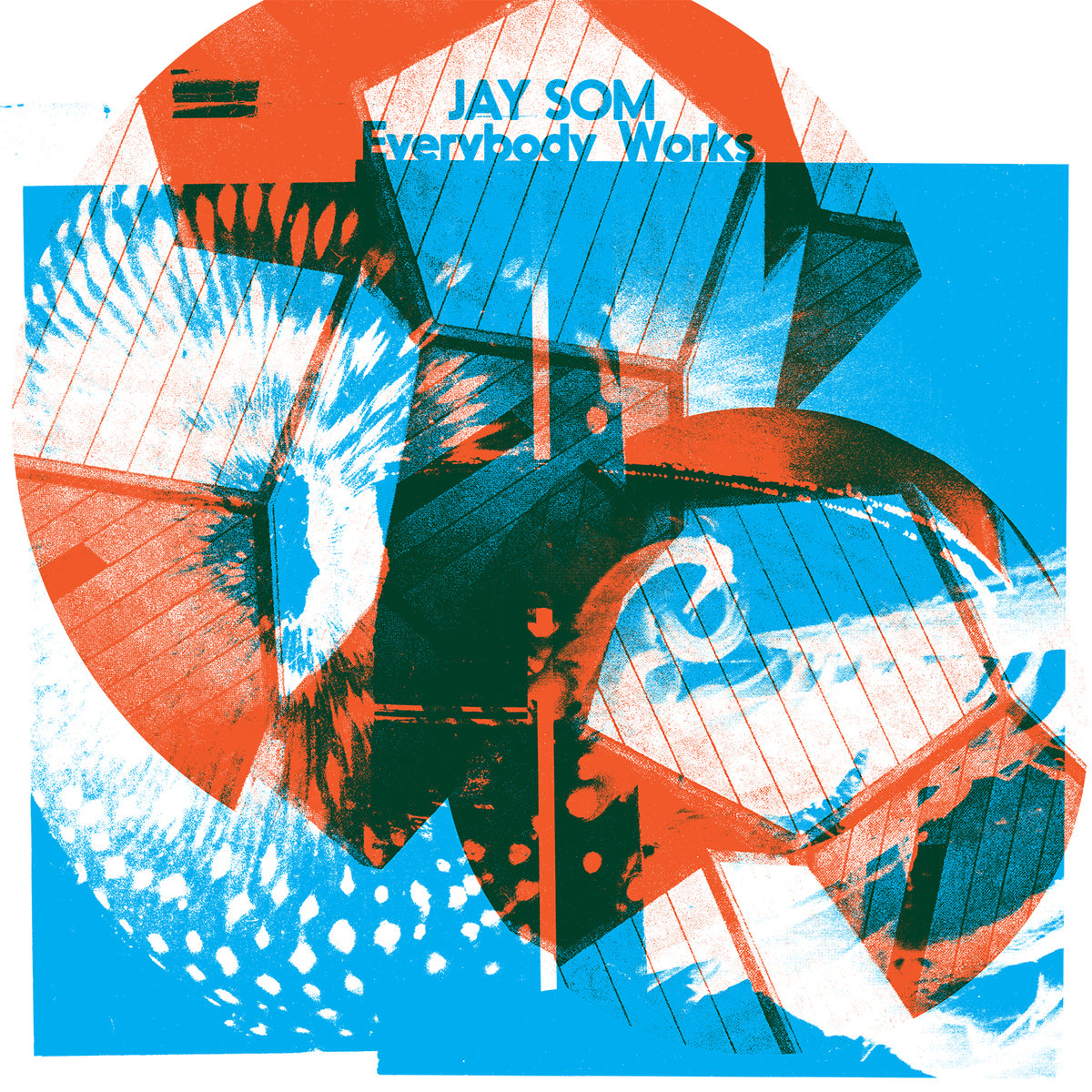
Emerging indie artist Melina Duterte, AKA Jay Som, has managed to impress critics with her every release to date. After originally planning to pursue a conservatory program for jazz, Duterte rather enrolled in community college, studying studio technology, songwriting and music production instead. It was around this time that she began writing and recording demos in her bedroom studio, subsequently releasing them on Bandcamp in 2015 under her Jay Som moniker. The original 9 track EP has since been re-released twice to rave reviews. Everybody Works is just released on Polyvinyl Records to great acclaim.

Who is Jay Som? Can you please introduce yourself?
Hello!! Jay Som is me (Melina Duterte). I am 22 years old and I live in Oakland, California

Tell us a little about your new album. What’s it about, and what do we get?
It’s about whatever you want it to be about, nothing too specific. You get to hear 10 songs.

Who were your musical heroes growing up?
Karen O, Avril Lavigne, The Donnas, Beyoncé, DCFC.

When and how did you first get into music?
My mom bought me a tiny acoustic guitar for my 8th birthday and I taught myself for a while, then I picked up the trumpet and that shaped most of my musicianship skills.

Name an album, artist or experience that changed your perspective on music?
The Glow Pt.2 by The Microphones

What’s the best new song you recently discovered?
“To You” by Andy Shauf

Can you share a fun fact about you or your music?
I am very good at catching small things in my mouth (popcorn, candy, etc.)

Any other favorite activities?
I love to binge watch Netflix shows and movies until 4am.

What’s coming next for Jay Som?
Getting ready for hefty touring for most of 2017, I’m also working on some demos for the new record; definitely want to spend a lot of time on the next one.

Looking one year ahead, where would you like to see yourself?
I would like music to still be a consistent part of my life next year. Maybe I’ll be in a different city working on multiple projects in a house with a pool and a dog.

And finally, if your music was a food what would it be?
My music would for sure be a nice soup, kind of mild and spicy but pleasant.

J Hus: An English Mercedes Benz

This article was first published on July 10, 2017

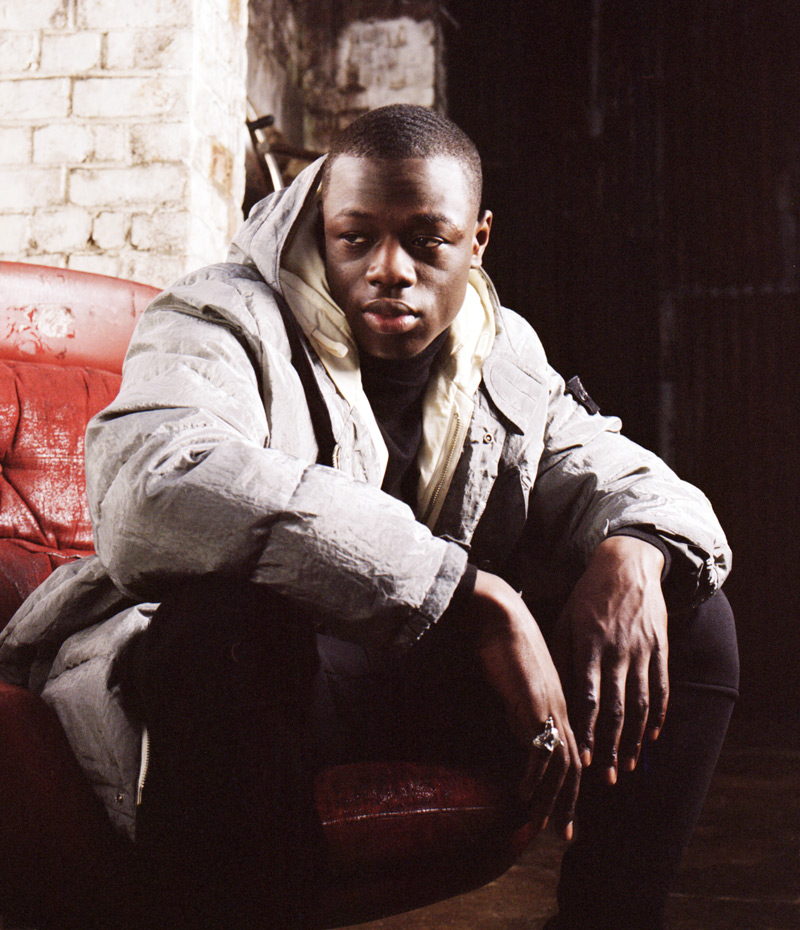
Momodou Jallow is a British born genre bending singer and rapper of Gambian descent, better known as rapidly rising J Hus. The 21-year-old has already collaborated with high profiled British MC’s Stormzy, Nines and Dave, to mention a few, and fully broke through as a solo artist with the hit single “Did You See” earlier this year. In May he followed up with his debut full length, critically acclaimed Common Sense.

Pitchfork described the album as “the best of grime, Afrobeat, dancehall, and early ’00s hip-hop into a vibrant, wholly unique sound”, and this boundary-dancing playfulness is unquestionably one of J Hus most striking qualities.

London, the southern and eastern parts in particular, has for a long time been an artistic hub for urban globetrotting, and this scope is an aspect that makes J Hus a poster-boy for the sound of 2017. His flawless flirting with different cultures, including Jamaica, Ghana, London and Atlanta, would almost be unheard of just a couple years back. Now, this is the direction to the future of music.

J Hus has gone a long way towards this status. He was a name to watch already back in 2015, when he caught a buzz with the break-out track “Dem Boy Paigon” and mixtape The 15th Day. On a sour note, that same year he was stabbed multiple times and sparked a fury while “making gang signs from the hospital bed” according to British press.

He was tipped by the BBC in its Sound of 2016 list, and has constantly been in the limelight for the last couple of years – at least among the insiders of the scene. Without compromise and no sense of debutant nerves, Common Sense is a remarkable strong debut from a young, skilled and confident artist set for worldwide domination.

Who is J Hus?

I’m everything you’ve heard before, and nothing you’ve ever heard before…

Tell us a little about your recent album debut Common Sense. What do we get and what’s it about?

It’s a big mix of a lot of things; there’s rap on there, afro beat, bashment, some ballads, even a little garage. The opening track, “Common Sense”, is a statement for me. I wanted to start the album very confidently, 100%. People often think of me as a singer, and I wanted to reaffirm myself as a rapper. I’ve got bars!

Who are your musical heroes?

I love 50 Cent, he’s been a massive inspiration of mine, from Get Rich Or Die Tryin’, which is one of the first albums I ever bought and listened to from start to finish.

When and how did you first get into music?

I always used to freestyle infront of the mandem but didn’t take music serious. 2014 I sat down in the car with one of my managers and spoke about taking it properly. Then started dropping freestyles, which people were feeling. Tried to put character in the freestyles, do and say things rappers wasn’t doing.

Name an album, artist or experience that changed your perspective on music?

50 Cent – Get Rich Or Die Tryin’,

What’s the best new song you recently discovered?

Mr Eazi – “Leg Over”

Can you share a fun fact about you or your music?

You don’t know what to expect

What’s your favorite activity besides music?

I love boxing, I’m gonna take it up properly soon and get real hench.

What’s coming next for J Hus?

I’m still just grinding in the studio. Even since I finished the album, I’ve been recording more songs with my partner Jae5. I’ve got at least one EP’s worth of music ready to go, and loads more to come. I just wanna keep surprising people. I’m never satisfied, I always want more.

Looking one year ahead, where would you like to see yourself?

Want to still be the same J Hus but advancing in my music and still the most diverse. Hopefully I can achieve much more next year and continue just getting better and better.

Finally, if your music was a car what would it be?

Mercedes Benz

Half Moon Run: 5 Albums That Shaped Us

This article was first published on November 11, 2015

Montreal-based quartet Half Moon Run just returned with their sophomore album Sun Leads Me On, a lush and dynamic effort eschewing alt-folk melancholia while remaining guided by beauty. The album was written mostly between their hometown and a surfing sojourn to California, and recorded at the idyllic Bathhouse Studios in Ontario with acclaimed British producer Jim Abbiss (Arctic Monkeys, Adele).

Half Moon Run surely have found a balance between powerful heartland rock, majestic chamber pop and art rock complexity, crafting a musical space somewhere around My Morning Jacket and Coldplay, as The Guardian once stated. Hard to pigeonhole, but easy to like, Half Moon Run manages to be both immediately appealing and remarkably intriguing at the same time. This is 5 albums that “changed their lives”:

Chosen by Dylan Phillips (vocals, drums, keyboard)
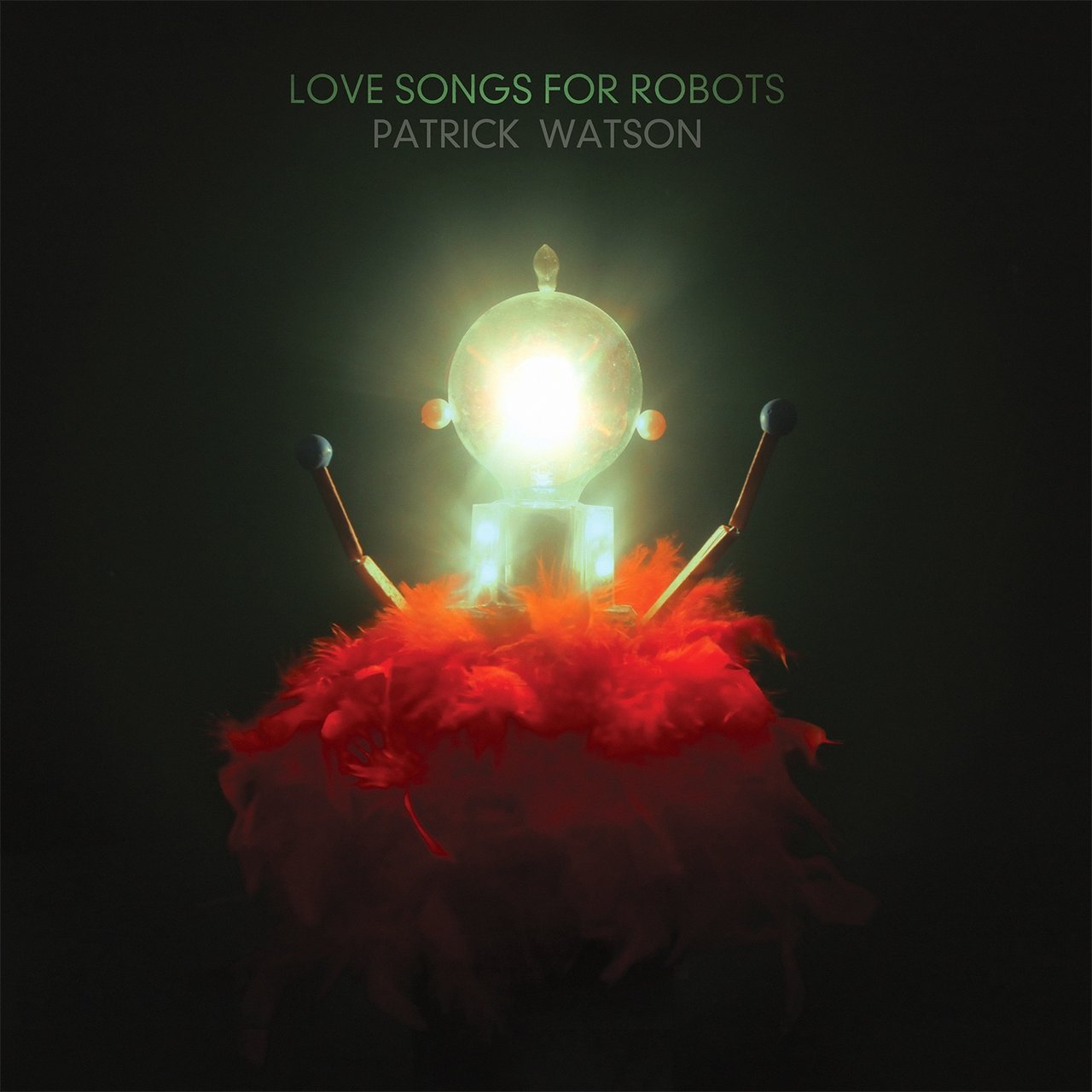
Patrick Watson – Love Songs for Robots (Secret City, 2015)


Patrick Watson (and his band) have been a big influence on us. We toured with them in Europe / USA / Canada and became good friends in Montreal. Their originality and musicality, on the record and live, leave us jaw-dropped. Love Songs for Robots is the record I currently spin most frequently at home.

Chosen by Devon Portielje (vocals, guitar, percussion)
Stars of the Lid: And their refinement of the decline (kranky, 2007)


This is an amazing ambient album with mastery of arrangements and tones. I use it in a functional way as a sleeping aid and to de-stress. I would listen to this record when I was living in difficult circumstances, and it reframed my experience, softening the edges as if it were in a film. Even after many listens, I still discover new elements regularly.

Chosen by Isaac Symonds (vocals, percussions, mandolin, keyboard, guitar)
Burial: Untrue (Hyperdub, 2007)


This album has been a huge influence on all of us. I particularly love the lo-fi, saturated drum tones, with the undeniable beats. The mood of this album is dark and groovy. It was my soundtrack for biking home each night from our rehearsal space in Montreal while writing Sun Leads Me On. Untrue has a permanent spot on my playlist.

Chosen by Conner Molander (vocals, guitar, keyboard)
Van Morrison: Astral Weeks (Warner, 1968)


There’s something magical about this album… it sounds very spontaneous, as though it flowed straight out of an ancient Celtic spirit. The lyrics are mystical yet lucid, and Van Morrison’s vocals are wonderfully soulful. It drifts on and on like a dream, and I love it more with every listen.

Chosen by Conner Molander (vocals, guitar, keyboard)
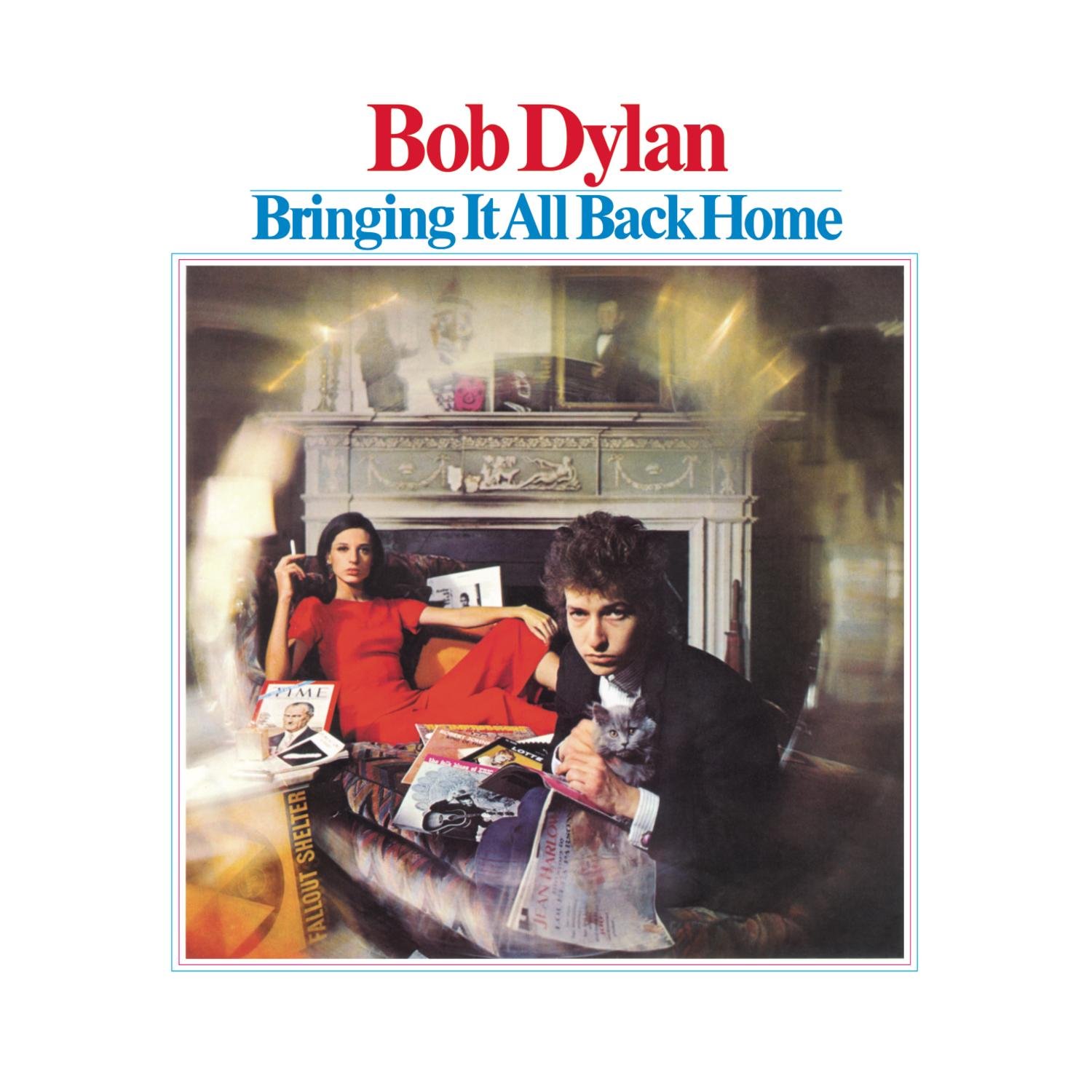
Bob Dylan: Bringing It All Back Home (Columbia, 1965)


The first side is good, but the second side is some of the most powerful songwriting that I’ve ever heard. Resonant, timeless, prophetic…just listen to the sorrowful longing in his voice in “It’s All Over Now, Baby Blue”. In my opinion, this is Bob Dylan at the peak of his powers.

Dori Freeman: A Weeping Willow

Dori Freeman (Photo: Kristen Horton, press)

This interview was first published on October 17, 2017

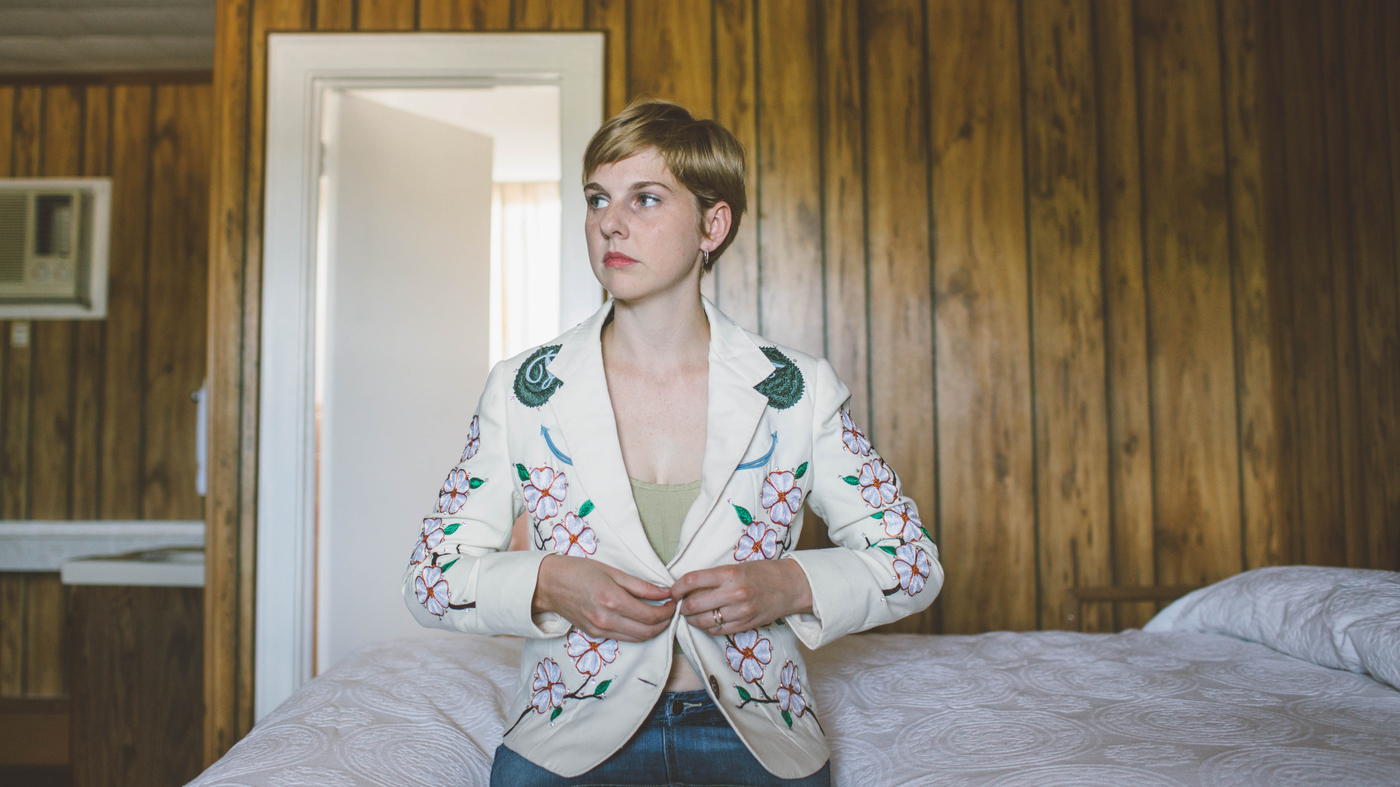
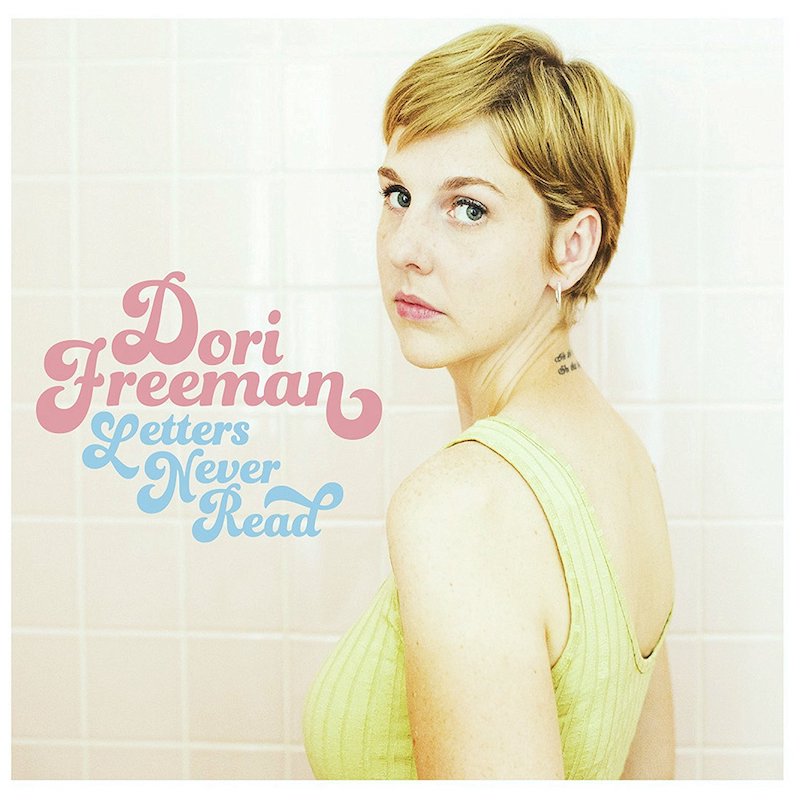
Singer-songwriter Dori Freeman is about to drop her sophomore album Letters Never Read, coming October 20th, 2017. Freeman has again teamed up with renowned folk-rocker Teddy Thompson as the producer.

“I knew I wanted to work with Teddy again and just try to continue and evolve what and we did on the first record”, Freeman says.

She collaborated with Teddy’s even more acknowledged dad Richard Thompson (of Fairport Convention fame), Canadian psych-folk duo Kacy & Clayton and Irish-American songbird Aofie O’Donovan. ”I wanted to collaborate with them because they are all musicians I listen to and admire greatly, plain and simple”, Freeman says.

Dori Freeman hails from the Appalachians, born in Galax, Va, a small town with a rich heritage of old-time music. She grew up in a family of bluegrass musicians, and learned the legacy of Doc Watson and the Louvin Brothers from an early age. At the age of 22 the hard working single mom reached out to her musical favorite Teddy Thompson on Facebook for a possible collaboration. Thompson quickly replied, and went on to produce her critically acclaimed 2016 debut album.

Letters Never Read is a triumphant follow-up, including cover songs by her grandfather Willard Gayheart, and Richard & Linda Thompson, equally rooted in traditional Appalachian folk and sophisticated singer-songwriter pop music, more optimistic and light-hearted without ever compromising on the craftsmanship of poignant storytelling and ‘drawing from inspirations all over the map’.

We caught up with Dori Freeman for a chat about her new album.

***

Congratulations with a new album on the way. What do we get and what’s it about?

10 songs, six originals and four covers. Hard to sum up in a few words what it’s about, but it’s got songs I grew up listening to, one written by my grandfather, a song written by Teddy’s father, and some originals that ponder love from differing perspectives.

What was your initial idea for this album – what inspired you the most?

I was inspired by a lot of things – paying homage to the music I grew up on and pairing that with the originals that have a very different feel. Family inspires me always, a new relationship, reconciling living with depression, pairing of percussion and voice, etc. Inspirations all over the map.

Did you have a clear idea on how Letters Never Read would be from the get-go, or did the album gradually evolve as a process?

I’d say it was more of a gradual evolution. I just try to write and record things from a genuine place and hope by doing that everything will come together into something good.

What is the biggest difference or development compared to your debut?

I was in a much different and more positive place in my life when I made Letters Never Read compared to my debut. I think the record reflects that.

You worked with Teddy Thompson again, producing the album. Can you shed some light on the recording sessions? How did you work out the songs and what kind of sound did you look for this time?

Teddy is wonderful to work with. He has a very clear vision in the studio and he’s very good at coaxing that out of people. Generally, I play all the songs for Teddy on acoustic guitar and then from there we come up with a groove for each song. My husband, the drummer on this record, Nicholas Falk, is also responsible for a lot of the arranging and overall feels on many of these songs.

Unfortunately I wasn’t in the studio at the same time as Richard Thompson, but unsurprisingly he nailed the vision for “If I Could Make You My Own.”

What would be your preferred setting to ultimately enjoy the LP?

While this won’t be immediately released on LP, my favorite place to listen to any recording is in the car.

How would you pair this album with a meal or beverage?

Fizzy water and anything chocolate.

Which albums or songs inspired you the most in the making of this album?

I guess this is an obvious answer since I record songs by each of them, but Fairport Convention and my grandfather were both really inspiring.

Any other artists you would like to recommend that you don’t feel are getting deserved attention?

Kacy and Clayton, Erin Rae, Kaia Kater, Logan Ledger, Zephaniah OHora…

And finally, if your music was a tree what would it be?

A Weeping Willow that also bears delicious neon fruit.

Return of the Griveous Angels: Sid Griffin on The Long Ryders

Alt-country progenitors and Paisley pioneers the Long Ryders recently dropped their first new album in 33 years, Psychedelic Country Soul. It’s a triumphant return to form and their finest effort to date.

The Long Ryders (formed in 1981 in Los Angeles) are often cited as the missing link between Gram Parsons and punk rock. They were closely connected with the ’80s Paisley Underground scene (the Bangles, the Dream Syndicate, the Rain Parade), and widely considered as one of the forerunners of the alt-country genre. With their full-length albums Native Sons (1984), State of Our Union (1985) and Two Fisted Tales (1987), the Ryders became critical darlings with a dedicated following — especially in Europe. The band decided to call it quits just as U2 asked them to open for them on the U.S. wing of their Joshua Tree tour. But now, more than 30 years later, The Long Ryders are finally back.

I spoke with frontman Sid Griffin about the album they always wanted to make, recording in Dr. Dre’s studio and the Paisley Underground scene. Plus, he graciously shares the story of the fabulous the Long Ryders — album by album.

***

How did you approach the songwriting and the recording process this time around?

Due to the Internet, we were able to demo all our song ideas and send them to each other. This proved crucial, as no one in the Long Ryders lives anywhere near another Long Ryder. Greg lives in Los Angeles, Tom lives east of Chicago, Stephen lives in Virginia on the East Coast and I live in Europe. So the Internet allowed us to learn the songs we decided to record long before we saw each other face to face.

We met in L.A. and had two days of rehearsals. Producer Ed Stasium wanted three rehearsals, but there simply was not time. In fact, Larry Chatman promised us seven free days in Dr. Dre’s studio and on the Wednesday I knew we were not going to finish in time, so I went to Larry’s office behind the band’s back and begged for an eighth free day. Which Larry graciously gave us.

The Long Ryders recorded as live as possible with everyone looking at everyone else in the big room at Dr. Dre’s studio. The Foo Fighters had been in there a few weeks earlier due to a malfunction at the studio at Dave Grohl’s house. It is a great sounding room and Dre’s engineer, Lola, was a big help, too.

There were some percussion overdubs at Ed’s home studio near San Diego by Greg Sowders, and Stephen overdubbed some keyboards in Virginia, but that was it. Ed mixed it at his home studio and BANG! The Long Ryders were back in the game.

Did you feel any kind of pressure making a comeback album like that?

No. Why would we feel pressure? I told the guys before we started recording, ‘If this album sucks, we do not put it out… simple as that.’  And the guys agreed with me. We also figured if we only cut half a good album we would put out an EP and if we only cut two or three good songs we would put out an Internet single or a Record Store Day single on vinyl and that would be that. So by knowing we were not going to release lousy or even mediocre product, we left with no real pressure on us at all.

You’ve said that this is the album ‘you’ve always wanted to make.’ What were you looking for in the first place?

The Long Ryders wanted Psychedelic Country Soul to reflect who we were, who we are now and how we got there. Hence Stephen McCarthy coming up with such a marvelously appropriate album title. What you read on the outside of the package is what you get inside the package with our music, dig?

And somehow this new album represents us, top to bottom, more accurately than any of our previous albums. One might think Native Sons is the definitive Long Ryders album, but this one is. It’s got it all: rough and ready rockers, two bittersweet ballads, some crazy, totally out-there psychedelia, country riffs, bluesy riffs, heartfelt vocals. It even has my dear friend Kerenza Peacock from the Coal Porters on violin sweetly sawing away and our old gal pals Debbi and Vicki Peterson from the Bangles adding the most ice-cool harmonies this side of the Beach Boys.

What more could a Long Ryder want?

Except being just a bit older and wiser, what has changed the most being in the music industry today?

The Long Ryders have seen the music industry change a great deal. We have noticed the consumer always, always, always goes for the ease of musical delivery and not the best sound quality. So Neil Young’s Pono and also WAV files are not that big a deal to the majority of listeners.

And while vinyl is on the rise, it and CDs or indeed any hard copy format will never again see the huge sales of the past. Not when a consumer can tap a few buttons and hear the music in seconds. Therefore most people have long dismissed going to a store to buy physical product, and that is a shame as record shops were such temples of community and bohemianism and fun.

A number of bands from the 1980s L.A. scene, also known as the Paisley Underground scene, have recently reunited and released new material. How did you relate to the term Paisley Underground back in the days?

Michael Quercio [of the Three O’Clock] coined the phrase ‘Paisley Underground’ in an interview with The L.A. Weekly back in the day, no one in the press thought of it. The real Paisley Underground is and always was the Salvation Army who became the Three O’Clock and of course the Rain Parade, the Bangles and the Dream Syndicate. No one else. You will note these are the exact four bands who are included on the recent Yep Roc album of Paisley Underground bands doing other Paisley Underground bands’ material.

Then the Long Ryders and Green on Red were included, which was nice. After all, we were all friends, we all knew each other, we all attended the other band’s gigs, and played music that was at least vaguely related to the other acts’ music. As time went on, True West, way up in Davis, California, were added to the Paisley Underground and Naked Prey out in Arizona were added to the Paisley Underground and then half of the 1960s-oriented guitar bands in southern California were Paisley Underground bands! It was really out of hand.

The camaraderie of the original four P.U. bands was diluted and then diluted further. Bands were called members of the Paisley Underground and none of us in L.A. knew who on earth they were.

So, originally, it was just the four bands I mentioned above and no one else. And yes, it was a real, organic thing and not some baloney created by the media. To this day, to this second, I am fond of all the bands above, very happy to be friends with them, and very aware how lucky I was to not merely be in a popular band but part of a popular, groundbreaking scene. One almost, I say almost, as influential as Memphis in 1954, Liverpool in 1963 or New York City in 1977. It was a wonderful time.

The Long Ryders - Press Photo 2016-2-kopi

How would you describe the 2019 live version of the Long Ryders?

Technically, we are better than ever. I am as serious as a heart attack here when I say this. Stephen McCarthy on guitar is a genius player. I was there when Chris Hillman told Stephen he was the only guitarist he ever heard who played Clarence White’s riffs correctly! Tom Stevens is a brilliant bass player, the best bass player of my age group, the equal of Mike Mills. Greg Sowders on drums and me on whatever are audibly better players today than we were then.

Our playing and singing is better than ever, as is our songwriting, and you hear evidence of this on the new album, Psychedelic Country Soul. The Long Ryders remind me of a prizefighter making a very successful comeback. Oh, sure, the youthful dash and verve are long gone, true, but the technical know-how and cunning thinking that experience has blessed us with are present in great abundance.

I feel like we are only getting started!

And on that promising note, we will let Mr. Griffin guide you through their marvelous recording history, album by album.

10-5-60
(PVC 1983)

This five-song EP came out in late 1983 and brought the Long Ryders immediate notice. Its success at college radio made us a band to watch and one that was considered influential right from the start.

The stark front cover caused heads to turn at The Gavin Report and Billboard, as the Long Ryders looked so unlike the synth-pop acts of the era. And our music was updated 1960s guitar rock & roll, with ‘roll’ as important as ‘rock,’ all due to the sweet production of Brian Wilson’s 1970s engineer Earle Mankey.

The pounding title track, the psychedelically mesmerizing melody of ‘And She Rides,’ and the Lovin’ Spoonful styled whimsy of ‘Born to Believe in You’ set out the parameters for the Long Ryders straight away. Yet it was Stephen McCarthy’s ‘You Don’t Know What’s Right, You Don’t Know What’s Wrong’ that became a signature song and a signpost pointing to Americana and alt-country, two phrases that did not exist in 1983 and that were not yet a musical genre on radio or in print.

Native Sons
(Frontier 1984)

In summer 1984, Los Angeles hosted the Olympics. The public was warned frequently about traffic gridlock. The Long Ryders found out A&M Studios was available at a rock-bottom rate, as there was concern no act would want to record during the tourist invasion of the summer Olympics.

Choosing the legendary Henry Lewy as producer (Joni Mitchell, the Flying Burrito Brothers, Neil Young, Leonard Cohen), we moved into A&M Studios before Herb Alpert had time to deposit our check and started work. Psychedelia was toned down save the atmospheric ‘Close to the Light’ and country, bluegrass and Sun Records rock & roll was emphasized. ‘I Had a Dream’ made a great, great single in Europe and Elvis Costello signed us to his Demon label in London.

We were becoming an American answer to Rockpile, and soon Native Sons was the #4 album on the College Radio/Indie charts. Back then, this meant radio airplay, record sales and positive reviews in every newspaper in the country.

State of Our Union
(Island 1985)

Our March/April 1985 tour of Europe saw us greeted like Caesars returning to Rome after foreign conquest. We holed up in London’s Columbia Hotel as label after label visited us, each anxious to sign us and put us at the top of the charts. We went with Island Records’ London office as the great Nick Stewart, the man who signed U2, had the best rap.

We recorded in Chipping Norton, Oxfordshire, with Will Birch at the controls and Neill King engineering, both experienced music industry veterans. A cook was on hand to feed us our culinary requests and a large keg of beer was placed at our disposal. The recording went well, but mixing proved a chore with the first mix having hit technical difficulties. The album was remixed at R.G. Jones in south London by Neill King, Will Birch and I, the band having flown home as scheduled. Yet from this worrisome hassle emerged ‘Looking for Lewis and Clark,’ our pulsating signature song.

Two Fisted Tales
(Island 1987)

Back to A&M Studios in Hollywood, which was Charlie Chaplin’s old studio in the 1930s. Our producer was Ed Stasium (the Ramones, the Smithereens, Jeff Healey Band) and he crafted a radio-friendly record that did not sacrifice our Americana/alt-country principles one iota. Ed drilled us and rehearsed us like the U.S. Marine Corps, even down to deciding kick drum patterns. It was terribly exciting. I thought we were going to be the next R.E.M. by Christmas.

We were now with Island Records USA and those Noo Yawkers were thrilled when they heard what we had cut. NRBQ’s ‘I Want You Bad’ was the lead-off single with ‘Gunslinger Man’ a powerful follow-up release. Two Fisted Tales contains more Long Ryders songs that were covered by other acts than any other record we made. We were indie rock stars and Hollywood heroes in our L.A. neighborhoods. Life was sweet.

Psychedelic Country Soul
(Cherry Red 2019)

After thirty-three and 1/3 years (!) the Long Ryders returned with a brand new studio album, an album most fans are calling our very best one. On our last tour in 1987, we befriended Larry Chatman, a dear pal, and Larry never forgot it. Flash forward 30 years and Larry is now Dr. Dre’s main man. Larry offers us a week’s free studio time at Dre’s in L.A. as repayment for our helping him 30 years earlier. We immediately accept this extraordinarily kind offer.

Exchanging demos via the Internet, we decide which songs to record. Ed Stasium is back in the producer’s chair and the sound, the feel, the vibe of the record is largely down to him. We worked 16-hour days and accepted no visitors to the studio. It was time to live up to whatever legend had grown up around us in three decades, the Founding Fathers Of Alt-Country and so forth.

Vicki and Debbi Peterson from the Bangles sang on several songs. My dear friend Kerenza Peacock played violin like the world class virtuoso she is indeed. Featuring our best songs, each specifically written for this project, everyone brought their ‘A’ game. Psychedelic Country Soul is our best written album, our best sung album, our most thought-out album, and I think our best sounding album in pure sonic terms. It hit #1 in the UK’s Official Alt-Country/Americana chart shortly after its release.

I am very proud of it and very proud of the guys in this band.