 It’s been told of Ogden, Utah-born singer-songwriter Sammy Brue how, at age 10, he received a guitar for Christmas and immediately started writing songs inspired by Bob Dylan and Woody Guthrie. Amazingly, that was only 5 years ago, given that today Sammy Brue is just 15 years old. Needless to say, things have moved quickly for this talented young prodigy.
In his fast-rising career, Sammy has busked at the Sundance Film Festival, performed at the Newport Folk Festival, and opened for the likes of Hayes Carll, Lydia Loveless, John Moreland, Lukas Nelson, Lucinda Williams and Asleep at the Wheel.
After releasing three homespun EPs, he scored a record deal with renowned folk and Americana label New West Records, home of such songwriting legends as Rodney Crowell, Steve Earle, Robert Ellis, Andrew Combs, Buddy Miller and John Hiatt.
As of late Brue has been touring in support of Justin Townes Earle, with whom his relationship stems back a couple years already. Some might recognize Brue from the cover of Earle’s 2014 album Single Mothers. In a recent review of Justin Townes Earle’s concert at New York City’s Webster Hall, Popdust couldn’t help but mention this about Brue’s performance:
His voice alone is enough to bring a fighter to their knees, enough to crush the world’s treasure of diamonds into dust and enough to force the moon to stop its orbit. He doesn’t have to say much between songs; his music is brawny and heartfelt and he lets you feel everything. If he continues down this path, there is only greatness awaiting him.
Recorded down in Muscle Shoals with Alabama Shakes keyboardist Ben Tanner and John Paul White of the Civil Wars, Sammy Brue launches his anticipated full-length debut, I Am Nice, on June 16. The record demonstrates, in the wise words of New West, “the young troubadour to be a timeless talent whose catchy compositions embody the sort of wisdom, empathy and insight that’s usually associated with more experienced songwriters.”
Who is Sammy Brue? Can you introduce yourself?
Hey, everyone. I’m Sammy Brue, a young artist making music and hoping I make the right moves so you guys hear it. I was Oregon-born, but consider Ogden, Utah my home now. Something about the mountains, I guess.
Thanks, Sammy! Tell us a little about your most recent recording “I’m Not Your Man.” What’s it about?
“I’m Not Your Man” is actually an older song I wrote that has been changed more times than I can count. I’ve changed words, titles and tempo a ton, but finally I’m really happy with it how it is. John Paul White and Ben Tanner really helped out with making it come alive in the studio. I guess it comes from being the introvert kid that was too scared to talk to girls but sat back and noticed the boys that seemed to always get the girl too. Probably a lot about being put into the friend zone in there too.
Who are your musical heroes?
I have so many. It starts with the originals, though: Woody, Leadbelly and Robert Johnson. Then I worked my way forward through time. I love Etta James! Artists seem to find inspiration in these eras, I’ve noticed. You can see how [Bob] Dylan was affected by it and in return affected so many others. Even if it in no way is the same genre, artists pull from the same places, I think. You would have to call them heroes.
When and how did you first get into music?
Well, I have a dad that never listened to the radio when I was really young. He would play a ton of Dylan, Johnny Cash, and Prince along with older artists when we would go on drives and around the house. I always thought that this was what was being played on the radio. I had no clue these were recordings. Then he would bring home newer music along the same vein like Old Crow [Medicine Show] and The Avett Brothers. But it wasn’t until I was eight years old that I heard what was really on the radio, which I remember just digging the big sound of. When I got my first acoustic guitar, I was 10 years old. I remember just being drawn back the old sounds of the troubadours. That was the music and kind of songs I wanted to make.
Any album, artist or experience in particular that has changed your perspective on music?
Recording my album in the Muscle Shoals area changed everything for me. Working with Ben Tanner and John Paul White taught me so much about music and possibilities. Both of them are geniuses when it comes to arrangements. I had never really worked with anyone before that either, so it opened my mind to co-writing and collaborations.
Bon Iver also changed my perspective on creating music too. Made me want to reach more rather than being safe all the time. Another time I played a show with John Moreland, and after watching him, I changed up my approach to songwriting.
What’s the best new song you recently discovered?
“I Don’t Trust Myself (With Loving You)” by John Mayer. I recently started picking his music apart – and by recently I’m talking about two weeks ago. I’ve known who he was, but never dug into his music until now. It’s been a good journey to see how he blends his influences with a pop vibe. He does it so well! As a guitar player, he makes me feel like a slacker.
What’s your favorite activity besides music?
I love skating every chance I get, but I get reminded all the time about how much an injury could cost. I do it anyways because why not? My skateboard isn’t welcome on tour, though! So many streets across the country I’m going to miss out on.
Cool, so what’s coming next for you?
I’m hitting the road with one of my recent heroes Justin Townes Earle. Feels like a bucket list kind of thing to me. His style and songwriting inspired me from the first time I ever heard him or found videos of him on the Internet. After I met him and started talking to him, I knew music was what I wanted to do for the rest of my life pretty much. Now we’re on the same label and releasing albums around the same time… Blows me away. Then just hoping lightning strikes.
Looking one year ahead, where would you like to see yourself?
Hopefully releasing another album. I have the second album all ready to go and keep adding songs that I feel make the cut as I go. I’ve been rehearsing with my band for the last seven months and can’t wait to hit the road with them. Just want to release this album that I love and tour it until then.
And finally, if your music was a food, what would it be?
Chocolate milk because milk comes from nature, which is the roots, and then you throw some flavor in it!

Bjørn Hammershaug
 Detroit is rightfully considered one of America’s great music cities, counting Motown, MC5, Iggy & the Stooges, Bob Seger, Alice Cooper and The White Stripes among its notable exports. Now go ahead and add Craig Brown Band to Motor City’s roster. Their effortless and ragged mix of classic rock’n’roll, honky-skronk and garage rock follows a proud lineage, and Brown and his band have naturally found a home at Jack White’s Third Man Records.
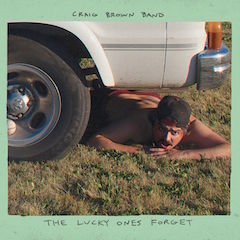 Can you share the story behind the album cover?
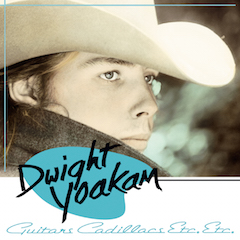 Guitars, Cadillacs, Etc., Etc. by Dwight Yoakam
 It’s a long way from Prince Edward Islands, Canada to Austin, Texas. But honky-tonkin’ chanteuse Whitney Rose has not only packed her boots and moved south, she’s managed to soak up huge slumps of her new home state’s rich musical culture and heritage.
 Congratulations with a new EP. What do we get and what’s it about?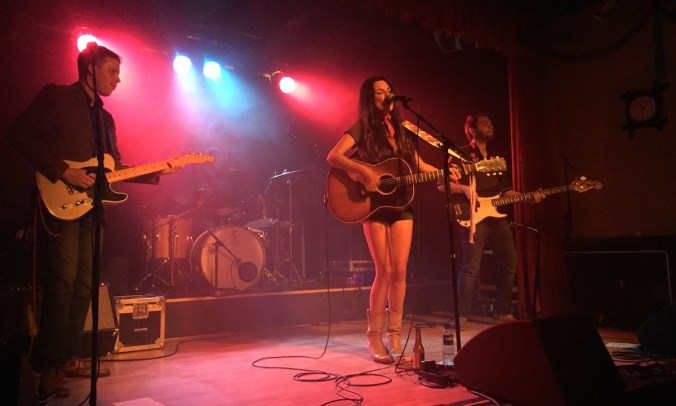
 The Weeks make energetic, back-to-basics southern rock. Comprised of identical twin brothers Cyle and Cain Barnes, Sam Williams and Damien Bone, the band grew up in Jackson, Mississippi and formed back in 2006 while attending high school. They quickly gained notice as bearers of the southern torch, making a seamless mix of contemporary southern swagger and modern indie, touring with the likes of Kings of Leon, North Mississippi Allstars and Meat Puppets while amassing a huge fan base.
 Congratulations on another great album. What do we get on Easy and what’s it about?
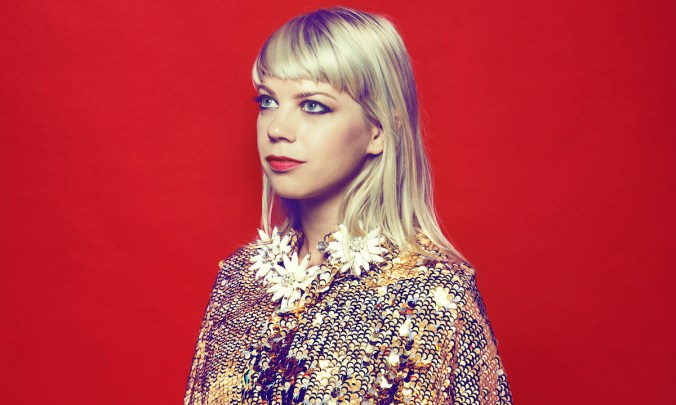 Canadian songbird Basia Bulat is back with her fourth album, Good Advice. Captured and produced by My Morning Jacket frontman Jim James in Louisville, Kentucky, it follows 2013’s highly-acclaimed Tall Tall Shadow and two years of touring with the likes of Sufjan Stevens, Daniel Lanois and Destroyer.




 Sam Outlaw might bear a name that conjures a gruff, bearded biker type à la Waylon & Willie.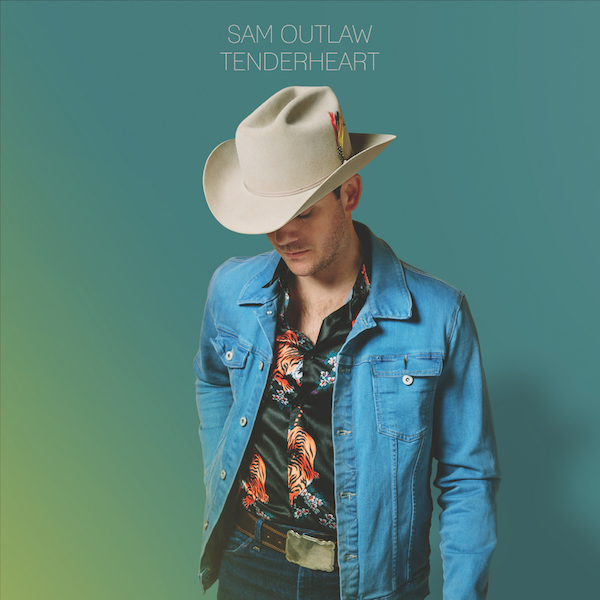
 No other region in the U.S. has a more distinct, mythical and complex narrative than the South, as masterfully told by William Faulkner or Flannery O’Connor, captured by Errol Morris (Vernon, Florida) or Robert Altman (Nashville), or more lately in the HBO series Quarry or the newly-acclaimed podcast S-Town.

 Producer Dave Cobb is the extraordinary genius behind some of the greatest country and Americana recordings over the last couple of years.


