Let me recommend two new gems for you, as a reminder of the vitality in today’s American indie-folk scene. Sadurn and Grumpy are obviously two very different bands, but with some common ground — somewhere at the crossroads of Wednesday, Big Thief and Merce Lemon.
Sadurn hails from the buzzing Philadelphia DIY scene, and I honestly first became aware of them last year when they did a very decent version of Jason Molina’s classic country ballad “The Old Black Hen.” And they have an album out, 2022’s Radiator, that I’ve only recently checked out. Sparse, intimate, and led by assured singer Genevieve DeGroot, “never tell me” is the second single from their forthcoming album, The Underworld. With a richer and more confident sound than before, this is yet another achingly gorgeous song from a band I have high hopes for in the years to come.
I’m embarrassed to say I’ve only recently discovered New York’s Grumpy, even though they’ve been around for a while now. Grumpy is centered around singer and songwriter Heaven Schmitt and, like Sadurn, are expanding into a deeper band sound than before. “OBL” is a catchy, slacker fuzz-pop-and-fiddle anthem, dealing with how to navigate as a trans band on the road — finding love and joy despite those who would rather not see them exist. Check out the rather telling music video as well.
Hollow Hand is the project of Brighton-based renaissance man Max Kinghorn-Mills, one of those rare artists who seems able to pick up any instrument and effortlessly move between styles. Rooted in the beautiful landscape of slacker Americana, breezy indie rock and melodic power pop, Hollow Hand should be an easy favorite for anyone craving a sweet spot between, say, The Beatles, Wilco and MJ Lenderman.
With his fourth album on the horizon, Hollow Hand deserves more attention. Especially on the strength of the new single “I Turned My Back on the World,” which has been on repeat for me many times a day all week.
It isn’t a revolutionary leap forward in songwriting. Just a gentle, musically rich song that arrives like an old friend on a warm summer’s day, inviting you to hum along long after the sun has disappeared below the horizon.
Do you believe in paradise? Do you think that heaven could be nice? Another picture of us Smiling in the Cornish wind Sitting on the beach again Help, it was so easy then
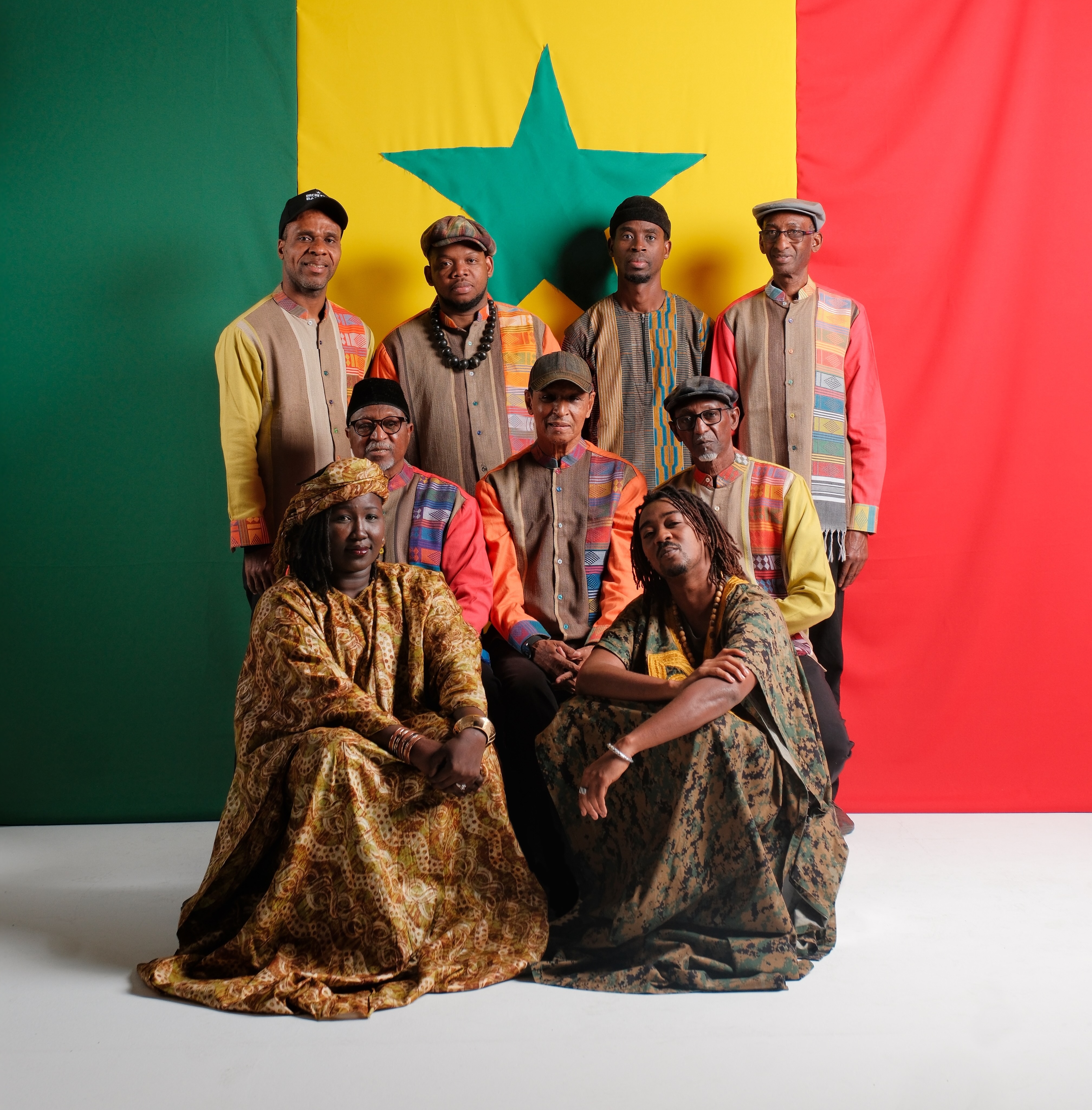
For more than 40 years, the beloved Orchestra Baobab has graced the world with their irresistible blend of Afro Cuban rhythms and Senegalese vocal traditions.
Their music is a vital example of “roots in reverse” — the journey of African music to the Americas through the slave trade, its transformation, and eventual return to Africa in new forms. Senegal was one of the key crossroads in this exchange. As Cuban music flowed through the port city of Dakar, Orchestra Baobab drew on both sides of the Atlantic, fusing rumba, son and Afro Cuban jazz with the griot traditions of Wolof and Mandinka culture.
A victim of shifting musical trends, the band disbanded in the late 1980s. Thanks in particular to Nick Gold and his World Circuit label, a new generation of music lovers discovered their brilliance, leading to a highly celebrated revival. More than five decades after their beginnings, the new single “Togne Bakhoul” — their first new music since 2017’s Tribute to Ndiouga Dieng — finds Orchestra Baobab doing what they have always done with perfection: making music that is timeless, joyous and effortlessly vital.
A new generation of singers and songwriters is emerging in the long shadow of Jason Molina. Rightfully so. I’ve long suspected that his legacy will outlast us all, securing his place among the great American storytellers.
It may be unfair to invoke his name when discussing these two bands – they’re definitely out on their own journeys – but both share some of his defining qualities and give me the same eerie shiver. Dogwood Tales, from Harrisonburg, Virginia, has been around for 10 years, though I knew little about them before. That’s about to change. “McMemories” shifts effortlessly between vulnerable pedal steel and diesel-fueled guitars, recalling the ragged grandeur of Magnolia Electric Co. while carrying some of the laconic charm of MJ Lenderman. It’s immediately captivating, a snapshot of small-town America filled with keen observations: “I had a dream that you were a light beam / coming down through the darkest night I’d ever seen.”
Oakland’s Credit Electric has also been crafting rustic Americana for about a decade. Along the way they’ve collaborated with artists such as Eric D. Johnson of Fruit Bats and producer Thom Monahan (Devendra Banhart, Vetiver and many more). Their new track, “we’ll laugh about it later,” is a slow burner where pedal steel and saxophone melt together beneath bandleader Ryan LoPilato’s sluggish vocals. A song that will creep under your skin and stay there.
Two gorgeous new songs. Or to paraphrase Molina, hymns that settle close to your ears.
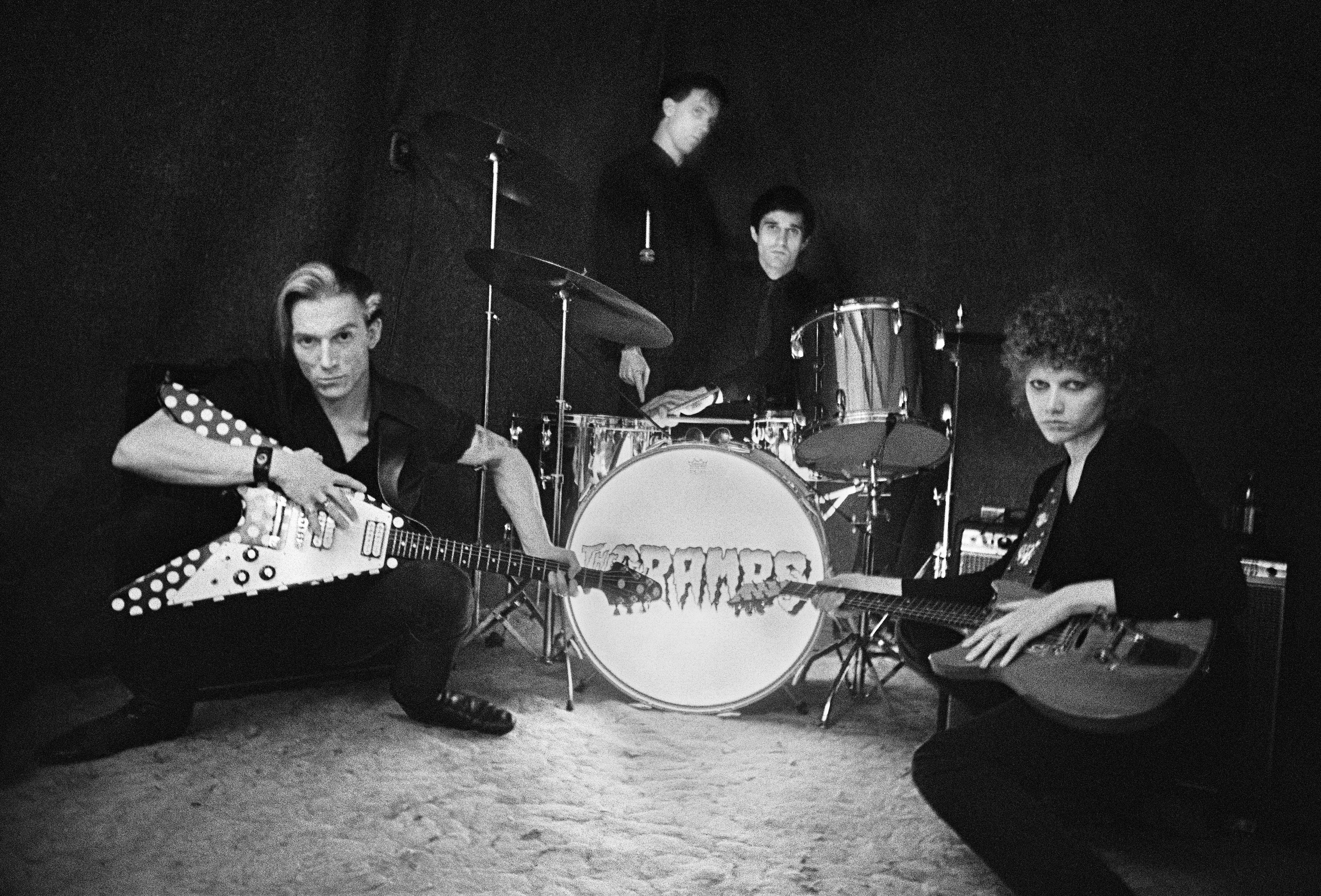
The Cramps flew into the gritty streets of New York City from their batcave in Akron, Ohio, in the mid-1970s and quickly became fixtures in what would evolve into one of the most vital rock scenes of the 20th century. The downtown circuit, including Ramones, Talking Heads, Blondie and Television, to mention a few, kicked off punk rock, post-punk, art rock and much more. The Cramps were the raw, primitive outsider weirdos of the bunch (alongside Suicide), raised on 1950s rockabilly, trash culture, B movies and obscure R&B singles. Front figures Poison Ivy and the late Lux Interior — arguably the coolest couple in rock’n’roll history, avid record collectors and tireless treasure hunters — created one of the most beloved cult bands of our time.
The Cramps met Memphis antihero Alex Chilton, of The Box Tops and Big Star fame, at a Village Gate gig in June of ’77. Chilton immediately dug the band, had close ties to his hometown’s Ardent Studios, and offered them studio time down South. In their biography, Journey to the Center of the Cramps, the band recalled the sessions with excitement: “It was great with him, because he was basically fucked up and getting loaded, falling asleep on the console.” The Cramps thrived under these conditions, and recorded a stack of cover songs alongside new originals including “Human Fly” and “The Mad Daddy.”
Some of the material surfaced on their 1979 debut EP Gravest Hits, while other tracks were shelved. Fast forward to the late 1980s, when Lux and Ivy revisited the 1977 recordings with plans to put it all out on an album called Gravest Gravy. Working alongside Chilton, they pieced the sessions together, but for reasons unknown the project was ultimately abandoned. Until now. With support from punk icons Ian MacKaye and Henry Rollins, Gravest Gravy is finally emerging from the same shadows The Cramps first crawled out of 50 years ago. “TV Set” is out now and sounds better and more primal than ever.
When the Pennsylvania-based alt-rock legends called on the session players of Nashville, it blurred the line between heartfelt tribute and affectionate parody.
Ween was something else. They always were. Non-brothers Dean and Gene Ween (Mickey Melchiondo and Aaron Freeman) built a career on being impossible to predict, jumping effortlessly between genres while somehow making every stylistic detour sound unmistakably … like Ween.
Their catalog is eclectic by default, stretching from homemade stoner tapes as teens in New Hope, Pennsylvania, to wildly ambitious albums that sound like they managed to cram their entire record collection (they are obsessive collectors) into one single release.
They made versatility an art form. Which is why 12 Golden Country Greats released 30 years ago and set for a wide-ranging reissue on July 31 (remastered, outtakes, demos), remains such a fascinating album. On paper, it sounds like a foolish concept to head down to Nashville to make a traditional country record. But it turned out to be their most coherent and fully accomplished one. An anomaly in their discography.
Everything about 12 Golden Country Greats embraces classic country. Chuck DeHaan’s striking cover painting, entitled “Cattle Call,” resembles a Tex Ritter or Sons of the Pioneers LP from the ’50s. The music runs a lean ten songs in just a half an hour (hilariously enough, despite the title’s promise), echoing the concise format of vintage country albums. It draws from honky-tonk, Western swing and countrypolitan with remarkable authenticity, blurring the line between heartfelt tribute and affectionate parody.
And it sounds incredible.
Producer Ben Vaughn assembled an extraordinary cast of Nashville session musicians, convincing legends like Charlie McCoy, Pig Robbins, Buddy Spicher, Bobby Ogdin, Bob Wray and even The Jordanaires to take part. Collectively dubbed the Shit Creek Boys, they gave a master class in musicianship. Vaughn realized there was little point in having Ween play the instrumental tracks at all — these seasoned veterans could do it better, anyways, in true old-school Nashville fashion.
Dean and Gene came in at a later stage to mostly add vocals and some not-so-traditional lyrics. Songs like “Help Me Scrape the Mucus Off My Brain” and “Piss Up a Rope” make it abundantly clear that Ween had no interest in writing a one-hundred-percent conventional country album. Their lyrics remain mischievous and sometimes deliberately provocative. Some undoubtedly feel more uncomfortable today than they did in ’96, reflecting the era they came from. But Ween’s provocations rarely came from malice. They thrived on poking fun at nearly everyone and everything, including themselves.
That balance is what makes 12 Golden Country Greats endure. The joke is never on country music itself. Beneath the tongue-in-cheek humor lies a genuine love for, and deep understanding of, the genre and its history. Strip away the sometimes eccentric and outrageous lyrics and you’re left with an impeccably played country record that could stand proudly alongside many of its influences. A set of songs that sounds as timeless today as in 1996 (or 1956 for that matter).
Perhaps that’s Ween’s greatest trick: Making it impossible to separate passion from pastiche. With 12 Golden Country Greats, they certainly succeed.
(Originally published in Tidal magazine, July 17 2026)
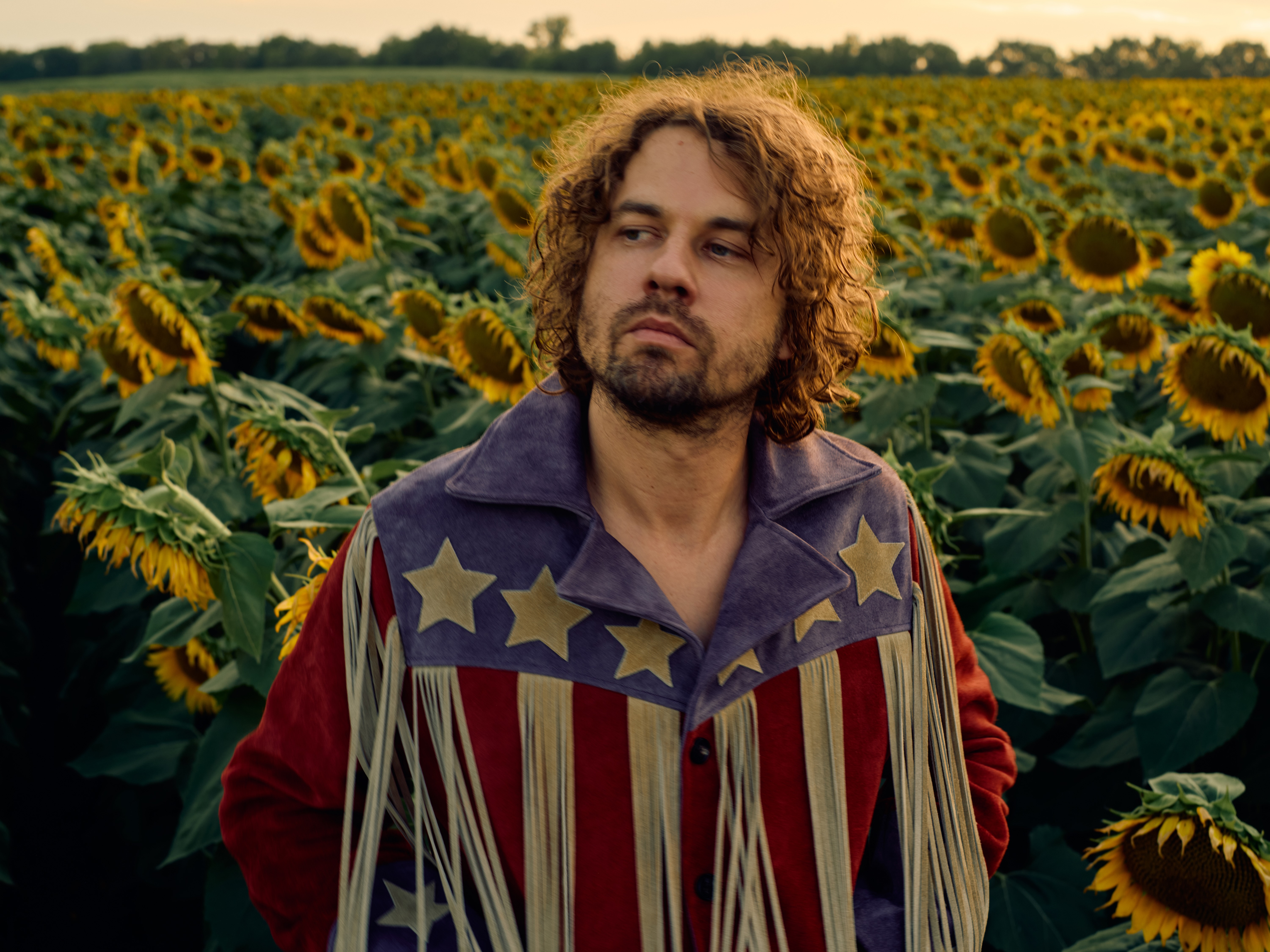
His recently released eighth solo album, Little Wide Open, is said to complete an “unintentional trilogy” (per a press release) about his vision of the Midwest — for the past decade, he’s once again been a resident of Kansas City. (The other albums in the trilogy are Sundowner and This Is a Photograph.)
Little Wide Open, produced by The National’s Aaron Dessner and featuring Bon Iver, Lucinda Williams and many more, finds Morby at his most accessible and forthright, with some of his finest songs to date (“Cowtown,” “Bible Belt,” “Dandelion”). Best of them all is “100,000,” an epic road trip through the forgotten towns and endless roads of the Midwest.
According to Morby’s Substack, his aim “was to have the feeling of being in a car on a highway that’s gradually gaining speed, going faster and faster, until it flies off a cliff.” The track builds from humble beginnings toward an epic finale, accelerating through vivid snapshots of the region. It reminds me a little of Harmony Korine’s tales from Xenia, Ohio, in Gummo, populated by “pretty girls / pretty sisters / twirling batons / blowing penny whistles” and “ugly boys / ugly brothers / die for your country / or one another / muscle cars / in the front yard / Master of Puppets / and Kill ’Em All.” As Morby continues rolling down the road, he zooms out on “100,000 people / 100,000 lives / 100,000 teardrops / right behind their eyes / 100,000 corpses / all sleeping in their beds.”
For Lubbock, Texas-born Morby, this is not just about being an outsider looking in. This is his homeland. He writes, “I like to walk the desolate mainstrips and sit at bars and people watch and go on runs through the quiet neighborhoods that almost always stereotypically end up running alongside some train tracks. Salina, Kansas, Odessa and Amarillo, Texas, Jonesboro, Arkansas, etc. God bless you all. The glue that binds this crazy fucked up country together.”
Kevin Morby might envision the song flying off a cliff, but to my ears he’s soaring into the great wide open.
Chicago’s Eleventh Dream Day has remained one of the very finest guitar bands since the early 1980s, seemingly incapable of delivering a half-baked album since their landmark 1988 debut, Prairie School Freakout. In their early days, they managed to secure a major label deal with Atlantic, dropping some of their finest work with 1989’s Beet, 1991’s Lived to Tell and 1993’s El Moodio, with the middle child now finally back in the digital archives.
According to my vinyl copy, it was recorded “in a tobacco barn on the Niland’s farm in Cub Run, Kentucky,” with the core quartet of founding members Rick Rizzo and Janet Beveridge Bean plus guitarist Baird Figi and bassist Doug McCombs (also of Tortoise fame). This new edition has been given a remastered overhaul along with a couple newly added songs.
Eleventh Dream Day created a monster of an album where ferocious guitar rock collided with ramshackle cowpunk, neatly held together by the irresistible vocal harmonies of Rizzo and Bean — think John Doe and Exene Cervenka of X. There’s a blistering, untamed energy hovering over the LP, perfectly exemplified by one of several standouts, “It’s Not My World.”
Lived to Tell tanked at the time, but some bands are more concerned about crafting timeless pieces of art, and this album remains vital today. In a fair world, Eleventh Dream Day would be superstars.
This reissue is a perfect opportunity to discover their greatness.
For 40 years, Kurt Wagner and his revolving cast of characters, Lambchop, have constantly reimagined the great American songbook from their Nashville home base. They have always been a band fluctuating between different genres and styles — from minimalist to orchestral, folk roots to experimental sounds — touching on lo-fi, soul, post-rock and much more along the way.
Now, Lambchop just announced their 17th album, Punching the Clown, with the single “Weakened.” The song hints towards a more stripped-down approach this time, centered around Wagner’s tender voice, Bon Iver’s Justin Vernon on banjo, and a gospel-leaning choir. In the press release, Wagner adds some context:
in early 2024 i heard a song on the radio on my way to get some gas. just a minimal single chord strummed banjo and a small group of voices. it seemed perfect in the moment as the moment became perfect in itself. i never found out who it was, sounded kinda like early country gospel? … i wanted to make a record that emulated this kind of music.
Needless to say, they will succeed on their mission and it will be perfect.
One of my favorite paintings is Christina’s World (check it out at MoMA if you can!), depicting a young woman in a field, her body twisted by a muscular condition, crawling towards — or perhaps just gazing at — a farmhouse in the distance. It’s a quiet, beautiful, unsettling image, evoking longing and loneliness, struggle and resilience.
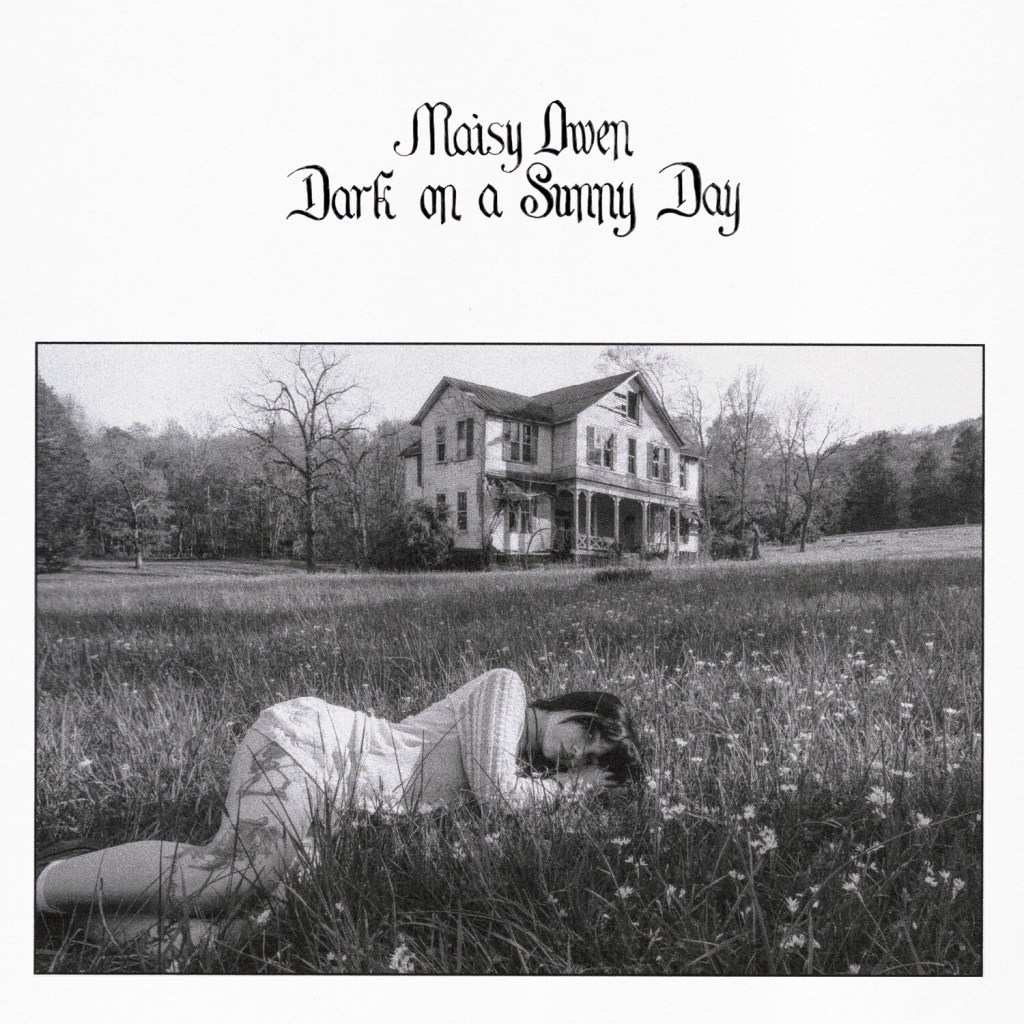
Some of those same qualities can be used to describe “Dark on a Sunny Day,” the title track of Maisy Owen’s forthcoming debut. Whether coincidental or not, the cover art bears a resemblance to Andrew Wyeth’s 1948 painting. And it too leaves us with some questions, though Owen’s figure is not plagued by illness and appears more at ease and inviting. Resting against the house, she looks directly at us — the listener.
Maisy Owen is a young singer-songwriter from Nashville, rooted in a tradition mapped out by artists like Nick Drake, Bert Jansch, Bridget St John and Vashti Bunyan. It’s fair to say that sparse, fingerpicked folk music is her home base, though it feels like this is the sound of an artist in the making. She’s clearly carving out her own path, and one that will be interesting to follow.
“Dark on a Sunny Day” has evolved over recent months (based on earlier YouTube clips) into an electric, steady, minimalistic band-driven piece, underpinning Owen’s angelic whispers and haunting poetry. It’s all wonderfully assembled, the sound of a magnetic new voice for tomorrow echoing the hopes and struggles of that painting. This is Maisy’s world.