Los Angeles-based singer/songwriter Suzanne Santo, better known as one half of Americana duo HONEYHONEY, released her solo debut, the Butch Walker-produced Ruby Red on August 11th.
Santo and Walker, the latter of whom has worked with the likes of P!nk, Carly Rae Jepsen, Keith Urban, Frank Turner and more, first worked together on Walker’s 2016 album Stay Gold, around the time when Suzanne Santo started to explore her own identity, ignore genre boundaries and defy expectations. “He facilitates a great time and an artistic environment that orbits solely around what’s best for the song, which is so rare in a business full of egos,” Santo says of Walker. “Butch and this environment liberated and enabled me to work in a way that I never knew I was capable of.”
On her own, she delved into a new type of songwriting inspired by, amongst others, Erykah Badu, Alabama Shakes and David Bowie – one that Walker is most fond of. “This record is so fucking sexy, I can’t deal,” Walker says of Ruby Red. “Put it on and turn out the lights.”
Ruby Red deals with love, life and lust in the modern world, unveiling an eclectic fashion ranging from Southern gothic to slow-burning soul and pop noir. Make sure to give this wonderful album some spins, and also check out her killer playlist made exclusively for TIDAL, including comments on each track.
Emily King: “Distance”
When I first heard this song, I felt like crying and dancing, and I did just that.
Jake Bugg: “Simple As This”
About five years ago, my band HONEYHONEY opened for Jake for about three months. I watched his set almost every night and never got sick of it. This song is one of my favorites.
The Be Good Tanyas: “Out of the Wilderness”
I love this band so much. I saw them play at the El Rey Theater in LA over 10 years ago and stood in the crowd loving them so much and wanting so badly to be on that stage one day. I couldn’t help but felt their presence when HONEYHONEY had our record release for our 3rd album at the El Rey.
Margaret Glaspy: “You And I”
It is very difficult to pick just one song off Maragret’s last record as they’re all SO DAMN GOOD. This song especially, is the titties.
Beck: “Guess I’m Doin Fine”
Had to throw this heartbreaker in there… Oh life!
Alabama Shakes: “Dunes”
The first time I heard this song I listened to it like 8 times in a row. I think this record is one in a million. I listen to this as much as I listen to Ziggy Stardust.
Erykah Badu: “Kiss Me On My Neck”
I love how fucking brave Erykah Badu is. She inspires me so much.
Cary Ann Hearst: “Hell’s Bells”
By far, one of my favorite voices out there. When coming up with my idea board for my new record produced by Butch Walker, I referenced this song for inspiration and he said “Ummm, I produced that record.” I’ll call that a win right there.
Led Zeppelin: “In My Time of Dying”
What is there to say other than this is all you need for optimum rocking capacity.
White Stripes: “Icky Thump”
Straight rock.
Band of Skulls: “Light Of The Morning”
Straight rock again….
Blitzen Trapper: “Black River Killer”
An old boyfriend turned me on to this band. The relationship didn’t last, but the rock lives on.
Old Crow Medicine Show: “Don’t Ride That Horse”
I love this band and used to work at a BBQ restaurant in LA and listen to this record on repeat. Coincidentally I’m touring with Willie Watson from Old Crow this fall and am STOKED about it.
Dan Wilson is a gray eminence looming in the shadows of the glamorous world of pop music. His career spans back to the late 1980s and leads up to critically-acclaimed and commercially successful songwriter and production credits for artists like Adele, Dixie Chicks, Chris Stapleton, John Legend, Dierks Bentley, P!nk, Taylor Swift and many others. He’s received a couple of Grammys on his way, but even though he’s highly cherished, he’s still an unknown name to broader audiences.
Wilson started out as a member of the alternative Minneapolis outfit Trip Shakespeare, led by his brother Matt, who released a number of great (and sadly overlooked) albums in the late 1980s and early 1990s (including gems like 1988’s Are You Shakespearienced? and 1990’s Across the Universe). While Trip Shakespeare was a pioneer band in the alternative ‘90s boom, his next band, Semisonic, turned out as a more commercially appealing act of its decade. The band is still mostly known for their major breakthrough single “Closing Time” from their charting 1998 album, Feeling Strangely Fine.
Semisonic demised in the early 2000s, but Dan Wilson has continued to craft great tunes both as a solo artist and working with others. He has become a highly sought-after songwriting collaborator. Mainly known for Grammy award winning “Not Ready to Make Nice” (co-written with Dixie Chicks) and “Someone Like You” (co-written with Adele), he also co-wrote nine songs on Phantogram’s album, Three.
Dan Wilson has also released a couple of wonderful solo albums. Love Without Fear (2014) is a particularly lovely and eclectic collection of songs, backed by folks like Blake Mills, Nickel Creek’s Sean Watkins and Dixie Chick Natalie Maines. His upcoming solo album, Re-Covered, is a collection of his reinterpretations of songs he wrote for and with other artists and will be released on August 4, 2017.
We invited Dan Wilson to share his list of 5 Albums That Changed His Life.
“I came of age musically in the ’70s, a great time for albums,” Wilson tells us. “Recording artists aspired to make great LPs, and listeners devoted the time to get immersed in them. Unlike now, at that time, it was commonly agreed that albums were among the highest forms of popular art — movies, paintings, albums. Singles were cool, but the real question was, ‘Can they make the great long playing record?’”
“So as a music lover and aspiring musician, I grew up dreaming of making albums as great as the ones that moved me and transported me to new places,” Wilson continues. “As Stevie Wonder said, ‘To the vision in my mind.’ I could probably make a ’Five Albums That Changed My Life’ list for every decade since 1970; there have been so many. But this list concentrates on early days and albums that set me on my path as a songwriter.”
Bob Dylan: The Times They Are A-Changin’
When I was in junior high school, I lived in a western suburb of Minneapolis called St. Louis Park. The route of the number 17 bus ran past both my high school and my house on its way uptown and then to downtown Minneapolis. It was about 25 minutes from my house to the Walker Library uptown. Walker Library had a collection of popular LPs, which you could listen to there or borrow. I was mostly interested in their Bob Dylan section. They had The Times They Are A-Changing, Bringing it All Back Home, John Wesley Harding and a bunch of other Dylan albums, and I listened to them all. But the one I kept going back to was The Times They Are A-Changing.
[The album] was so apocalyptic and prophetic. Dylan’s voice was resonant but calm, and he still managed to sound like a lone voice of rage on a mountaintop, heralding the doom of mankind. He made all the other singers seem soft and syrupy. The album had my favorite two sides of Bob Dylan, the romantic croon and the howl of outrage, but it leaned heavy on the latter: “Hollis Brown,” about a poor farmer murdering his starving family, “The Lonesome Death of Hattie Carroll,” “Only a Pawn in their Game” and the title song, one of my favorite songs ever. And on the crooner side, there was “Boots of Spanish Leather,” which still slays me.
Joni Mitchell: Hejira
I had heard a few of Joni Mitchell’s folk hits — “Both Sides Now” and “The Circle Game,” among others — when this album hit me like the number 17 bus. It wasn’t a folk album. Not even close. If anything, it was a rock album hybridized with jazz. I was already getting into jazz through Weather Report. That band’s bassist, Jaco Pastorius, affected me in the way I imagine Jimi Hendrix might have affected young musicians ten years earlier. And Jaco played on several of Hejira’s songs. His electric bass a liquid and bittersweet countermelodic voice to Joni’s wry and pitiless revelations. As she laid bare her own hypocrisies and fears, his bass flew up above her voice and cast a golden glow of hope on the songs. And she gave that bass all the room in the world. It was the best of jazz and pop in one record and I’ve never quite shaken the spell.
Stevie Wonder: Fulfillingness’ First Finale
I could do a “Five Albums that Changed My Life” with all Stevie albums. This album was the biggest revelation of them all. I first heard Fulfillingness’ First Finale in the basement of a friend. He played me the song “Heaven is 10 Zillion Light Years Away,” and it blew my mind. A pop song about God, religion, mankind’s fate, hope. It was almost too huge for me to take in and so very beautiful. This album also had fiery political protest: “You Haven’t Done Nothin’;” sexy love: “Creepin’;” breaking up: “It Ain’t No Use;” and the darkness of “They Won’t Go When I Go.” It had everything, a whole world in ten songs.
Liz Phair: Exile in Guyville
In 1991, I was trying to figure out how to write songs about my own life, my circle of friends, my small adventures and large-scale dreams in Minneapolis. My friends and rivals in the band scene seemed like enough of a cast of characters for a song, but I wasn’t sure how to write it. So when Exile in Guyville came along, it was doubly funny and joyful for me. First, even though she was writing about the scene in Chicago, it might as well have been my friends she was skewering for their contradictions and covertly retro values. I recognized those people and laughed along with Phair’s ultra-frank narrator. And second, she was showing me, through the example of this album, how one’s own circle of friends and lovers could be more than enough to populate a lifetime’s worth of songs.
Oasis: (What’s the Story) Morning Glory?
“Live Forever,” from Oasis’ first album Definitely Maybe, was already enough to put that band’s songwriter Noel Gallagher into my personal pantheon of rock. But Morning Glory took it to the next level. “Some Might Say,” “Champagne Supernova,” “Wonderwall,” and “Don’t Look Back in Anger” were all first-listen classics to my ears, and they’re still shockingly fresh and alive. How much nonsense can you pack into a song and still have it make perfect sense? How little heavy metal can you include in a song and still have it rock? How much hopeful uplift can shine around the snarl of dimed Marshall stacks? When that album came out, I felt a rush of permission. You could make great rock records without being able to sing like Chris Cornell or Layne Staley. What a relief! Not that I sounded much like Liam Gallagher either when I sang, but on a good day, I could keep pace with his brother, Noel.
When BBC Radio 6, the British channel for cutting edge music, recently celebrated the best music of 2017 so far by showcasing 20 essential albums, it was no surprise to see Jane Weaver’s Modern Kosmology prominently placed on the list. Described as an album that “masterfully darts from avant-pop to euphoric kraut via what can be best described as psychy party music,” the listing is just another addition to what has become one of this year’s universally critically lauded albums, and will more than likely appear on numerous year-end lists in six months’ time.
Modern Kosmology is Jane Weaver’s eight full-length as a solo artist, but despite her voluminous creative output and strong critical standing, she’s still considered mostly as an unknown star outside of a circle of devoted music lovers. Weaver’s career is actually traceable back to the early 1990s to indie/folktronica bands Kill Laura and Misty Dixon. When the former demised towards the end of the decade, Weaver began working under her own name, quickly establishing her identity and unique voice (as heard when Coldplay sampled her on their “Another’s Arms” for Ghost Stories), but she never kept in one particular direction. Rather, she’s always been eager to experiment with new sounds, including psychedelic folk, synth-pop, library music, experimental avant-garde and beyond, finding a near perfect balance between pastoral bliss and retro-futuristic electronica on more recent albums like The Silver Globe (2014) and this year’s Modern Kosmology.
Modern Kosmology is a mesmerizing listening experience. Rarely can an album capture such a musical breadth and emotional depth. Mojo magazine compared her kraut-ish repetition, analogue synths and beguiling vocal melodies to Hawkwind, Sandy Denny, Neu! and Velvet Underground, but added that “in lesser hands, such building-blocks might suggest hipster tedium of the kind that now clogs up so many record racks. Weaver is light years beyond that, using motorik rhythms and ancient technology to create music that brims with urgency, and originality.”
We asked Jane Weaver to write about five albums that touched her life and music. It’s wonderful read that helps fills the puzzle that is the musical enigma of Jane Weaver.
* * *
Kate Bush: The Kick Inside
I was 5 or 6 when I first saw Kate Bush on TV. I’d never been so captivated by a singer before; her originality struck me like a bolt of lightning and it was at this precise moment I said to myself, “This is what I want to do! I want to be her!” I spent a lot of time dancing around the living room with Kate Bush on TV, and my parents bought me The Kick Inside for Christmas on tape. It’s such a strange record: mystical, mature and musically expansive in sound. I would listen to pop music primarily, and disco (around that time I was also in love with the Bee Gees), but this was different, more other worldly; a mixture of fairy tale and melody. I love the whole story of the record, it’s such a joy to me that David Gilmour from Pink Floyd was instrumental in her success and gave her a chance, and that serendipity played a part in her music being heard, because he was on downtime between albums and tours, which led to her being signed by EMI. The string arrangements and production is pretty sublime, the words are evocative and sensual, although I didn’t obviously understand what she was alluding to at the time. I can barely believe she was so young.
Hawkwind: Church of Hawkwind
I grew up in a small industrial town between Liverpool and Manchester. As a teenager my friends and I started hanging around with bikers and hippies, anyone who looked a bit different and was into music and counterculture. This record for me represents this time… me as a 17-year-old hanging around in someones flat, having fun, spending time listening to lots of rock albums and psychedelic stuff I’d never heard of, like Gong and The Pink Fairies. There was also the [Windsor] Free Festival scene, which Hawkwind were pioneers of. I knew Hawkwind’s more popular stuff, but this record represents a musical awakening, not only because of some of the expansive sound, production-wise – its the perfect three-way marriage of rock, krautrock and electronic – but there’s also TV commentary of the shooting of Lee Harvey Oswald – so it’s a rich soup!
I think Dave Brock is an absolute legend. as a songwriter and producer. I think this record shows how good he is. It’s really experimental, but melodic too. I sampled “Star Cannibal” as the backing for “Electric Mountain” on my last album. I was able to forge a new pop melody on top of it; the music is such a great loop, I had to ring Dave and ask him for permission. He was cool about it, which I was glad about because it was important for me to have his blessing. I think most artists who have historical record deals and publishing are flexible about sampling, but the red tape involved can be ludicrous. Publishers are sometimes renowned for wanting to charge ridiculous “corporate” usage fees, even on an indie release, so it was a nerve wracking time. If I can share some of the joy that Church of Hawkwind gives me to other people then I’m happy.
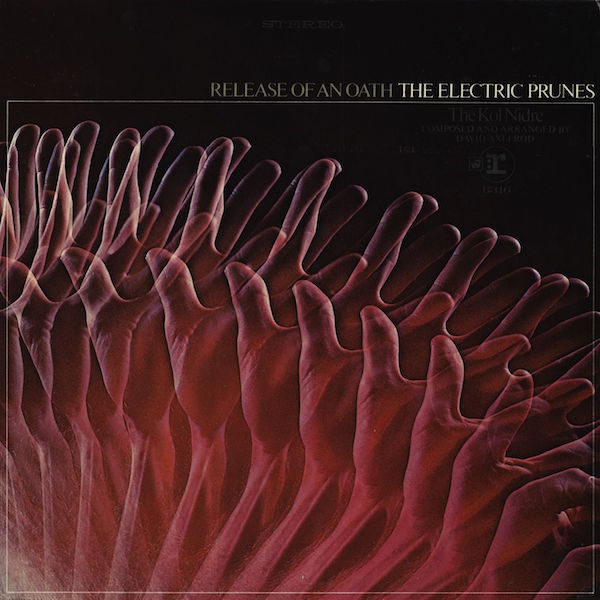
The Electric Prunes: Release of an Oath
I didn’t really know much about this album, other than hearing “Holy Are You” as the lead track, and being a fan of David Axelrod. I love “Earth Rot” and the tape echo female vocal on the warnings, for instance. I love the sleeve and it’s been in the house for years.
This record gives me the shivers and makes my feel like crying (in a good way). It’s as if it’s so evocative it belongs to some higher astral plane. It’s connective and spiritual in equal measure; it’s almost not enough but when you hear some of the string arrangements it makes you want to burst. I have no idea about Axelrod’s spiritual beliefs but as a raised Catholic it has the powerful nostalgia and presence of choraled church vocals and brooding emotive passages like the crescendo of a hymn.
My string reference points are normally Axelrod and [French composer] Jean Claude Vannier; I think those are probably the best. Production-wise this has clarity, but also seems unstructured – for instance if you listen to the drums, they sound like the patterns change within the song like someone is still working it out – and yet it’s totally perfect. The fuzz guitar lines and bass sound; sonically there’s a definite link for me when it comes to Vannier and Axelrod. Maybe it’s because it’s got everything I love about the beginnings of symphonic rock, and I never tire of it.
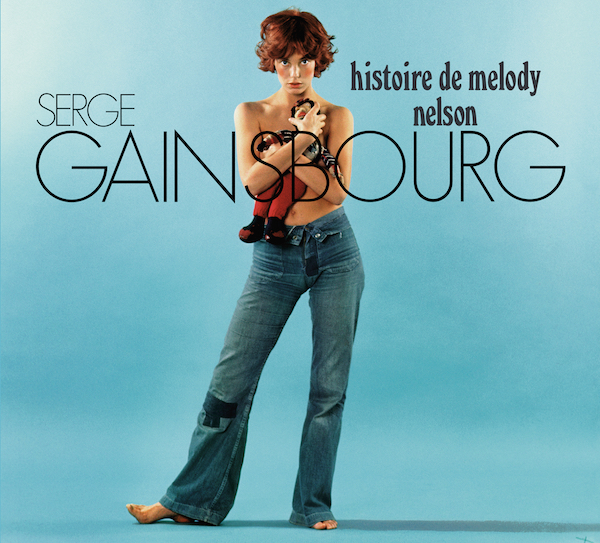
Serge Gainsbourg: Histoire de Melody Nelson
It’s a record that everyone nods to as a masterpiece. When it was initially released it took a while to gain momentum, but it’s now regarded as a cult classic. Although the subject matter is provocative and uncomfortable (in the book Melody Nelson by Gainsbourg he is obsessed with an underage girl, played by his then-girlfriend Jane Birkin) music-wise it’s Jean Claude Vannier and Serge Gainsbourg at their best. Gainsbourg’s reputation outside of France was based on his pop hits, not much was known about his artistic genius as an innovative songwriter and lyricist. His delivery always so matter of fact… part narration, part melody.
The beauty of “Ah Melody” when it starts and then the groove of the bass and drums, and then later “En Melody” is so original, there’s almost too many good points. My only complaint is that, its all just not long enough. It’s like these amazing snippets of perfection that make you sad when they finish, but maybe that’s why its so good.
Some years ago now, I was lucky enough to see Jean Claude Vannier perform these songs with some of the original and associated library musicians at The Barbican in the UK and The Hollywood Bowl. It was an emotional experience, a testament to its genius.
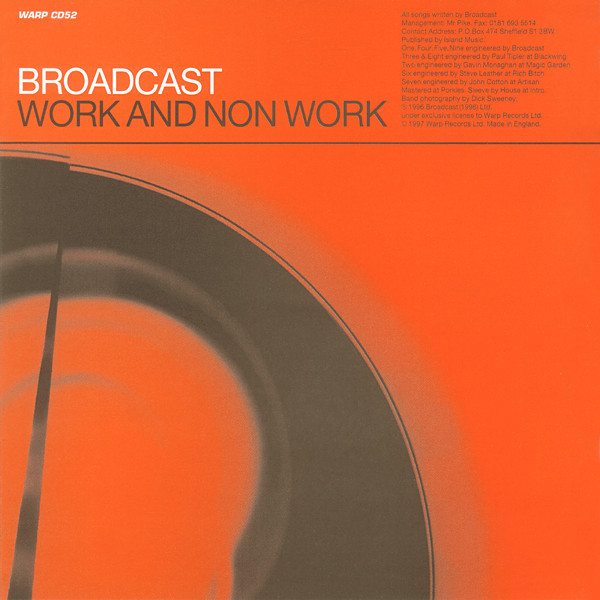
Broadcast: Work and Non-work
Even though this is a compilation of early singles, it was the first Broadcast “album” I heard and loved. Its a mixture of melancholy and joy for me. When I first heard it I was going through a breakup and then realized that my newfound freedom was to be short-lived, as I fell for someone else. It’s funny, when you are emotionally charged, how you interpret lyrics, and I was lucky that [singer Trish Keenan’s] poetry found me.
Initially I didn’t realize it was a modern record because the instrumentation sounded to me like Silver Apples or 50 Foot Hose. The drum pattern rolls and electronics but vocal-wise always so melodic. Even when Trish is sounding sad it’s uplifting because she has the gift of drawing you into her voice and story.
I was pretty devastated when she passed away; such a tragedy. Broadcast’s music still gives me so much joy, and later albums prove the weight of their artistry and writing, how they were flourishing sonically and becoming more expansive, but this is the one that initially stopped me in my tracks.
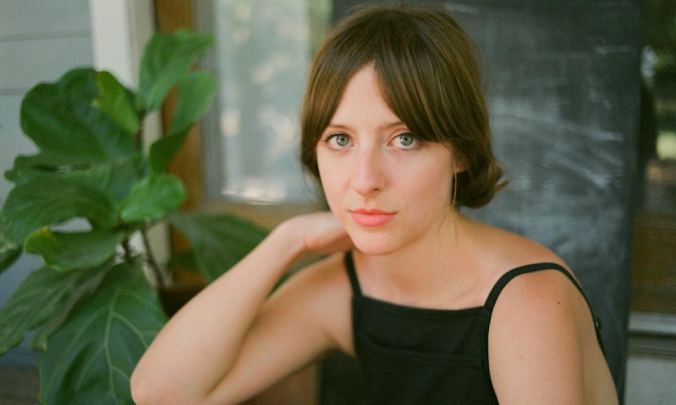
Originally hailing from Los Angeles, California, Molly Burch is an undeniable talent on the rise. Following in the aesthetic footsteps of Dusty Springfield and Patsy Cline, the singer-songwriter relocated from L.A. to Asheville, NC, before settling in her current base of Austin.
You can hear each of those places in her wistful sound, which sports the sort of melancholic, down-and-out twang so often associated with the best of the old school country’s more emotionally affecting offerings. That much is perfectly manifested on the somber and smoky A/B singles “Downhearted” and “I Adore You,” her debut releases on the venerable indie label Captured Tracks.
* * *
Who is Molly Burch? Can you please introduce yourself?
I am a singer and songwriter living in Austin, TX, originally from Los Angeles. I’m 25 years old and a Scorpio.
Tell us a little about your recent single release. What do we get?
I was signed to Captured Tracks this year and in September they released my 7’’ record which featured two of my songs — both love songs. “Downhearted” is more upbeat and “I Adore You” is a slow ballad. You get 10 minutes of fun, romantic melancholy.
Who were your musical heroes growing up?
My main musical heroes were Nina Simone, Lauryn Hill and Billie Holiday.
When and how did you first get into music?
I always loved to sing but was very shy. I didn’t start writing music until college. The first times that I sang in front of others were semi-forced requests of Britney and Christina impersonations during lunch in middle school. I realized how much I liked performing, but it definitely took me a bit to gain confidence and find my own voice. I will still do Christina on request.
Name an album, artist or experience that changed your perspective on music?
First Take by Roberta Flack was one of the first albums I owned and I remember listening to “I Told Jesus” on repeat. It had a strong impact on my personal style and how I viewed vocalists and general musicality.
What’s the best new song you recently discovered?
“Read U Wrote U” by RuPaul featuring the Cast of RuPaul’s Drag Race All Stars 2.
Can you share a fun fact about you or your music?
I was born on 10/23 at 10:23 a.m.! Is that fun?
What’s your favorite activity besides music?
Any activity that I can do at home in my nightgown is my favorite.
What’s coming next for you?
My debut full-length album will be released in early 2017 via Captured Tracks! I’m extremely excited and grateful to them.
Looking one year ahead, where would you like to see yourself?
I would love to be touring a lot.
And finally, if your music was a food what would it be? Please describe.
My music would be hot chocolate, because it’s comforting and dreamy but could also make you think of past loves.
Bjørn Hammershaug (originally published on read.tidal, October 20, 2016)
Boston was a pivotal nerve center for Eastern seaboard punk and hardcore in the early 1980s. A tight-knit musical community of often politically charged bands on either side of hard drinking or straight edge, commonly bonded by intensity and violence, Boston hardcore breathed through the city’s various college radio stations, Newbury Comics and the whole fanzine culture.
The scene also enjoyed the luxury of dedicated local record labels, in particular Taang!, that paved way for the alternative music boom to come. The hardcore scene waned within a few years, but the cultural impact it made is far more everlasting, and Boston had by then established a well-oiled infrastructure for fostering underground music. Taang! also gradually evolved beyond its hardcore roots, releasing hometown alternative pioneers like The Lemonheads, Moving Targets and Swirlies.
Another crucial point of interest in the growth of New England’s alternative sound was Boston recording studio Fort Apache, which housed seminal bands like Pixies, Throwing Muses, Belly, Dinosaur Jr., Bullet LaVolta, Sebadoh, Blake Babies and literal thousands more over the years. This further fortified Boston as one of the major ports of emerging indie rock of the 1980s and 1990s, continuously being fed each year by new hordes of students and local kids, including Bill Janovitz.
In 1982, at the age of 16, Bill and his family relocated from Long Island to Massachusetts. The move brought the aspiring musician straight into a honey bucket of independent creativity and vibrant teen spirit. Janovitz soon discovered usual suspects like Black Flag and the Replacements, who roamed across America and played every town and every club at the time. Attending the post-punk breeding ground of UMass Amherst, he met up with soon to be bandmates Chris Colbourn (bass) and drummer Tom Maginnis, and also befriended J Mascis of Dinosaur Jr., who later became an important patron of the band soon to be baptized Buffalo Tom.
Their eponymous 1989 debut album, Buffalo Tom, recorded by Mascis at Fort Apache, introduced us to a band peppered with teen angst and a knack for loud, distorted walls of guitars that couldn’t quite hide an obvious flair for pop hooks underneath it all. Propelled by the lead single “Sunflower Suit,” a regular at MTV’s 120 Minutes back in the days, the debut established the band as immediate indie darlings.
But Buffalo Tom soon replaced the charming ramshackle noisefest in favor for a more coherent slacker sound on their 1990 sophomore effort, Birdbrain, gradually leading up to the power trio’s classic mid period, defined by the critically acclaimed albums Let Me Come Over (1992), Big Red Letter Day (1993) and Sleepy Eyed (1995).
The remarkably steady line-up has continued to release quality albums up to the present, albeit at a slower pace than the years of their youth. Without ever losing their initial spirit, later albums like Three Easy Pieces (2007) and Skins (2011) are characterized by as always-intelligent songwriting, thoughtful and mature without ever losing their biting edge. Buffalo Tom has always balanced on this thin line, between gorgeous melancholy, in-your-face quiet-loud dynamics, jangly post-punk and arena sized anthems.
Of all the albums in their consistently strong catalog, Let Me Come Over holds a special place amongst many of their fans. Celebrating the record’s 25th anniversary this year, it is a flawless tour de force of poignant songwriting, packed with hook-laden, angst-ridden anthems like “Taillights Fade,” “Velvet Roof,” “Porchlight” and “Mineral.” In a fair world, Let Me Come Over would have secured Buffalo Tom among the stars.
And of course, they lived through an exciting time of alternative American guitar rock, witnessing firsthand the insanity of the Nevermind-fueled craze of major label deals, radio airplay and TV-appearances. Buffalo Tom surely benefited from this boom, but they never received their deserved mainstream recognition.
In a recent interview with Stereogum, Bill Janovitz wisely reflects on their lack of commercial success: “I can give you theories why I think we weren’t bigger. I think our lyrics are opaque, but we’re not like Pavement with opaque music. A lot of our music was very emotional, but it wasn’t really direct songwriting. There really wasn’t a compelling frontman. It was faceless and nerdy, but not ‘nerdy cool,’ like Weezer. It was a bunch of things that were never quite right. I wish I could blame a press agent or a manager or a label. But I think we were given an ample shot.”
But time might still be on their side. While a huge lump of their peers has fallen back to obscurity, Buffalo Tom still shines as a beacon of guitar rock. Their timelessly crafted songs have never been in style – and they’ve never gone out of style. BBC praised its songs as “a deeper take on the usual indie fare – slightly more intense than your Lemonheads, not as drunk on soul as Afghan Whigs, but not quite the self-loathing of Nirvana,” while Magnet magazine defined it “by the contradictions between Buffalo Tom’s rock-star aspirations and its inability to stomach the posturing that comes along with it, choosing instead to lay waste to its imperfections with some of the most devastatingly beautiful guitar rock of the ’90s.”
As a songwriter that has influenced generations to come we talked to Bill Janovitz about 5 albums that changed his life, in commemoration of the 25th anniversary of Let Me Come Over and their ongoing anniversary tour.
* * *
Bob Dylan: Highway 61 Revisited
The Rolling Stones: Out of Our Heads
I received these two LPs on the same day from the next-door neighbors of my grandparents when I was about 8 years old, in 1973-74. I had no older siblings, so the only records I had around the house were from my parents’ and they were not real rock and rollers or record buyers, so there was a scarce collection of Elvis Presley, the Mills Brothers, the Ink Spots, Bossa Nova stuff, etc. But I was obsessed with AM radio and carried around a yellow Panasonic transistor radio wherever I went. But mostly spent hours in my bedroom listening to it.
Receiving these two mono LPs as a hand-me-down, though, was a huge revelation. I knew almost nothing about Dylan and had only heard a relative few Stones songs by that point. These two albums, both released in 1965, were truly life changing. This is not an overstatement; they were so mysterious and dark, and made me want to know more about the artists, depicted so enigmatically lackadaisical or aloof on their respective covers. Both records are steeped in the blues and filled with arcane references. In Bob’s case, there is the surrealist symbolism and amphetamine-driven stream of consciousness, Biblical, Shakespearean, Americana, and other obscure allusions. With the Stones, they are variously lampooning an “Under Assistant West Coast Promo Man” or dropping London references, like “an heiress” who “owns a block in St. John’s Wood.” And the Stones had all these covers of classic soul and blues songs making up half the album. So I eventually went on to find the originals.
It took me years to figure out what the hell all of this was about. And in Dylan’s case, I am still not sure. But it was all driving, compelling, and sexy music and I became hooked to smart rock and roll from that point.
The Beatles: The Beatles (The White Album)
I had bought Sgt. Peppers when I was 12, though the first LP I recall buying was Stevie Wonder’s Songs in the Key of Life. Both were hugely important in my life, but as I picked up the guitar to learn at age 12, they were both distant from what I felt I could even possibly learn how to play. Meanwhile, the White Album was far more approachable, with the exception of some of the darker experimental corners. One of the first songs I learned how to play was “Rocky Raccoon.” It might still hold number one Beatles record in my heart.
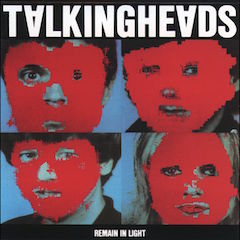
Talking Heads: Remain in Light
My “cool uncle” from NYC bought me three records (I later discovered it was his younger and hipper boyfriend who picked them out) for my 14th birthday, clearly intended to open my mind, which was begging to be opened, having grown up in the decidedly more conservative suburb of Huntington, Long Island, where ’60s and ’70s mainstream rock was holding strong in 1980. They gave me a Nina Hagen EP, the first U2 record, Boy, and Talking Heads’ Remain in Light. The Hagen record was a hoot and a mild shock. My buds and I knew about punk rock but I could not yet figure out that Nina was a poseur/train jumper. No one had heard of U2 yet, and that sounded so new and fresh, yet accessible. I am not sure if I knew they would become so huge so fast, but neither was I surprised when they did.
But it was Remain in Light that drew me in immediately and I keep listening to though all my years. The Eno-driven production; the loops; the Fela Kuti and African rhythms; the off-kilter paranoid and funny poetry of David Byrne’s lyrics; but most of all, the still-insane-sounding guitar work by Adrian Belew, who I think was the most innovative guitar player since Jimi Hendrix — all of it blew my mind and made me ambitious to be an artist, to make music that was new and at least attempted to be innovative. I had known the Heads for a few years, “Psycho Killer,” “Take Me to the River,” “Cities,” and “Life During Wartime,” were all getting lots of airplay in NY. But this record was revolutionary for me and I became a huge fan, going to see them in Providence on the tour that was filmed for the Jonathan Demme (RIP) movie, Stop Making Sense.
R.E.M.: Murmur
My trajectory of seeking out new music continued, and became especially easier when I turned 16 and my family relocated to the suburbs of Boston in 1982. College radio was and continues to be a strong presence around here. I finished my last two years of high school in a tiny conservative town, with a graduating class of 180 (compared to around 800 at my New York school). But lots of the kids in my class were into new wave, punk rock, etc. The Clash were huge and kids were buying the Violent Femmes first record, the Specials, Police, plus the more adventurous of us were going into Boston to Newbury Comics record store (there was only one at the time) and buying New Order, Mission of Burma, the dBs, Echo and the Bunnymen, and that sort of thing. It was just an exciting time. So much seemed to be changing rapidly from 1980 to 1984. One of the bands that everyone loved was the English Beat, who played the Walter Brown hockey arena at Boston University in the spring of 1983. A bunch of us loaded into a few cars and went to skank our skinny asses off.
But the opening band, R.E.M., stopped me in my tracks. No one had heard of them. Instead of the light and bright ska-pop of the Beat, R.E.M. was this murky, yes, jangly group that looked like artsy hippies in flannel shirts, long hair, white shirts with vests, Rickenbacker guitars, in blue lights and shadows. Occasional lyrics floated to the surface of this mysterious, dreamlike music. Just as with the Stones and Dylan records, they were the proverbial portals and I wanted to dive in and learn more, and just as with those artists, I became a lifelong fan of R.E.M. I felt like they were my discovery. It was not hand-me-down music. It was an unparalleled thrill when Buffalo Tom was invited to stay at Peter Buck’s house in Athens on one of our first tours. He was an exceedingly gracious host who kept us up until dawn playing records and talking about music.
If I were to go past five of these, I would add Let It Be by the Replacements and Zen Arcade by Hüsker Dü, both of which directly changed my pathway and helped lead Chris, Tom, and I into forming Buffalo Tom. But that’s for another day.
Los-Angeles based Ruby Force is the musical brainchild of Erin McLaughin, who’s just dropped her debut album Evolutionary War. A stunning collection of tunes transcending country and Americana, indie and pop, the LP is a rather flawless and personal journey that takes its listener from the vast fields of her Southwestern upbringing to the fluorescent streets of urban cityscapes.
Ruby Force has a gift for storytelling — one in which, in the case of Evolutionary War, she enlists a great cast of characters such as Elijah Thomson (Everest, Delta Spirit, Father John Misty), Richard Swift (The Black Keys, The Shins, Foxygen), Frank Lenz (Pedro The Lion) and Sean Watkins (Nickel Creek) to help tell. She’s gained favorable comparisons to Nikki Lane, Jenny Lewis and Kacey Musgraves – and, of course, does a wonderful rendition of Blur’s “Tender” and nods to a late great singer-songwriter in her “Ode to Vic Chesnutt.”
Ruby Force is, without question, a name to watch.
We had the pleasure of catching up with Ms. Force recently. Read below as she talks liberty, love and Evolutionary War.
***
First off, who is Ruby Force?
Ruby Force is a strong and capable woman who draws on the spirit of liberty and love to express human experiences in song, dance and the written word with the hope that what she creates will spread joy and or resonance of belonging and being within others.
Congratulations with your debut album. What do we get and what’s it about?
Thank you! You will be getting the digital or 12″ vinyl culmination of several years of the hardest won battles in my life to date. Sonically you will, should you choose to accept, embark upon an adventure spinning through dimensions of excellence; sub bass, spacey synth, stacked harmonies, thoughtful mixing and mastering, etc. You will hold in your hands (if you nab a physical copy) the artwork and photography of friends who’ve joined me in the emotional trenches of life. You will be holding a portal through my love so to speak, a piece of my soul.
What was your initial idea for Evolutionary War, and what inspired you the most while writing songs for the album?
Expression was my initial idea. I was just writing and collecting songs, I didn’t have any idea where that would lead, but I wanted to do my best every step of the way. Love is the strongest theme inside Evolutionary War but that was somewhat incidental. I wrote what I needed to in order to be okay.
How was the recording process?
Studios give me the shivers. There’s no sunshine, and I’m still fairly intimidated inside of them, but they light me up. I feel like I’m in the right place. And I got to be in several of them for this project. I’d have to say, though, my favorites were La Casina and National Freedom — private or home-type studios curated as art spaces with the souls of sounds haunted into almost every object and instrument in their rooms.
What would be your preferred setting to ultimately enjoy the LP?
Through capable outdoor speakers with a bottle of wine and a cheese plate in the late spring dusk, turned up.
One of the songs of the LP is entitled “Ode to Vic Chesnutt.” Care to elaborate a little extra about that one?
A trusted friend of mine showed me “Flirted With You All my Life” when were driving in in his truck one night not a year after my little brother had passed. When my friend shared about Mr. Chesnutt [passing], my heart sunk further. I had this reaction. I wanted to talk to him. I wanted to change what happened but I couldn’t, so I wrote that song as my best effort at a response for myself or anybody else listening who might be able to get it stuck in their head and remember. It’s about acknowledging that, on a bad day, life may feel similar to the plight of Sisyphus, like a trap mangled in pain and struggle. But at the very least, if we keep going, we may be able to find some comfort in the simple inverse of those heavy truths.
How would you pair Evolutionary War with a meal or beverage?
Sonoma Cab, sliced Humboldt Fog, chestnut honey comb, olive tapenade, Marcona almonds, smoked salmon, rosemary ciabatta… You bring the fruit and dark chocolate.
What’s in your opinion is the most perfect album ever made and why?
[Fleetwood Mac’s] Rumors. It has everything.
Cool, so what’s your next moves?
Prolly some dancey ones. Then lots of writing (songs and more), touring, more chilly studios. Fog and laser lights? We’ll see.
And finally, if your music was a car what would it be?
If my music were a car it’d be a 1977 Pontiac Firebird Trans Am with the “T” top cutaway; black with a gold Phoenix on the hood.
Just cuz.
It’s been told of Ogden, Utah-born singer-songwriter Sammy Brue how, at age 10, he received a guitar for Christmas and immediately started writing songs inspired by Bob Dylan and Woody Guthrie. Amazingly, that was only 5 years ago, given that today Sammy Brue is just 15 years old. Needless to say, things have moved quickly for this talented young prodigy.
In his fast-rising career, Sammy has busked at the Sundance Film Festival, performed at the Newport Folk Festival, and opened for the likes of Hayes Carll, Lydia Loveless, John Moreland, Lukas Nelson, Lucinda Williams and Asleep at the Wheel.
After releasing three homespun EPs, he scored a record deal with renowned folk and Americana label New West Records, home of such songwriting legends as Rodney Crowell, Steve Earle, Robert Ellis, Andrew Combs, Buddy Miller and John Hiatt.
As of late Brue has been touring in support of Justin Townes Earle, with whom his relationship stems back a couple years already. Some might recognize Brue from the cover of Earle’s 2014 album Single Mothers. In a recent review of Justin Townes Earle’s concert at New York City’s Webster Hall, Popdust couldn’t help but mention this about Brue’s performance:
His voice alone is enough to bring a fighter to their knees, enough to crush the world’s treasure of diamonds into dust and enough to force the moon to stop its orbit. He doesn’t have to say much between songs; his music is brawny and heartfelt and he lets you feel everything. If he continues down this path, there is only greatness awaiting him.
Recorded down in Muscle Shoals with Alabama Shakes keyboardist Ben Tanner and John Paul White of the Civil Wars, Sammy Brue launches his anticipated full-length debut, I Am Nice, on June 16. The record demonstrates, in the wise words of New West, “the young troubadour to be a timeless talent whose catchy compositions embody the sort of wisdom, empathy and insight that’s usually associated with more experienced songwriters.”
Who is Sammy Brue? Can you introduce yourself?
Hey, everyone. I’m Sammy Brue, a young artist making music and hoping I make the right moves so you guys hear it. I was Oregon-born, but consider Ogden, Utah my home now. Something about the mountains, I guess.
Thanks, Sammy! Tell us a little about your most recent recording “I’m Not Your Man.” What’s it about?
“I’m Not Your Man” is actually an older song I wrote that has been changed more times than I can count. I’ve changed words, titles and tempo a ton, but finally I’m really happy with it how it is. John Paul White and Ben Tanner really helped out with making it come alive in the studio. I guess it comes from being the introvert kid that was too scared to talk to girls but sat back and noticed the boys that seemed to always get the girl too. Probably a lot about being put into the friend zone in there too.
Who are your musical heroes?
I have so many. It starts with the originals, though: Woody, Leadbelly and Robert Johnson. Then I worked my way forward through time. I love Etta James! Artists seem to find inspiration in these eras, I’ve noticed. You can see how [Bob] Dylan was affected by it and in return affected so many others. Even if it in no way is the same genre, artists pull from the same places, I think. You would have to call them heroes.
When and how did you first get into music?
Well, I have a dad that never listened to the radio when I was really young. He would play a ton of Dylan, Johnny Cash, and Prince along with older artists when we would go on drives and around the house. I always thought that this was what was being played on the radio. I had no clue these were recordings. Then he would bring home newer music along the same vein like Old Crow [Medicine Show] and The Avett Brothers. But it wasn’t until I was eight years old that I heard what was really on the radio, which I remember just digging the big sound of. When I got my first acoustic guitar, I was 10 years old. I remember just being drawn back the old sounds of the troubadours. That was the music and kind of songs I wanted to make.
Any album, artist or experience in particular that has changed your perspective on music?
Recording my album in the Muscle Shoals area changed everything for me. Working with Ben Tanner and John Paul White taught me so much about music and possibilities. Both of them are geniuses when it comes to arrangements. I had never really worked with anyone before that either, so it opened my mind to co-writing and collaborations.
Bon Iver also changed my perspective on creating music too. Made me want to reach more rather than being safe all the time. Another time I played a show with John Moreland, and after watching him, I changed up my approach to songwriting.
What’s the best new song you recently discovered?
“I Don’t Trust Myself (With Loving You)” by John Mayer. I recently started picking his music apart – and by recently I’m talking about two weeks ago. I’ve known who he was, but never dug into his music until now. It’s been a good journey to see how he blends his influences with a pop vibe. He does it so well! As a guitar player, he makes me feel like a slacker.
What’s your favorite activity besides music?
I love skating every chance I get, but I get reminded all the time about how much an injury could cost. I do it anyways because why not? My skateboard isn’t welcome on tour, though! So many streets across the country I’m going to miss out on.
Cool, so what’s coming next for you?
I’m hitting the road with one of my recent heroes Justin Townes Earle. Feels like a bucket list kind of thing to me. His style and songwriting inspired me from the first time I ever heard him or found videos of him on the Internet. After I met him and started talking to him, I knew music was what I wanted to do for the rest of my life pretty much. Now we’re on the same label and releasing albums around the same time… Blows me away. Then just hoping lightning strikes.
Looking one year ahead, where would you like to see yourself?
Hopefully releasing another album. I have the second album all ready to go and keep adding songs that I feel make the cut as I go. I’ve been rehearsing with my band for the last seven months and can’t wait to hit the road with them. Just want to release this album that I love and tour it until then.
And finally, if your music was a food, what would it be?
Chocolate milk because milk comes from nature, which is the roots, and then you throw some flavor in it!
Detroit is rightfully considered one of America’s great music cities, counting Motown, MC5, Iggy & the Stooges, Bob Seger, Alice Cooper and The White Stripes among its notable exports. Now go ahead and add Craig Brown Band to Motor City’s roster. Their effortless and ragged mix of classic rock’n’roll, honky-skronk and garage rock follows a proud lineage, and Brown and his band have naturally found a home at Jack White’s Third Man Records.
Craig Brown is no newcomer to the scene, having played in various Motor City punk bands through the years, most notably the trashy electro-punk outfit Terrible Twos. But with Craig Brown Band he’s adding some country/folk twang into the blue-collar rock mix, described by the Detroit Metro-Times as “straightforward without being boring; as composed as it is relaxed; a touch of folk and heartland rock, just enough to remind us a little bit of Tom Petty here and a dash of Nashville Skyline-Dylan there…”– and we have to add for the record that Craig Brown Band also shares a similar raucous barroom feel to, say, The Replacements or Danny & Dusty.
Recorded by Warren Defever (Thurston Moore, Yoko Ono, Iggy & the Stooges) and loaded with classic songwriting and wry and humorous observations on fishing, baseball and drinking, their new album The Lucky Ones Forget is a one helluva debut. We had the opportunity to chat with Craig Brown about his new album.
***
Who is Craig Brown Band – can you please introduce yourself?
My band consists of Jeff Perry on drums. He is one of my oldest friends. We’ve been playing together since 6th grade. Eric Allen on rhythm guitars. He is a great front man and I’ve played guitar in his band throughout the years. He’s a great friend and player to have around. Andrew Hecker is on the bass. He’s the youngest member by a handful of years. Bass is in his blood. His dad is an incredible player as well. Andrew has all the talent in the world and is just as much a total knuckle head… I’ll leave that at that.
Lastly, I have been graced with The Drinkard Sisters. Bonnie and Caitlin Drinkard singing on backup harmonies. Being sisters they’ve been singing together their whole lives and it really shows in their almost effortless work ethic. They’re just great!
I’m Craig and I play all of the bendy guitars and just about everything else you hear on the record: all the acoustics, some harmonica, some organ, some percussion, bells, etc.
Congratulations with a great album. What do we get and what’s it about?
Thank you! Well… about that… You get an album that is basically mixed of some songs I’ve had for over 5 years, and some really new ones. It’s hard for me to label it myself in any sort of category. Some people say country. Some say just rock ‘n’ roll. I’m fine with either.
The record is a lot about relationships, insecurities, and basic wonder about past and future endeavors.
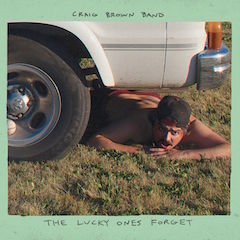
Can you share the story behind the album cover?
[Laughing] Sure, I guess. The album cover was just a shoot with my friend Zak and me in the middle of this field at this old school in Detroit. It was actually a shot for the gatefold in the inside. Which it still is. He wanted to try me hiding under it. So we kept that as the inside and that was supposed to be that.
We had a completely different idea originally for the cover. One day I was showing the fotos to my friend Dan Clark and he had the idea for the cover being just a zoomed in version of the inside. I liked it, Third Man loved it. And there you go.
What inspired you the most when you started writing the songs that ended up on The Lucky Ones Forget?
Girls.
What can you share about the recording process and working with this material in the studio?
We recorded with Warren Defever. He’s just fantastic! He’s brilliant and he has been doing it for a very long time. He knows what he’s doing and he’s also open to suggestions, which is usually a very hard combination to come by these days. We recorded it all as the four guys live. Then I came in and did all the extra little things and lead vocals. Then the Drinkard sisters came in and sang their parts with brief run-throughs before every one of their takes with me on a baby grand piano and us just singing. I wish there was some recordings of that actually.
The final sessions was just Warren and me mixing the record together. The record was mastered for vinyl down in Nashville. We recorded the album at Warren’s studio here in Detroit.
Did you have a clear idea or vision on how the album should be from the get-go, or did it develop along the way?
Yes I did. I did because I recorded over half of the record by myself in a little 4-track studio at my house throughout the years playing all the instruments. I never really dreamed I would land a band as good as mine and these were just songs I’d make and record sort of as a hobby. Basically, I knew what I wanted because I already did what I wanted. Just not with a totally pro sound.
What kind of feelings or sentiment do you wish leaving for the listener after hearing it?
Man… Hopefully a whirlwind of emotions. Or maybe just makes you hungry. I dunno…
Please describe a preferred setting to ultimately enjoy the album?
Driving, or loud as fuck in the other room while taking a shower I guess.
What’s the best debut album ever made and why?
Well, three really come to mind and I feel I can list all of them because they are all from different worlds:
Ready to Die by Biggie
It’s just my favorite rap album. It makes me feel cooler than I am when I listen to it. It really set the bar so much higher for rap and it all stopped being cute at that point forward. He was just so damn smart lyrically. He’s truly inspired me in being funny and dead serious at the same time.
Guitars, Cadillacs, Etc., Etc. by Dwight Yoakam
This album is just perfect sounding and written. Every aspect seems nothing of a debut. This guy and his band really had their shit together from the very start. Pete Anderson (fellow Detroiter) who produced and played lead guitar for Dwight’s band for years has really inspired me in playing country guitar. It’s just so fun to do once you “get it.”
Kill ‘em All by Metallica
It is just incredible from start to finish. It was such a life-changer for me growing up. So powerful! Also, I just can’t believe it’s the same band now. Wow!
It’s a long way from Prince Edward Islands, Canada to Austin, Texas. But honky-tonkin’ chanteuse Whitney Rose has not only packed her boots and moved south, she’s managed to soak up huge slumps of her new home state’s rich musical culture and heritage.
Rose’s new EP, South Texas Suite, is a romantic and nostalgic love letter to the Lone Star State, penned by someone of profound Texan insight.
Following her acclaimed 2015 album Heartbreaker of the Year, produced by Raul Malo (The Mavericks), Whitney Rose headed to Texas on what was supposed to be a two-month residency at Austin’s The Continental Club. Smitten by the town’s friendly atmosphere and vibrant music community, she had no intentions of leaving. Since then, she’s toured with Sam Outlaw, made her European live debut and signed with Thirty Tigers-distributed Six Shooter Records.
Rose recorded South Texas Suite over two days at Dale Watson’s Ameripolitan Studios, accompanied by ace players such as Redd Volkaert, Merle Haggard’s former guitarist; Earl Poole Ball, who spent two decades tickling keyboards for Johnny Cash; Kevin Smith, now playing bass in Willie Nelson’s Family Band; and Tom Lewis, who’s drummed with the Mavericks. Even though it’s only 6 songs and 25 minutes short, it covers two-steppers, Tex-Mex, Western swing and barroom waltzes.
We took the opportunity to chat with Whitney Rose while on tour through Scandinavia.
***
Who is Whitney Rose – can you please introduce yourself?
I’m a gal from Prince Edward Island and now I Iive in Texas. I write and sing songs and get up to no good most of the time. My first crushes were Dwight Yoakam and David Bowie.
Congratulations with a new EP. What do we get and what’s it about?
Thank you! You get a mini collection of tunes that I either wrote or love relating to my new home state of Texas.
Can you tell the story behind the wonderfully drawn album cover?
I got sick of seeing my own face on album art and elsewhere so I wanted to do something different. I guess it’s still my face… kind of.
What inspired you the most when you started writing the songs that ended up on South Texas Suite?
The simplicity and pride of Texas. And two-stepping.
What can you share about the recording process and working with this material in the studio?
Recording this EP is something that will stay with me until the day I die. The musicians who were recruited are all world class and brought so much experience collectively to the studio. I learned a lot in those two days and had to pinch myself a few times to remind myself that yes, that is indeed Johnny Cash’s piano player (Earl Poole Ball) playing my songs. We recorded at my pal Dale Watson’s place so everything was very relaxed, too. Just a great experience overall.
What kind of feelings or sentiment do you wish leaving for the listener?
It’s a record advocating simplicity and autonomy. So I guess I want people to feel at peace and to be their damn selves!
Please describe a preferred setting to ultimately enjoy the album?
Anywhere as long as there’s something to drink and something to smoke! And if you can, listen to it on vinyl – that’s how it sounds best.
You’re stranded on an island for an indefinite period of time, only allowed to bring one book, one album and one other person. Who and what would you bring?
I’d bring “How To Not Go Crazy Stranded On An Island For An Indefinite Period Of Time” (assuming it’s been written) for a book, Pieces of the Sky by Emmylou Harris for a record and Mammy Darlin’ (my grandmother) for a companion.
What’s coming next for Whitney Rose?
I get back to Texas in June then I go on the road again. Then I get back to Texas again, release a record in the fall and then go on the road again! Wanna come?
The Weeks make energetic, back-to-basics southern rock. Comprised of identical twin brothers Cyle and Cain Barnes, Sam Williams and Damien Bone, the band grew up in Jackson, Mississippi and formed back in 2006 while attending high school. They quickly gained notice as bearers of the southern torch, making a seamless mix of contemporary southern swagger and modern indie, touring with the likes of Kings of Leon, North Mississippi Allstars and Meat Puppets while amassing a huge fan base.
Following their relocation to Nashville in 2010, The Weeks released their breakthrough album, Dear Bo Jackson (2013) – a fully realized LP recorded with Grammy-nominated producer Paul Moak that blended classic flavors of R&B, boogie, soul & funk and country with greasy guitar rock.
Recorded over the course of two weeks at Memphis’ legendary Ardent Studios with producer Paul Ebersold, their slick and streamlined follow-up, Easy, is out now
We hooked up with the band for a chat about the new album.
* * *
Congratulations on another great album. What do we get on Easy and what’s it about?
With Easy, we tried to make our most cohesive record to date. We spent a lot of time pow-wowing over what we do best and how to improve on it to be as efficient as possible with our songwriting. It ended up being about exactly that.
We were watching a lot of bands break up because they couldn’t look around the room and be honest. We were trying to proactively attack the usual problems that start to knock bands down after 10 years together. We definitely made our best record to date.
Did you have a clear idea or vision on how Easy should be from the get-go, or did it develop along the way?
It took a few turns here and there for sure. We spent a summer literally having slumber parties and writing all different types of music. Escaping the reservations of creating a 10-song album always helps the process stay organic. We wrote about 30 songs so it wasn’t until the final track listing that the picture came together.
We knew from early on though that we wanted a straightforward, glammy record with minimal instrumentation and chord changes, unlike our last record Dear Bo Jackson.
Nashville seems the place to be these days. Why did you relocate there, and has this move affected your music in any way?
When we moved here in 2010, the ‘It-factor’ had not quite taken place. We were looking to get out of Mississippi before we got complacent and comfortable at home. L.A. was too far, we were too young to survive in N.Y.C. and Chicago is too cold…but Nashville had sweet tea.
The only way it’s affected our music is by the amount of inspiration we’ve gotten from our friends. This town has so many musicians doing incredible things it’s easy to take it for granted, but when you make an honest attempt to look for it, it’s everywhere.
What can you share about the process around the recordings and studio time this time around? And, how cool is Ardent Studios?
The producer we were working with cut his teeth under all the legendary producers at Ardent (Dickinson, Frye, Hammond) and we all agreed it was best to get out of Nashville to escape the everyday stresses that can make recording feel like a job. We lost a little funding right before we left and had to decide if we wanted to call an audible and stay out, but we knew it had to be Ardent.
Having Jody Stephens from Big Star checking in, Luther Dickinson dropping off old reel to reels from his dads studio, staring at Tommy Stinson’s vomit stains on the wall, you can’t escape the rock and roll juju that permeates those halls.
What kind of feelings or sentiment do you hope leaving for the listener after he or she has worked through Easy?
I want people to immediately want to turn the record over and go again. There’s hidden details in the subtleties. Memphis is good at that.
Please describe the scene of the perfect listening session for the album.
In a 1991 Dodge Cummins Diesel, one friend on the bench seat driving Highway 61 between Rolling Fork and Clarksdale, MS. Shirts not allowed of course.
What meal or beverage would you pair with your album?
Willet Family Estate Bourbon neat with Pastrami Panini from Finos in Memphis.
What’s the most perfect album ever made and why?
The Band: The Band. It just is. It’s science.
How do you view the status of the album format in 2017?
I think it’s as relevant as ever. Obviously there are circles of the industry where it’s non existent, but I think the hip hop albums of the last few years and the uptick in vinyl sales have really been the impetus for the albums continued relevance.
What are your next moves for this year?
Mostly just touring the U.S., U.K. and E.U. Hoping to get to Australia and Asia too. We’ve still got a big pile of songs from the Easy sessions that we’ll probably release in some form or fashion.
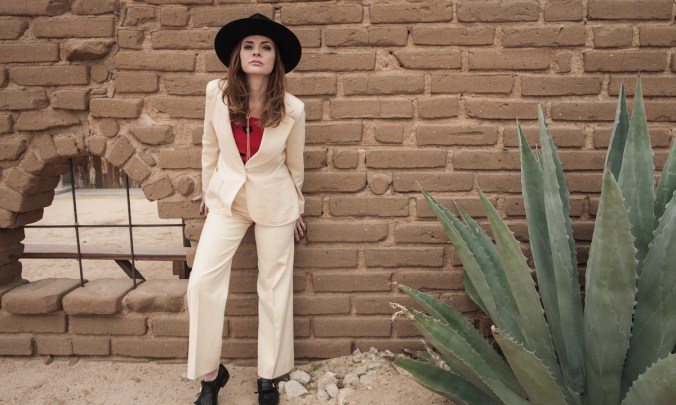 Los Angeles-based singer/songwriter Suzanne Santo, better known as one half of Americana duo HONEYHONEY, released her solo debut, the Butch Walker-produced Ruby Red on August 11th.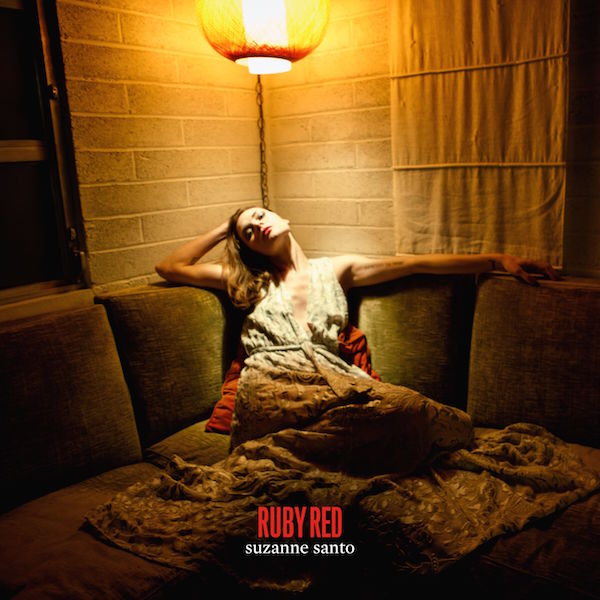
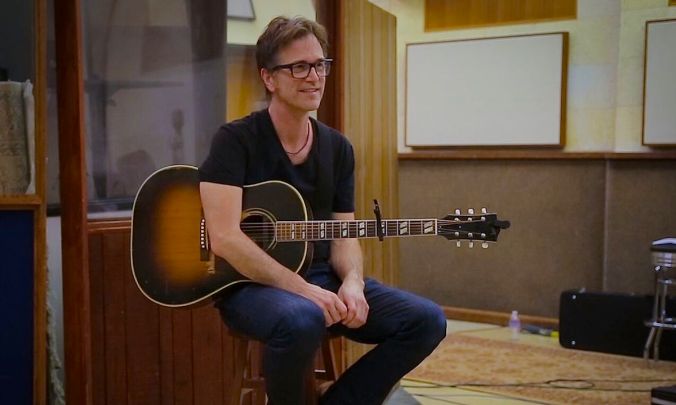 Dan Wilson is a gray eminence looming in the shadows of the glamorous world of pop music. His career spans back to the late 1980s and leads up to critically-acclaimed and commercially successful songwriter and production credits for artists like Adele, Dixie Chicks, Chris Stapleton, John Legend, Dierks Bentley, P!nk, Taylor Swift and many others. He’s received a couple of Grammys on his way, but even though he’s highly cherished, he’s still an unknown name to broader audiences.
 Bob Dylan: The Times They Are A-Changin’
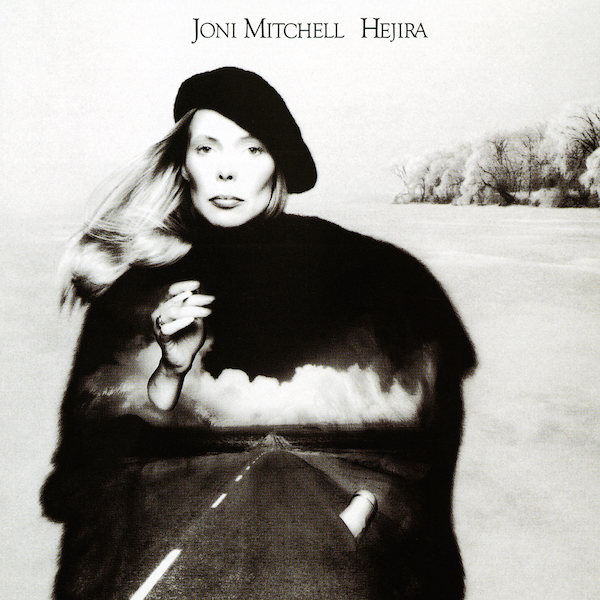 Joni Mitchell: Hejira
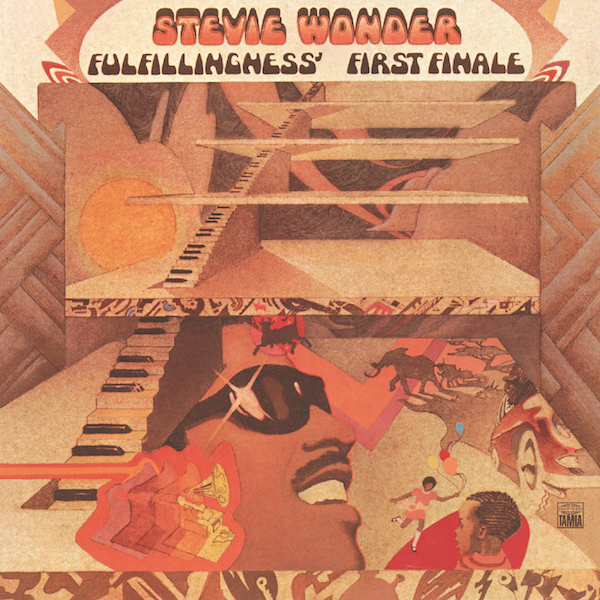 Stevie Wonder: Fulfillingness’ First Finale
 Liz Phair: Exile in Guyville
 Oasis: (What’s the Story) Morning Glory?
 When BBC Radio 6, the British channel for cutting edge music, recently celebrated the best music of 2017 so far by showcasing 20 essential albums, it was no surprise to see Jane Weaver’s Modern Kosmology prominently placed on the list. Described as an album that “masterfully darts from avant-pop to euphoric kraut via what can be best described as psychy party music,” the listing is just another addition to what has become one of this year’s universally critically lauded albums, and will more than likely appear on numerous year-end lists in six months’ time.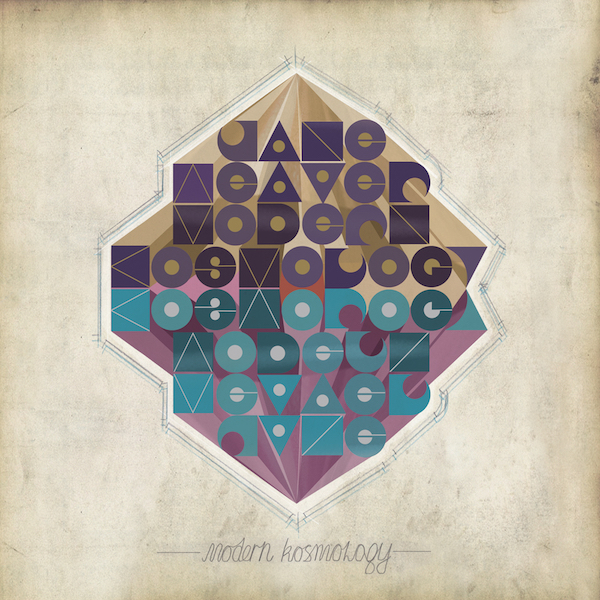
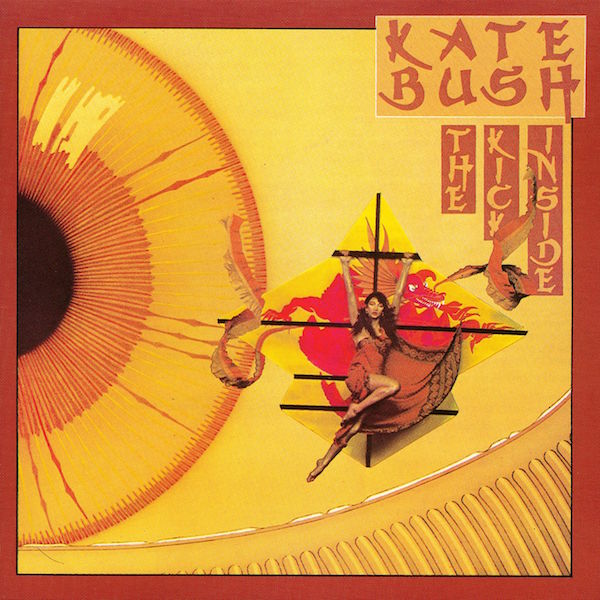 Kate Bush: The Kick Inside
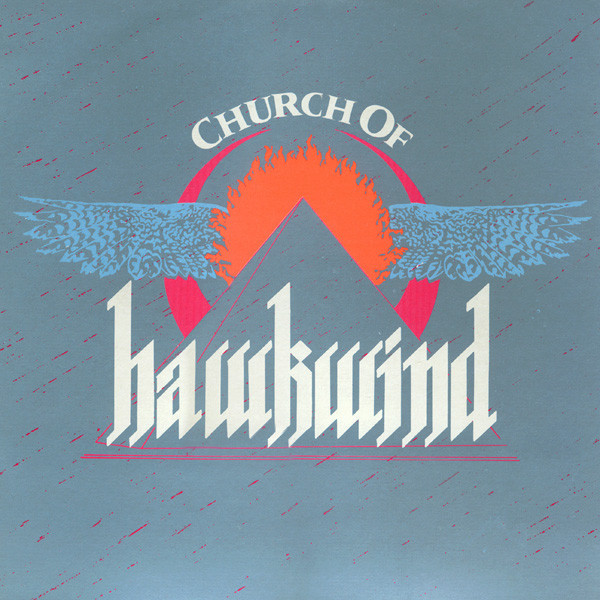 Hawkwind: Church of Hawkwind
 The Electric Prunes: Release of an Oath
 Serge Gainsbourg: Histoire de Melody Nelson
 Broadcast: Work and Non-work
 Originally hailing from Los Angeles, California, Molly Burch is an undeniable talent on the rise. Following in the aesthetic footsteps of Dusty Springfield and Patsy Cline, the singer-songwriter relocated from L.A. to Asheville, NC, before settling in her current base of Austin.
 What’s coming next for you?
 Boston was a pivotal nerve center for Eastern seaboard punk and hardcore in the early 1980s. A tight-knit musical community of often politically charged bands on either side of hard drinking or straight edge, commonly bonded by intensity and violence, Boston hardcore breathed through the city’s various college radio stations, Newbury Comics and the whole fanzine culture.
 I received these two LPs on the same day from the next-door neighbors of my grandparents when I was about 8 years old, in 1973-74. I had no older siblings, so the only records I had around the house were from my parents’ and they were not real rock and rollers or record buyers, so there was a scarce collection of Elvis Presley, the Mills Brothers, the Ink Spots, Bossa Nova stuff, etc. But I was obsessed with AM radio and carried around a yellow Panasonic transistor radio wherever I went. But mostly spent hours in my bedroom listening to it.
 Receiving these two mono LPs as a hand-me-down, though, was a huge revelation. I knew almost nothing about Dylan and had only heard a relative few Stones songs by that point. These two albums, both released in 1965, were truly life changing. This is not an overstatement; they were so mysterious and dark, and made me want to know more about the artists, depicted so enigmatically lackadaisical or aloof on their respective covers. Both records are steeped in the blues and filled with arcane references. In Bob’s case, there is the surrealist symbolism and amphetamine-driven stream of consciousness, Biblical, Shakespearean, Americana, and other obscure allusions. With the Stones, they are variously lampooning an “Under Assistant West Coast Promo Man” or dropping London references, like “an heiress” who “owns a block in St. John’s Wood.” And the Stones had all these covers of classic soul and blues songs making up half the album. So I eventually went on to find the originals.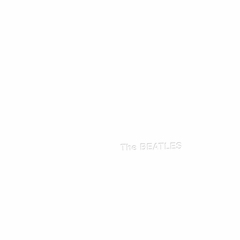


 Los-Angeles based Ruby Force is the musical brainchild of Erin McLaughin, who’s just dropped her debut album Evolutionary War. A stunning collection of tunes transcending country and Americana, indie and pop, the LP is a rather flawless and personal journey that takes its listener from the vast fields of her Southwestern upbringing to the fluorescent streets of urban cityscapes.
 It’s been told of Ogden, Utah-born singer-songwriter Sammy Brue how, at age 10, he received a guitar for Christmas and immediately started writing songs inspired by Bob Dylan and Woody Guthrie. Amazingly, that was only 5 years ago, given that today Sammy Brue is just 15 years old. Needless to say, things have moved quickly for this talented young prodigy.
 Detroit is rightfully considered one of America’s great music cities, counting Motown, MC5, Iggy & the Stooges, Bob Seger, Alice Cooper and The White Stripes among its notable exports. Now go ahead and add Craig Brown Band to Motor City’s roster. Their effortless and ragged mix of classic rock’n’roll, honky-skronk and garage rock follows a proud lineage, and Brown and his band have naturally found a home at Jack White’s Third Man Records.
 Can you share the story behind the album cover?
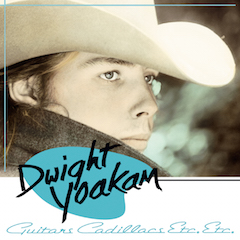 Guitars, Cadillacs, Etc., Etc. by Dwight Yoakam
 It’s a long way from Prince Edward Islands, Canada to Austin, Texas. But honky-tonkin’ chanteuse Whitney Rose has not only packed her boots and moved south, she’s managed to soak up huge slumps of her new home state’s rich musical culture and heritage.
 Congratulations with a new EP. What do we get and what’s it about?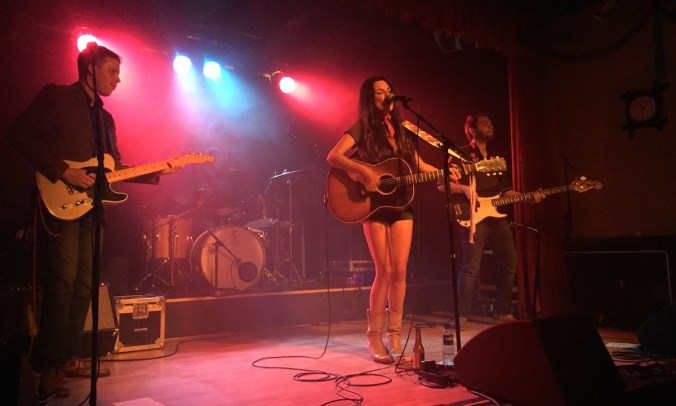
 The Weeks make energetic, back-to-basics southern rock. Comprised of identical twin brothers Cyle and Cain Barnes, Sam Williams and Damien Bone, the band grew up in Jackson, Mississippi and formed back in 2006 while attending high school. They quickly gained notice as bearers of the southern torch, making a seamless mix of contemporary southern swagger and modern indie, touring with the likes of Kings of Leon, North Mississippi Allstars and Meat Puppets while amassing a huge fan base.
 Congratulations on another great album. What do we get on Easy and what’s it about?
 The Big Beast