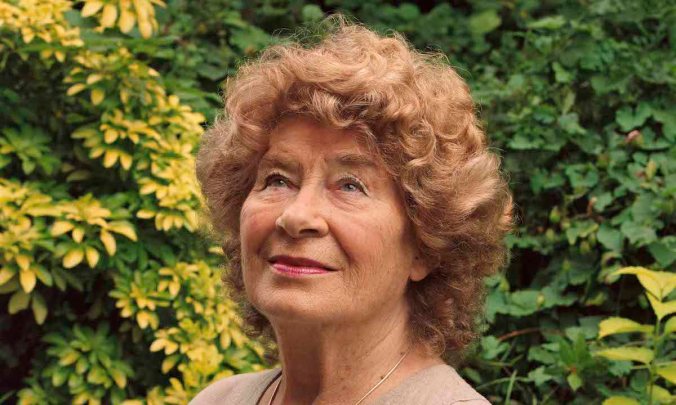
 It’s been a while since Shirley Collins sang in public. As a matter of fact, when that last happened Michael Jackson had just released Thriller and E.T. phoned home from the movies. Ronald Reagan was gunned down on the streets, and the Falkland Wars between England and Argentina had just began. Commodore 64 was launched, and tech savvy consumers could actually buy a CD player for the very first time, the technological shift was so distinct, TIME magazine even named the computer ‘Man of the Year.’
Nothing could be further from Shirley Collins’ interest than some tech boom. Her entire musical life is based upon deep knowledge, understanding and love of musical roots and tradition, following the long lines of history more than chasing the latest craze. Her magic story is far too extensive to narrow down over a few paragraphs, but in short she made a career as one of the most significant and cherished voices of 20th century British folk music.
Born in 1935 into a folk music family – her father a milkman and her mother a communist – she left Hastings for London in 1954 to sing at folk clubs and research folk music at the legendary venue Cecil Sharp House. She soon met and fell in love with American folklorist and ethnomusicologist Alan Lomax, already famous at that time, and by 1960 she had recorded her sparsely arranged first albums, Sweet England and False True Lovers.
In 1959 she embarked on a trip to the Deep South with Lomax, making pioneering field recordings across the region where, among others, they managed to capture James Carter and his chain gang – later of O Brother, Where Art Thou? fame – in a penitentiary, discovered the previously undocumented blues legend Mississippi Fred McDowell and recorded Appalachian singer Texas Gladden.
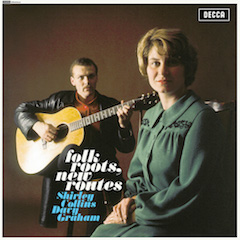 Returning back to Britain, Shirley Collins built a steady solo career. Often accompanied with her sister Dolly, a gifted arranger and composer in her own right, Shirley cementing her role in the rapidly blossoming English folk scene. In all she recorded over 20 albums, including the highly-influential Folk Roots, New Routes (1964), a collaboration with avant-garde guitarist Davy Graham, her seminal work Anthems in Eden (1969), done with Dolly, and the eclectic masterpiece No Roses (1971), which spawned the folk group The Albion Band. Existing in the very center of the emerging electric folk rock and acid folk circuit, Collins managed to maintain a sort of noble grace, fusing elements of contemporary folk with archaic, pre-modern roots.
Author Rob Young describes her voice and this duality in, Electric Eden, his thorough book about British folk music:
‘Her voice was uniquely suited to this purpose: not heavily accented, but with enough flattened vowels to indicate her provenance in the south-east. But the main quality was its clarity and neutrality. Sometimes accused of coldness, her voice was in fact an ideal folk voice, sounding as though it was grappling with the words for the very first time, and yet equally as though it was so inured to the pain and suffering so often portrayed in the songs that it had insulated itself from them.’
 While being part of the flowery counterculture scene at the time, she also kept her distance from the psychedelic underground; Shirley Collins’ culture was in many ways steeped in a deeper soil. This incident, taken from Electric Eden, can serve as a sufficient example: Once, while the Collins’ sisters played with Robin Williamson of the Incredible String Band, he urged them to expand the session with some drugs: ‘You’ve never seen a tree until you’ve taken LSD,’ he said, prompting Dolly Collins to snappily reply: ‘I know perfectly well what a tree looks like!’
In 1971 Collins married mellow musician Ashley Hutchings (Fairport Convention, Steeleye Span), and the two came to represent a return to a more pure and honest tradition of British folk music. Collins, always concerned about the rural working-class from where the songs first spawned, continued working with her partner in the first half of the 1970s in various constellations, including the acoustic Etchingham Steam Band
And then it got quiet.
Ashley Hutchings left her in 1978, and Collins lost her singing voice due to suffering a form of dysphonia in the aftermath of the turbulent split, leading her to withdraw from performing and recording, and retreat to civil jobs outside of music.
Along with the likes of Colin Meloy (The Decemberists), Angel Olsen and Graham Coxon (Blur), British comedian, writer and musician Stewart Lee is among the many who’s lauded her in the silent years. In his extensive liner notes for Collins’ new album, Lee reminds us on how it was: ‘It’s not possible for any music fan born in the last twenty years to imagine the impossible darkness, and also the thrilling mystery, of the pre-internet age; when legends might yet be sustained by over-the-counter word of mouth; or by tip-offs and tape trades from movers and shakers; and when off-the-radar artists were still gossamer ghosts. You could not Google Shirley Collins. There was no Google. And she was gone. And even post-Google, the essence of Shirley resists reduction to a Wiki page of verifiable detail.’
David Tibet, of the experimental neo-folk band Current 93, has played a particulary crucial role, coaxing her since the early 1990s and patiently persuading Collins to find back to her voice and return to recording.
So now, after decades of silence, the fairy queen of British Folk Music is finally back again. Titled Lodestar, her first album in 38 years is a collection of English, American and Cajun folk songs dating from the 16th Century to the 1950s, tying bonds to her profound love of the English Folk Song and her journeys to the Mississippi Delta.
We had the honorable opportunity to speak with Shirley Collins about the past and the present.
In 1959 you went to the Southern United States with Alan Lomax on what I understand turned out to be an important and historical musical journey for you. What do you find especially intriguing about the American folk and blues?
I am fascinated by the way the British songs and ballads that were taken over to America by early settlers were gradually changed, especially in the Southern mountains. At the same time you can find songs that remained intact, complete versions.
Also, I love the way that the mountaineers sing – shrill, high and lonesome. In a way it reflects their way of life, tough and rather isolated. As for the blues – how can you help but love them. The voices are wonderful and genuine; what the blues say is full of truth about lives of black people, and the form of the blues is so compelling and beautiful to listen to.
 You’re also well known to focus on rural and pastoral material from your home area in southern England. What, in your mind, are the common grounds between British and American folk music, and where did you place yourself in such a context?
As I said, the American tradition springs from the British one – it’s a continuation of it, although over time there are changes. Where did I place myself? When I was in the South in 1959, right in the middle I think. So many of the people I met there were really pleased to meet someone from “the old country,” especially someone who not only loved their music, but could sing English versions of their songs.
In what way, if any, did inspiration from the Deep South transform into your take on English folk music?
It didn’t really.
You’ve said that you ‘believed in English music and believed in its source.’ What is the essence of English music and what sources do you consider the most valuable?
Our most valuable source is the field recordings made in the 1950s and ’60s here, as you can hear the way the songs were sung, as well as many, many variations of the actual song. But of course, the earlier collectors, who worked without the benefit of sound recordings, are immensely important too.
The essence of English music? The gentle melancholy of many of the songs, the beauty of the tunes, the fascination with the words. And here I’m talking about the best of the songs – there are many that aren’t that good, as well!
 Why did folk music resonate so well with young people then, and what do you think made it relevant to the pre-war generation?
Perhaps it was the independence of the folk music revival; and the fact that it was music they could sing and play themselves – not out of reach.
I’m interested in your 1965 album, the rare and influential Folk Roots, New Routes, that you made together with Davy Graham. In the liner notes your then husband Austin John Marshall draws comparisons to blues, jazz, Appalachian and Eastern music. Can you please shed some light on how you approached this recording and how you consider this album today?
I approached it with an open mind! I don’t like jazz … but that’s where Austin John first heard Davy play, in a jazz club, and he was playing an exotic mix of those you mention above. He invited Davy out to our house. Davy played me an Irish song “She Moves Through the Fair” with an accompaniment that drew on Irish, North African and Indian music – and it worked! I loved it! And I could tell straightaway that it would certainly work with Appalachian songs without losing their identity – and the English songs, too.
Davy was a very sensitive musician, as well as being a genius on guitar. So I was thrilled to be able to work with him on a few live performances and to record Folk Roots, New Routes. I think it’s a fine album; it’s got integrity and still holds up today.
1965 seems like a watershed year, when you, Donovan, John Renbourn, Bert Jansch, Jackson C. Frank and others released albums, all rooted in folk traditions but also in many ways pointing forward. In what way do you consider this a transitional time of British folk?
I don’t agree that they were rooted in folk traditions – or not my idea of folk music anyway. Mine is the music that came from the rural working classes, and I don’t think that any of those people really delved deeply into that.
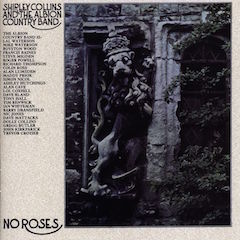 You later worked with Joe Boyd and folks from the Incredible String Band, released albums on the iconoclastic Harvest label and gave us the eclectic album No Roses in 1971. Can you please try and describe this period of time in terms on how you found your role ‘between’ traditional culture and the psychedelic expansion at the time?
Although I worked a little with the Incredible String Band, whose early albums I really liked, I was never part of the psychedelic scene. That never suited me at all. No Roses was an album of really fine English traditional songs – and with brilliant musicians. So that even while it was a folk-rock album, the songs didn’t change, nor did my singing of them.
How did you befriend David Tibet and what has he meant for you in terms of you now returning as a recording artist?
David Tibet found me – and befriended me in the first place. He liked my old albums, and hoped to encourage me to sing again. He released a CD, A Fountain of Snow, and I sang a couple of songs on his albums. So in his way, he started me off again, although it would 20 years or so later that I could sing in public – and that was at Tibet’s persuading. And that was the start of what would lead on to my recording Lodestar, so I have a lot to thank him for. He and I have become close friends, and he’s still a great supporter of my work.
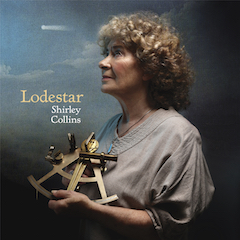 Can you please guide us briefly through Lodestar and let us know what we can expect from you this time? As I understand there’s some sort of circle here, since it also includes tracks tracing back to 1959 and your Delta travels.
Yes, there are two ballads that were recorded on the 1959 collecting trip with Alan Lomax, one from Virginia sung by Horton Barker ‘The Rich Irish Lady,” and another, much more light-hearted, “Pretty Polly,” that I personally recorded from an Arkansas singer, Ollie Gilbert.
Otherwise, the songs are all English, with the exception of a Cajun song that Ian Kearey – fine musician, long-time friend and the musical director of Lodestar – played to me. I fell in love with it immediately: “Sur le Bord de l’Eau” recorded in 1927 by Blind Uncle Gaspard, on Vocalion. So I sing it in my Sussex French!
It’s quite a hard-hitting album, nothing cozy about it, and we had a variety of instruments: hurdy-gurdy, 12-string resonator, concertina, fiddle, banjo, various stringed instruments including cello and viola, a harmonium, percussion, an organ pipe, English half long pipes, a Morris dancer and birdsong from the bank at the back of my garden!
I think you could call it a grown-up album…
* * *
The documentary The Ballad of Shirley Collins is currently in production. Collins was given the ‘Good Tradition’ award at BBC Radio 2 Folk Awards and elected President of the English Folk Dance & song Society (both in 2008) and awarded an honorary doctorate in Music from Sussex University earlier this year. She released her first memoir America Over the Water in 2004 and is currently working on her second book. She is an MBE – Member of the Most Excellent Order of the British Empire. Lodestar dropped November 4, 2016 on Domino Recordings.
Bjørn Hammershaug
First published October 14, 2016 on read.tidal.com
 Two roads diverged in a yellow wood,
 It goes without saying that this scene didn’t produce a wealth of mainstream pop stars, but Devendra Banhart did become the movement’s most iconic figurehead. Signed to Swans’ Michael Gira and his Young God label, Banhart immediately stuck out as an original and pivotal voice, with his 2002 debut album Oh Me Oh My… sounding like some long lost treasure trove of 78 recordings discovered in a rotting country barn. While he has gradually evolved into a much more eclectic artist, Banhart used his reluctantly accepted status to tie bonds between past and present times. He curated the seminal new-folk collection, Golden Apples of the Sun (Bastet, 2004), featuring artists like Joanna Newsom, Antony, CocoRosie and Iron & Wine, along with sparking a renewed interest in largely long-lost voices like Vashti Bunyan and Linda Perhacs, who have since both released new material in recent years in response to a newfound generation of fans.
 In his thorough biography of Fahey, Dance of Death, writer Steve Lowenthal describes it more in depth as ‘Merging genres with a bold ambitiousness, he would eventually call his style ‘American Primitive’, in reference to his untrained methods. Rather than being restrained by formal song structure, he tried to keep the feel of more abstract classical structures, while using familiar fingerpicking patterns found in country and bluegrass.’
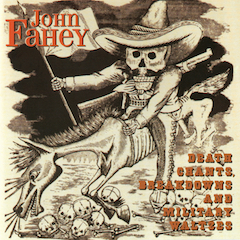 Named after his hometown of Takoma Park, Maryland, Takoma Records evolved from being an imprint for Fahey’s own amateur recordings to a fully fledged label that included other influential fingerstyle guitar pickers such as Robbie Basho and Leo Kottke, further segmenting Fahey’s status as one of the leading and most influential guitarists of our time.
 I Do Play Rock and Roll
 Jack Rose
 Dr. Ragtime & His Pals
 Let the phrase ‘shared love of the old weird American music found on forgotten 78s’ guide us further down the road. Another essential focal point in preserving old time music as well as its present day successors is the eminent label Tompkins Square, run by Josh Rosenthal. The imprint is renowned for their exquisite sense of quality and their deep diggings into the forgotten crates of 20th century American music.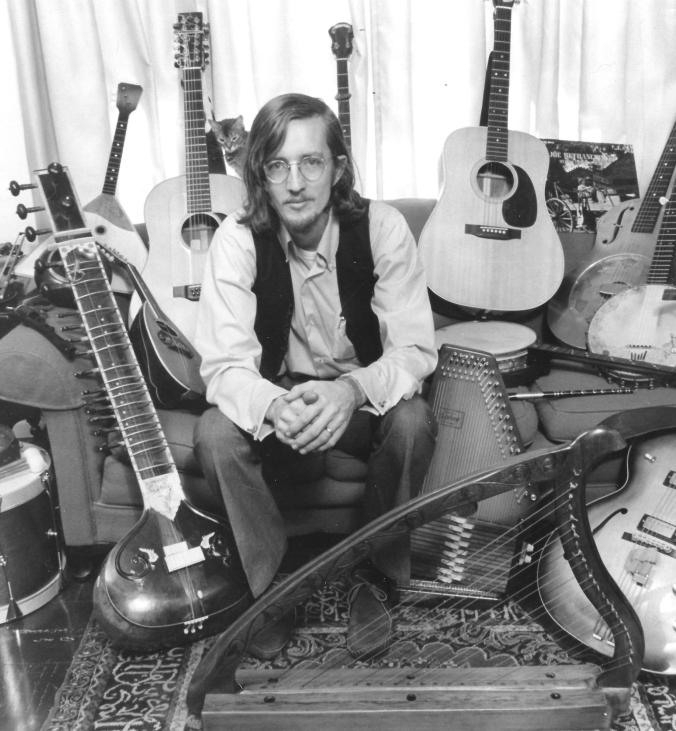
 There’s a guitar player from Oregon named Richard Crandell who made an album called In the Flower of Our Youth that I can never get enough of, it’s just completely brilliant melodically, with most songs being short, self-contained little gems that are absolutely memorable. Tompkin’s Square reissued it some years ago, maybe after I recommended it to Josh, but I still think the audience for it could be bigger.
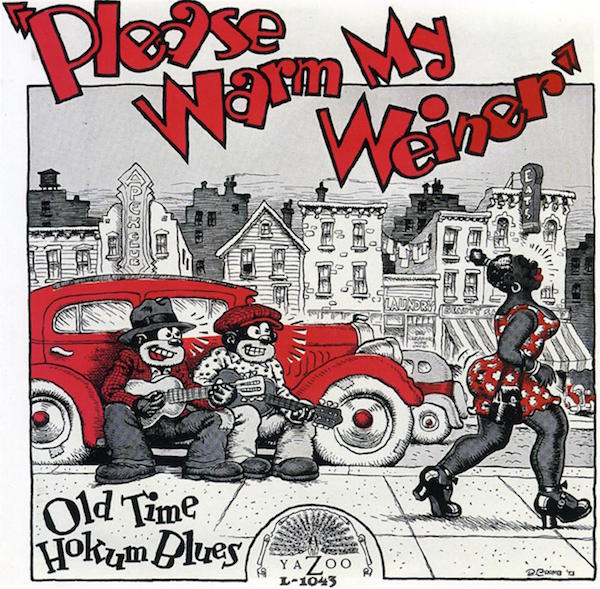
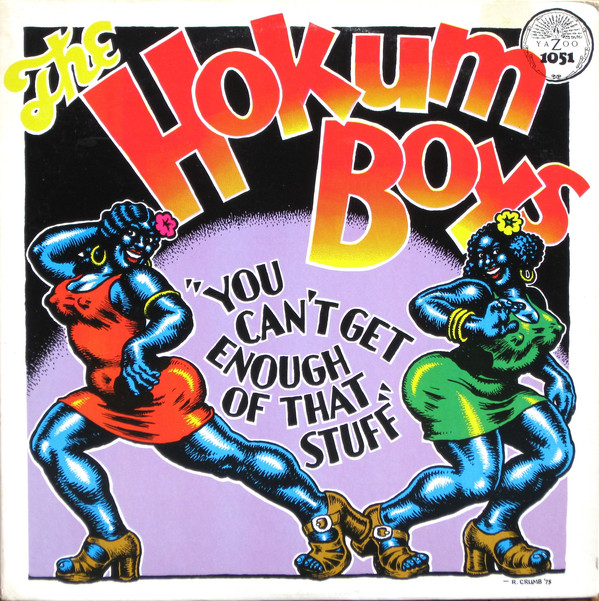
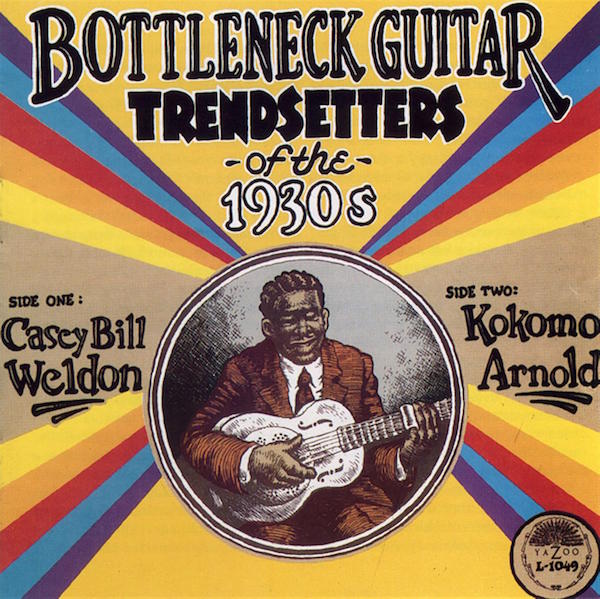
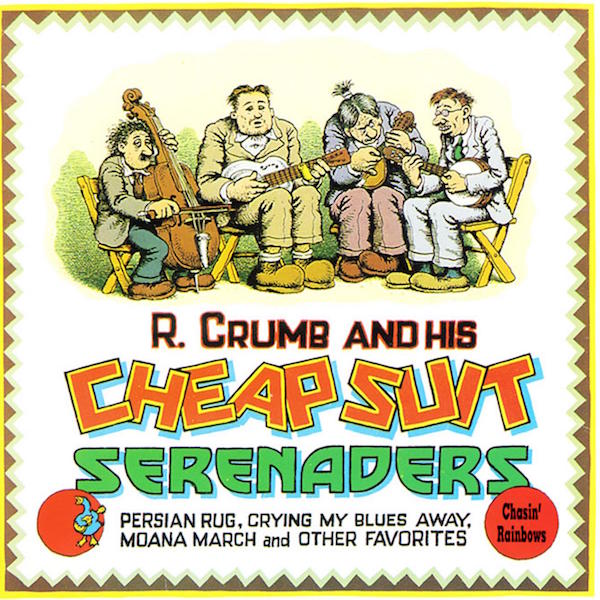
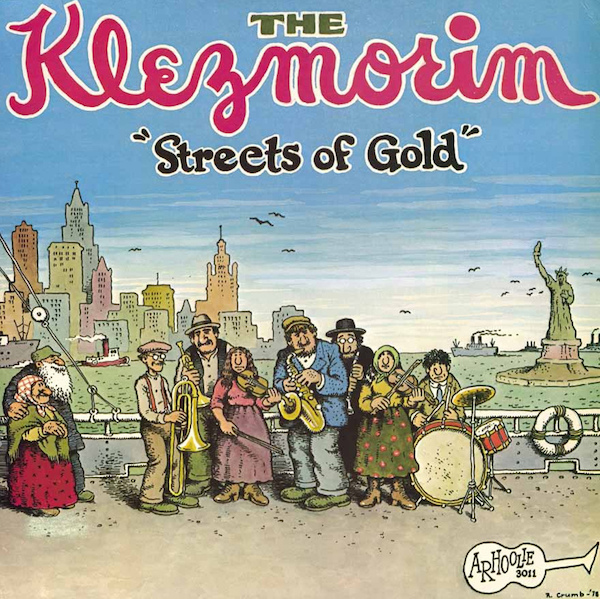
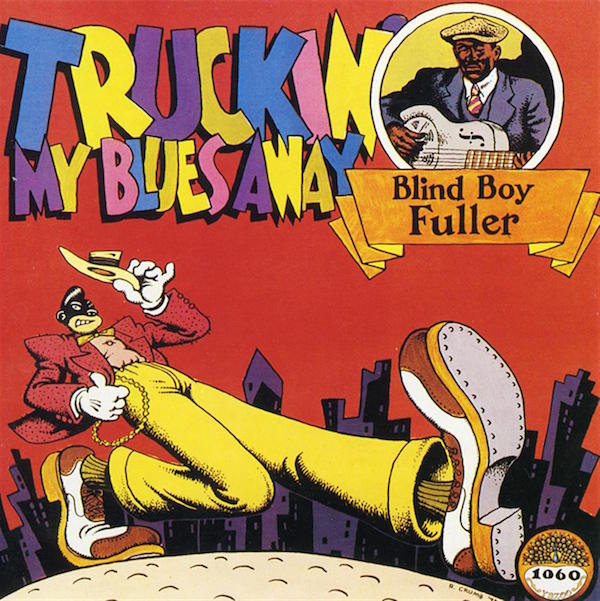
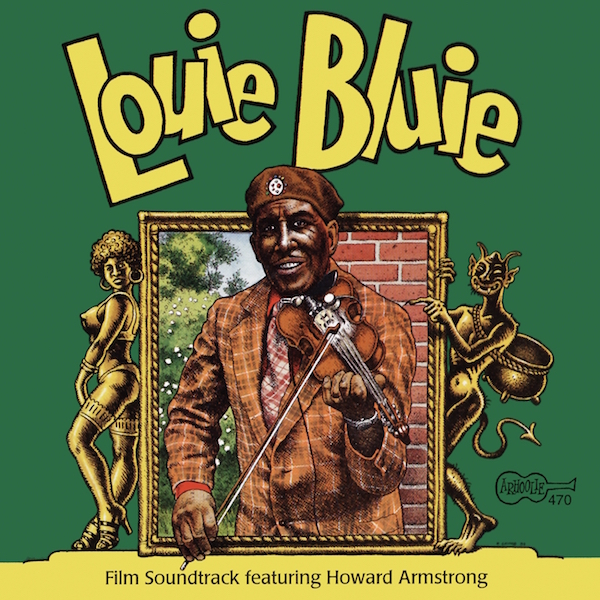
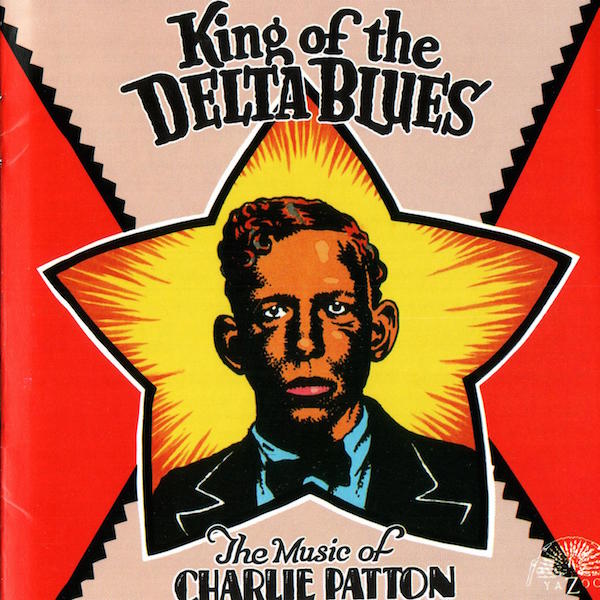
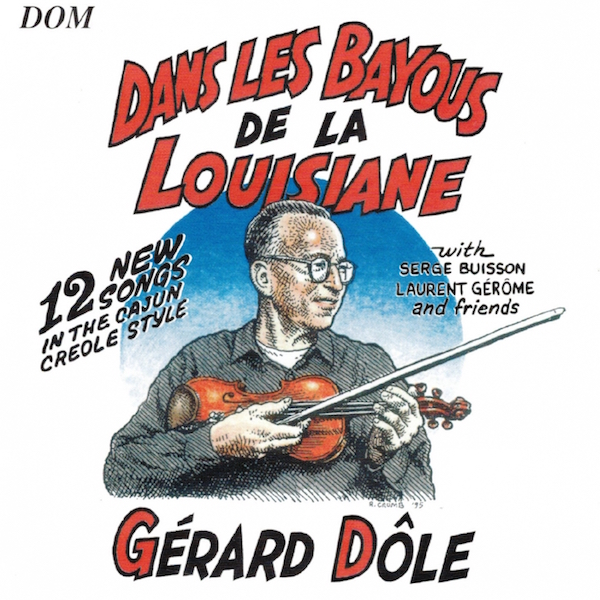
 Born in Philadelphia in 1943, Robert Crumb rose to prominence as a key figure in the American underground comix movement in the late 1960s, creating the legendary underground publication Zap Comix, and introducing us to immortal characters like Fritz the Cat, Mr. Natural and Devil Girl.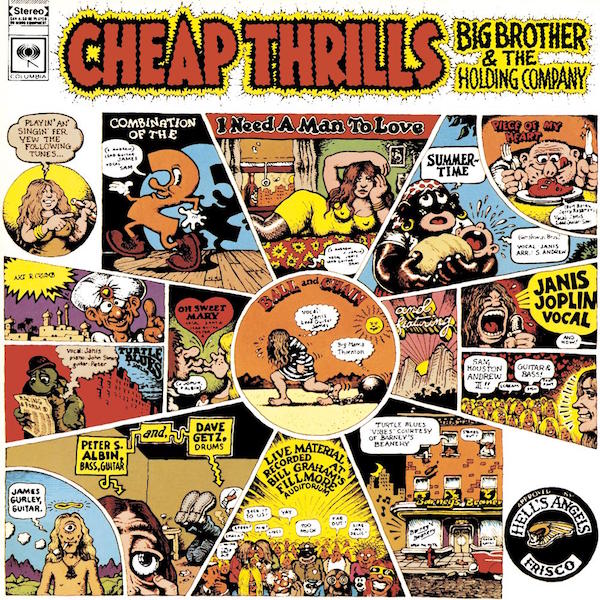







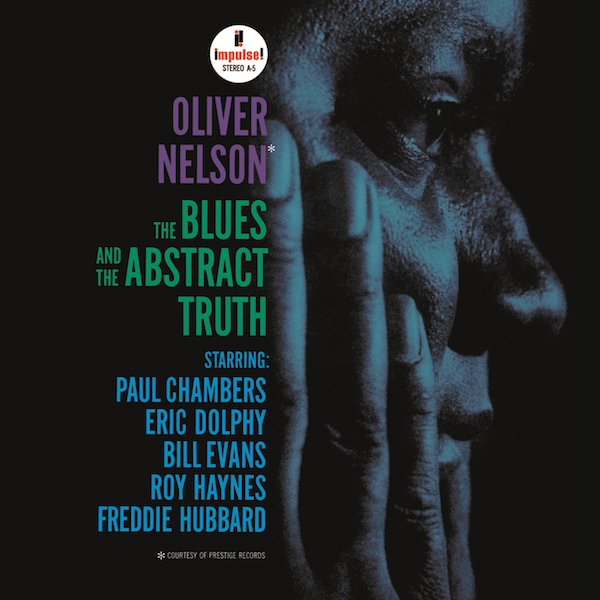
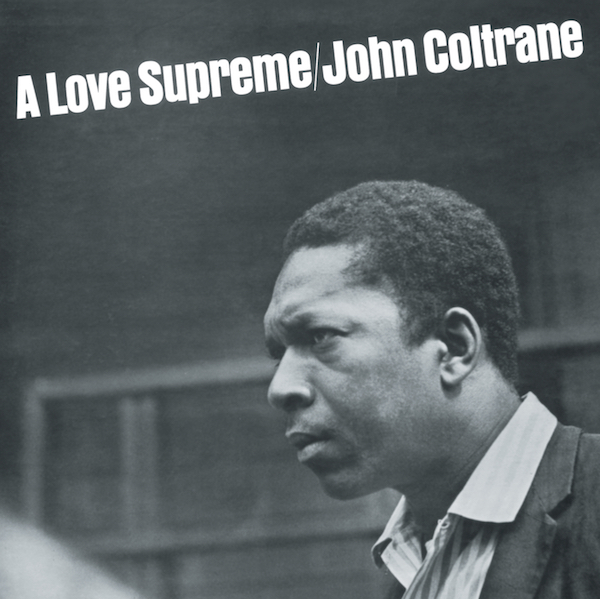
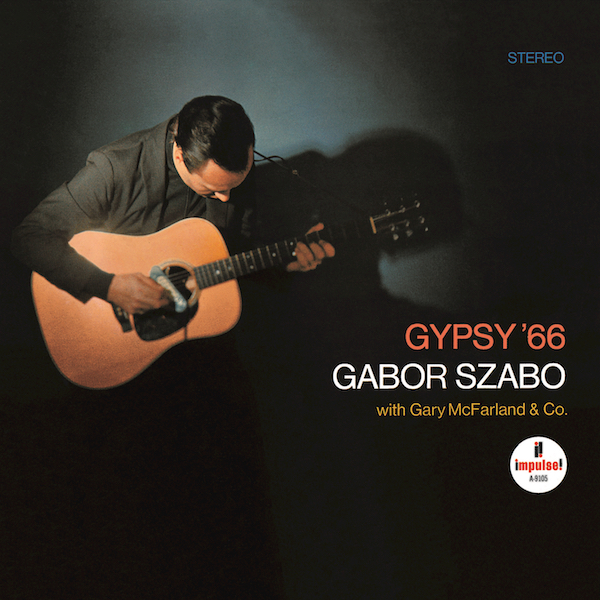
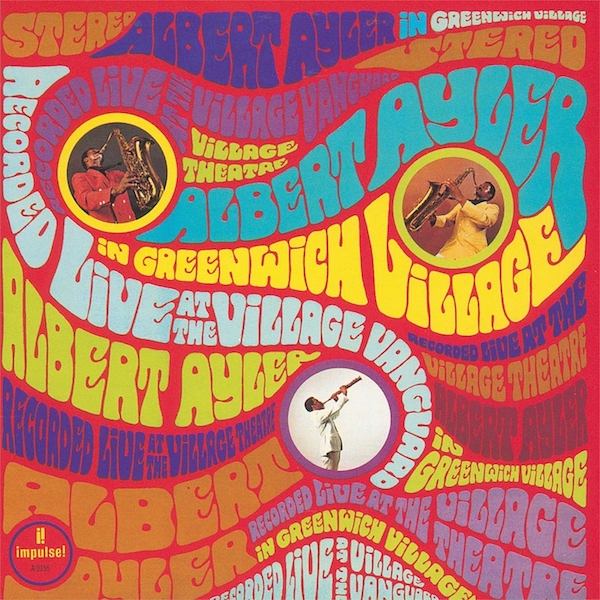
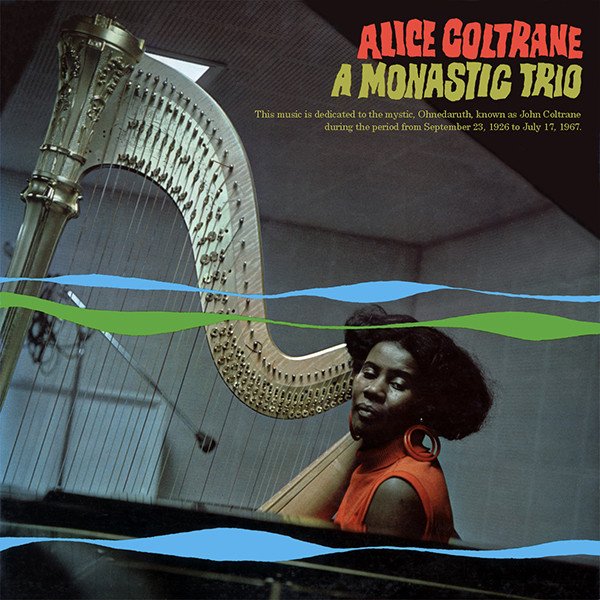
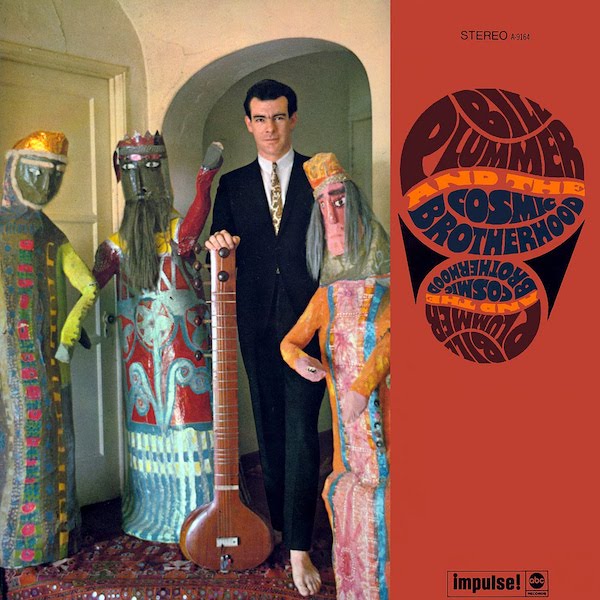
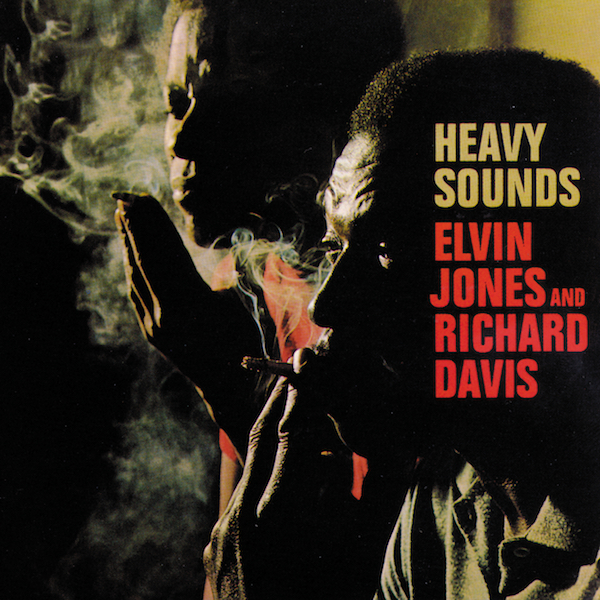
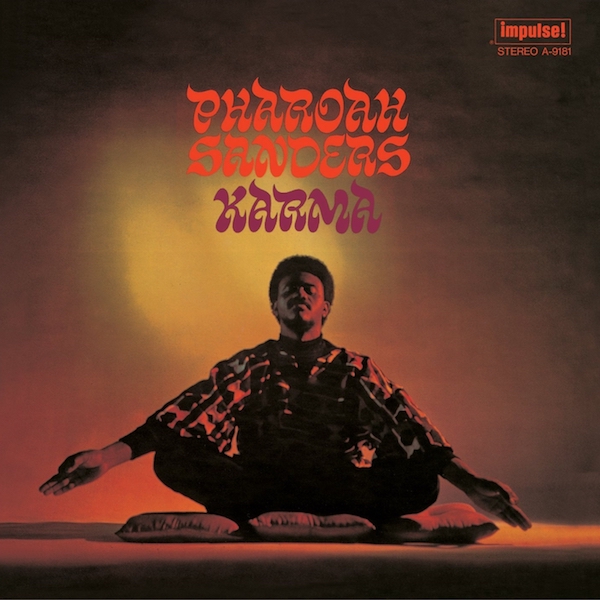
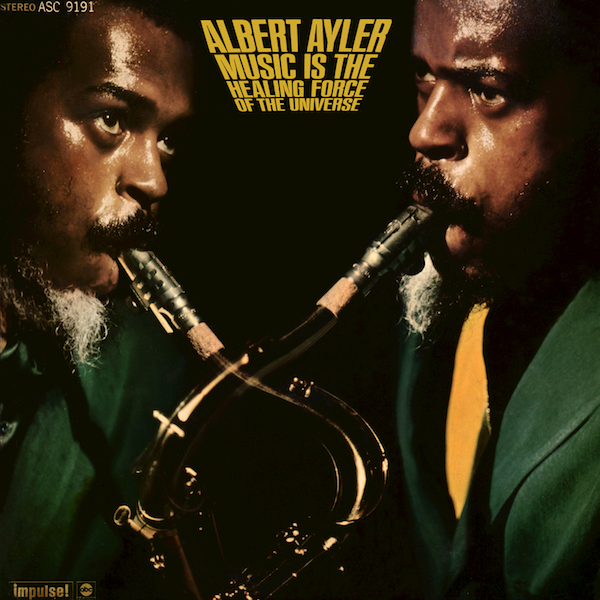
 Cutting edge i 15 år: Fra 1961 til 1976 leverte Impulse Records utgivelser med en visuell skjønnhet og musikalsk kraft som gir rungende gjenlyd 40 år senere. Med den klassiske svarte og oransje ryggen, med omslag som gjorde hvert album til et kunstverk i seg selv og enkeltstående utgivelser som for lengst har gått inn i historiebøkene, preget ikke bare Impulse jazzen gjennom hele 60-tallet Selskapet bidro til å forme den musikalske utviklingen og reflektere en stigende turbulent samtid – en posisjon de færreste plateselskap forunt.
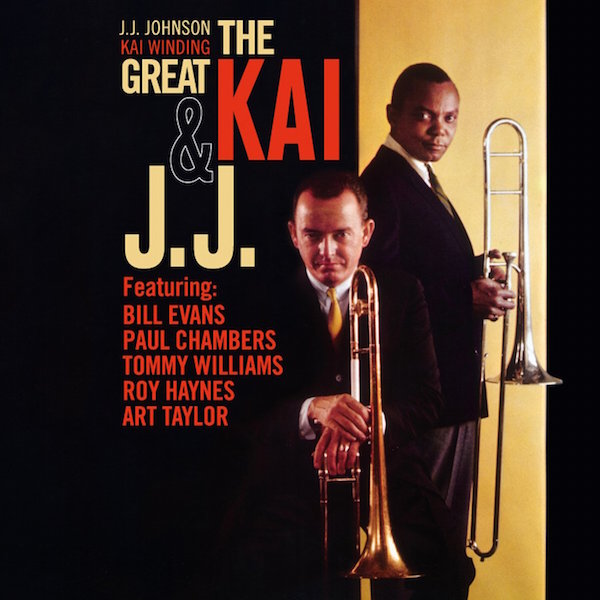 Kai Winding & J.J. Johnson: The Great Kai And J.J.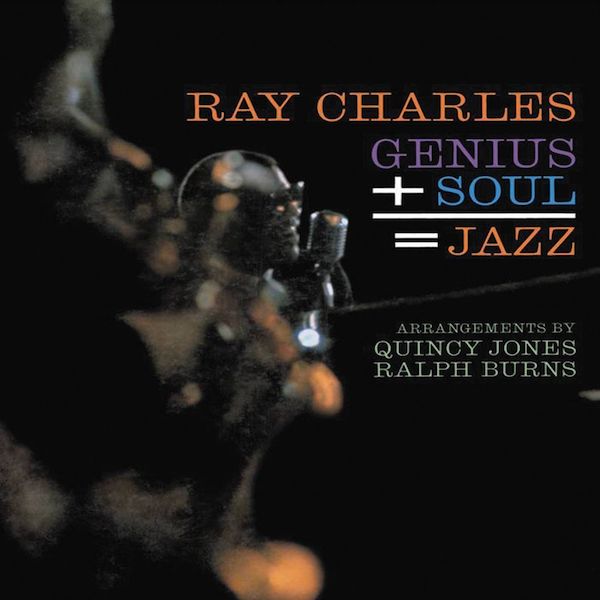






 The first you hear is an impenetrable wall of grinding, chainsaw-like guitars. Then there’s that steady, motoric pounding rhythm that never surrenders. And then this raspy gravel, a spooky baritone voice, like a raging fire and brimstone preacher, with hazy, slurred lyrics that wasp away like smoke.
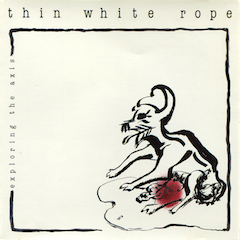 Their widescreen musical scope, borrowing equally from western and eastern influences, is perhaps best described by numerous artists they covered, including Lee Hazlewood (“Some Velvet Morning”), Can (“Yoo Doo Right”), Hawkwind (“Silver Machine”), Suicide (“Rocket U.S.A”) and The Byrds (“Everybody’s Been Burned”). Just as close to Television, Bauhaus and Joy Division than their more successful contemporary counterparts in ’80s American underground (R.E.M, The Replacements, Pixies), Thin White Rope’s desert psychedelia was a far more vast and difficult creature to cast. And despite enjoying a steady fanbase, especially in Europe, they sadly vanished from the common memory following their 1992 demise.
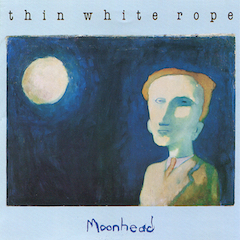 Based out in the Northern California university town of Davis, Thin White Rope often returned to the desert as a recurring trope in their songs, both emotionally and musically. “Soundtrack,” from the same album, also laid a sonic foundation for what to come later; their ability to let an austere tune about alienation (“Windshields are like TV screens/I’m not involved at all”) explode into a ferocious assault as a sneering Guy Kyser goes full Mad Max (“She throws firebombs on the highway/Glass splashing and bushes burning”), revealing a band with a constant underlying rage – a beast they sometimes tamed, sometimes let loose.
 In the Spanish Cave (Frontier, 1988), probably their most well known album, is a tad brighter and even more varied than its predecessors. Ranging from almost joyous tunes (“Mr. Limpet”) to bulldozing guitar assaults (“It’s OK”), it features their most known song, the epic “Red Sun.” In a thorough review celebrating its 25th anniversary in 2013, The Quietus points out how they created an alien take on the unfathomable vastness of the American landscape and its effects on the nation’s psyche, and how they used this landscape, not as representing a sense of freedom, but as an area of something uncanny and unsettling, summing up the album as a “potent, fantastical window onto a malign new phase of the American Dream.”
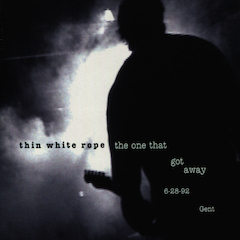 In a fair world, Thin White Rope would be the real heroes. Instead they called it a day after perhaps the most complete effort in their career. The Ruby Sea turned out to be their swan song, described by AllMusic as ‘slowly shedding their more blatantly psychedelic influences and polishing their sound as a surreal and chilling rock band.’ Going out while being at the top of their game – with majestic songs like “Hunter’s Moon” and “Puppet Dog” – the band still had one ace up their sleeve.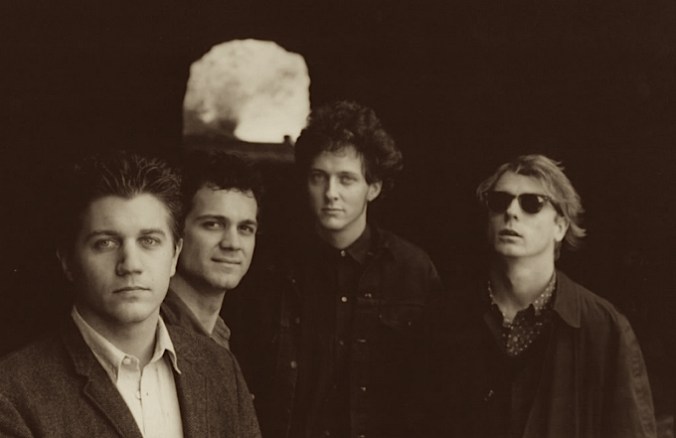
 Who inspired your guitar sound the most?
 Did you have a clear plan or idea from the beginning on what Thin White Rope should be when you first started out playing?
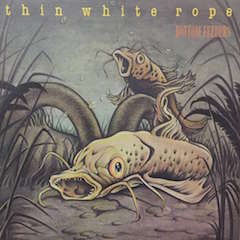 What’s your favorite Thin White Rope album?
 Nede på Jæren vandrer en visesanger. Han heter egentlig Børre Bratland, men som artist kjennes han best som General Forsamling. Han har gitt ut et par fullengdere og en EP som har blitt beskrevet som hardcore hillbilly blues med kølsvarte viser for låvefester og begravelser. Han kan presentere seg selv:
 The Dwarves
 Minutemen
 Descendents
 Raga Rockers
 Serge Gainsbourg
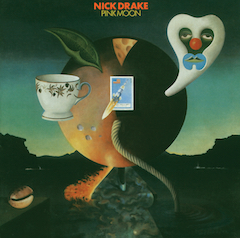 Nick Drake
 The Byrds
 Slayer
 Simon & Garfunkel
 Ramones
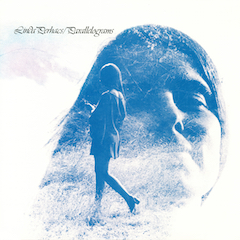 Linda Perhacs
 Bill Fay

 Vashti Bunyan
 Simon Finn
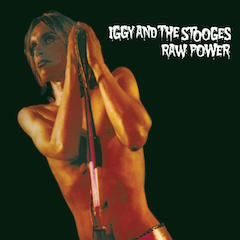 The Stooges
 Ed Askew
 Ben Watt
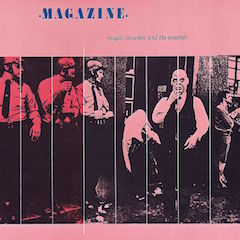 Magazine
 Eagles
 Big Star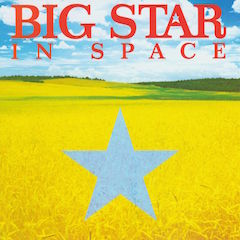
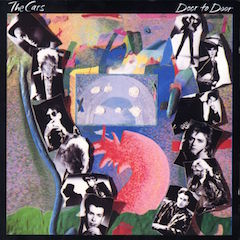 The Cars

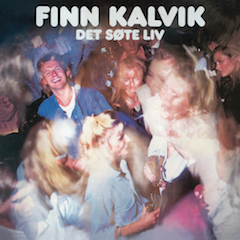 23: Du Vet Du Juger: Finn Kalvik
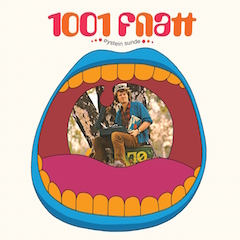 15: Hei, Der og Stikkelsbær: Øystein Sunde
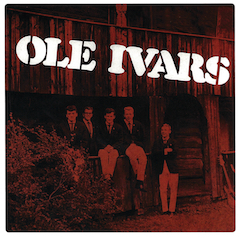 10: Regnets Rytme: Ole Ivars
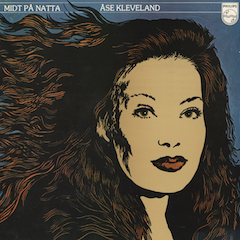 5: Midt På Natta: Åse Kleveland
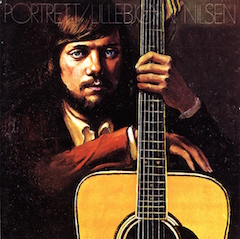 1: Barn Av Regnbuen: Lillebjørn Nilsen
 Natalie Prass har vært på alles lepper dette året. Nå er hun klar for Øyafestivalen 2015. Den 28 år gamle artisten slapp sin selvtitulerte debut til internasjonal anerkjennelse i januar, etterfulgt av opptredener på flere store TV-show. Prass er for tiden på turné rundt i Europa med Ryan Adams. I tillegg til deres egne set, har de også startet å samarbeide. Adams gjør sin versjon av ”Your Fool”, mens Prass er med på flere av hans låter på scenen.
 Ting begynte virkelig å røre på seg når Natalie fant ut at en gammel venn i Richmond hadde begynt å lage musikk sammen med noen lokale musikere. De kalte seg selv for Spacebomb, en produksjonsgruppe som inkluderer et husband, blåserrekke, strykere, og kor. Vennen var ingen ringere enn Matthew E. White, som var ansvarlig for den første Spacebomb-produksjonen.
 The Big Beast