1960-tallet: 100 Favorittalbum

En høyst dynamisk liste over mine 100 favorittskiver fra 1960-tallet – og en høyst personlig rangering, skjønt da den var ferdig ble den til forveksling identisk med den etablerte 60-tallskanoen, med mange av de største tungvekterne trygt på plass. Det ble derfor ikke en så original liste som jeg hadde trodd og håpet, men den er til gjengjeld veldig sterk, og understerker periodens posisjon som da alt kunne skje – og der alt skjedde, ikke minst innen musikken. Det er tre små år mellom “Please Please Me” og “Tomorrow Never Knows”. 1960-tallet var tiåret da musikken tok steget fra singleformat og låtfokus til albumformat og konseptkunst. Det er tiåret da tenåringene  ikke bare fikk frihet fra voksengenerasjonen, men grep mulighetene som bød seg og skapte sin egen identitet. I USA dannet Vietnam-krigen lange skygger over samfunnet, og sammen med økt bevisstgjøring, et skarpere politisk klima, urban uro og ikke minst sosialt og kulturelt engasjement, skaptes en motkulturell bevegelse som strømmet fritt gjennom til musikken. 1960-tallet ga oss Newport og Antibes, men også Woodstock og Altamont. Det var ‘A time for greatness’ og det var ‘the summer of love’, og det var den tunge nedturen som fulgte i dens kjølevann.

Det er ikke mangel på gode plater som er den største utfordringen når 100 favorittalbum skal plukkes fra dette grensesprengende tiåret, utfordringen ligger mest i begrensningens noble art. For å hjelpe litt til, så er utvalget avgrenset ned til to plater pr. artist, ellers ville nok f.eks. The Beatles, John Coltrane eller Miles Davis vært tyngre representert. Rekkefølgen er noenlunde korrekt organisert.

For 60-tallets beste låter: People in the Sun: 100 Favorittlåter fra 1960-tallet


The Velvet Underground & Nico: s/t
(Verve, 1967)

John Coltrane: A Love Supreme
(Impulse!, 1965)

The Beatles: Rubber Soul
(Parlophone, 1965)

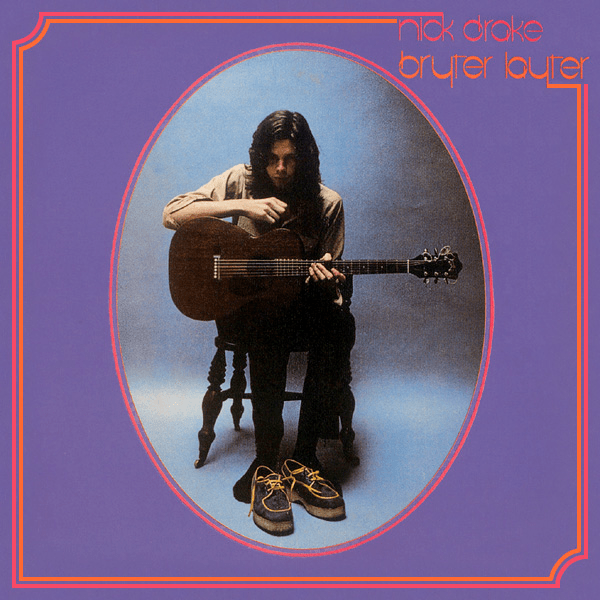
Nick Drake: Five Leaves Left
(Island, 1969)

Neil Young & Crazy Horse: Everybody Knows This Is Nowhere
(Reprise, 1969)

Miles Davis: In a Silent Way
(Columbia, 1969)

Captain Beefheart and His Magic Band: Safe as Milk
(Buddah, 1967)

The Stooges: s/t
(Elektra, 1969)

Frank Zappa: Hot Rats
(Bizarre, 1969)

The Jimi Hendrix Experience: Electric Ladyland
(Reprise, 1968)

….and the rest of the best….:

The Velvet Underground: White Light/White Heat (1968)
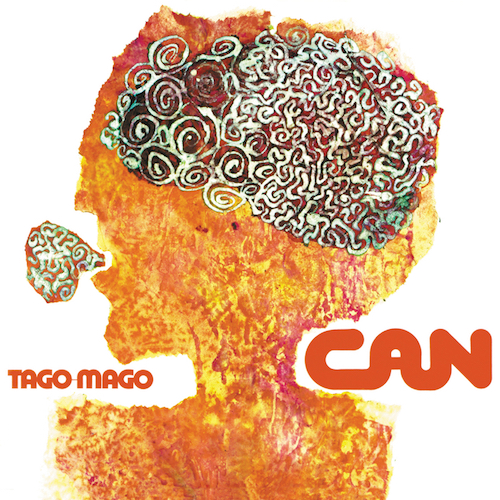
Can: Monster Movie (1969)
The Byrds: Younger Than Yesterday (1967)
Love: Forever Changes (1967)
Dr. John: Gris-Gris (1968)
Creedence Clearwater Revival: Green River (1969)
Bob Dylan: Blonde on Blonde (1966)
Aretha Franklin: I Never Loved a Man the Way I Love You (1967)
The Jimi Hendrix Experience: Are You Experienced (1967)
Thelonious Monk: Straight, No Chaser (1966)

John Coltrane: Live at Birdland (1964)
Captain Beefheart and His Magic Band: Trout Mask Replica (1969)
The Beatles: Revolver (1966)
Bill Evans: Sunday at the Village Vanguard (1961)
Otis Redding: Otis Blue/Otis Redding Sings Soul (1965)
Leonard Cohen: The Songs of Leonard Cohen (1967)
John Fahey: Dance of Death & Other Plantation Favorites (1965)
Ornette Coleman: Free Jazz (1960)
Pink Floyd: The Piper at the Gates of Dawn (1967)
Miles Davis: Miles Smiles (1967)

The Byrds: The Notorious Byrd Brothers (1968)
Crosby, Stills & Nash: s/t (1969)
Van Morrison: Astral Weeks (1968)
Bob Dylan: Bringing It All Back Home (1965)
James Brown: Live at the Apollo (1963)
Caetano Veloso: Tropicalia (1968)
The Band: Music from Big Pink (1968)
Townes Van Zandt: Our Mother the Mountain (1967)
Johnny Cash: At Folsom Prison (1968)
Pharoah Sanders: Karma (1969)


The Soft Machine: s/t (1968)
13th Floor Elevators: The Psychedelic Sounds Of The 13th Floor Elevators (1966)
The Flying Burrito Brothers: The Gilded Palace Of Sin (1969)
The Kinks: The Village Green Preservation Society (1968)
Alice Coltrane: A Monastic Trio (1968)
Townes Van Zandt: For the Sake of the Song (1968)
Van Dyke Parks: Song Cycle (1968)
Os Mutantes: s/t (1968)
Terry Riley: A Rainbow in Curved Air (1969)
Raymond Scott: Soothing Sounds For Baby Volume 1 (1962)

Charles Mingus: The Black Saint and the Sinner Lady (1963)
Fairport Convention: Unhalfbricking (1969)
The Jimi Hendrix Experience: Axis: Bold as Love (1967)
The Seeds: s/t (1966)
Blue Cheer: Vincebus Eruptum (1968)
Tim Buckley: Goodbye and Hello (1967)
The Doors: s/t (1967)
Sonny Sharrock: Black Woman (1969)
Archie Shepp: Mama Too Tight (1967)
The Rolling Stones: Beggars Banquet (1968)

MC5: Kick Out the Jams (1969)
Bob Dylan: Highway 61 Revisited (1965)
The Zombies: Odessey & Oracle (1968)
The Beach Boys: Pet Sounds (1966)
Silver Apples: s/t (1968)
The Sonics: Here Are the Sonics (1965)
John Fahey: The Transfiguration Of Blind Joe Death (1965)
Eric Dolphy: Out to Lunch (1964)
The United States of America: The United States of America (1968)
Yusef Lateef: The Blue Yusef Lateef (1969)

King Crimson: In the Court of the Crimson King (1969)
Led Zeppelin: II (1969)
Dusty Springfield: Dusty in Memphis (1969)
The Zombies: Odessey and Oracle (1968)
Jim Ford: Harlan County (1969)
Shirley Collins & Davy Graham: Folk Roots, New Routes (1964)
Etta James: At Last! (1961)
Tony Joe White: Black & White (1968)
Bill Evans: Waltz For Debby (1962)
Thelonious Monk: With John Coltrane (1961)

Monks: Black Monk Time (1966)
Tim Hardin: 2 (1967)
Isaac Hayes: Hot Buttered Soul (1969)
Buffalo Springfield: Buffalo Springfield Again (1967)
Jan Johansson: Jazz på Svenska (1964)
Nico: Chelsea Girl (1967)
Scott Walker: Scott 2 (1968)
Various Artists: A Christmas Gift to You From Phil Spector (1963)
Roland Kirk: I Talk With the Spirits (1964)
The Shaggs: Philosophy of the World (1969)

Karlheinz Stockhausen: Kontakte (1964)
The Red Crayola: Parable of Arable Land (1967)
Sandy Bull: Inventions for Guitar & Banjo (1965)
Howlin’ Wolf: s/t (1962)
David Axelrod: Songs of Innocence (1968)
Robbie Basho: Venus in Cancer (1969)
Alexander Skip Spence: Oar (1969)
Amon Düül II: Phallus Dei (1969)
AMM: AMMMusic (1966)
Pierre Henry: Messe Pour Le Temps Présent (1967)
The Holy Modal Rounders: The Moray Eels Eat the Holy Modal Rounders (1968)

The Cynics: Rock’n’roll is a very jealous bitch

Pablo Gonzalez, Angel Kaplan, Gregg Kostelich and Michael Kastelic. The Cynics for 4-4

The Cynics ble dannet i Pittsburgh, Pennsylvania i 1983, og har holdt det gående mer eller mindre kontinuerlig siden den gang. Med ett bein i garasjerocken og det andre i en pøl med relaterte stilarter tilhører de en eksklusiv gruppe artister som The Cramps og Dead Moon: Standhaftige, rettroende og ikke minst sikre leverandører av pur, uforfalsket Rock. Stor R.

Sentralt i bandet står Gregg Kostelich og Michael Kastelic, førstnevnte gitarist, produsent og grunnlegger av det helt supre plateselskapet Get Hip (i tillegg til The Cynics, ansvarlig for utgivelser med blant andre A-Bones, Thee Headcoates, Gore Gore Girls, våre egne Kwyet Kings, Sloppy Seconds, Hellacopters og en drøss andre ujålete band). Vokalist Kastelic har vrengt lungene sine i tre tiår, mens rytmeseksjonen har derimot vært svært omskiftelig.

Det har ikke alltid vært like lett å bli en del av partnerskapet til Kostelich og Kastelic, forteller den omgjengelige vokalisten til meg:

– The rhythm section changes over the years are very frustrating! I guess Gregg and I are both very extreme personalities, so sometimes we just drive people nuts! I also think we’ve had some people who like the idea of being in a band but they are not really true musicians.

– Rock and roll can be a very sad and hard life sometimes and if you don’t have it in your soul, then you can’t hang for decades like we have. You find other things that take priority like families, love or real jobs. But rock’n’roll is a very jealous bitch and she won’t let anything or anyone be more important, she owns your soul. Adam and Nathan, the two brothers we have in the band playing bass and drums now, are real musicians, and live only to play. This makes them my favorites ever to play with.

Psychedelic lollipops & midnight special
Jeg ber Kastelic fortelle litt om bakgrunnen til hvordan han og Gregg startet det hele, og han kan berette om hvordan tilfeldigheter førte dem over til en viktig innflytelse: Blues Magoos:

– Gregg and I have had a very similar musical development over the years. We both have childhood memories of hearing 60’s stuff like the Stones & Paul Revere and The Raiders and especially The Blues Magoos’ Psychedelic Lollipop album. We both have that record in common big time. My grandfather was a policeman and they arrested someone who had stolen a bunch of records from a little radio station. After his trial the radio station had replaced the records so my grandfather gave the stolen booty to me. It was stuff like The Blues Magoos, The Foundations, and of course The Animals, and it really blew my mind after listening to Winnie the Pooh records until then.

– As we were children in the 70’s we of course were drawn to the Bowie/Stooges/Cooper scene. I was really into Roxy Music, Eno, Velvet Underground, John Cale, Bowie. I remember seeing The New York Dolls and The Sparks on some TV show called Rock Concert and the David Bowie 1984 Floor Show on some show called The Midnight Special when I was about 10. I had a feeling that there was something more important than music going on. This of course led us to end up in the 70’s Punk scene. We were both in lots of punk bands in the early 80’s and late 70’s. Unfortunately punk rock only really existed until 1978, so being totally disgusted that our beloved punk rock had been corporatized and homogenized, we went back to the earliest music we remembered. Well it was that primal 60’s stuff that really sounded more punk than anything! We weren’t the first to realize this, and we soon discovered there were bands like The Lyres and The Fleshtones who were doing this sound.

Revenge of the living
Dette soundet har The Cynics i stor grad holdt seg til siden de startet i 1983. Det har ikke medført den store kommersielle suksessen, men det er en skjebne Kastelich ar slått seg til ro med:

– I’ve spent my life in the world of ‘sex drugs and rock’n’roll’ but it was a decision that I made when I was just a child. Of course I had planned to be very rich and very famous, and that part of the plan never really worked out now did it? That started to become less and less important and now I’m actually grateful it never happened. If we had gotten money and fame I would probably be dead now.

Michael Kastelic har vært gjennom en ganske tøff periode. Det tok 8 år fra Get Our Way (1994) til den talende titulerte comebackplaten Living is the Best Revenge (2002). Hva skjedde egentlig?

– I find it really hard to believe. I was on drugs and a little jail time during that period. I also believe I had a nervous breakdown and was suicidal. It all seems like a dream now and in retrospect, it only felt like it was a few months, not years. At any rate there is no excuse and I cannot figure out why we don’t record more. We usually end up playing so much after a record comes out that recording a new one gets put aside…

Hvordan vil du beskrive deres hittil siste utgivelse som ble til i samarbeid med Tim Kerr?

– I really liked working with Tim Kerr. He has a fantastic attitude that puts you at ease, yet keeps you on your toes and trying your best. I think it’s a really great record. I really love the songs “Revenge”, “Making Deals”, and “I Got Time”. I also think the cover and layout are really outstanding.

– I still hope, in my mind though, that someday we can make a record that I will just love more than anybody else’s!! This could probably never happen because I can’t really look at my own work and be objective. I think I can feel it if a show is going well, but a record could be different at different times. Sometimes a record sounds great, and on a different day I don’t love it. Living is the Best Revenge is the best garage record I’ve heard in a while. It sounds best if you play it really loud and listen in a different room!!

Get hip, or get lost
– Personally, I’ve never been happier in my life. I think the band has a lot of really good fans who dig our music and that makes for really great tours and shows. I would much rather have a bunch of really cool people who know what the music is about, than to try to convert the world of assholes to garage rock. We still preach the good word, but remember, it’s Get Hip or Get Lost!!

Hvordan har bandet utviklet seg gjennom årene?

– I believe we are more focused now than in our early years. Older? Of course. Wiser? I dunno’ but I hope so. More Cynical? Maybe less cynical and more accepting of our fate. I think we’re more relaxed and comfortable in our own ugly skins, but that’s only natural. In most ways it’s still the same as the first show ever, every time we play I still get the same feeling. That feeling when Gregg’s guitar and my voice blend together to make this unique and thrilling sound. I’m really a fan of that perfect live show sound. It seems like we’re getting more of that magic lately than in some previous line-ups.

Som en av de opprinnelige garasjerockerne der ute, hva kan du si om dagens tilstand for genren?

– The state of garage rock today I think is very good. I realized this again when we put the band on MySpace and I see again how many young people are really into the sound and how many young bands are so good at it. There are of course always people who are trying to make garage rock into a commodity, and tell you that bad new wave like The Strokes is garage rock. But who cares? They can’t kill the punk spirit just by misrepresenting it. As long as there are snotty young brats, whether they have basements, or garages, or just make music alone in their rooms, then garage punk will live in the subterranean dark caves as it always has and always will. That’s where it belongs and the hip people know where to find it.

Hva kan publikum forvente av en konsert med The Cynics ?

– With Adam and Nathan in the band we like to do a straight forward ‘power set’, we call it. Just bang-bang-bang song after song without any breaks or me babbling. We try to do the songs that people like to dance to. You never know though, they can certainly play some of the ballads beautifully and we will try to throw in some different selections for each show. What can you always expect from The Cynics? The singer will be drunk and the guitar will be loud!

Kastelic kan også gi følgende eksakte beskrivelse av vårt land:

– Every time we have been to Norway it has been cold, expensive, delicious food and very beautiful. Beautiful people and beautiful scenes. The land, the air, the architecture, the fashions – I love it all! I know everyone in Norway knows how to dance and shake! I know the food is rich and filling! I know the liquor is very expensive!

Noen spesielle minner fra tidligere besøk?

– I remember going to the cool college radio station in Bergen in ’94, riding a train and seeing both moose, and the town of Hell, eating moose steak, playing in a fallout shelter, having my sinuses explode on a plane to Tromsø, hanging out with The Launderettes, Johan from Thee Mono Sapiens, Egon – the rock’n’roll mayor of Tromsø, how bad King Kahn’s body odor smelled in Moss, eating at a Chinese buffet in maybe Bergen again… In other words I have nothing but fond memories of Vikings and cavemen and cavewomen!

Sier Kastelic, som har hatt en nær-døden opplevelse også her:

– One time, we took a plane from Oslo to Bergen, and our tour manager & merch person took the van to the next place after Bergen. They almost died in a van accident in the ice & snow. If we were in the van we probably would be dead because all the backline crashed through the passenger area. So I know that Norway is lucky for us and the Nordic Gods approve!

Vi får håpe det går bra også denne gangen. Det er i hvert fall ingenting som tyder på at denne gjengen ikke gir alt når de nå igjen nærmer seg norske scener:

– As far as playing the punk garage in front of people, it’s something I can’t STOP doing. It’s an addiction worse than the smack. It is also very selfish on my part because I think I’m having a better time than the people in the audience!! Really, when I see people smiling and dancing it makes me so happy I want to cry. Sometimes I do cry…

Bjørn Hammershaug

Dette intervjuet ble først publisert i 2006.

Ze New York Groove: Michel Esteban & ZE Records

New York in the mid 1970s was quite possibly the most dynamic and vibrant music scene the world has ever witnessed.

In the midst of a broken city, where rising crime, frequent blackouts and piling garbage made up the scenery, artistic spirits from all over found a creative haven to express their own art. The city’s miscellaneous scenes also opened up for a multitude of constellations across different genres, embracing both the nihilistic and the hedonistic.

A cultural melting pot thrived in this urban wasteland, stirring up sounds never before heard, setting the bar for forward thinking music for decades to come – not to mention leaving some of the world’s greatest recordings in its wake.

In the middle of it all, Michael Zilkha, the affluent heir of a U.K. retail chain, and Michel Esteban, owner of an iconic Parisian concept store, willfully entered the zeitgeist and became crucial parts of it all – absorbing both the filthy no wave and punk rock from CBGBs and Max’s Kansas City, as well as the energetic and rhythmic underground disco from clubs like Paradise Garage and the Loft.

In 1978, Zilkha and Esteban founded ZE Records as an imprint to embrace both these trends.

In just a few years they released significant and influential recordings by artists like Was (Not Was), Suicide, Kid Creole and the Coconuts, Lydia Lunch, James White (a.k.a. James Chance), Cristina, Lizzy Mercier Descloux and many others. The sound of ZE Records and the sound of New York are inherently linked. Both nourished the meetings of different genres, tastes and ideas – whether it was avant-garde, salsa, calypso or noise – blending it all into a hybrid of global grooves and urban decay.

Earlier this year Light in the Attic re-released Lizzy Mercier Descloux’s seminal debut record, Press Color, attracting renewed attention for both Descloux and ZE Records. We used the opportunity to Skype up with Michel Esteban, currently based in Thailand (and recovering from a broken collarbone due to a recent motorcycle accident) for a chat about ZE Records and his fascinating career, as well as French new wave, British punk, and of course the brilliant heyday of the New York underground and downtown scenes.

Was (Not Was)

Was (Not Was)

Michel Esteban was far from a newcomer when he started up ZE Records with Michael Zilkha.

His Parisian store, Harry Cover, specialized in imported records, books and rock merchandise, and became an epicenter in the French capital for local new wave bands.

– Yeah, it turned into an important place for Parisian bands, so I soon became involved with music. We had a rehearsal place in the basement, and this band Marie et Les Garcons came to see me with a demo. And I just said, “Let’s release it as a single.” It was very simple. That’s how it all started; just as a fun thing at the beginning. I had no idea of distribution deals or anything; we just sold it from the shop and through mail order.

Esteban had at the time already spent some time in New York, writing for the Village Voice and covering the new sound as publisher of Rock News, writing about artists like Ramones, Television and Patti Smith, and connecting it with the bourgeoning downtown scene. He had previously published Patti Smith’s books, Witt and The Night, leading to a friendship with John Cale, who Patti introduced to him to while Cale was producing her iconic debut, Horses. 

– I sent the Marie et Les Garcons’ demo tape to John in New York, and at that time such things took ages. But two-three months later he mailed back and said he’d like to produce their song “Re Bop” in New York.

How will you describe the scene in New York back in those days?

– At that time, New York underground was like 50 or 100 people, and you always met the same people around. Most of the people you met at CBGB’s or Max’s Kansas City were in bands, or they were groupies or friends of the bands. Also, there were not too many places to go to.

– In such an environment it was only natural that Talking Heads opened up for The Ramones. Musically they were very different, but you know, that happened at CBGB’s. After the show everyone just hung out by the bar, all the musicians stayed there, and they were all more or less like friends, even though there were lots of differences between people. Things happen like that, and I don’t think then we realized it was of any importance.

Cristina

Cristina

Did you sense that there was something new in the air?

– It was definitely something new, and definitely a break from the past, at least for a couple of years. It didn’t last that long. That’s why I call my upcoming book ‘Right Place, Right Time.’ It happened in the right place, at the right time. I don’t know why. Things go in circles, five years prior nothing much happened, and then it suddenly exploded, and lasted for three or four years.

– I was lucky enough to be there, and I was lucky enough to be in London and witness the beginning of The Sex Pistols, The Clash and the birth of British punk. I saw all their first gigs too. When Malcolm McLaren came into my shop in Paris he played me the demo of the Sex Pistols and asked me to come and see them in London the following month. It just happened.

What was your experience of New York the first time you arrived?

– It was just like expected, because I was such a big fan of New York. And New York for me was the films of Martin Scorcese and John Cassavettes, and the music of The Velvet Underground. So when I arrived in New York in 1974, I was in the film. When you went to Times Square in ‘74, it was not Disneyland, it was Taxi Driver.

– I’d been dreaming of New York for so long, and being 22, 23 at the time, for me it was a dream come true. It was a fantasy. But it was real. New York at that time was a very interesting place. It was bankrupt and violent, but lots of things happened. So for me it was just great.

From 1977 and onwards, Esteban started spending more time in New York than in Paris.

Around that same time John Cale called and wanted him to join his new label, Spy Records. Spy was a joint effort between Cale, Esteban, Jane Friedman (John and Patti’s manager) and Michael Zilkha. The collaboration lasted just a few months, until Zilkha and Esteban decided to start their own label: ZE records. One of the early key figures in the ZE circuit was his then-girlfriend, Lizzy Mercier Descloux.

How did you meet up with her in the first place?

– It is a very romantic story. I lived on rue des Halles in Paris, where I had my shop in the basement and my apartment on the fifth floor. Lizzy lived right in front of my building. I saw her the first time on the balcony, and thought she looked like a, you know, a really lovely girl. She was always riding a bike, and parked it in front of our building. So one day I just put on a note, telling her she looked nice and asked if she’d like to drop by my shop. She came, and we stayed friends for 40 years.

Lizzy died of cancer in 2004, but left behind her a vast catalog of music and art. Together with Esteban, she became an integral part of Harry Cover and the Rock News magazine. She joined him over to New York and together they befriended people like Richard Hell and Patti Smith.

– [Lizzy] was very instinctive. She never wanted to be a professional or learn too much. In a way that was good, but that was also her limit. It’s great for the first album; when you’re fresh and want do discover everything – even if the professional musicians and the studio say no. So, in the beginning it’s a quality, after a few albums… it’s not a quality anymore. You have to learn things in a way. But she was like that, more of a poet than a singer and musician.

Lizzy Mercier Descloux

Lizzy Mercier Descloux

Descloux followed these instincts on her debut album, Press Color, recorded over just a few days in February 1979 at Bob Blank’s legendary Blank Tapes studio.

– We came into the studio without one song. We had two ideas: doing cover versions of “Mission Impossible” and “Fire.” That’s it; the rest came in the studio just playing with the musicians.

What are your thoughts on ‘Press Color’ today?

– I still love it, because I can still see in detail how everything happened. And 35 years later people not even born at the time love it, and I’m amazed to read all the wonderful reviews, like when Pitchfork recently gave it a Best New Reissue. Great! I’m not gonna complain! But if you had asked me that question in 1979, I’d be like “Come on, we won’t care about this music in 35 years.” But it’s still there. And people enjoy it, so I guess we did something right.

During its existence ZE developed into an independent and varied entity with a particular esthetic line, covering the arty New York underground scene and the strong individualities that composed it.

At the height of their powers, ZE was hailed as “the best independent record label in world” by Melody Maker, and “the world’s most fashionable label” by The Face. Their influence on modern music is indisputable.

As Spin wrote a while back, “Like all great independent imprints, ZE took chances on oddballs nobody else would. And on the dance floor, at least, it had hits. These have been compiled in countless sequences over the decades, and their influence still echoes through contemporary music – from M.I.A. to Buraka Som Sistema, LCD Soundsystem, Electric Six, Ke$ha, Scissor Sisters, K-Pop, and New Orleans sissy bounce.”

Kid Creole

Kid Creole and the Coconuts

Ze released a steady stream of landmark releases, including James White and the Blacks’ Off White (1979), Lydia Lunch’s Queen of Siam (1980), the eponymous debut by Was (Not Was) (1981) and The Waitresses’ “I Know What Boys Like” (1982) – just to name a few.

Are there any of your own releases you hold especially dear?

– Oh, there are lots of them. I really like Kid Creole and the Coconuts, Material, Lizzy, Cristina, the second album by Suicide is really good. I absolutely love their song “Dream Baby Dream.” You know, we only did albums with people we liked, absolutely not in a music business sense with promotion, expectations and all that. We just did it! Fortunately we had money, and we had a good distribution deal with Chris Blackwell and Island Records. But basically we were just kids wanting to have fun.

You mentioned Suicide and the notorious Alan Vega. Did you become friends with him?

– Well, not exactly friends. [laughs] But obviously we knew everybody. You know, Michael [Zilkha] was the son of a billionaire, which is very rare in the music business, while I had some money from my shop. We literally were the two people with money. We were the bank to people whose life was very difficult in New York at the time. So that relationship was a bit strange, and something especially Michael had to manage when a guy like Alan Vega came up and demanded money. But we managed, and looking back 30 years later I think we did pretty good.

Suicide

Suicide

How will you describe the relationship between you and Michael?

– Almost everything we did was something we really wanted to do. Some ideas were mine, some were Michael’s work, and I was not crazy about all of them. We were different. I’m French, so even if I speak English I cannot read Shakespeare in English. Whilst Michael was raised in England, he went to Oxford and he was more into lyrics than me.

– I was into the music. The first records I bought as a kid – by The Beatles, Stones or Beach Boys – I didn’t understand a fucking word. It was all about the music and the spirit of the words. Michael read the lyrics first. He signed Davitt Sigerson for example, because he loved the words. I was not too crazy about the music, but that was his thing. And that was OK too.

What are your views on the music being made today?

– Look, I’m 64 years old. I’ve been listening to music since I was 10. I’ve been listening to so much music; it’s very difficult to impress me. When I hear new music I often say, “well, it’s not bad, but it reminds me of this or that,” you know? Listening to stuff that reminds me of music I’ve already experienced doesn’t really excite me.

– What excites me today is when I listen to something I haven’t heard before. Now I listen to lots of hip-hop music, there’s some productions there that’s just… wow! I’m not crazy about the lyrics and the melodies are sometimes not there, but on the production side there so much great stuff. For me, that’s new. I like a recording that says, before this there was something, after this there’s something else. I like albums that changes things, like what Massive Attack or Björk achieved in the ’90s.

James Chance, 1980. (Credit: Edo)

James Chance, 1980. (Photo: Edo)

Do you feel ZE Records has gotten its due recognition?

– We never cared about that when we started. It was all about just doing it. When the album is done, it’s done. Of course you’re happy if it sells and gets good reviews, but there’s nothing else you can do. It’s done, and you did it the best way you could at that time. I enjoy good reviews, but there’s nothing to do about it.

– Neither Michael nor me were looking for big success or recognition, we were interested in what we wanted at that time. Same thing as now: I’m living on a paradise island, just doing what I want to do. And to me that’s the most important thing about life. The rest – success, glory, money – if it comes, okay, but don’t sacrifice anything for it.

In 1982 Michel Esteban left New York and ZE Records to pursue other solo adventures, while still working with music as a producer.

Michael Zilkha closed down ZE Records two years later, in 1984, but in 2003, Esteban relaunched the imprint, which has released more than forty albums since 1978.

Bjørn Hammershaug

(first published on read.tidal.com, October 2015)

The Album Art of William Schaff


william_schaff_1200 When it comes to rendering outstanding album artwork, few have proven so consistently capable as William Schaff.

The stunning and significant work of Schaff is closely connected to the visual imagery of indie veterans Okkervil River, who, with the exception of 2016’s Away, have used Schaff as their main contributor throughout their entire career. But William Schaff is also responsible for creating iconic cover art for the likes of Godspeed You! Black Emperor, Jason Molina and many others. As such, we aim to pay a humble tribute to William Schaff with this graphic presentation on some of his musical work from 2000 and up until today.

A graduate of the Maryland Institute College of Art, William Schaff is now based in Warren, Rhode Island where he resides in a large house inherited from his late father, one that, having been threatened with foreclosure on numerous occasions, is affectionately called Fort Foreclosure. (So if you ever thought making visual art is a luxury business, think again and consider donating some bucks in order to keep Fort Foreclosure and the artistic visions within it up and running.)

Human loss, suffering, death, skulls, skeletons, and human-animal hybrids are recurring themes in Schaff’s work, characterized by fairy tale-like qualities inspired from such hefty sources as the Old Testament, The Holocaust and Lewis Carroll. Working with various techniques like embroidery, wood cuts and collage, his pieces include drawings, scratchboards, mail art, motion pictures, comics and more.

While playing with various excellent bands (The Iditarod, Black Forest/Black Sea), Schaff ran into Canadian post-rock stars Godspeed You! Black Emperor in Montreal, resulting in the aforementioned group’s use of Schaff’s art for the cover of their now-legendary Lift Your Skinny Fists Like Antennas to Heaven. Such offered Schaff a proper window into the music business and soon after an initial meeting with Okkervil River’s similarly named Will Sheff (and yes, people tend to confuse the two) would bloom into a longterm professional relationship, as well as a friendship.

Making art for such highly  profiled bands over the years has rightfully garnered increased interest in Schaff’s work. More than most, Schaff is an artist who’s managed to give visual pleasure to gorgeous music with great consistency over the years.

In 2012, Graveface Records published the book From Blacksheep Boys to Bill Collectors: The Music-related Artwork of William Schaff, including a 10’’ record of previously unreleased songs by Jason Molina – the last of his music to be released during his life.

*   *   *

Godspeed You Black Emperor:
Lift Your Skinny Fists Like Antennas to Heaven

(Constellation/Kranky, 2000)

godspeed_lift

Okkervil River:
Don’t Fall in Love with Everyone You See

(Jagjaguwar, 2002)

okkervil_dontfallinlove

Songs: Ohia:
The Magnolia Electric Co.

(Secretly Canadian, 2003)

magnolia

Okkervil River:
Down the River of Golden Dreams

(Jagjaguwar, 2003)

okkervil_dreams

Dreamend:
Maybe We’re Making God Sad and Lonely

(Graveface, 2005)

dreamend_Maybe We're Making God Sad and Lonely

Kid Dakota:
The West is the Future

(Chairkickers, 2004)

kid_dakota_west

Okkervil River:
Black Sheep Boy

(Jagjaguwar, 2005)

okkervil_blacksheep

Okkervil River:
The Stage Names

(Jagjaguwar, 2007)

okkervil_stage

Okkervil River:
The Stand Ins

(Jagjaguwar, 2008)

okkervil_standins

Kid Dakota:
A Winner’s Shadow

(Graveface, 2008)

kid_dakota

Okkervil River:
I Am Very Far

(Jagjaguwar, 2011)

okkervil_iamfar

Brown Bird:
Fits of Reason

(Supply and Demand, 2013)

Cover2Final.pdf

Okkervil River:
The Silver Gymnasium

(ATO, 2013)

okkervil_silver

Gravenhurst:
Offerings: Lost Songs 2000-2004

(Warp, 2014)

gravenhurst

Swearing at Motorists:
While Laughing, The Joker Tells The Truth

(A Recordings, 2014)

swearing_motorists

Brown Bird:
Axis Mundi

(Supply and Demand, 2015)

brown_bird

Jason Molina:
The Townes Van Zandt Covers

(Secretly Canadian, 2016)

molina_townes

Follow William Schaff on Instagram for frequent updates on his current work: (@williamschaff).

Bjørn Hammershaug

Chuck Prophet: 5 Albums That Changed My Life

chuck_prophet_1200Chuck Prophet will forever be closely linked to his less than 10-year stint in the seminal Paisley Underground outfit Green On Red.

But despite his major contributions to the band, particularly on albums like Gas Food Lodging (1985) and The Killer Inside Me (1987), and his potentially career-defining role in shaping the alternative rock sound of the 1980s, Prophet has managed to maintain an eclectic and wholly worthwhile solo career since 1990.

Well established as a prominent singer, songwriter and genuine storyteller, Chuck Prophet draws from the rich well of Country and Folk as well as from Rock & Roll, putting out solo work on esteemed labels like Fire, Cooking Vinyl and Yep Roc, in addition to working with legendary artists like Lucinda Williams, Jonathan Richman, Alejandro Escovedo, Warren Zevon, Aimee Mann and more.

His solo catalog includes the critically-acclaimed Homemade Blood (1997), Age of Miracles (2004), ¡Let Freedom Ring! (2009) – a collection of political songs for non-political people – and his homage to his hometown of San Francisco, Temple Beautiful (2012). Out today, Bobby Fuller Died For Your Sins is a set in the style of California Noir, complete with songs about doomed love, inconsolable loneliness, rags to riches to rags again, and fast-paced, hard-boiled violence.

To celebrate his new album, we asked Chuck Prophet about 5 albums that changed his life.

*   *   *

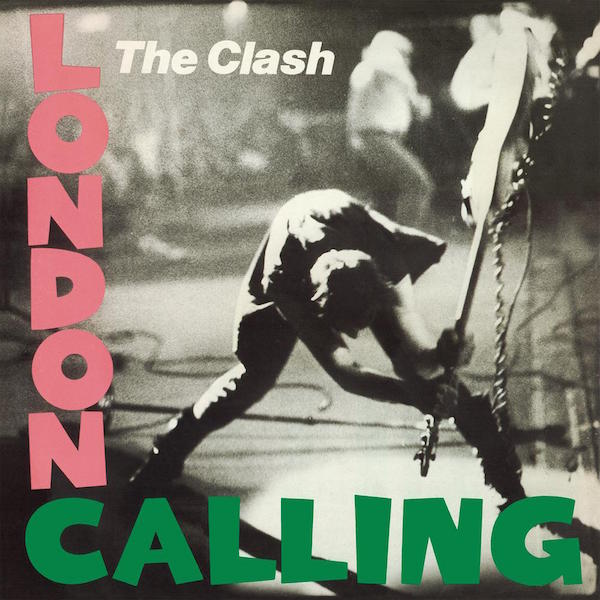
clash_london_callingThe Clash
London Calling

Punk rock encouraged us all to pick up a guitar and form a band and lay it on the line in an effort to express ourselves. But for me, it was this record that showed us what was possible with punk rock. It’s all in there. The straight-up disco of “Train in Vain.” The Bo Diddley-goes-to-Jamaica of “Rudie Can’t Fail.” The rockabilly of “Brand New Cadillac.” This record, to this day, is a kind of gateway drug for the kind of records I aspire to make. It’s ultra-distilled. London Calling is The Clash’s 200-proof masterwork. The ultimate proof of anything.

kelley_stoltz_antiqueKelley Stoltz
Antique Glow

I love all of Kelley’s records, but Antique Glow was where I came in and it will always hold a soft spot in my heart. Although a Detroit transplant, Kelley is a San Francisco treasure. If you’re ever in San Francisco and you’re a record geek and like to talk shop, or you just want to chat up someone with a PhD in Echo and the Bunnymen and a master’s degree in obscure Brit-folk, visit Grooves Records in SF. You might be lucky enough to show up on a day where Maestro Stoltz is behind the counter.

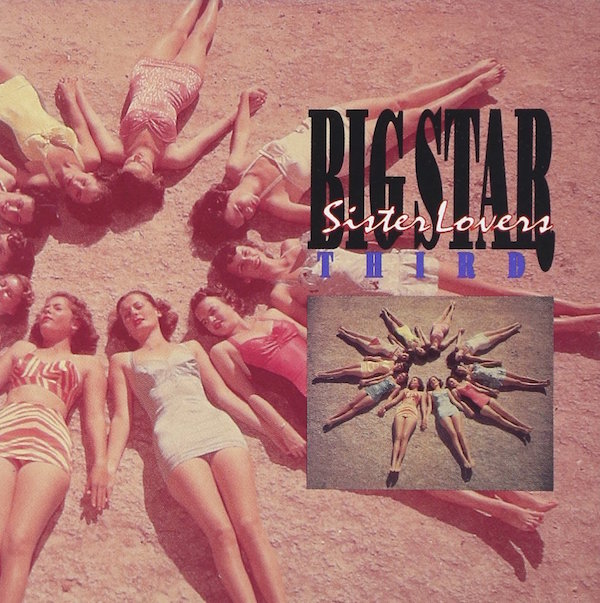
big_star_thirdBig Star
Third (a.k.a. Sister Lovers)

There are records that I get smitten with and then there are those few records that I return to again and again. This is Alex Chilton’s abstract expressionist masterpiece and a record that’s never let me down. With Jody Stephens behind the kit, John Fry behind the board and Jim Dickinson very much in his corner, Big Star’s Third (aka Sister Lovers) is a triumph. They say that Alex was bitter by the time Sister Lovers came around. Whatever. Hell, I don’t hear it (the bitterness). I hear beauty. The performances are loose. Effortless. Wild and free and off the cuff. But there’s nothing half-assed or anything. It’s a mystery to me how it all comes together. And I love it. I love when Alex sings, “I first saw you, you had on blue jeans . . .” It’s poetry. From the heart, from the soul. Compositionally, this record, it’s actually quite sophisticated. And with Alex’s 3 A.M. first takes and the beautiful Carl Marsh strings, it’s really the perfect marriage of the street and the regal.

jjcale_naturallyJ.J. Cale
Naturally

There are those records that you can just turn people on to, ones you know will give pleasure. J.J. Cale’s Naturally was one record that we could all agree on in the Green on Red van. The songs are short. Very demo-y you might say. It’s a mystery that stays a mystery. It’s the best place to start with J.J. – at the beginning. Sure, he plays one hell of a slinky guitar and all that, and half the songs were covered by people who turned them into bona fide hit records (“Call Me the Breeze,” “After Midnight,” “Magnolia”), and he was a stone-cold cool cat, but what he really did with this record is show me how record making can be elevated to an art form. J.J.’s the OG sonic auteur. I don’t know how he made this. Maybe the trick is that J.J. engineered his own records. More likely, there’s no trick at all. Whatever . . . it’s a masterpiece. Check it out for yourself. The whole record is all of 30 minutes or so, what have you got to lose? His guitar and vocal are low in the mix. Lean in. It’s worth the lean.

lou_reed_new_yorkLou Reed
New York

Ah man, I’ve worn that record out. It’s part of my DNA now. And giving credit where credit is due, it has had a massive influence on my writing. With every new record I make, if I’m lucky, I’ll catch a kind of inspirational virus, and if it keeps me interested, I can follow it through. The virus usually starts with two or three songs that take me someplace I haven’t been. Temple Beautiful was my San Francisco record, one where we tapped into the history, weirdness, energy, and spontaneity that brought me to San Francisco in the first place. I would never put myself next to Lou, but in a way, Temple Beautiful was my New York.

Bjørn Hammershaug

Ranheim: Rock, Science & Humor

ranheimMed Rock & Science plasserer Ranheim seg i en tradisjon som egentlig ganske få norske rockere har utnyttet i særlig grad. Det er lyden av Steve Albini (Big Black, Shellac), de atonale støymagikerne Jesus Lizard, presise Helmet, og tungvekterne Melvins som skildres fra de trønderske tre.

Admiralen, som nærer en mistenkelig likhet til produktive Per Gisle Galåen (Del, Slowburn, The Birds med mer) besørger ikke bare de hvasse gitarene, men også bandets småskrudde tekstlinjer.

Jeg oppsøkte den alltid romfartskledde Admiral Ranheim på et maritimt sted, i et forsøk på å finne ut litt mer om dette bandet. Som for eksempel deres tydelige hengivenhet overfor hjemplassen.

Frustrert pappkasserock
– På grunn av papirfabrikken er det et typisk arbeiderklassested, og navnevalget dreier seg litt om stolthet over våre røtter, forklarer Admiralen. Dessuten gir det en del gratis oppmerksomhet, i hvert fall der oppe, men mest av alt synes vi at det er et kult navn på et band.

Kapteinen og Admiralen vokste opp sammen, og startet med å spille frustrert pappkasserock allerede på barneskolen, mens Don er noe eldre og tilhørte de tøffe, skumle guttene som de ikke turte å snakke med på den tiden. Da gikk det mest i populære artister som Bowie og Michael Jackson, før de falt i heavyrockens felle en gang på ungdomsskolen. Den store musikkinteressen førte etterhvert guttene bort fra papirfabrikken og mot Trondheims undergrunnsmiljø sentrert rundt UFFA-huset:

– Det var helt klart et viktig miljø, der man kunne møte likesinnede, gå på konserter fra man var 16 år og oppdage ny musikk. UFFA var veldig viktig for musikkscenen i Trondheim, i hvert fall da vi vokste opp der.

Den ultimate Shellac-platen
Ranheim er ikke landets mest produktive orkester. Debutplaten Rock & Science har vært mer eller mindre klar i halvannet år, øvinger skjer sporadisk grunnet geografiske avstander og konsertvirksomheten er flyktig. De tre er involvert i en rekke andre prosjekter, men Ranheim skiller seg noe ut fra det de ellers driver med.

– Vi startet vel med en tanke om å lage den ultimate Shellac-platen, men med årene fant vi vel ut at det ikke var mulig, og har heller utviklet oss til å gjøre mer våre egne ting.

Inspirasjonen er uansett ganske klar, og Admiral Ranheim forteller at dette bandet er et naturlig møtested for de tre medlemmene:

– Alle har rockebakgrunn, men vi både hører på og driver med mye annet, så lyden av oss er på en måte et kompromiss mellom det vi har felles, ikke minst band som Jesus Lizard, Melvins og mange av Steve Albinis prosjekter [som artist kjent fra Big Black, Rapeman og Shellac, som lydtekniker har han jobbet med tusenvis av artister, inkludert Nirvana, Pixies, og PJ Harvey]

De eldste låtene på Rock & Science stammer helt tilbake fra 1997. Selve platen ble spilt inn i 2004, men den har ligget til modning og godgjort seg i halvannet år. Hva tok egentlig så lang tid?

– Det har vært mest sløvhet fra min side, humrer Admiralen. Opptakene ble opprinnelig spilt inn på ett lydprogram, men de måtte overføres til et annet. Denne bouncingen dro litt ut kan du si, men da jeg først satte i gang var det hele gjort på fire dager. Det er ingen utpreget datostemplingen over denne musikken, og vi hadde heller ikke noe voldsom hast med å få den ut, forklarer gitaristen.

Jesus Lizard møter Jesus Jones
Innspillingen fant sted i Caliban studios med Tommy Hjelm foran knappene, som tidligere har jobbet med JR. Ewing og The Cumshots. Men miksingen ble foretatt av britiske John Fryer. Det kan virke som et noe merkelig valg. Fryer var husmikser i 4AD, har jobbet med artister som Nine Inch Nails, Cocteau Twins, Jesus Jones og Depeche Mode, og selv spilt i This Mortal Coil. Vi ber Admiralen om en nærmere forklaring:

– Det var mest tilfeldigheter. Vi spilte en konsert i Trondheim, og siden Fryer har kjæreste fra byen var han på denne. Han likte det vi gjorde og sa han kunne tenke seg å jobbe med oss hvis vi hadde behov for det. Fryer kjente godt til begrensningene som lå i selve innspillingen, og visste hva han kunne gjøre ut av det. Han ga platen det uttrykket vi ønsket; hardt og hissig. Han plasserte gitaren i den ene kanalen og bassen i den andre, noe jeg synes fungerte veldig fint.

Debutplaten preges av et helhetlig konsept rundt amerikansk romfart. Selve omslagsbildet er hentet fra en gammel jazz-skive, og formidler en slags framtidsoptimisme i all sin naivitet. Mellom de ti låtene er det brukt samples fra både Star Trek og gamle amerikanske hørespill. Det skaper litt humor, noe som ikke er fremmed for et band som gjerne slår av en skrøne i godt lag.

Historier verserer om at Ranheim ble dannet i Aberdeen, om det mystiske plateselskapet Evil Music, og en single som visstnok heter Live at Luton. Dette er noe journalisten gjerne vil komme til bunns i, men Admiral Ranheim hverken bekrefter eller avkrefter disse ryktene. Men som han sier med et skjelmsk flir:

– Selvhøytidelig musikk kan være ganske ille, og vi tar ikke oss selv så altfor høytidelig – humor does actually belong in music.

Hva skjer med Ranheim fremover – nå skal dere erobre verden?

– Vi har holdt på i dette gamet så lenge at vi har ikke har noen voldsomme ambisjoner om å leve av det, nei. Men det hadde så klart vært greit å spille litt mer ute. Det er slitsomt å booke konserter selv, så vi skulle i hvert fall skaffet oss en booking-agent for å få litt fart i sakene. avrunder Admiral, før han tar på seg månehjelmen, knepper igjen romdrakten og setter kursen mot nærmeste utskytningsrampe.

Bjørn Hammershaug

Dette intervjuet ble først publisert i ballade.no, juni 2006.

Slagr: straum, stile

slagr_straum_stileSlagr: straum, stile (Ozella, 2011)
Stille vann, dyp bunn
Andrei Tarkovskys Solaris (1972) er et psykologisk drama sentrert rundt omstendighetene på en romstasjon, en utenomjordisk vakker og hallusinerende film som etter gjentatte ganger setter seg langt inn i marg og bein. Slagr er den norske folkemusikkens ekvivalent til Tarkovsky. Deres debut Solaris (Nor-CD 2007) var et svært vellykket forsøk på å utforske de “lange linjers musikk” – eller dronemusikk om du vil. Preget av minimalismen (tenk Steve Reich, LaMonte Young) og med bakgrunn i tradisjonsmusikken, abstraherer Slagr de fleste av folkemusikkens bumerker og beveger seg fremdeles langs andre linjer enn de mest utforskede. Mer opptatt av klanglige farger enn melodiske strukturer skaper de kammerfolk med enkle virkemidler: Hardingfele (Anne Hytta), cello (Sigrun Eng) og vibrafon (Amund Sjølie Sveen) er den uvanlige, men effektive kombinasjonen.

Spor 2 på straum, stille er også titulert “Solaris”, og slik kan Tarkovskys filmatiske uttrykk atter en gang overføres på den norske trioen. Meditativt og grasiøst skaper de noe hinsides denne verden. Med dvelende tilnærming i langsomme, nesten drømmeaktige sekvenser møter de oss med det talende titulerte åpningssporet “Drifting Out Of Sleep”. Titler som “Quiet Rain” og “First Frost” beskriver atmosfæren i det som foreligger, innspillingen i Sofienberg kirke (av Nils Økland) underbygger ytterligere en katedralsk stemning som preger hele platen.

straum, stille består i hovedsak av innadvendt og kontemplerende materiale, som sikkert vil bli for stillestående for enkelte. For dette er mer sansemusikk enn dansemusikk, som kommer best til sin rett i et par gode hodetelefoner. Det er å anbefale å gi Slagr denne sjansen, sjansen for en berikende opplevelse i retur er stor. Bare en sjelden gang blir det mer straum enn stille, som i pågående “April” med sin krysning av av norske folketoner og post-rock.

Men det er ikke krusningene Slagr er mest opptatt av, det er understrømmene.

De har nok en gang levert en nydelig plate, der Tarkovskys blikk mot kosmos liksom vendes til en indre reise, og reflekterer noe dypt originalt – og dypt urnorsk.

Bjørn Hammershaug
Opprinnelig publisert i bladet Folkemusikk i 2011

Teenage Fanclub: Norman Blake’s 5 Life Changing Albums

teenage_fanclub_1200Kurt Cobain once supposedly called them “the best band in the world,” while a slightly more sober Liam Gallagher ranked them as merely “the second best band in the world” (after Oasis, of course).

tfc_hereIn either case, Scotland’s own Teenage Fanclub is well worth knowing. Surpassing waves of slacker rock, Britpop and power-pop while managing to influence numerous generations of indie bands despite their cult status among connoisseurs of classic pop music, TFC is one of the most celebrated, cherished and simultaneously overlooked U.K. bands of the last 25 years.

Though they could easily rest on their laurels, ‘the fannies’ are back at it again with their first new album in six years, one already praised by critics and fans alike. Here has been described by as Uncut as ‘maybe their best this millennium; a triangulation of mature soppiness, mitigated contentment and indelible tuneage.’ Meanwhile, Pitchfork points out how their music has evolved over the years as a long and stable love affair propelled by intimacy, comfort, and shared admiration, describing the album as ‘a series of quiet revelations, the kind of thoughts you have in moments of clarity, surrounded by people you love.’

Teenage Fanclub emerged out of the town of Bellshill, near Glasgow, flourishing in the local jangly indie scene alongside wonderful bands like BMX Bandits and The Soup Dragons. Their noisy album debut, A Catholic Education (1990), is commonly considered a predecessor to the coming grunge craze.

tfc_bandwagonWith their breakthrough album Bandwagonesque released just a year later by way of Alan McGee’s legendary Creation Records things really started to come together for the band. Immediately praised upon release for its exceptional take on power-pop (think The Beach Boys, The Byrds, Big Star), Bandwagonesque was to be found atop many of the year’s best of polls, with Spin Magazine even placing it ahead of landmark albums like Nevermind, Loveless, Out of Time and Screamadelica at #1.

Though they didn’t achieve the same commercial success with their underrated follow-up Thirteen (1993), TFC were far from history. Grand Prix (1995) and Songs From Northern Britain (1997) stand as pillars not only in their catalog, but also in the annals of ‘90s pop music. In the years since they have continued to explore new terrain, evolving as a band while still staying true to the formula of classic and elegant pop craftsmanship. Working with cult icon Jad Fair (Words of Wisdom and Hope, 2002), Tortoise’ John McEntire on Man-Made (2005) and flirting with various styles within their loose framework over the years, the band in question is still very much alive and well and potent as ever.

Here is described as a record that embraces maturity and experience and hugs them close while expertly consolidating nearly three decades of peerless songwriting amongst the band’s three founding members: Norman Blake, Raymond McGinley and Gerard Love. Long story short, Here marks but another victory for a seasoned act that’s still considered a cult band despite the fact that they ought to be rightfully praised as pop kings.

We invited main spokesman Norman Blake for a round of our series 5 Albums That Changed My Life.

unnamed-1

*   *   *

clash_ropeThe Clash:
Give Em’ Enough Rope (1978)

I could have picked anything by The Clash but this was the first record that I bought with my own money. Brilliant songs and it still sounds incredibly fresh and relevant.

painful_yolatengoYo La Tengo:
Painful (1993)

We toured with Yo La Tengo when this album was released 23 years ago. Very fond memories of hearing these songs every night on the tour. We ended up covering “I Heard You Looking.” Yo La Tengo are still good friends.

wire_chairs_missingWire:
Chairs Missing (1978)

Wire were the most idiosyncratic band plying their trade in the UK in the late 70’s. There is no one quite like them and their music is instantly recognizable. They could be abstract and angular on a song like “Another The Letter,” and then write the most sublime pop song in “Outdoor Miner.” Brilliant album.


del_shannon_home_awayDel Shannon:
Home & Away (1967/2006)

Recorded in 1967 but unreleased until 1978. Produced by Andrew Loog Oldham. Del’s best and most interesting album, and completely overlooked at the time. I suppose they thought that at 33, Del was past his best. Loog Oldham’s orchestral arrangements are beautiful as is Del’s voice.

kinks_village_greenThe Kinks:
The Kinks Are The Village Green Preservation Society (1968)

Ray Davies is a master songwriter and this is his masterpiece. Brilliant melodies with great lyrics. Nuff’ said. If you’ve never heard this album, do yourself a favour and purchase a copy immediately. God save the Village Green.

Bjørn Hammershaug

Opprinnelig publisert på read.tidal.com, september 2016

Glitterbeat: Vibrant Sounds From Around the Globe

bargou-08-targ
Chris Eckman has been on a musical quest his whole life, restlessly walking untrodden paths from the Pacific Northwest to the African desert and beyond.

His lifelong journey is paved with passion, not fame and fortune. A career marked by open-mindedness and praiseworthy craftsmanship on all levels, whether as a highly underrated singer and songwriter, producer or label manager. It’s an honor to present the musical world according to Mr. Eckman and to talk specifically about his exciting work with the label Glitterbeat – a home for vibrant global sounds. But first, we need to introduce him properly.

Chris Eckman rose to fame in the 1980s as one of the core members of the beloved and now defunct Seattle rock band The Walkabouts. Together with his main band partner Carla Torgerson, The Walkabouts started out combining introspective jangle pop with dark and moody folk rock on brilliant albums like Scavenger (Sub Pop, 1990) and New West Motel (Sub Pop, 1993). The band gradually expanded their sonic palette, widening their musical horizons to encapsulate a more cinematic sound while simultaneously conjuring “European elegance” on albums like Devil’s Road (1996, recorded with Warsaw Philharmonic Orchestra) and Nighttown (1997). reminiscent of the musical landscapes of Tindersticks, Nick Cave and Leonard Cohen.

Eckman & Torgerson also started up the mainly acoustic offshoot Chris & Carla, a project following somewhat in the footsteps of their mother-band as equally at home playing with anyone from Greek folk musicians to members of R.E.M and Camper Van Beethoven. In the early 2000s, Eckman relocated to Ljubljana, Slovenia, and has kept more than busy on European soil as a solo artist and producer, making music for films and more while also working with the somber trio Distance, Light & Sky.

tamikrest_adaghIn the mid-2000s, Eckman founded Dirtmusic with Hugo Race (Nick Cave and the Bad Seeds) and Chris Brokaw (Codeine, Come). What seemed at first to be a desert band rooted in the US frontier tradition soon transformed into something else when they hooked up with Tuareg band Tamikrest while on a trip to Mali. Says Chris Eckman in our interview: “I had listened to a fair amount of African music and reggae and dub in the early 80’s and I found myself increasingly returning to that. And then I went to Mali to travel in 2006, and that sealed the deal. After that there was no looking back.”

Enamored with his experience, Chris Eckman finally formed the Glitterbeat label in 2012 together with Peter Weber (former manager of Tamikrest and head of the German imprint Glitterhouse) in order to release records that embrace both evolving global textures and localized roots traditions. In their own words: Glitterbeat specializes in vibrant global sounds from Africa and beyond.

Though Glitterbeat only just released their first album back in 2013, the label has already established itself as a noted home for music originating from outside of the Western hemisphere as a result of releasing albums by the likes of Tamikrest, Aziza Brahim (Western Sahara), Noura Mint Seymali (Mauritania), Bassekou Kouyaté (Mali) and Bixiga 70 (Brazil). The label has won the WOMEX Label Award in 2016, 2015 and 2014 to date.

unnamed-2

*   *   *

Chris, can you please offer a brief history of Glitterbeat and how it came to life?

My band Dirtmusic went to Mali in 2008 to play the famous Festival au Desert, which used to take place deep in the Malian desert every January. My Glitterbeat partner Peter Weber came with us and during that brief trip we met a young Tuareg rock band called Tamikrest. That changed everything. Peter ended up managing Tamikrest and signing them to his other label Glitterhouse and Dirtmusic and I returned to Mali in 2009 to record a collaborative album with Tamikrest called BKO.

Peter and I returned to Mali a couple more times to produce records, and from those experiences we began to develop an idea to make a label dedicated to this fabulous music we were encountering and working with.

bixiga70_iii-%e2%80%8eWhat motivated you to launch the label in the first place?

I think the motivation was, in part, that we thought we could do a bit different type of label. A label that embraced global musics as contemporary sounds and not as decidedly folkloric or traditional or “other.”

Of course, some labels had taken similar approaches in the past but we thought there was room for a fresh take on that idea. Also we wanted to fight hard to have our artists featured beyond specialist “world music” media outlets. In fact, we consciously never use the words “world music.” We feel there are too many biases built into that term at this point.

There is no reason that artists like Tamikrest or Noura Mint Seymali or Aziza Brahim shouldn’t be featured in rock magazines or on portals that usually cover indie or experimental music. We certainly have proven this is possible, or should I say, our artists have made that possible. They of course make the music that crosses these borders.

What other labels, if any, where role models or guiding stars when you started up, and why?

Certainly Real World has been groundbreaking and influential. They did so much to introduce global sounds into the western consciousness. Also I really admire the fearless approach of smaller imprints like Sahel Sounds and Sublime Frequencies. Both of those labels have a very punk rock attitude. They are not obsessed with watering the music down; in fact, they celebrate the rawness. I think they helped to create an essential reset of people’s expectations about global music.

Too often the approach had been to market genteel, coffee-table versions of ethnic music. Some of the newer labels have worked hard to overturn all of that. We certainly align ourselves with this new turn.

Gaye Su Akyol (Ali Güçlü Şimşek)

Gaye Su Akyol (Ali Güçlü Şimşek)

What does Glitterbeat represent or stand for as an institution?

Hopefully we will always be more or less non-institutional. Hopefully we will always be taking chances and obsessed with new ideas.

What, in your opinion, is the greatest achievement in the history of Glitterbeat thus far?

I think making it through the first year was a big thing. We didn’t know if we were going to eventually release 3 records or 30. We started with a very open concept. By the end of 2017, we will have released 50 records.

But I think the biggest accomplishment has been to create a place that artists want to be a part of. That feels really satisfying. The more it feels like a family, rather than a cold and calculating business, the more we are satisfied. And I think at the level we are at, that is also good business sense. It is a very chaotic and quick changing industry and the more connected and supportive we all are; the better the chance is that we will collectively survive.

What makes you decide whether or not to work with an artist and/or release an album?

The first criteria are really simple: do we love the music and do we think it is music that stands apart from the crowd – is it luminous? Is it undeniable? After that we start asking business questions, but there are more fundamental questions than whether or not we think it will sell. Lots of strange music has sold in reasonable quantities.

But average music doesn’t stand much of a chance to surprise. We try and stay away from average.

What attracted you to music outside of the Western Hemisphere in the first place?

I think it in part came from an exhaustion with the deluge of western music that all starts to sound the same. Heavily codified genres that spend a lot of time cannibalizing the past. I had listened to a fair amount of African music and reggae and dub in the early 80’s and I found myself increasingly returning to that.

And then I went to Mali to travel in 2006, and that sealed the deal. After that there was no looking back.

Samba Touré (Philippe Sanmiguel)

Samba Touré (Philippe Sanmiguel)

 Where, in your opinion, are the most interesting areas of the world for music today?

I think the flame is burning hot in many places right now. The African urban music scene is growing fast and is, for the first time, regularly turning out both hip-hop and electronic sounds that have their own regional vibe. Global and local at the same time. That is a scene that is going to grow fast in the next years and will become every bit as influential on the direction of music as scenes in Berlin, Los Angeles or London are.

Are there any undiscovered territories that you’d like to discover further?

It is hard to talk about “undiscovered” territories in the 21st century – we are all so inter-connected that even the most remote regions are tapped into the global conversation.

But certain musical regions are better documented than others. I recently heard some ritualistic music from the Banga people who live deep in the desert of Tunisia. It sounded completely new to me. It sounded like something I would like to hear more of.

bargou-08-targ-kopiWhat’s next for Glitterbeat?

At least for now, it seems we have too many ideas as opposed to not enough. Our release schedule for 2017 is already filled up. Look for new releases from Tuareg rockers Tamikrest, a fabulous career-spanning compilation from Turkish psych-pioneers Baba Zula, a new futuristic Arabic roots album from Tunisia’s Bargou 08 and a wild, punchy new album from King Ayisoba from Ghana. And that takes us to April 1st. It is going to be another busy year.

Where can folks experience your music in the near future?

On TIDAL of course, but also via LPs and CD. We are still committed to putting out physical music, at least for now. And, of course, many of our bands are on tour. In the winter Baba Zula will be doing a big European tour and Tamikrest will follow in April.

*   *   *

 We asked Chris Eckman to select and annotate a couple albums that tell the story of the label: 

tamikrest_chatmnaChatma
Tamikrest
(GBLP 007, 2013)

This was the album that really helped to get us off the ground. My Glitterbeat partner Peter Weber and I met Tamikrest in the Malian desert at the famous Festival au Desert several years ago. That meeting in a sense created the whole idea of idea of Glitterbeat, and it was incredibly satisfying that some years later we were able to release this beautiful, innovative album.

soutak-aziza-brahimSoutak
Aziza Brahim
(GBLP 008, 2014)

Aziza Brahim is a deeply political artist. Here artistic voice is entirely dedicated to the struggle of the displaced Saharawi people, who call Western Sahara their home.

I have produced both of her Glitterbeat albums and Soutak had an unprecedented run of three months at #1 on the World Music Charts Europe.

arbina-noura-mint-seymaliArbina
Noura Mint Seymali
(GBLP 038, 2016)

This is Noura’s second album, and along with her first, Tzenni, it is certainly an international breakthrough for Mauritanian music, music that until recently has been all but unknown outside of the country.

Noura performed on the Syrian National Musicians tour this past summer at the invitation of Blur’s Damon Albarn and Arbina has been on a slew of year-end best-of-2016 lists (The Wire, NPR, Mojo, The Quietus, Uncut ect.).

hologram-imparatorluguHologram İmparatorluğu
Gaye Su Akyol
(GBLP 040, 2016)

Gaye is a young Turkish singer who lives in Istanbul. She is in equal measure influenced by Nirvana and the legendary Turkish innovator Selda Bagcan. Glitterbeat released her first international album in November and the response has been phenomenal.

Her music, in part because of its surrealistic and psychedelic motifs, is seen as a potent critique of Turkey’s current political moment.

Bjørn Hammershaug

1982: Pintura

1982_pintura1982: Pintura
(Hubro, 2011)
Omslaget til trioen 1982 viser igjen hverdagslige, realistiske bilder fra hvorsomhelstnorge, men musikken som skjuler seg innenfor er langt fra like tilforlatelig. Det er noe som rører seg bak gardinene. La oss kikke inn over potteplantene.

1982 kan plasseres i kategorien ’moderne improvisasjonsmusikk’, i seg selv et relativt grenseløst territorium. Med Nils Økland på hardingfele henvender de seg for eksempel inn i folkemusikalske kretser og bør ha umiddelbar interesse for leserne av herværende magasin. Men det er ikke folkemusikk vi har med å gjøre, ikke i tradisjonell betydning i hvert fall. 1982 er en fristilt kammertrio med den sjeldne kombinasjonen trøorgel/Wurlitzer (Sigbjørn Apeland), trommer (Øyvind Skarbø, født 1982) og altså fele/fiolin ved Økland. Mye av spenningsfeltet på Pintura ligger nettopp i instrumenteringen, mer enn at det nødvendigvis skjer direkte nybrottsarbeid med selve tonespråket.

‘Pintura’ betyr vel noe slikt som ’maleri’ på spansk, og her strykes det på med de fineste pensler. 1982 er en organisk og dynamisk enhet, med vekslende temperatur bringer de ørsmå detaljer opp i lyset og bygger opp til intense sammenstøt med like uanstrengt lekenhet. En del naturlige forutsetninger ligger til grunn for at dette har blitt en såpass vellykket: Vi har å gjøre med noen durkdrevne musikere, Apeland og Økland har sågar gjort ting sammen i nærmere 20 år, og med den musikalske tryggheten i ryggmargen våger de tre å møtes, utfordre hverandre og skape noe genuint sammen.

Mye av nøkkelen til å lykkes med et slik prosjekt ligger i denne tilnærmingen, som hviler både på en estetisk trygghet, håndverksmessig erfaring og stor musikalitet – men også at de involverte trives sammen. Det virker det som de gjør her. Som så ofte med god fri improvisasjon er den umiddelbare opplevelsen større enn noe konkret sluttresultat, men dette fungerer også som et album å lytte til.

Pintura er lett å høre på og bør være relativt lett å få utbytte av – men et godt sett hodetelefoner anbefales for maksimalt utbytte.

1982 Recording of Pintura from Tor Kristian Liseth on Vimeo.

Bjørn Hammershaug