Basia Bulat: 5 Albums That Changed My Life

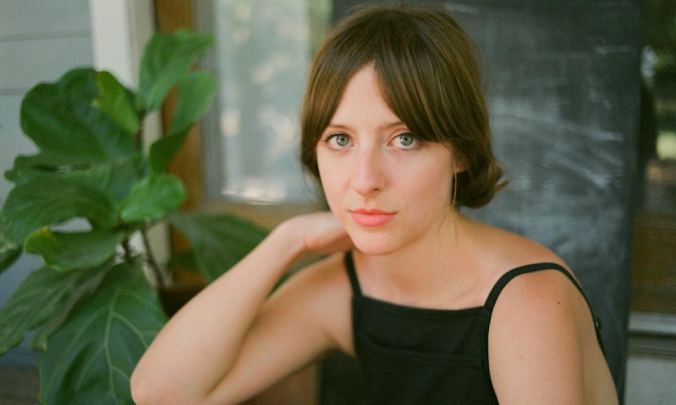
Canadian songbird Basia Bulat is back with her fourth album, Good Advice. Captured and produced by My Morning Jacket frontman Jim James in Louisville, Kentucky, it follows 2013’s highly-acclaimed Tall Tall Shadow and two years of touring with the likes of Sufjan Stevens, Daniel Lanois and Destroyer.

Bulat and James first met at Austin City Limits, and became friends while touring together in 2013. When it came time to record her new album, Bulat was determined to continue the experiment that began with Tall Tall Shadow – challenging her creative process, experimenting with different sounds. Despite a shared love for classic gospel, soul and country, Bulat and James resolved not to make a throwback record, instead transforming her slow acoustic demos into swift and bright pop songs.

In their review of Good Advice, Pop Matters wrote, ‘Bulat positions herself gracefully as a singer with more than one dimension, one that knows that being serious, sad, and joyful can happen in the same body simultaneously.” In a similarly glowing take, The Guardian said she sings “with the sorrowful stoicism of a classic country crooner – rhinestone-encrusted melodrama and misery cascade around her, synthesised gospel colliding with the stately majesty of Grizzly Bear or Beach House.’

We invited Basia Bulat to share with us five albums that changed her life.

* * *

Leonard Cohen:
New Skin for the Old Ceremony

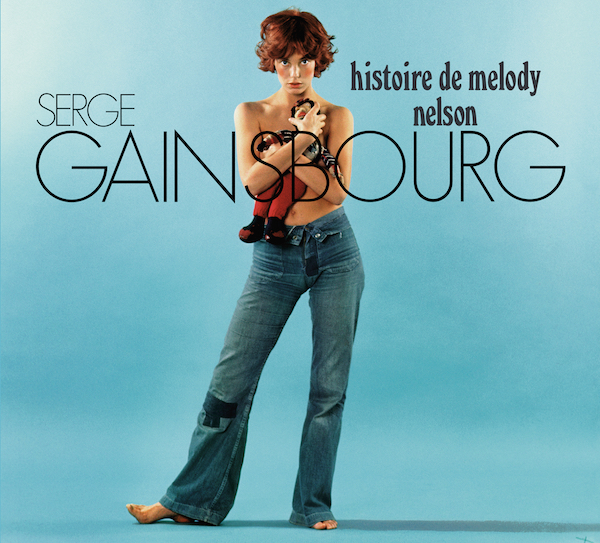
I was in high school when one of my best friends introduced me to Leonard Cohen’s music, and since then it has always felt tied to my teen years and the kinds of friendships you make in that formative time. It’s still one of my favorite albums, and had an influence on how I sing and how I feel about singing – that there’s always got to be some kind of truth to be found in the song.


Cat Power:
You Are Free

There was a year where I listened almost exclusively to Cat Power. This album and The Greatest are two that will always be in my heart. I admire both her power and her vulnerability as a writer – the way she can express both in a single line made me want to write songs at a time when I didn’t think anyone would ever hear them.

Sam Cooke:
One Night Stand – Live at Harlem Square Club, 1963

I can remember so vividly the first time I heard the intro to “Bring it on Home to Me” on this album, and being floored by it. I still think it’s one of the most beautiful things ever recorded to tape. I always think about this album when I’m getting ready to go on tour – the energy in the room shakes you from the speakers so many years after it was recorded.

Belle and Sebastian:
The Boy with the Arab Strap

I love the storytelling on this album and the way the darkest lyrics are paired with the sweetest melodies. I connected to it so strongly the first time I heard it, and perhaps another reason why the record changed my life is because of how much I connected to the live show the first time I saw them…and every time I’ve seen them since. I think I’ve seen Belle and Sebastian in concert more than any other band!

Jim James:
Regions of Light and Sound of God

This is one of my favorite records of the past decade! I find myself putting in on in all kinds of situations…and it’s one of the reasons why I wanted Jim to produce my record. The ideas, both philosophical and musical, really resonated with me, and still do every time I listen to it. It feels like both an invitation and a mystery.

Bjørn Hammershaug
Originally published on read.tidal.com, February 2016

Sam Outlaw: Bringing Back Bakersfield

Sam Outlaw might bear a name that conjures a gruff, bearded biker type à la Waylon & Willie.

But this here Outlaw is rather a sharp looking former salesman who makes classic California country and is just about to release his highly-anticipated sophomore album, Tenderheart.

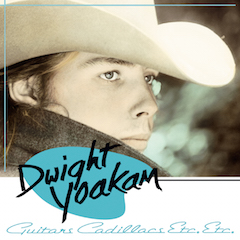
The Bakersfield Sound, popularized by Buck Owens and Merle Haggard in the late 1960s, evolved directly at odds with the string-based Nashville Sound blossoming at the same time. Enter Gram Parsons, The Flying Burrito Brothers, Emmylou Harris and the Eagles, who turned Los Angeles into a hotbed of country-rock in the 1970s. In the early 1980s, Dwight Yoakam came west and made a career with his punk-infused honky tonk, even singing with Buck Owens on the “Streets of Bakersfield”: ‘I came here looking for something/I couldn’t find anywhere else…’

But not too many followed, and the country gold rush turned towards Nashville where it has remained. Now, Sam Outlaw might not be able to revitalize the California country sound all by himself, but he’s doing a tremendous job in reinvigorating its roots. Far from the premises of Nashville’s bro-country, he’s exposing a tender heart beating for country’s neo-traditionalists, smooth countrypolitan and L.A.’s legendary singer-songwriters.

No Depression nailed this point just perfect when they reviewed his debut album Angeleno back in 2015: ‘With that voice, the hat and those looks, Sam Outlaw could be a straight-up mainline Big Country Star. He could be wowing the Nashville scene, starring at the Grand Ol’ Opry, working up to headlining that city’s Bridgestone Arena. He could sing about beer, trucks and gals, finding love and, better still for songwriting inspiration, when love walked out the door. He could buy a ranch and ride horses. Game over. Success. But that ain’t the story so far.’

No, Sam Outlaw seems to have other plans. Still based in the town south of Bakersfield, he uses L.A. as a backdrop for his exquisite songwriting, as demonstrated in new standout tracks like “Bottomless Mimosas,” “Bougainvillea, I Think” and “Dry In the Sun.” The new album marks a progression in his songwriting efforts, but it remains rooted in the same environment as his critically lauded debut, and it was made together with many of the same folks that collaborated on Angeleno, including harmony singer Molly Jenson, Taylor Goldsmith (Dawes) and Bo Koster (My Morning Jacket).

And when it comes to his name, Outlaw is as authentic as it gets, that being his mother’s maiden name. We chatted with Sam Outlaw about his upcoming album, dropping this Friday via Six Shooter and Thirty Tigers.

* * *

Congratulations with a new album. What do we get and what’s it about?

Thanks! Tenderheart is about matters of the heart and how our choices lead us down one path or another. We’re all on a journey to find our truest self, and while we can’t always control what happens to us we have a choice in how we behave. After a while behaviors become habits and habits ultimately determine the state of our hearts. This album tells stories from my past, present and maybe even my future.

What is the biggest difference between Tenderheart and Angeleno?

Angeleno had a pro producer (Ry Cooder) and was tracked at a fancy studio in North Hollywood. I self-produced Tenderheart from a small house in the San Fernando Valley.

What inspired you the most when you started writing the songs that ended up on this album?

Los Angeles inspires me. The aesthetic of the city – past and present – and the stories I find in this place. I wanted to show off my softer side but also went full rock on a few tunes. Los Angeles is the birthplace of Country Rock and that legacy is all about combining styles and trying new things.

Did you have a clear idea or vision on how Tenderheart should be from the get-go, or did it develop along the way?

Both. Some of the songs had been played a lot on the road so we had them pretty figured out going in. Some of the songs got finished in the studio. We’d choose arrangements on-the-spot and I’d finish writing the lyrics after the basic tracking was complete.

What can you share about the recording process and working with this material in the studio?

Basic tracking was knocked out in 2.5 days, but then I had to go back on tour. I finished the record whenever I’d get home from tour and have a day or two off. Took a while to finish just because I was touring so much. My engineer is a genius named Martin Pradler. He’s the guy that Ry works with a lot and he engineered Angeleno. I asked Martin to co-produce Tenderheart with me because he’s so much more than just an engineer. He helped shape the sounds and even played some percussion and synth stuff. He’s also tight with Mike Campbell from the Heartbreakers so we had some pretty cool guitars lying around the house.

What kind of feelings or sentiment do you wish leaving for the listener after hearing it?

The songs and records I enjoy the most are the ones where it seems like the songwriter is writing about themselves but also somehow writing about me. I was experiencing lot of different emotions when I wrote these songs and when I tracked them so I suspect the listener will pick up on that.

Please describe a preferred setting to ultimately enjoy the album?

Best bet is always to pick your favorite room, smoke a little weed and listen through your best headphones. Next best option is to hit the road and turn up the car stereo.

What would be the headline of the worst review?

Like, if someone hates the album and writes a scathing review? If my music creates intense emotions, good or bad, at least it’s getting to somebody. Maybe the worst review would be purely apathetic. Something like “Sam Outlaw’s new album is so forgettable I had to immediately re-listen just to write this headline”.

What’s in your opinion is the most perfect album ever made and why?

Fuck man, I hate these questions, ha ha. Too many to choose from but I’m still over the moon for Kendrick Lamar’s 2012 album good kid, m.A.A.d City.

How do you view the status of the album format in 2017?

Gone are the days of going to a store, buying a CD, cracking the case and leafing through the liner notes. I kinda miss my Discman.

Bjørn Hammershaug
Originally published on read.tidal.com, April 2017.

Andrew Combs: Canyons of My Mind

No other region in the U.S. has a more distinct, mythical and complex narrative than the South, as masterfully told by William Faulkner or Flannery O’Connor, captured by Errol Morris (Vernon, Florida) or Robert Altman (Nashville), or more lately in the HBO series Quarry or the newly-acclaimed podcast S-Town.

But none have managed to describe everyday life of the American South as wonderfully striking as photographer William Eggleston. His quiet color pictures deal less with a clear subject or storyline, rather he tells magnificent tales of complexity and mystery found in the ordinary and mundane.

Called ‘one of Nashville’s most poetically gifted young singer-songwriters’ by NPR, with his wry observations and sharp eye for small details, Country-soul troubadour Andrew Combs could just as well have created the soundtrack to an Eggleston exhibition.

He also is a child of the South; born in Dallas, now residing in Nashville where he pens his personal and pastoral stories. And just as he himself has moved through the South, his music is rooted partly in the musical tradition of Texas songwriters like Guy Clark, Mickey Newbury and Kris Kristofferson and partly in 1960s Countrypolitan (Glen Campbell, Charlie Rich), while politely nodding to West Coast-tinged soft-rock (Jackson Browne, J.D. Souther, Eagles). Andrew Combs might well be described as a musical prism, reflecting the multifaceted depth of southern mythology and culture, but by doing so he has also unquestionably carved out a niche on his own.

His sophomore album, All These Dreams (2015), earned him lots of deserved recognition to a broader audience and brought him up to the elite division of New Nashville, where the borders between mainstream country and blue collar Americana thankfully is increasingly blurred out. He’s been touring with the likes of Justin Townes Earle, Eric Church, Shovels & Rope and Caitlin Smith.

Friday, April 7, Combs released the much-anticipated album Canyons of My Mind through the respected New West Records & Loose Music. We had the opportunity to have a brief chat with him ahead of album release.

* * *

Congratulations with a new album. What do we get and what’s it about?

Thanks. Well, I guess it’s a collection of songs that may or may not give the listener a look inside my brain.

What will you say is the biggest difference between Canyons of My Mind and All These Dreams?

I tried to stretch myself musically on this record. I toyed around with my vocal approach, as well as different song structures. I also think this record was a little more raw and in the moment than All These Dreams.

What inspired you the most when writing the songs that ended up on this album?

The fearful apprehension of getting older. I find it scary, but also exciting.

Did you have a clear idea or vision on how Canyons of My Mind should be from the get go or did it develop along the way?

Definitely developed along the way. I never know what I’m doing until I get it done.

What can you share about the recording process and working with this material in the studio?

I worked with the same producers as my last record: Jordan Lehning and Skylar Wilson. They’re my buds and we always have a fun time collaborating. A big part of how this album sounds come from the engineer/mixer Jeremy Ferguson. He really knocked me out. And the band of course brought these tunes to life: Dom Billett on drums, Mike Rinne on bass, Ethan Ballinger on guitar, and Jordan and Skylar on keys. It was a good crew to work with.

What kind of feelings or sentiment do you wish the listener will get after hearing it?

Maybe the same feeling I get staring at swift moving water. Or a low flying bird. Calming with a sense of dread.

Please describe the ideal setting to ultimately enjoy the album?

On a drive. Or possibly at home with an adult beverage.

What would be the headline of the worst review of this album?

Ha-ha! I don’t really know, nor do I want to try and conjure one up. It seems like a difficult and depressing hole to start digging.

What’s in your opinion is the most perfect album ever made and why?

I have a few, but for the sake of time I’ll name one: Steely Dan’s Can’t Buy A Thrill. There’s a whole lot of Steely Dan hating that goes on in the world, and some of it I understand. But this record, sonically and song-wise, is perfect.

Bjørn Hammershaug
(originally published on read.tidal.com, April 3, 2017)

Sam Outlaw: Hillbilly Deluxe

(Først publisert i januar 2016, i forbindelse med hans første Norgeskonsert i april 2016.)

‘Outlaw combines Glen Campbell’s ‘70s crossover-country, James Taylor’s breeze-borne melodicism, and George Strait’s neotraditional ranch-hand aesthetics into a laid-back blend.’ (Popmatters.com, The Best Country Music of 2015)

Det første vi legger merke til er navnet. Hvor kult er det ikke å spille countrymusikk og faktisk hete Sam Outlaw? Få karakterer har en like sterk posisjon i amerikansk westernmytologi som outlawen, selve symbolet på en som hever seg over loven, dyrker frihetsidealet og går sine egne veier på tvers av normer og regler er liksom grunnfestet i fortellingen om det autentiske Amerika og selvsagt en egen retning innen countrymusikken.

Men Sam er ingen egentlig Outlaw. Han ble døpt Sam Morgan hjemme i Sør-Dakota, og tok sin avdøde mors pikenavn da han peilet inn mot musikken. Naturlig nok. Han er heller ingen lurvete omstreifer fra Sør-Dakota. Outlaw har bodd i det sørlige California det meste av livet, stiftet familie og skaffet seg en godt lønnet stilling i reklamebransjen. Alt lå til rette for et A4-liv, da han etter å ha bikket 30 bestemte seg å bytte ut jobb og dress med gitar og Stetson på fulltid. Det kler ham særdeles godt, det er som om musikken har levd i denne mannen i alle år og bare ventet på å komme ut.

Outlaw har ikke den typiske hipster-tilnærmingen til countrymusikken, han står nærmere fars gamle musikksamling bestående av stil-ikoner som Charley Pride, Don Williams og Glen Campbell enn kule, skjeggete rabbagaster, og har allerede rukket å spille med veteraner som Clint Black, Asleep at the Wheel og Dwight Yoakam. Særlig sistnevnte er en naturlig referanse, ikke bare i stil og stemme, men også med tanke på hvordan Yoakam bygget karriere som country-artist med base i et eklektisk Los Angeles. For Sam Outlaw og musikken fra det sørlige California så nært sammenknyttet at han like gjerne kaller sin egen stil for ’SoCal Country’.

Sør-California forbindes vel ikke først og fremst for countrymusikk, så slik sett er Outlaw en outsider, men som han sa i et nylig intervju med Taste of Country: ’I might be some dork in a cowboy hat, but if I move to Nashville, I’ll be just another dork in a cowboy hat.’

Områdene i og rundt Los Angeles har da også sine country-tradisjoner, ikke minst med Bakersfield-soundet (Merle Haggard, Buck Owens) som var en forløper for outlaw-countryen – og som sentrum for framveksten av folkrocken på slutten av 1960-tallet med navn som Flying Burrito Brothers, The Byrds og Linda Ronstadt i sentrale roller. Outlaw forsyner seg av begge disse retningene, legg til en bris av mild vestkystpop (Jackson Browne, Eagles, Poco) og moderne, kosmopolitisk påvirkning, så bør han være rimelig godt plassert. Han står på stødig grunn et sted mellom Bakersfield og Laurel Canyon, mellom Glen Campbell og Glen Frey. Det er da heller ikke de mest progressive kreftene som får utløp hos Sam Outlaw, men han framstår som en tradisjonalist som evner å virke både forfriskende og fornyende for dagens ører.

Med dette frodige bakteppet har han gitt ut bemerkelsesverdige Angeleno (sluppet i USA i sommer, ute nå i Europa), et album som knytter countrymusikkens røtter og vestkystens tradisjoner sammen i en moderne setting. Outlaw fikk samlet et herlig lag til innspillingen, inkludert Taylor Goldsmith (Dawes), Bo Koster (My Morning Jacket) og Gabe Witcher fra Punch Brothers, samt ingen ringere enn Ry Cooder og sønnen Joachim som begge spiller og produserer her. Få har omfavnet Los Angeles’ multikulturelle south-of-the-border tilknytning i like stor grad som Ry Cooder, og hans grenseløse holdning kan spores for eksempel i det mariachi-draperte åpningssporet ”Who Do You Think You Are?”

Angeleno er gjennomgående nydelig framført og arrangert, og ikke minst bestående av et sett selvsikre låter av lang holdbarhet, framført av stemme som bærer i seg Californias mange fasetter, både dens solfylte, håpefulle glans – og de knuste drømmene som ligger igjen bak fasadene.

Bjørn Hammershaug

Dave Cobb: The Mayor of New Nashville

Producer Dave Cobb is the extraordinary genius behind some of the greatest country and Americana recordings over the last couple of years.

Modern day favorites like Chris Stapleton, Sturgill Simpson, Jason Isbell, Anderson East and Jamey Johnson are just a couple of artists benefiting from cooperating with the multiple Grammy nominee, as are more established stars like Waylon Jennings and Oak Ridge Boys.

Now [March, 2016], Dave Cobb has set out for his most ambitious project yet: The wonderful all-star compilation album Southern Family captures the full spirit of New Nashville, including Stapleton, Isbell, East, Zac Brown Band, Miranda Lambert, John Paul White, Brandy Clark and many more.

The album is inspired by White Mansions, a 1978 concept album documenting people’s lives during the Civil War, written and produced by Paul Kennerley and Glyn Johns, and featuring musicians like Waylon Jennings, Jessi Colter and Eric Clapton. “I’ve been possessed with it and I try to convert everybody to it for years,” Cobb recently confessed to Rolling Stone. ‘I really steal half of my tricks from that one record.’

In essence, Southern Family is a gathering of Dave Cobb’s tight-knit friends and musical family.

Emblematic of the Nashville scene as a whole today, the project merges mainstream country with Americana and folk in the vein that has come to characterize so much of Cobb’s work over the years, which eschews genre boundaries in the pursuit of good, true music. In a 2015 interview with Music Row, Cobb said of the album:

‘This really encapsulates Nashville right now. There’s something to it. There’s something in the air. There’s a lot of great things about Nashville. There’s something here that doesn’t exist anywhere else in my lifetime. I’m sure this happened in London in the ‘60s and California in the ‘70s and maybe New York in the late ’50s or early ‘60s. But I think, right now, Nashville is the home of music.’

We hooked up with Dave Cobb to get to know more about new mayor of Nashville and his Southern Family.

*   *   *

What was your favorite music when growing up?

The Beatles, Led Zeppelin, AC/DC…

Are there any particular albums that you remember fondly?

The Beatles Revolver was really a lesson in production, experimentation and pure songwriting. It was an absolute textbook for me.

How did you land as a producer in the first place?

By accident, really. I was in a crap record deal and the band broke up because of it. I realized my favorite part about being in a band was the studio, so I produced a couple friends bands and they got record deals, so it seemed really natural.

What intrigued you about that part of music making?

The experimentation, and really figuring out how to milk every emotion in a song.

Did you have any role models when you first started up?

Yeah, [producers] Brendan O’Brien, Glyn Johns and Rick Hall.

How do you approach the various artists you work with? Is there something specific you’re looking for?

I’m always looking for a voice. If they move me I just go with my gut and don’t worry about anything else.

What is the role of a producer to you?

A 5th member, a friend, a co-writer when needed, and a facilitator.

Are you proactive in shaping the output, or do you work more towards capturing their sound?

Absolutely. Each time I walk into the studio it’s different. I’m always song- and performance-motivated, I help arrange, write, motivate… Whatever it takes.

What’s a perfect recording to you?

Glen Campbell – Wichita Lineman

What is your favorite studio of all time and why?

RCA studio A in Nashville. A lot of my fave records were made there. It’s like a classic vintage guitar; it always has a song in it.

Do you think you have a ‘signature sound,’ and if so what characterizes a Dave Cobb album?

Honesty I would say, I’m always looking for raw emotion on albums.

What is your Southern Family project about in a nutshell?

Getting my heroes and fiends in Nashville to write honest songs about their families while capturing Nashville at this moment in time.

What were you trying to do by rounding up this talent cast of characters?

Really showing the strength, support and unity of Nashville.

Many of the artists you’ve worked with straddle the gap between commercial country and the folk/Americana segment. What’s your view on these two “sides” and do you look at yourself as one who builds bridges between the two?

I just wanna make honest records with the artist. We never really worry about titles.

You’ve worked on many of the best and most acclaimed albums in the last couple of years. Has the response in some way been surprising to you?

Absolutely! None of those records were made to be hits, they were all just made to be the most true to the artist they could be.

One of the most, shall we say, colorful artists you’ve worked with lately is Wheeler Walker Jr. What were those sessions like, and were you ever able to keep a straight face?

Sturgill Simpson introduced me to The Ben Show, Wheeler’s other alias [a.k.a. comedian Ben Hoffman]. Sturgill and I were both big fans. It was like being at a week long stand up comedy show.

Any other exciting future projects you’d like to share with us?

I’m excited about a few things, the new Lake Street Dive album, Lori McKenna, and my cousin Brent Cobbs’ record.

Bjørn Hammershaug

Originally published on read.tidal, March 2016.

Yo La Tengo: Fakebook


Fakebook is the fourth album from Hoboken, New Jersey’s own Yo La Tengo. Released by locally-based Bar/None Records in 1990, the record is comprised of 11 cover songs and four retoolings of original material.

For these recordings early collaborator Dave Schramm (formerly of Human Switchboard, and later The Schramms) returned to his graceful duties on guitar, as he also did for Stuff Like That There (2015). Core members Ira Kaplan (vocal, guitars) and Georgia Hubley (vocals, drums, organ) are also joined by Al Greller (The Schramms) on double bass and Peter Stampfel (Holy Modal Rounders, The Fugs) playing the fiddle. The album is considered a breakthrough for the band, who would go on to sign with Matador where they remain to this day.

With their first couple of albums Yo La Tengo had gradually earned the attention of the indie community as a band ostensively operating in the shadows of The Velvet Underground, juxtaposing noisy guitar cascades with kind, tender melodies.

Having covered both The Kinks and Love on their 1986 debut, Ride the Tiger, and basically foreshadowing this album with the song “Alyda” off its blistering predecessor, President Yo La Tengo, a year prior, the band had already demonstrated a broad repertoire early on. With Fakebook Yo La Tengo shrugged off any chance of being pigeonholed. The album is thus a transitional album toward the eclectic bliss in years to come, which also stands up as a wonderful listen by its own terms.

A lush, mellow and acoustic affair, Fakebook is an anomaly in a catalog defined by anomalies, and they’ve never sounded quite as likable through the duration of a full LP since. Rather than radically reinterpreting the material, the greatest feat of Fakebook lies in Yo La Tengo’s ability to gently blur the borders between covers and their own songs, transforming it all into one strong and concise piece of work.

Saturated with sweet harmonies and a carefree atmosphere, the sound is intimate and friendly, whether it’s channeled through country-folk or juicy doo-wop (“Emulsified”). Pure gems like “Speeding Motorcycle,” “Can’t Forget” and “The Summer” capture a band still very much in its infancy, while possessing a sense of early-set maturity and sophistication that paved the way for much greatness to come.

Yo La Tengo is one of the most critically acclaimed bands for the last couple decades, and rightfully so. If a common thread can be found in their music, it’s in the dynamic alternation between excessive feedback orgies and graceful, airy dream-pop, while never staying in one place too long.

As a band drawing inspiration from a myriad of sources, Fakebook can be seen as both an homage to their own family tree and a way to introduce their audience to some wonderful songs and songwriters. Some are well-known (The Kinks, John Cale, Cat Stevens), others are more obscure (The Scene is Now, Daniel Johnston), but all are hand-picked and lovingly presented on a silver platter.

The band gets more experimental, explorative and inventive on most of their other records, but Fakebook makes for a perfect start – as well as a perfect ending.

With a catalog of remarkably few weaknesses, and a well-deserved reputation for their live shows, Yo La Tengo is first and foremost an album band. Their late ‘90s records, I Can Hear The Heart Beating As One (1997) and And Then Nothing Turned Itself Inside-Out (2000), are especially well-regarded, but this is a band that has been incredibly consistent and constantly evolving throughout their career, leading up to this year’s Stuff Like That There, an album that shares the same feeling and format of Fakebook with a seamless mix of covers and originals.

Yo La Tengo is one of those rare bands you can grow up with, and grow old to, without ever feeling the times have changed. Within their loose framework, the band exists in a perpetual state of exploration, constantly testing their own musical boundaries – and, by consequence, ours.

yolatengo_700

Bjørn Hammershaug

Wire: Albums That Changed Our Lives

Since their inception in the days of punk, forming in London in 1976, Wire has continuously evolved and transcended musical trends like no other.

Their first three albums – Pink Flag (1977), Chairs Missing (1978) and 154 (1979) – are all rightfully considered post-punk masterpieces that established Wire as a driving force in British art-rock, and set them apart from both peers and influences. Wire has had a huge influence in modern music, ranging from R.E.M., Sonic Youth, hardcore punk and post-punk revivalists (Franz Ferdinand, Bloc Party) to the whole Britop craze (notably Blur and Elastica).

And aside from a five-year hiatus in the early 1980s, as well as a lengthy one in the 1990s, Wire has managed to repeatedly reinvent themselves sonically and refuse to call it a quits. Their last couple of studio efforts have been remarkably strong, most recently the lush and wonderful mini-album, Nocturnal Koreans, featuring music originally developed while they worked on their former, self-titled album from 2015.

Wire have also managed to keep the core of the band more or less intact, still based around Colin Newman, (vocals, guitar), Graham Lewis (bass) and Robert “Gotobed” Grey (drums). Guitarist Matt Simms joined around 2010. As a democratic unit the quartet decided to participate a round of 5 Albums That Changed My Life with one album each, turning the feature into a quartet as well. And a great one it is.

 *   *   *

Todd Rundgren: A Wizard, a True Star
(Bearsville, 1973)

“Life-Changing” is a difficult thing to be precise about. I experienced the Beatles (well the ’60s in general actually) in real time at an age when I was too young to have any cynicism and unable to understand the sub-text (but totally got the magic). David Bowie and The Velvet Underground soundtracked the moment when I started to have independent means, a rite of passage to adulthood, even if that was only from holiday jobs. And 1976/1977 would have sounded very different had the Ramones not existed. I could have chosen from any of those and many more but instead have gone for a record I bought in a sale in a record shop in Winchester when I was on my Art Foundation year.

Todd’s A Wizard, A True Star is a record that is hard to categorize. On one level it didn’t sound like anything else at the time (especially in its use of synthesizer) but on another level there’s quite a lot of him doing his blue-eyed soul thing and there’s even a cover of a song from The Wizard of Oz! The first side (which opens and closes with “International Feel”) ranges between peerless beauty, out-and-out silliness and virtual un-listenability, all in pretty quick succession, but it’s the way that the opening of “International Feel” grabbed my attention like nothing ever had before that has stuck with me. A synthesizer bong followed by the aural equivalent of something reaching escape velocity that opens out into a great keyboard riff over which a drum fill builds and then we are off. By the time the song segues into “Never Never Land” we are only 2:50 in and half of that length is intro and outro!

I didn’t really understand how records were made when I first heard this album but you could hear it wasn’t necessarily the sound of a band playing. There’s some kind of quality from it that you get from fiddling about in the studio which I felt drawn to. Rundgren is a great songwriter but not everything here qualifies as songs (and I mean that in a good way). Plus there are at least five covers on this album. It’s bewildering and somewhat unexpected. There is a sense that although he’s serious about the work he doesn’t take himself even slightly seriously. As well as a songwriter, Rundgren is also a great guitarist (and bass player) and a fantastic singer. He could have made a career out of any of those but chose instead to fiddle about in the studio and make something unexpected. What’s not to admire?

— Colin

Neil Young: After the Gold Rush
(Reprise, 1970)

The album I have chosen is After The Gold Rush by Neil Young, his solo commercial breakthrough, released in August 1970. I heard pre-released tracks first, late at night on Radio Luxemburg, played by Young’s fellow Canadian DJ David Kid Jensen. I was knocked sideways by the album’s astonishing variety, wide emotional landscape and dynamic power… From the delicate love ballad “Only Love Can Break Your Heart” to the aggressive anti-racist rant of “Southern Man,” through the magic realism of “After The Gold Rush.” A passionate blend of melody and words, economically arranged, delivered unswervingly by Young and a band containing Stephen Stills, Nils Lofgren and Jack Nietzsche. After The Gold Rush gave me thrilling, sustaining food for thought.

— Graham

Cream: Wheels of Fire
(Polydor, 1968)

In 1968, when this came out, I would have been 17. I had their first two albums, so I was already a Cream fan, but this went way beyond what they had done before and it had a live half – for someone who had never seen a band live this seemed so exciting, especially as it had a 15-minute drum solo on it. What could be better? 15 minutes of pure drums!

Also “Crossroads.” I was not aware that it was a Robert Johnson song at the time – it just had this raw, surging and driving sound. This was definitely not pop music – trumpet, glockenspiel, tubular bells, cello, bizarre lyrics, “Pressed Rat and Warthog” recited by Ginger Baker. Ginger’s drumming in general, but especially on this, affected me more than any other drummers. It was so diverse and imaginative it just sounded like he would never run out of ideas.

— Robert

Grouper: Dragging a Dead Deer Up a Hill
(Type, 2008)

This record contains a world for the listener to get happily lost in for ages. Melodies emerge and dissolve, atmospheres come and go, and the effect overall is very special. It was the first Grouper LP I’d bought, but having since picked up all the others over the following years I feel all are essential listening. It’s influenced me to have confidence in quiet and the combination of noise and beauty and to explore the creation of immersive sound over a side of vinyl.

— MatthewWIRE Bowery Ballroom 2o15 Photo Matias Corral

Originally published on read.tidal, April 2016
Bjørn Hammershaug

Grant-Lee Phillips: Past & Present

For almost 30 years, Grant-Lee Phillips has shared his deep, burnished tenor voice through a slew musical constellations.

After moving from Stockton to Los Angeles for film school, the California native got his start in the critically-acclaimed but largely forgotten band Shiva Burlesque, which, after two albums, would evolve into Grant Lee Buffalo.

Despite rave reviews, overseas buzz and successful tours with R.E.M, Pearl Jam, the Smashing Pumpkins and others, Grant Lee Buffalo never translated into moving large units of CDs, and in 1999 they called it quits. In the wake lays a row of classic albums   Fuzzy (1993), Mighty Joe Moon (1994), Copperpolis (1996) and Jubilee (1998) – all using a different approach to their signature sound of rootsy instrumentation, epic songwriting and electrified Americana.

After the breakup of Grant Lee Buffalo, Phillips set out for a journey on his own, spending the noughties nurturing a solo career under his own name. This includes such album highlights as 2001’s Mobilize (praised by All Music as ‘comparable to the finest moments of U2, David Gray, R.E.M., and Radiohead’), the stellar 2006 covers album Nineteeneighties and the poignant Walking in the Green Corn (2012) where Phillips translated his ancestral legacy into the present era.

Since then, Grant-Lee Phillips has left California and settled with his family in the rolling hills of Tennessee, and a quieter life resembling both the San Joaquin Valley of his upbringing and his parents’ mid-southern roots.

This is the backdrop to his latest dispatch on Yep Roc Records. Entitled The Narrows, the album is a concentrated nexus of romance, recollection, historic struggles and tragedies, and peerless craftsmanship – coupled with the hopes, fears, and isolation that accompany transition, according to the label.

Grant gathered a trio of musicians, including drummer Jerry Roe – grandson of eccentric guitar virtuoso and songwriter Jerry Reed and multi-instrumentalist Lex Price, settled in Dan Auerbach’s (of the Black Keys) Easy Eye Studio, which also gave them access to his collection of museum-quality vintage equipment. The Narrows deals with the tension between past and present, foundations and freedom, also captivating the southern spirit and energy along with Phillips’ journey into marriage and fatherhood, and the passing of his own father.

‘Discovery is what I love the most about songwriting,’ Phillips shares. ‘When it comes to albums, I tend to let the through-line reveal itself as I gather a collection of songs. Recurring themes tend to arise organically, and I enjoy encountering them like fresh webs in the morning.’

Grant-Lee Phillips shared five albums that changed his life in some shape or form.

*   *   *

Van Morrison: Astral Weeks

I must have discovered this album some twenty years after its debut in 1968. There’s really nothing else like it, nothing since. To steal a line from the title song, it’s an album that never fails to transport to “Another time, another place.” One can’t help but be swept up in the spiraling energy of “Sweet Thing,” “Cypress Avenue” or “Madam George.” Dizzying, breathtaking, Astral Weeks is a work that transforms itself and it’s listener with every spin. I regard it as an oracle.

Strangely, I always feel as though I’m hearing it for the very first time. There’s something in the gestural brush strokes, the details, the blazing intensity of both the lyric and Van Morrison’ s seemingly possessed vocal performance that transcends rational bounds. One song invisibly bleeds into the next. Undulating, breathing, ever rotating with the symmetry of a mandala. Perhaps the most spiritual collection of songs ever captured on record.

Featured Track: “Sweet Thing”

Gillian Welch: Time (The Revelator)   

I had the good fortune of first hearing Gillian Welch and David Rawlings around 2000 or 2001, when they stepped onstage by chance one night at the Largo in L.A., back when it was on Fairfax, across from Canters Deli. David and I spoke upstairs about this old guitar he was playing. He was pointing out that it had no truss-rod, as though this could in some way explain the electricity flowing through his fingers. Gillian too couldn’t have been more unassuming. Together onstage, they possessed a divining rod, tapping into a source as potent as it was ancient.

Floored by this set of original songs, along with a Buddy Holly cover or two, I went out the next morning and hunted down the album, Time (The Revelator) by Gillian WelchThere isn’t a word or a note out of place on these ten songs. Every song feels as though it has been slow cooked and simmered to perfection. Effortless, truthful, even prescient. No other song hits the nail on the head like “Everything Is Free.” If ever there was a Cassandra for the music business, Welch would be it… for this song alone.

Featured Track: “Revelator”

Elliot Smith: Elliot Smith

Around ’97 or so my friend Jon Brion went out and bought about 15 copies of a quiet-voiced singer and gifted guitarist named Elliot Smith. Jon, whose talents have earned him wide admiration as a producer and composer, was on a mission to spread the word about an artist who he himself had just encountered and was beginning to work with. “You have got to hear this!” Jon said. The album was simply called Elliot Smith. It would be followed by the albums Either/Or, XO and Figure 8 before Smith’s death at the terribly young age of 34.

At a time of musical grandiosity, Elliot had emerged with a very contrasting vision. His originality, almost whispered rage and isolation spoke to a generation with the kind of honesty and sophistication not heard since Lennon’s Plastic Ono Band. The album Elliot Smith coincided with my casual friendship with Elliot. He, Jon and I shared many an off-the-cuff night on stage at Largo, colliding like bumper cars as we worked our way through old cover songs, even tackling the Bowie/Queen duet “Under Pressure” one night – none of us with a straight face. I remember those laughs well, just as I recall the impact of encountering Elliot Smith’s artistry for the very first time.

Featured Track: “Needle In The Hay”

David Bowie: Hunky Dory

David Bowie’s Hunky Dory stands out in his staggering catalogue. Like Picasso, who is associated with so many distinct periods of output, it’s criminal to settle on one favorite Bowie album. But this list wouldn’t be very honest if his impact wasn’t rightfully acknowledged in some degree. Low was the first Bowie LP I bought but Hunky Dory is one that I go back to the most frequently.

Bowie’s love of Dylan, The Velvets, The Stones, Andy Warhol culminate in an album that is majestic at times and primitive at others. I’ve heard that Hunky Dory is an assemblage of various songs that were not originally conceived as a whole. Bowie often employed lyrical experimentation, such as the cut-up writing methods of Brion Gysin and William S. Burroughs. Hunky Dory functions as kind of a cut-up. The effect of all of these songs juxtaposed together increases their magnitude, making for a very singular album.

Featured Track: “Life On Mars”

The Band: The Band (The Brown Album)

The seeds that were planted long ago, when The Band recorded songs like “Up on Cripple Creek,” “Rag Mama Rag,” “The Night They Drove Old Dixie Down” and “Whispering Pines” are still yielding a bountiful harvest. That mythic and pastoral landscape continues to draw new pilgrims. I’ve been tracking those footsteps as long as I can recall.

The Band is one of my major influences. So whether we call it Alt-country, Americana or whatever, we have Rick Danko, Levon Helm, Garth Hudson, Richard Manuel and Robbie Robertson to thank for there being a road to begin with. They were here first. Blessed with some of the most expressive voices and musical virtuosity the ages have known, The Band were galvanized around songs that seemed to have existed forever and were built to last forever. Sung with the pain and joy of life’s experience, the unvarnished and divine music of The Band is a treasure to share.

Featured Track: “The Night They Drove Old Dixie Down”

Originally published on read.tidal, May 2016
Bjørn Hammershaug

1970-tallet: 100 Favorittalbum

Bortsett fra en liten fraksjon av siste halvdel har jeg med noen ytterst få unntak liten musikalsk bevissthet fra 1970-tallet. Dette er altså i det store hele musikk som har kommet meg til gode i senere år, i en jevn strøm av godlyd som tilsynelatende aldri tar slutt. 1970-tallet er ikke bare tiåret for noe av historiens aller beste musikk, men også en periode som skjuler et utall av epoker og musikalske revolusjoner. Fra sen-hippie vibbene i begynnelsen av perioden til den kjølige postpunken som ledet oss inn i 80-årene er det nesten ufattelig at bare 10 år har passert. Dette er et forsøk på å rangere de 100 feteste platene, og for å skjerpe lista noe er utvalget begrenset til to titler pr. artist.

Klikk deg inn hit for listen over 70-tallets beste enkeltlåter


Neil Young: On the Beach
(Reprise, 1974)

Nick Drake:
Bryter Layter
(Island, 1970)

Miles Davis:
Bitches Brew
(Columbia, 1970)

Television:
Marquee Moon
(1977)

Can:
Tago Mago
(Elektra, 1971)

Big Star:
Third/Sister Lovers
(PVC, 1978)

The Stooges:
Fun House
(Elektra, 1970)

Pink Floyd:
Animals
(Harvest, 1977)

Soft Machine:
Third
(CBS, 1970)

The Clash:
London Calling
(CBS, 1979)

…and the best of the rest….

Blondie: Parallel Lines (1978)
The Modern Lovers: s/t (1977)
Suicide: s/t (1977)
Neil Young: Rust Never Sleeps (1979)
Leonard Cohen: Songs of Love and Hate (1971)
Black Sabbath: Masters of Reality (1971)
Alice Coltrane: Ptah, the El Daoud (1970)
Can: Future Days (1973)
Brian Eno: Another Green World (1975)
Sex Pistols: Never Mind the Bollocks (1977)


Nick Drake: Pink Moon (1972)
Gram Parsons: GP (1973)
Neu: s/t (1972)
Bob Dylan: Blood on the Tracks (1975)
Creedence Clearwater Revival: Cosmo’s Factory (1970)
The Congos: Heart of the Congos (1977)
Pink Floyd: Meddle (1971)
Miles Davis: On the Corner (1972)
Joy Division: Unknown Pleasures (1979)
Patti Smith: Horses (1975)

Crosby, Stills, Nash and Young: Déjà Vu (1970)
Warren Zevon: s/t (1976)
Alice Coltrane: Journey in Satchidananda (1971)
Deep Purple: Made in Japan (1972)
Shuggie Otis: Inspiration Information (1974)
The Jam: In the City (1977)
Elton John: Honky Chateau (1972)
Tangerine Dream: Phaedra (1974)
Pere Ubu: The Modern Dance (1978)
Townes van Zandt: Live at the Old Quarter (1977)

Tom Waits: Blue Valentine (1978)
Ramones: s/t (1976)
Gram Parsons: Grievous Angel 1974)
Jackson Browne: Late for the Sky (1974)
The Clash: Give ‘Em Enough Rope (1978)
Nilsson: Nilsson Schmilsson (1971)
The Stranglers: Black and White (1978)
Kraftwerk: Autobahn (1974)
Pharoah Sanders: Thembi (1971)
Stevie Wonder: Innervisions (1973)

Al Green: Call Me (1973)
Buzzcocks: Singles Going Steady (1979)
Judee Sill: s/t (1971)
Iggy Pop: Lust For Life (1977)
David Bowie: Low (1977)
Hawkwind: Space Ritual (1973)
Joni Mitchell: The Hissing of Summer Lawns (1975)
Popul Vuh: In Den Gärten Pharaos (1971)
Lee Clayton: Naked Child (1979)
Robert Wyatt: Rock Bottom (1974)

Marvin Gaye: What’s Going On (1971)
Jackson Browne: s/t (1972)
Vashti Bunyan: Just Another Diamond Day (1970)
George Harrison: All Things Must Pass (1970)
Faust: IV (1973)
David Crosby: If I Could Only Remember My Name (1971)
Caetano Veloso: s/t (1971)
Funkadelic: Maggot Brain (1971)
Sly & the Family Stone: There’s a Riot Going On (1971)
Bert Jansch: L.A. Turnaorund (1974)

Bruce Springsteen: Born to Run (1975)
Wire: Pink Flag (1977)
Electric Light Orchestra: A New World Record (1976)
Uriah Heep: Salisbury (1971)
Ramones: s/t (1976)
Talking Heads: Fear of Music (1979)
The Specials: s/t (1979)
Elvis Costello: My Aim is True (1978)
Bob Dylan: Desire (1976)
Joe Ely: Honky Tonk Masquerade (1978)

David Bowie: Station to Station (1976)
Bill Fay: Time of the Last Persecution (1971)
Gil Scott-Heron: Small Talk at 125th and Lenox (1970)
Frank Sinatra: Watertown (1970)
Sun Ra: Space is the Place (1973)
Van Morrison: Moondance (1970)
The Beatles: Let it Be (1970)
Gang of Four: Entertainment! (1979)
This Heat: s/t (1978)
Richard Hell & The Voidoids: Blank Generation (1977)

Residents: The Third Reich ’n Roll (1976)
The Last Poets: s/t (1970)
Steve Reich: Music for 18 Musicians (1978)
Harmonia: Deluxe (1975)
Rolling Stones: Sticky Fingers (1971)
Swell Maps: A Trip to Marineville (1979)
John Cale: Paris 1919 (1973)
Faust: Faust IV (1973)
Herbie Hancock: Sextant (1973)
Devo: Q. Are We Not Men? A: We Are Devo! (1978)

Bjørn Hammershaug

Polyvinyl: Keeping a DIY Mentality Since 1994

In 1994, while still in high school, Darcie Knight and Matt Lunsford founded Polyvinyl Press, a photocopied fanzine that covered the DIY music scene in Champaign-Urbana, IL and the greater Midwest.

Their motivation was simple: to spread the word about bands they loved. Furthering that philosophy, they decided to release a split 7” with the third issue of the fanzine. Within a year they had issued Braid’s first 7” Rainsnowmatch and a 20-band compilation called Direction. Not long after, in 1996, Polyvinyl Records was born.

– We never wrote a business plan or decided that we’d start a record label, says Lunsford.

– We dropped out of college. We scraped together whatever resources we could to put out records.

Polyvinyl’s first big releases were Rainer Maria’s debut album, Past Worn Searching (1997), and Braid’s 1998 breakthrough, Frame and Canvas (1998), which gave the label its first taste of national exposure and opened the gates for a wider repertoire of artists.

– We worked hard, continues Lunsford, and we learned as we went along. We kept our DIY mentality and we always tried to match the level of work and commitment of our bands.

Twenty years later, with two more offices in San Francisco and New York, the label is still a 100 percent independently owned and operated company.

With a catalog of more than 300 releases from over 100 artists – including American Football, Braid, Rainer Maria, of Montreal, Xiu Xiu, Deerhoof and Japandroids – Polyvinyl is recognized as a home for some of the more vital indie music of the past two decades.

I talked to Polyvinyl co-founder Matt Lunsford about early days, milestones and lessons learned in twenty years of Polyvinyl.

Braid (Photo: Paul Drake)

Braid (Photo: Paul Drake)

How did you get into the music business in the first place, and what motivated you?

Pretty much by accident. Darcie and I were lucky in that as teenagers there was an awesome music scene around us. There were DIY shows and bands throughout the midwestern United States and we were excited by learning about them. Bands like Cap’n Jazz and Braid were playing shows in our hometown, set up by friends of ours. It was so exciting that we were motivated to spread the word and help out in any way we could.

What labels where your own role models, or say, guiding stars, when you started up?

Definitely labels like Dischord and Touch and Go, because of both their ethical and regional approach to being a label. Also labels like No Idea, who were putting out all sorts of bands in a regional and national way and sort of curating a scene.

What does Polyvinyl represent or stand for as an institution?

Polyvinyl most definitely believes in putting artists first. In everything we do, from our simple 50/50 profit splitting mentality, to allowing our artists to make the albums they want to make.

In your opinion, what is the greatest achievement in the history of Polyvinyl? What are you most proud of during your 20-plus years in existence?

Probably the fact that if you ask any of the 100+ artists we’ve worked with over the past 20 years, they would vouch for Polyvinyl being fair, honest and hard-working!

What’s the secret behind keeping the spirit alive for a long period of time?

We’ve never gotten caught up in trying to make a quick buck off of an artist or album. We believe in helping artists build and sustain a career.

Did you have an initial idea back then on what Polyvinyl should be and how it could evolve in the future?

Essentially we believed in keeping things simple: making fair financial arrangements with our artists, allowing them creative control and working hard. That has served us well… and even in 20 years of the ever-changing music industry those principles have held true.

American Football (Photo: Chris Strong)

American Football (Photo: Chris Strong)

What does being ‘indie’ mean to you?

To me, being ‘indie’ is a lot less of a ‘sound’ and much more a general term for being independently minded. This extends from our staff to our artists to who Polyvinyl works and partners with.

The indie-scene has gone through various mutations over the years. In what ways have these changes affected Polyvinyl? And how have you adapted to changes in the music industry? 

I think both of these questions relate to way people consume music. It’s changed so much in 20 years. Polyvinyl’s goal for so long has been “tell the world about music we are excited about.” In the pre-internet ’90s it was all about 7”s and CDs and fighting to get our records recognized and in retail stores.

As that has shifted, one of our hallmarks has always been to embrace change and use it to accomplish our ‘tell the world’ goal better and faster. As digital started to come about, we were suddenly able to reach people so much more easily. The depth and range of music that average music listeners are exposed to now is incredible compared to what it was 20 years ago. It’s an amazing thing.

Any regrets? Anything you would do differently if you had a second chance?

Not really. We’ve always been able to learn and grow from any mistakes we’ve made along the way, keep a positive outlook, be excited about the records we are putting our and turn lemons into lemonade.

of Montreal (Photo: Chad Kamenshine)

of Montreal’s Kevin Barnes (Photo: Chad Kamenshine)

*   *   *

5 Milestones in Polyvinyl History

By Matt Lunsford

Rainer Maria:
Past Worn Searching
(1997)

This was our first full-length album by an active band. Still a huge milestone as it represented our shift from doing 7″s, EPs and compilations to actually BEING the label for a band.


Braid:
Frame and Canvas
(1998)

The landmark third album from Braid, and their first for Polyvinyl.


American Football:
American Football
(1999)

When this album came out, American Football had played about a dozen shows, drifted apart and never made any more music. Over the next decade the album slowly and continually sold, becoming an influential record for a whole generation. In 2014 the band reunited to play shows for the first time in 15 years.

of Montreal:
Hissing Fauna Are You The Destroyer?
(2007)

This is Polyvinyl’s best selling album to-date. Consistently named in lists of ‘Best albums of the 2000-2010 decade.’


Japandroids:
Celebration Rock
(2012)

The second album from Japandroids. Following the success of 2009’s Post-Nothing (also on Polyvinyl), it received nearly-universal critical acclaim and carried the band into two years of non-stop touring.


Bjørn Hammershaug

Originally published on read.tidal.com, July 2015