 Two roads diverged in a yellow wood,
And sorry I could not travel both
And be one traveler, long I stood
And looked down one as far as I could
To where it bent in the undergrowth
–Robert Frost
The road down the history of Anglo-American folk music, on either side of the Atlantic, is one paved with legendary icons and eccentric characters, telling stories of struggles and sorrow, redemption and atonement. Despite being crucially related to the music that preceded it, folk music refuses to stay stagnant collecting dust in library shelves. Spearheaded by vanguards who transfer forlorn traditions to suit new times, retaining its relevancy as it evolves through waves of renewed interest and revivals. In the paragraphs below, I take a closer look at the various forms in the folk canon, along the excellent reissues of the late Jack Rose and a new edition in the ever so compelling series Imaginational Anthem.
* * *
A New Weird America

In the early 2000s, a flood of folk-based music seemed to sweep over us the scene in a way unseen since the folk revival and subsequent counterculture movement of the 1960s. Bearded gnomes and longhaired children broke with the hustle and bustle of modern living, finding a renewed interest in old timey music, ranging from vintage blues and bluegrass to free-formed psychedelic blasts. Ever so hard to pigeonhole into one specific style, these new folksters, often tagged ‘freak folk,’ shared some common aesthetics: using traditional instruments to make non-traditional music, searching for some sort of freedom in their sound and spirit, breaking with the established and corporate rules, establishing a new network of artists, labels, fanzines and festivals with a DIY attitude.
During the Brattleboro Free Folk Festival in Vermont, 2003, David Keenan from British music mag The Wire penned a much-quoted reference article about the then-flowering phenomenon, covering artists like Tower Recordings (now MV &EE) and Sunburned Hand of the Man, and coined it ‘New Weird America,’ referring to Greil Marcus’ term ‘Old, Weird America,’ used to describe Bob Dylan and The Band’s Basement Tapes, which he connected directly with the country, folk and blues music featured on Harry Smith’s seminal 1952 collection Anthology of American Folk Music.
Freak Folk? That term is a clown’s punch line.
–John Moloney, Sunburned Hand of the Man
Keenan summed up the loosely based movement rather precisely as music that ‘draws on an intoxicating range of avant garde sounds, from acoustic roots to drone, ritualistic performance, Krautrock, ecstatic jazz, hillbilly mountain music, psychedelia, archival blues and folk sides, Country funk and more.’ In other words, an attempt to fathom artists equally sucking in elements from Sun Ra, Skip James, Grateful Dead, Albert Ayler, Captain Beefheart, John Fahey, Incredible String Band and beyond.
 It goes without saying that this scene didn’t produce a wealth of mainstream pop stars, but Devendra Banhart did become the movement’s most iconic figurehead. Signed to Swans’ Michael Gira and his Young God label, Banhart immediately stuck out as an original and pivotal voice, with his 2002 debut album Oh Me Oh My… sounding like some long lost treasure trove of 78 recordings discovered in a rotting country barn. While he has gradually evolved into a much more eclectic artist, Banhart used his reluctantly accepted status to tie bonds between past and present times. He curated the seminal new-folk collection, Golden Apples of the Sun (Bastet, 2004), featuring artists like Joanna Newsom, Antony, CocoRosie and Iron & Wine, along with sparking a renewed interest in largely long-lost voices like Vashti Bunyan and Linda Perhacs, who have since both released new material in recent years in response to a newfound generation of fans.
Ten years later, the buzz had largely faded from the “freak folk craze,” if there ever was one, but the historical forms on which it was founded has never vanished or gone out of style. Renowned writer Byron Coley looked back on Keenan’s piece in 2013 and defended the attempt to group such a myriad of artists together: “Initially, this breadth may make New Weird America seem like a useless terminological umbrella. But it’s not as loose as all that. Indeed, it is something like an extension of the varieties of enthusiasms embodied in one of the genre’s sainted figures, John Fahey. Even though he’d been dead for over two years by the time Keenan drunkenly spat the phrase onto a table at the Hampshire College Tavern, John Fahey was, in many important ways, its embodiment.”
John Fahey and the American Primitive Guitar

This leads us over to a specific phenomenon in the folk canon, namely ‘American Primitive,’ a term coined and shaped by acoustic soli guitar maestro John Fahey (1939-2001) in the late 1950s to describe his reinterpretations of country, blues, and folk with classical, avant-garde, minimalism and improvisation.
 In his thorough biography of Fahey, Dance of Death, writer Steve Lowenthal describes it more in depth as ‘Merging genres with a bold ambitiousness, he would eventually call his style ‘American Primitive’, in reference to his untrained methods. Rather than being restrained by formal song structure, he tried to keep the feel of more abstract classical structures, while using familiar fingerpicking patterns found in country and bluegrass.’
A devoted musicologist and collector of records, Fahey traveled on numerous of field trips into the deep South to buy rare and vintage 78 records, and also chase down nearly forgotten blues legends, most notably Bukka White and Skip James. He did a remarkable job securing some of this musical heritage for later generations, even though it’s pretty heartbreaking to know he often tossed albums he didn’t fancy out the car window on his endless drives down south. Later a scholar on the work of blues originator Charley Patton, John Fahey ranks among the giants in the understanding of traditional American music, a knowledge he used to bend into his own unique work that is all at once strikingly personal, hauntingly beautiful and deeply rooted.
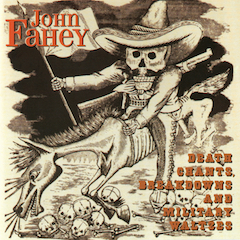 Named after his hometown of Takoma Park, Maryland, Takoma Records evolved from being an imprint for Fahey’s own amateur recordings to a fully fledged label that included other influential fingerstyle guitar pickers such as Robbie Basho and Leo Kottke, further segmenting Fahey’s status as one of the leading and most influential guitarists of our time.
At the height of the folk revival he brought his music overseas and influenced a notable English crowd including John Renbourn, Bert Jansch, John Martyn and Roy Harper. John Fahey gradually expanded his guitar technique to move deeper beyond the blues, exploring psychedelic patterns, Eastern vibes, and classical music in an ever-inventive way. Outspoken Fahey devotee Pete Townsend of The Who later described him as “the folk guitar playing equivalent to William Burroughs or Charles Bukowski.”
Falling from prominence in the 1960s folk circles, in parts due to his heavy substance abuse and deteriorating health issues, Fahey remained an obscurity for much of his life. Saved by 1990s counterculture and a reinvigorated interest in both cult figures and authentic American music, he was thankfully rescued from oblivion and rediscovered by new legions of tastemakers and fans, leading him to work with Sonic Youth, Jim O’Rourke and Boston experimentalists Cul de Sac. Fahey even returned to label work in his latter years. With the highly celebrated imprint Revenant Records he released now-classic collections on Albert Ayler, Charley Patton and other treasures.
Jack Rose: The ancient American

One of John Fahey’s most notable ‘followers,’ not to mention a force of gravity in terms of taking his muse’s learning forward and into a new territory, is Jack Rose (1971-2009). Rose started out making drone and noise music in the criminally overlooked band Pelt, formed in Richmond, Virginia in 1993. Inspired by the likes of Tower Recordings, The Incredible String Band and especially John Fahey (‘he blew my mind wide open,’ he once stated) Rose moved over to acoustic guitar and open tunings, incorporating country blues and ragtime tunes in the American Primitive vein. Being included on Devendra Banahart’s decisive compilation Golden Apples of the Sun further helped enforce his status, and much like Fahey, Jack Rose may be well considered a musician’s musician, dearly recognized among the ones who know his music.
Now, Three Lobed Records has just re-released three of Jack Rose’s former masterpieces. Says Scott McDowell, radio host at New York radio station WFMU and connoisseur in the field: ‘Jack Rose’s vivid guitar-picking awakes in us a peculiar awareness, something ancient and American. Jack Rose’s work exists along the established continuum of American vernacular music: gospel, early jazz, folk, country blues and up through the post-1960s American Primitive family tree from John Fahey and Robbie Basho and outward to other idiosyncratic American musicians like Albert Ayler, the No-neck Blues Band, Captain Beefheart and Cecil Taylor.’
We leave it to Mr. McDowell to introduce the reissued gems:
 I Do Play Rock and Roll
I Do Play Rock and Roll, the title a mystifying nod to Mississippi Fred McDowell’s electric period, finds Jack Rose in extended drone mode, coaxing open-tuned raga meditations from his 12-string guitar. “Calais to Dover” first appeared on Rose’s classic Kensington Blues in a somewhat truncated form. The version heard here is more expansive and open-hearted, a waxing-and-waning piece of introspection. “Cathedral et Chartres” shares the same quiet romanticism, with rotating patterns and the chime of open strings. “Sundogs,” the sidelong drone abstraction that occupies side B, stands alone among Jack’s solo work. A long-form live rendition of a track that appeared on the genre-defining triple album compilation by the fruits you shall know the roots, it is perhaps most evocative of Pelt, Jack’s previous band, a minor-key free drone, with only minuscule dynamic shifts and the occasional recognizable string accent. It is territory Rose seldom traveled but completely and fully invigorating.
 Jack Rose
Rose’s self-titled album was originally released in 2006 on the arCHIVE label, and later reissued as a CD twofer with Dr. Ragtime and His Pals. It contains a combination of studio and live recordings. Jack Rose is marked by a sense of forward momentum, the result of several years of constant playing, with fresh versions of a number of previously attempted songs. Blind Willie Johnson’s spiritual “Dark Was the Night, Cold Was the Ground” is manipulated into a wailing slide-guitar lament. “Levee” pops like a warning. “St. Louis Blues” (in this and its several other incarnations across his entire catalog) is a good example of Jack’s innate sense of swing, a crucial characteristic of his playing perhaps lost on some of his fingerpicking followers. The centerpiece of the album, however, is the nearly sidelong “Spirits in the House,” which begins with tentative weeping glissandos, and slowly reveals itself as a stately fingerpicked blues meditation.
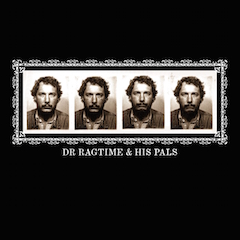 Dr. Ragtime & His Pals
Dr. Ragtime & His Pals marks Rose’s step into the world of group interplay with versions of his standard repertoire arranged for a band. In its finished form, it exists as a sort of “party record” within his discography. Highlights are raucous and many, including “Linden Avenue Stomp,” “Knoxville Blues,” the spiritual “Blessed Be the Name of the Lord” and Sam McGee’s “Buckdancer’s Choice.” In assembling this album, Jack chose musicians with distinctive personalities and their own personal connections to old-time music; people he could learn from. his … pals rotated often and in this case include the banjo player Mike Gangloff (Jack’s old accomplice in Pelt as well as the Black Twig Pickers), Micah Blue Smaldone on guitar, Glenn Jones on guitar, Nathan Bowles (Black Twig Pickers) on washboard, and Philadelphia legend Harmonica Dan (“Knoxville Blues”). The result is a late night back porch jam session, fueled by whisky, friendship, and a shared love of the old weird American music found on forgotten 78s.
Imaginational Anthems
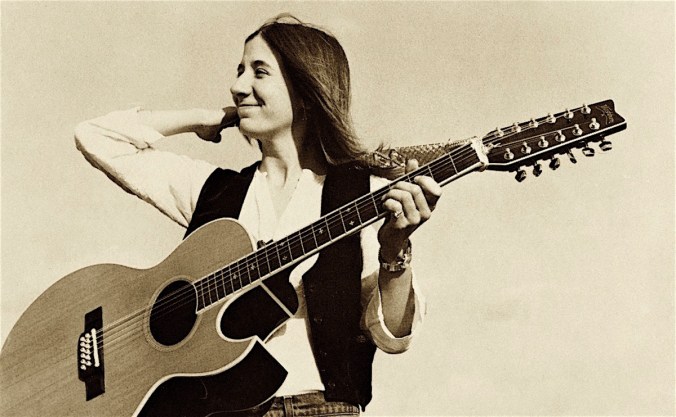
Nancy Tucker (Courtesy of Tompkins Square)
 Let the phrase ‘shared love of the old weird American music found on forgotten 78s’ guide us further down the road. Another essential focal point in preserving old time music as well as its present day successors is the eminent label Tompkins Square, run by Josh Rosenthal. The imprint is renowned for their exquisite sense of quality and their deep diggings into the forgotten crates of 20th century American music.
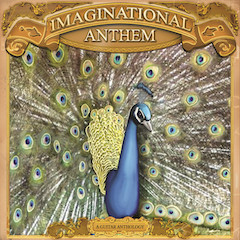
Tompkins Square has just presented the eighth volume of its series Imaginational Anthem, which since 2005 has rescued and revived interest in old masters in American Primitive, while also giving many folks their very first taste of artists like William Tyler, Steve Gunn, Chris Forsyth or Daniel Bachman.
Volume 8 of this series is compiled by hardcore record collectors Michael Klausman – former used LP buyer for NYC’s recently shuttered institution Other Music – and Brooks Rice, and features some of the best and most obscure private press guitar records virtually no one has heard. I had the opportunity to chat further with Michael Klausman about his work on this collection:
How did you approach curating this collection of Imaginational Anthems?
This is the eighth volume of the series so far, which I think has been uniformly excellent. When Josh Rosenthal asked me if I’d be interested in curating a compilation of privately released solo acoustic guitar music I said yes right away, despite having some apprehension about being able to live up to the previous volumes. However, I instantly called one of my best friends, Brooks Rice, to rope him into the project. He’s been feverishly hunting down nearly every solo acoustic guitar record he could find since I lent him all of my John Fahey records when we were in college together 20 years ago, and I knew between the two of us we could come up with something special. One thing we were both striving for with this collection is that it not just sound like the same old, same old; that it would take as its genesis the pioneering style of John Fahey’s solo acoustic guitar records of the 1960s and 1970s, but then show how that style could then refract out into a myriad of different, more personal directions, ultimately ending up pretty far afield of Fahey’s vision.
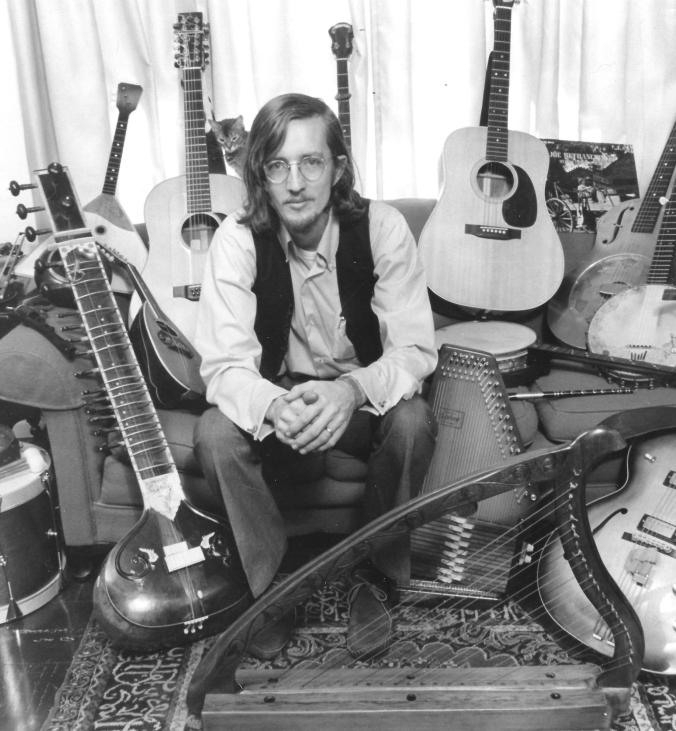
Joe Bethancourt (Courtesy of Tompkins Square)
Can you give a brief overview of what we’re getting here?
All of the tracks on this compilation were sourced from highly obscure albums that had been issued in minuscule editions, the songs were often recorded at home, or at small local studios, and then published by the artists themselves. There’s a strong do-it-yourself ethos that runs through the compilation, where each track exudes the sense that the artists had a strong personal desire to document and get their art into the world by any means necessary. Every song is highly personal and unique, sometimes influenced by North Indian raga, Spanish Flamenco, minimal classical music, spiritual jazz, or American folk and blues.
Any standout tracks or artists you’d like us to pay some extra attention to?
One of my favorite tracks is by an artist named Herb Moore, he is a homemade instrument builder, worked in Silicon Valley in its early days, and once wrote a book about how to make music and graphics on an Atari system. The song we included on the compilation, “Hen Was Found,” I find to be deeply beautiful, as Moore utilizes the studio to add layer upon layer of overdubs to kind of duet with himself, while one of his homemade scrap metal instruments distantly chimes in the background. There’s really nothing else like it I can think of.
I’m also a big fan of Michael Kleniec’s song “Obadiah,” which is one of the more lo-fi sounding tracks on the compilation, but one where the recording quality and percussive quality of his playing give the song an incredibly cool, and nearly dirge-like quality.
This collection is fairly obscure, even for guitar soli aficionados. What are your main sources when digging into this stuff, and how bottomless is that pit exactly?
This compilation is really the result of 20 years of digging for obscure albums in record stores, flea markets, antique malls and such… Brooks and I will often text photos of unknown albums to each other while we’re out looking, especially if it looks like it could be a solo guitar record. I can’t say exactly how bottomless the pit is, but we probably could have made this a quadruple LP and not sacrificed anything in the way of quality.
One of the artists on here, Gary Salzman, was completely unknown to the both of us (and nearly everyone else!) until a couple of months into gathering material for this compilation, so I’m confident there are still many things left to be discovered.
Any favorite guitar folk albums you’d like to recommend?
 There’s a guitar player from Oregon named Richard Crandell who made an album called In the Flower of Our Youth that I can never get enough of, it’s just completely brilliant melodically, with most songs being short, self-contained little gems that are absolutely memorable. Tompkin’s Square reissued it some years ago, maybe after I recommended it to Josh, but I still think the audience for it could be bigger.
Of contemporary players I recommend Nathan Salsburg. He’s appeared on a previous volume of Imaginational Anthem and produced some compilations for Tompkins Square as well. Where a lot of players focus on technical chops and dazzling displays of skill, Nathan tends to focus on writing songs that people would actually want to sit and listen to – not that he doesn’t have chops too!
Going further back into the past, maybe my all-time favorite performer is the Mexican guitarist and composer Antonio Bribiesca, who wrote and recorded some of the slowest and saddest songs I’ve ever heard. Think Bob Dylan’s Pat Garrett and Billy the Kid soundtrack, but at half the speed and twice the emotion.
I shall be telling this with a sigh
Somewhere ages and ages hence:
Two roads diverged in a wood, and I
I took the one less traveled by,
And that has made all the difference.
–Robert Frost
 Gjermund Larsen Trio: Reise
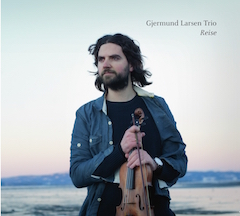 Gjermund Larsen (fele), Sondre Meisfjord (kontrabass) og Andreas Utnem (trøorgel, piano) innledet det som nå har blitt en trilogi med å melde sin Ankomst (2008), fulgte opp med Aurum (2010) og signaliserer at de fremdeles ikke har tenkt å slå seg til ro. Gleden over debuten og oppfølgerens finslipte formuleringer er naturligvis ikke like sterkt tilstede, overraskelsesmomentet mindre fremtredende. Det trenger ikke bety så mye, med mindre fornyelse er den viktigste forutsetningen. Reise skiller seg ikke nevneverdig ut fra forgjengerne, men kvaliteten i materialet er fremdeles av den mest slitesterke typen – særlig når de er på sitt mest dvelende og poetiske. Gjermund Larsen Trio har lykkes med å forene ulike disipliner, og ut av det skape noe høyst personlig og egenartet.

 Før Kacey Musgraves ga oss Same Trailer Different Park (2013) hadde hun tre selvutgitte album bak seg, vært deltaker i talentkonkurransen Nashville Star (en country-variant av Idol), og skrevet låter for Miranda Lambert og Martina McBride.
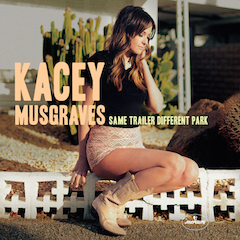 Men det var først med major label debuten Same Trailer Different Park at det virkelig tok av for supertalentet fra Sulphur Springs, Texas. 12 glitrende countrylåter og et sett vittige, rørende og ikke minst skarpe observasjoner sentrert rundt småbylivets gode og dårligere sider er nøkkelen til at Kacey Musgraves kan regnes blant dagens store countrystemmer. Skiva gikk rett inn på andreplass på Billboard (#1 på countrylistene), er nominert til det som er av countrypriser i hjemlandet og med en påfølgende turné på begge sider av havet.


 Diligently recording and releasing unique music since the mid ‘70s, Half Japanese is an American outsider music institution, one that represents the true embodiment of cult heroes.
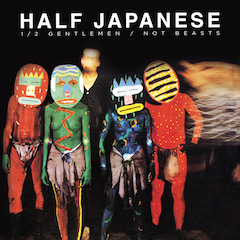 The band’s official recording career began with a characteristically ambitious triple album, 1/2 Gentlemen/Not Beasts (1980), later chosen by Rolling Stone as one of the top 100 most influential alternative albums of all time. Over the years, Half Japanese have faithfully released music at a tremendous pace, as Half Japanese, as solo artists and in numerous additional collaborations. And aside from David Fair, who handed over the duties to his brother in the early 1980s but has made occasional guest appearance over the years, the band features the same members who have been at Jad’s side since the late ’80s and early ’90s: John Sluggett (guitar, keys, timbales), Gilles-Vincent Rieder (drums, percussion, keys), Jason Willett (bass, keys), Mick Hobbs (guitar, glockenspiel).
 The Shaggs:
 Daniel Johnston:
 Tompkins Square is the small but highly-respected label out of San Francisco. Founded and largely run alone by Josh Rosenthal, the young indie imprint is most renowned for their exquisite sense of quality and their deep diggings into the forgotten crates of 20th century American music.
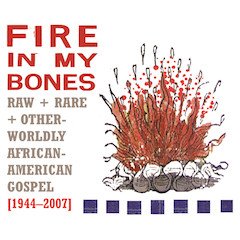 They have shed new light on old artists like Robbie Basho, Charlie Louvin and Tim Buckley, also releasing new artists like Hiss Golden Messenger, Daniel Bachman and James Blackshaw. In just a decade Tompkins Square has also earned a well-deserved reputation for their archival collections, such as the Grammy-nominated box set People Take Warning! Murder Ballads & Disaster Songs, 1913-1938 and the fantastic gospel collection Fire In My Bones!: Raw + Rare + Otherworldly African-American Gospel, 1944-2007

 Did you have an initial idea back then on what the label should be and how it could evolve in the future?
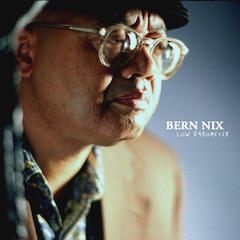 Guitarist Bern Nix’s album Low Barometer was one of the first albums I recorded. Bern played with Ornette Coleman, and I used to see him around my neighborhood in the East Village. His harmolodic approach to guitar is fascinating and he is a giant of improvisation. Like Derek Bailey, not always the easiest listen, but a very satisfying one if you put yourself to the test.
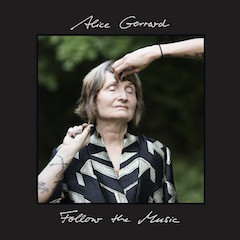 Sharon Van Etten emailed me cold in 2009 and told me to check William out. I didn’t know who she was at the time, it was a random email. So I signed Will, and then he told me about Hiss Golden Messenger, who I signed, and then Michael Taylor from HGM produced Alice Gerrard’s album, Follow The Music, which got Alice her first Grammy nom at age 80. All from one email! His LP [Behold The Spirit], with its sweeping arrangements, changed the game for acoustic guitar records. Everyone who follows the American Primitive genre knows this by now.
 Before punk, there was the pub. Unlike their American counterparts, the British punk scene mainly evolved from pub rock. Developing in the early 1970s, pub rock followed a straight path rooting back to 1950s and ’60s no-nonsense rock ‘n’ roll and rhythm & blues. Disdaining the glitz and glam of the era in favor of a much more back-to-basics approach to rock, it was not limited to one certain style, and just as happily embraced ragged folk, country, funky soul and other musical expressions fit for tight and sweaty club nights.
 Because pub rock was mainly a phenomenon based around live experiences it centered around legendary London clubs like The Hope & Anchor, Dingwalls, the Nashville and the Tally Ho. Spearheaded by acts like Dr. Feelgood, Eddie and the Hot Rods and The 101’ers (Joe Strummer’s first band before The Clash), the lines between pub rock and punk rock are blurred at best, with The Vibrators, The Stranglers, Ian Dury and Elvis Costello serving as prime examples of the transcending artists of the scene.
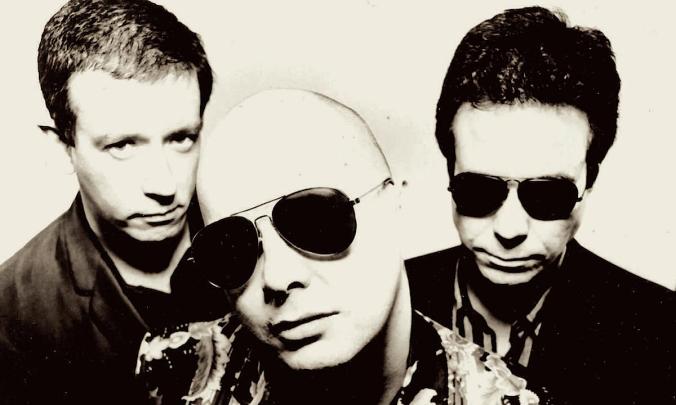
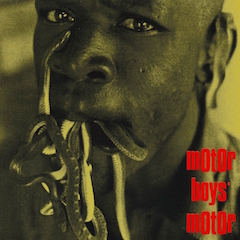
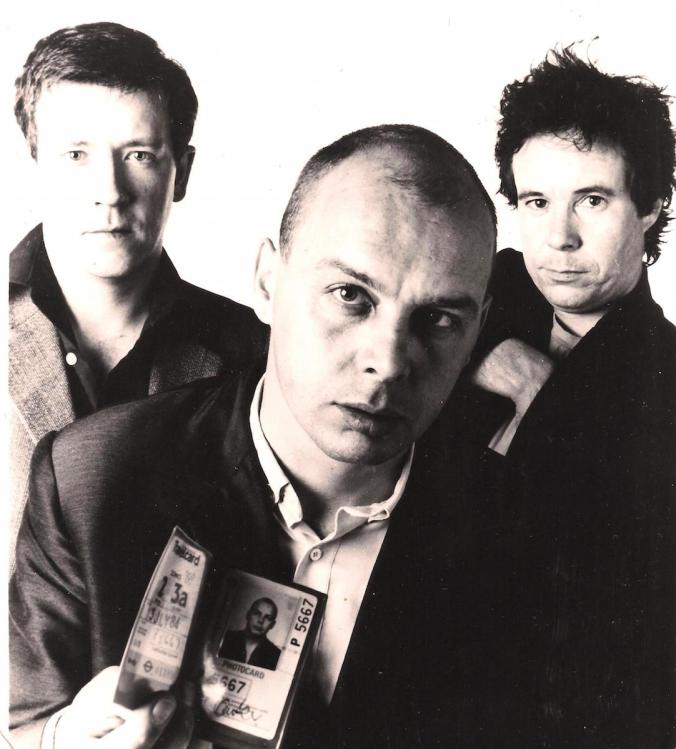
 Screaming Blue Messiahs rose from the ashes of Motor Boys Motor (named after a 101’ers tune). The now obscure, but superb band only released one sole album in 1982, exposing a crew owing debt to the likes of Bo Diddley, Little Richard and Captain Beefheart. With some adjustments to the line-up, the smokin’ trio was finally settled as the highly skilled outfit of Bill Carter on guitar and vocals, Chris Thompson on bass and Kenny Harris on thundering drums. Soon after they were renamed the Screaming Blue Messiahs and found a natural place to call home in the excellent and wildly eclectic Big Beat label, one known for pushing rock in all shapes and forms (rockabilly, mod, hillbilly, blues, rock ’n’ roll, ’60s soul and much more).
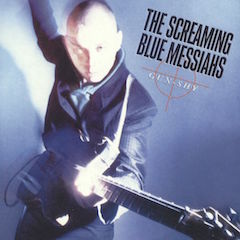 Gun-Shy hit the record stores in early 1986 and segmented the band’s status as both critical darlings and live favorites. Following the release of Gun-Shy the band did some extensive touring in Europe, North America (with The Cramps), Australia and New Zealand.
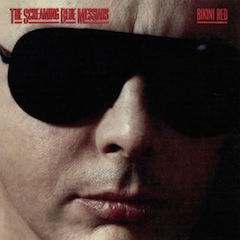 They were met again with positive reviews, even though the release itself was a bit haltered due to the lack of the same sort of extensive touring that followed their debut. But support then came from unexpected places, including when David Bowie, on several occasions, stated that “an angry mob from London” known as the Screaming Blue Messiahs was “his pet project.” His admiration led to a couple of support gigs along his ongoing Glass Spiders tour in the UK. Then, in 1988 they reached a commercial peak as “I Wanna Be a Flintstone” hit the charts, introducing them to a more mainstream audience.
 Å rangere årets favorittalbum er en øvelse som raskt minner om et par ting, både mengden kvalitetsplater som utgis hvert år og den skrekkelig lille tiden man egentlig har til rådighet til virkelig å grave seg ned i materien. Og det sier jeg, som sitter å lytter til og vurderer musikk hver dag som en del av jobben. Denne kåringen av årets høydepunkt fungerer dermed også som en rolodex over titler som fortjener mer fokus, og som jeg har ambisjoner om å høre enda mer på (for det kommer sikkert ikke noen bra plater i 2017 som vil stjele den tiden…)





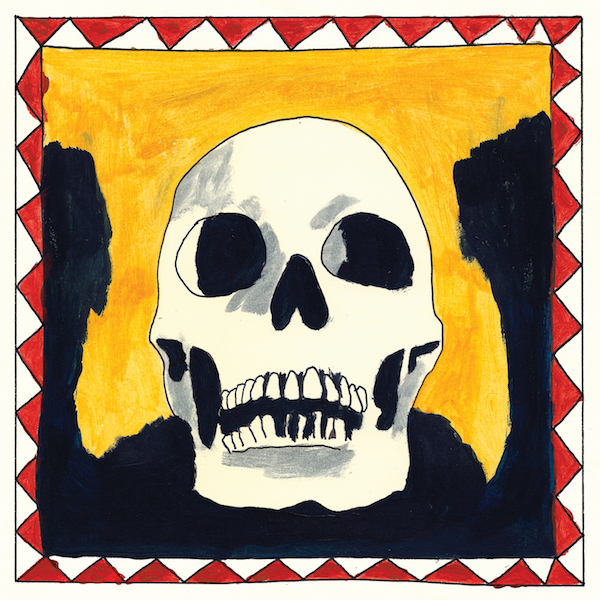
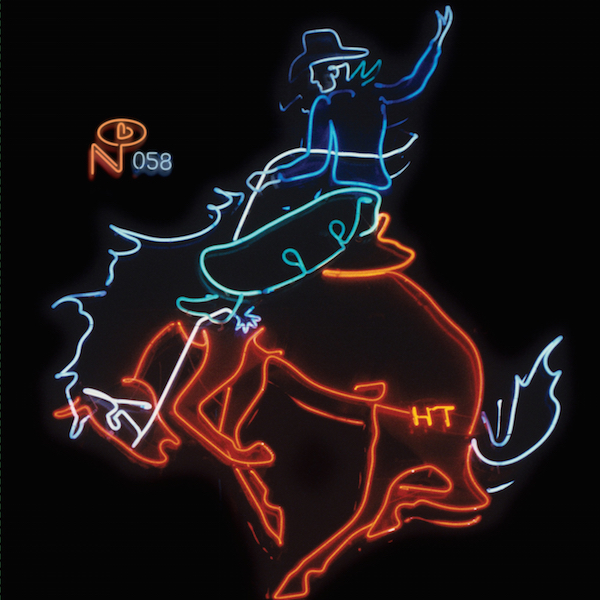
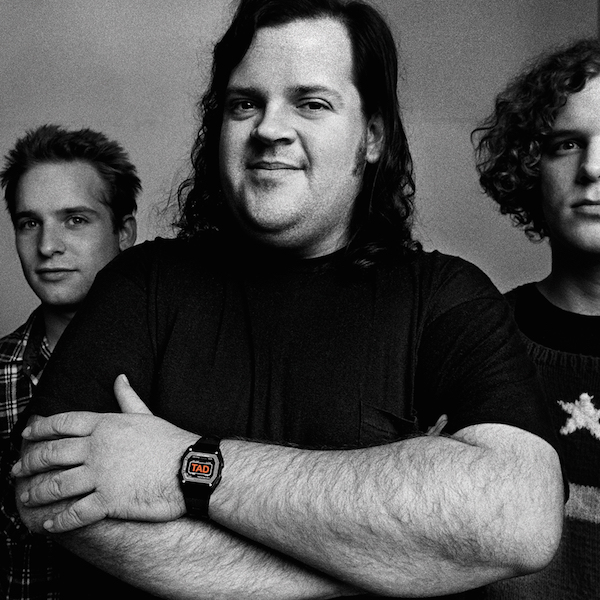 TAD: God’s Balls/Salt Lick/8-Way Santa
 Sun Ra: Singles
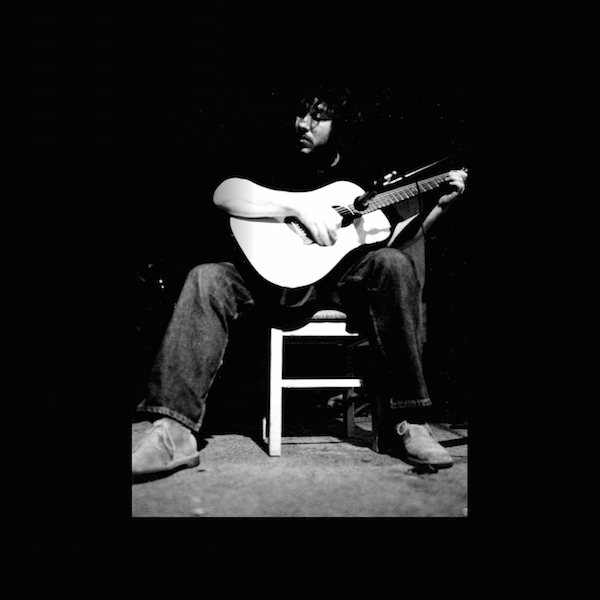 Jack Rose: Jack Rose/I Do Play Rock and Roll/Dr. Ragtime and His Pals
 Scientists: A Place Called Bad


 It’s been a while since Shirley Collins sang in public. As a matter of fact, when that last happened Michael Jackson had just released Thriller and E.T. phoned home from the movies. Ronald Reagan was gunned down on the streets, and the Falkland Wars between England and Argentina had just began. Commodore 64 was launched, and tech savvy consumers could actually buy a CD player for the very first time, the technological shift was so distinct, TIME magazine even named the computer ‘Man of the Year.’
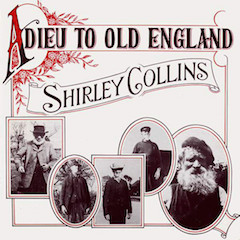
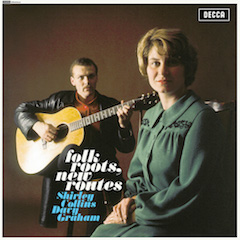 Returning back to Britain, Shirley Collins built a steady solo career. Often accompanied with her sister Dolly, a gifted arranger and composer in her own right, Shirley cementing her role in the rapidly blossoming English folk scene. In all she recorded over 20 albums, including the highly-influential Folk Roots, New Routes (1964), a collaboration with avant-garde guitarist Davy Graham, her seminal work Anthems in Eden (1969), done with Dolly, and the eclectic masterpiece No Roses (1971), which spawned the folk group The Albion Band. Existing in the very center of the emerging electric folk rock and acid folk circuit, Collins managed to maintain a sort of noble grace, fusing elements of contemporary folk with archaic, pre-modern roots.
 While being part of the flowery counterculture scene at the time, she also kept her distance from the psychedelic underground; Shirley Collins’ culture was in many ways steeped in a deeper soil. This incident, taken from Electric Eden, can serve as a sufficient example: Once, while the Collins’ sisters played with Robin Williamson of the Incredible String Band, he urged them to expand the session with some drugs: ‘You’ve never seen a tree until you’ve taken LSD,’ he said, prompting Dolly Collins to snappily reply: ‘I know perfectly well what a tree looks like!’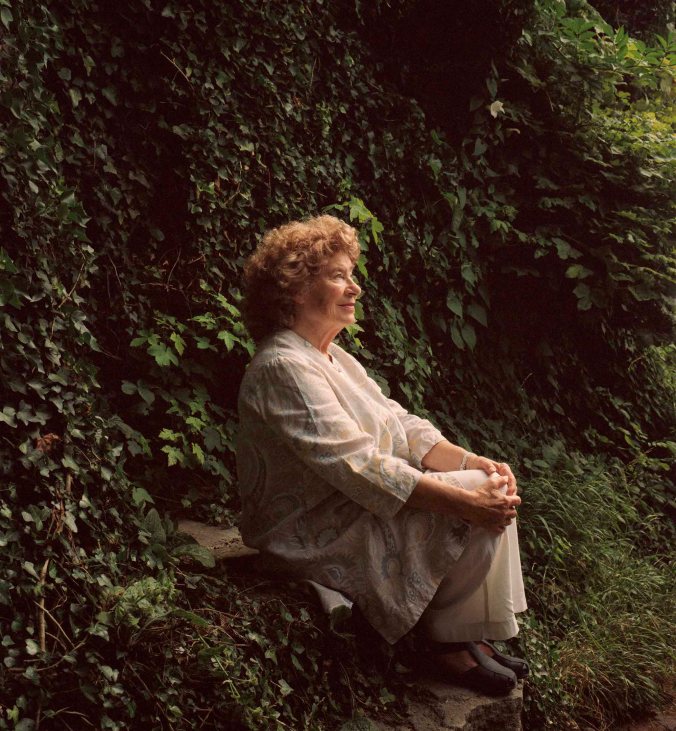
 You’re also well known to focus on rural and pastoral material from your home area in southern England. What, in your mind, are the common grounds between British and American folk music, and where did you place yourself in such a context?
 Why did folk music resonate so well with young people then, and what do you think made it relevant to the pre-war generation?
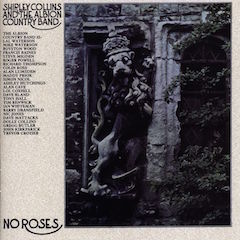 You later worked with Joe Boyd and folks from the Incredible String Band, released albums on the iconoclastic Harvest label and gave us the eclectic album No Roses in 1971. Can you please try and describe this period of time in terms on how you found your role ‘between’ traditional culture and the psychedelic expansion at the time?
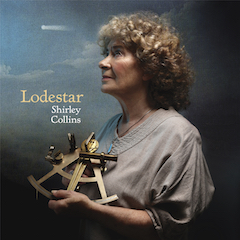 Can you please guide us briefly through Lodestar and let us know what we can expect from you this time? As I understand there’s some sort of circle here, since it also includes tracks tracing back to 1959 and your Delta travels.
 The Big Beast