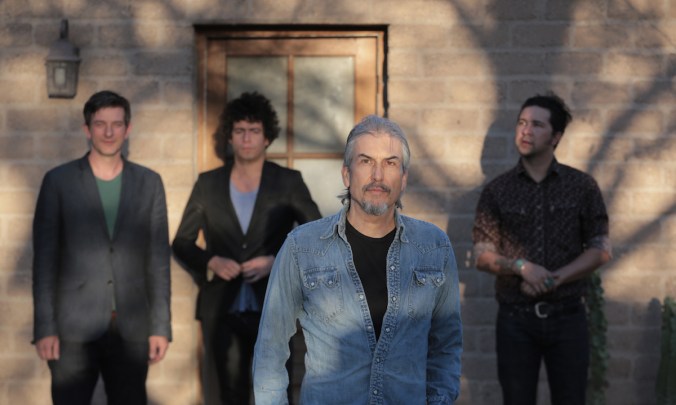
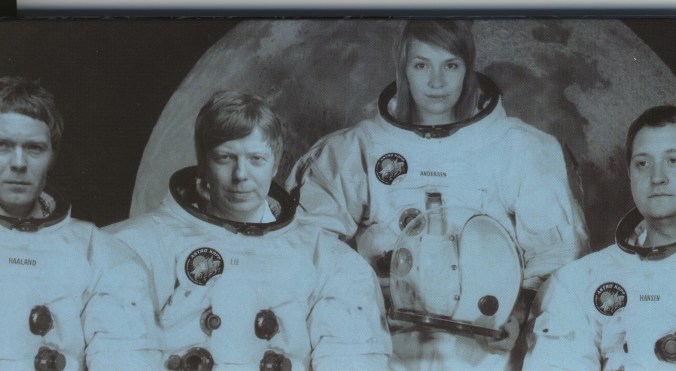
 Dette intervjuet fant sted på Café Mono i mars, 2006 i forbindelse med deres da nye album The Last Temptation Of…
Snart seks år siden debuten er ikke The Low Frequency In Stereo lenger å betrakte som et nytt tilskudd i norsk rock, men med sin tredje plate The Last Temptation of… har kvartetten tatt nok et steg videre bort fra post-rocken som var deres utgangspunkt, tenk Mogwai og Tortoise, og søkt nye retninger. Vi snakker ikke om et fullstendig hamskifte, men en naturlig utvikling som inkluderer mer fokuserte låter og økt vokalbruk. Med nok et strålende album bak seg og et mulig internasjonalt gjennombrudd i kjømda var det på høy tid å gå dette bandet litt nærmere i sømmene.
 The cool rulers
The Low Frequency In Stereo har alltid blitt møtt med velvilje fra kritikerne, men fram til nå har de nok tilhørt en mer obskur sfære for det store publikum. The Last Temptation of… blir vel heller ingen ’landeplage’, men ikke bare har bandet selv tatt tiden til hjelp for å bygge opp en bærekraftig karriere, tiden har også kommet dem i møte. Nå som rastløs og dansbar post-punk med slipstvang har blitt en trend, er kanskje tiden moden for å skape gjenklang blant nye kull som har oppdaget rytmisk energi som sentral drivkraft i rocken. Under by:Larm i Tromsø 2006 var det ikke rent få nye artister som forsøkte seg på noe av det samme, men ingen var helt i nærheten av å fremvise det kompakte drivet og den ukontrollerte sikkerheten som ringrevene fra sildabyen.
Deres renommé som liveband har da også tidligere blitt lagt godt merke til, særlig kommentaren til Rolling Stone-journalist David Fricke er velbrukt. Han omtalte bandet som ’the cool rulers of Scandinavia’ etter deres opptreden på bransjemønstringen South by Southwest i Austin, 2005. Etter by:Larm ble de sammen med blant andre Serena Maneesh valgt ut til å spille på den engelske ekvivalenten til SXSW; The Great Escape. De skal også vise seg fram på et svensk bransjetreff senere i vår, og spille på den danske Spot-festivalen, Øya og Kongsberg Jazzfestival.
Det er ikke rart at keyboardist Hanne Andersen er relativt oppglødd og ser positivt på framtiden. Jeg satte meg sammen med denne sympatisk fjerdedelen av bandet, blant annet for høre litt om hva skjer framover. Men det ble like gjerne en samtale som penset rundt andre temaer.
Da kulturkomiteen var på rockekonsert
Andersen fisker opp en fersk Aftenposten og åpner kultursidene. En dobbeltside viser Stortingets kulturkomité på befaring i hovedstadens musikkmiljø guidet av Norsk Rockforbund. Illustrasjonsfotoet er hentet fra Mono og Low Frequencys showcase kvelden før.
– De kjøpte platen alle sammen, humrer hun, men tar opp saken i første rekke grunnet sitt varme engasjement for økte kulturmidler til rocken.
– Jeg er så inderlig enig med Norsk Rockforbund som forsøker å sette fokus på hvor viktig det er å gi støtte til spillestedene, slik at de faktisk kan betale banda skikkelig. Mange får jo turnéstøtte, men det holder knapt nok til bil og bensin. Vi bor i et langstrakt land hvor det er dyrt å turnere. Nå har vi reist å rundt å spilt i seks år, og vi har faktisk turnert minst i Norge, sier hun.
Spillestedenes trange kår er igjen et aktuelt tema, nylig måtte to av Oslos mindre klubber stenge dørene grunnet økonomiske problemer; Skuret kulturpub og Rock Bottom. – Det er så synd, for det var virkelig bra plasser, og så er de bare nødt til å legge ned. Det er ikke slik som gagner kulturen.
Low Frequency har inntil nylig hatt en særlig sterk tilknytning til Danmark, direkte linket til gitarist Per Plambech Hansen, som nå har sluttet i bandet grunnet geografiske hensyn og blitt erstattet av Njål ’The Kid’ Clementsen. I to år var København hjemmebase der hverdagen stort sett bestod av lusne dagjobber og intense bandøvinger.
– Forskjellen mellom Danmark og Norge, er først og fremst at det er så få byer å spille i, bortsett fra København er det egentlig bare Aalborg, Århus og Odense. Men alle klubbene vi spilte hadde statlig støtte, så de kan gi brukbare honorar for den jobben man faktisk gjør. Man kan sette en pris på den kulturen man bidrar med, og rockemusikere er desidert de mest underbetalte i kultursammenheng. Det virker ikke som det er ansett som høyverdig hvis man går rundt i svarte klær og er rufsete på håret.
Sildarock og danskepølse
Årabrot er også et fremadstormende (i hvert fall stormende) band fra Haugesund. Det virker som det skjer en del kreativt i hjembyen, noe også Andersen bifaller.
– Det gjør det, og jeg tror det skyldes at vi har lært at man får ikke mer moro enn det man faktisk skaper selv. Mye skjer rundt det Gamle Slakthuset som er en base for en stor del av ungdomskulturen i Haugesund, med blant annet øvingslokaler og spillescene. Det er rett og slett veldig mye bra band som holder på. Vi ble en gang spurt om vi så på oss selv som outsidere, men det skjer så mye rart hele tiden at det ikke går an å være outsider der nede.
Hvilken betydning tror du tilhørigheten til Haugesund har hatt å si for deres musikalske utvikling?
– Jeg tror vi har hatt muligheten til å se ting mer utenfra, for eksempel Oslo og Bergen, og da er det nok lettere å bli obs på hva som skjer og hva som er typisk i de store byene og ta et bevisst på valg på hva man selv vil gjøre. Fra Bergen har det kommet mye electronica og fra Oslo mye garasjerock, mens vi driver med et sammensurium av stilarter. Det kan nok skyldes at vi selv har bodd i utlandet i noen år. Vi fikk med oss mye band i Danmark, og jeg tror det formet oss ganske mye. Den perioden var veldig verdifull, det var der vi fant oss selv som band.
Andersen kan fortelle at i Danmark er gapet mellom undergrunnen og de etablerte mye større enn her hjemme. Vi har penset samtalen inn på det tilsynelatende fraværet av spennende artister fra nabolandet. Hva som er grunnen til at Norge blir sett på med misunnelse og følges med argusøyne kan ikke bare skyldes tilfeldigheter. Andersen mener at en viktig årsak er fraværet av et skikkelig apparat som kan trekke fram nye, spennende artister. Siden småklubber som Vega og Loppen har muligheter til å booke mindre og ukjente band skulle man tro at undergrunns-scenen blomstret i Danmark:
– Det som mangler er personene til å jobbe med dette på en skikkelig måte, for eksempel bra management. Små plateselskap finner man nesten ikke i Danmark. De har Spot-festivalen i Århus som vi skal spille på, som vel ikke er spesielt rettet mot bransjen, og så vidt jeg vet har de ikke noe som tilsvarer for eksempel vårt by:Larm.
 Yoo Doo Right
The Low Frequency In Stereo har etterhvert blitt godt vant med å spille rundt om i verden. Tyskland er det mest vellykkede satsningsområdet så langt, men det jobbes også mot England og USA framover. En av de viktigste konsertene var nok på Austins SXSW i 2005. Hanne Andersen undervurderer ikke verdien til denne festivalen, som pågår igjen akkurat i disse dager.
– Vi sikret oss god forhåndsomtale ved å dele ut mye på promos til lokale medier på forhånd, og ble for eksempel belønnet med Pick of the day i Austin Chronicle. Akkurat det var gull verd. Vi ble jo veldig fornøyd med beskrivelsen til David Fricke i Rolling Stone som kalte oss ’the cool rulers’ og slengte inn referanser til Joy Division, The Doors og gitar-twangen til Dick Dale.
Nylig spilte de i Hellas, noe som også var en udelt positiv opplevelse:
– Det var veldig spesielt. Vi visste ikke at vi var et band folk snakket om i det hele tatt. Men vi er spilt mye på radio der nede, og ble møtt med stor interesse i form av intervjuer, både TV og nasjonal radiodekning, pre-fest med mye folk, og ikke minst en fullstappet klubb der publikum til alt overmål sang med til ”Man Don’t Walk”! Vi merker at vi blir møtt med stor entusiasme i mange ulike leire, og appellerer til folk som i utgangspunktet liker alt fra Can og Tortoise til Sonic Youth og Pavement. Vi treffer tydeligvis en nerve hos mange.
 Det virker som det er deler av både Stereolab og Can i det nye materialet, blant annet la jeg merke til et utdrag fra Cans ”Yoo Doo Right” inne i et av dine vokalpartier…
Andersen bekrefter smilende at de har hørt mye på Can i det siste, og vi blir enige om at ”Yoo Doo Right” vitterlig er blant tidenes bedre låter. Hun fortsetter:
– Mange har plassert oss som post-rock, men det har vi ikke holdt på med siden førsteplaten. Vår forrige ga vi en meningsløs tittel (Travelling Ants Who Got Eaten by Moskus) bare for å peke nese til hele den greia der. Nå driver vi med et sammensurium av stilarter. Den kjennetegnes ved mer vokal, kortere låter som er plukket ut fra et kobbel som vi synes passet bra sammen. Vi har i første rekke tenkt helheten i et album. Jeg tror det er en tidløs plate som ikke passer til noen bestemt genre. Vi har jo en crossover-appell som også trekker mot jazzen, ikke minst via trommis Ørjan Haaland som bidrar sterkt i den retning. Vi skal dessuten spille på Kongsberg Jazzfestival sammen med Wibutee senere i sommer. Det er greit at rockerne får innpass der, for det er jo der pengene ligger. Altså, nå høres det ut som vi kun går etter kronene, men det gjør vi altså ikke, ler Andersen.
Det skjer i det hele tatt mye spennende rundt dette bandet. I England har de fått ny agent i Coda Agency som det settes forventninger til. Platekontrakten med Rec90 utløper også etter denne platen og vil ikke bli fornyet.
– Det åpner seg nye muligheter for oss nå, sier Andersen. Når vi begynte for 6 år siden var vi regnet som noen særinger som bare et knippe mennesker hørte på. Nå er det flere og flere som kommer til, samtidig som den gamle fansen er fornøyd med utviklingen. Dessuten har vi så mye bra materiale til overs fra innspillingen, så vi satser på en ny skive allerede til sommeren, avslører en optimistisk Hanne Andersen.
Bjørn Hammershaug
Opprinnelig publisert: 17.mars 2006 på ballade.no og gjengitt her med deres velvillige tillatelse.
 St. Thomas Hansen var postmannen fra Furuset som ble en av landets fineste sangere og låtskrivere. Han startet i bandet Emily Lang på slutten av 90-tallet, debuterte som soloartist med Mysterious Walks i 2000 og fikk sitt store gjennombrudd med The Cornerman EP’en som kom året etter. St. Thomas markerte seg som nådeløst ærlig, sårbar og morsom, en varm og raus type som levde tett på hele spekteret av den menneskelige psyke. En svoren fan av Skeid og Ipswich. Og han var en fantastisk låtskriver. St. Thomas rakk å spille i Royal Albert Hall (oppvarming for Lambchop), laget plate i Nashville med Mark Nevers (fra samme band), spilt inn med Howe Gelb (Giant Sand) og Jeremy Barnes (Neutral Milk Hotel), og utgi fem studioalbum før han så ubeskrivelig tragisk gikk bort i 2007. Han ble bare 31 år gammel. Disse tre korte tekstene er alle skrevet i tiden rundt release og belyser egentlig ikke noe annet enn at jeg var glad i fyren.
 The Cornerman EP
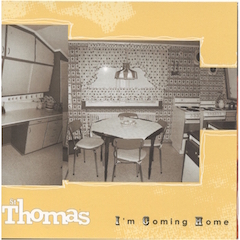 I’m Coming Home
 A Long Long Time EP



 Nirvana frontman Kurt Cobain was 27 years old when he ended his life in his Seattle home on April 5, 1994 – leaving this earth perhaps the most iconic cultural figure of his time. As Cobain biographer Charles R. Cross emphasized, ‘He isn’t the last star in rock ’n’ roll, but he is the last true Rock Star that we’ve had to date who earned Icon status. He existed in a period that is now lost to history, when a rock artist could be played on all formats of radio, when rock was the dominant musical form.’
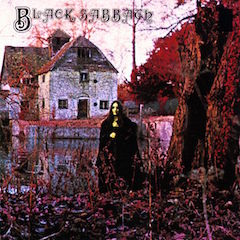 Black Sabbath:
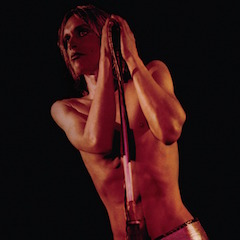 Iggy & The Stooges:
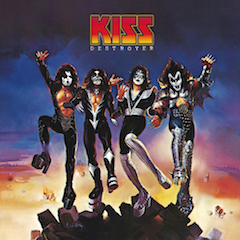 Kiss:
Kiss: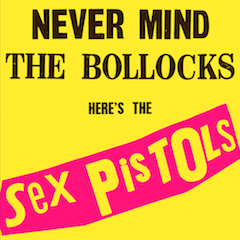 Sex Pistols:
 Cheap Trick:
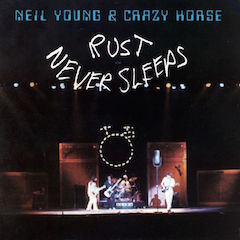 Neil Young & Crazy Horse:
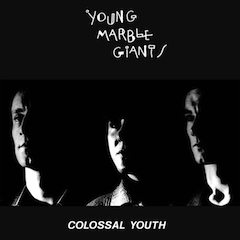 Young Marble Giants:
 Flipper:
 Black Flag:
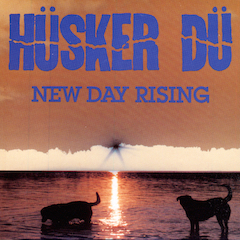 Hüsker Dü:
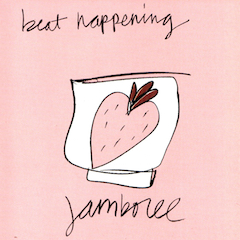 Beat Happening:
 Killdozer:
 Dead Moon:
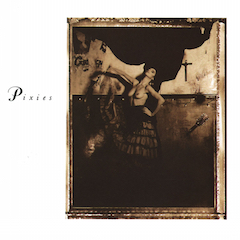 Pixies:
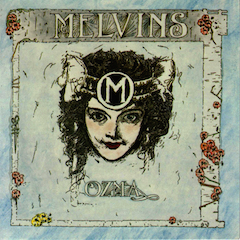 Melvins: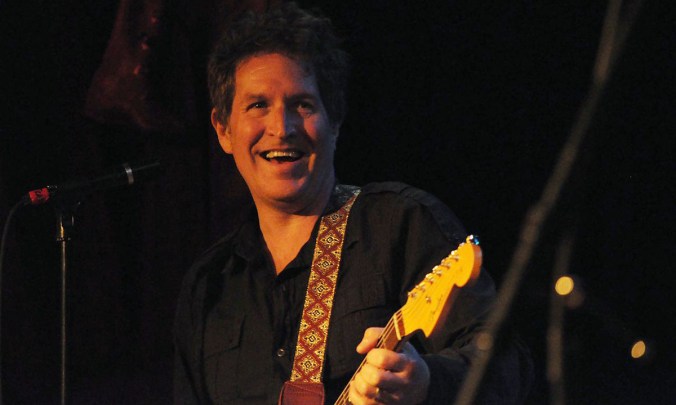
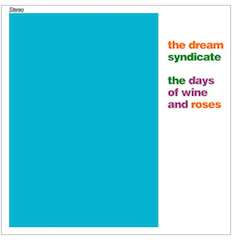 With a constantly revolving line up, labels and experimenting in sound, The Dream Syndicate released a steady row of albums in the course of the ’80s. Their classic debut, The Days of Wine & Roses (1982), stands among the finest albums of the decade, while the blistering live album, Live At Raji’s (1989), captures their ferocious on-stage energy. The latter also turned out to be their swan song (though they reunited in 2012, with the possibility of new material on the way), paving the way for even more successful bands like Nirvana and Pixies without cashing in on the indie/guitar resurrection in the 1990s.
 It’s probably not a surprise to those who know my music and my history, but a lot of jazz records. Out there albums like Albert Ayler’s later stuff, Ascension by John Coltrane, Dancing in Your Head by Ornette Coleman… These were all records I loved, and who taught me of improvisation. In the years before The Days of Wine & Roses, I’d practice my guitar not to The Yardbirds or “Stairway to Heaven,” but to free jazz. It made sense to me, to learn how to jam and improvise. So I would sit down with these freaky half-hour long jazz pieces and go at it.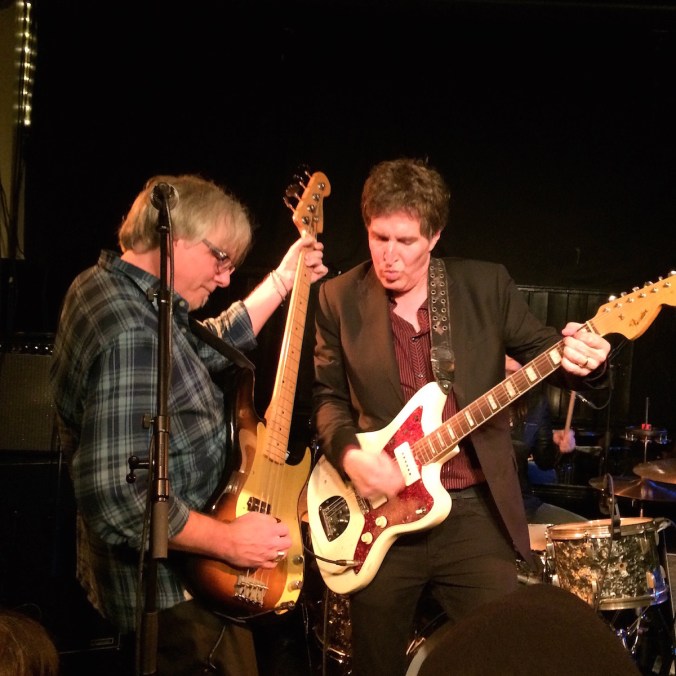
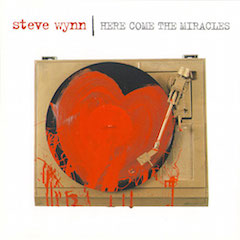 I’d have to say Here Come the Miracles, I really like that for many reasons. I think it’s my best record; and I’m really satisfied with what I did on that one. It also came at a time in my life where I didn’t know what I wanted to do, I thought, I’m 40, I might be done or I might be out of ideas, or I might have nothing left to say. It came at the right time, where it showed me where I should go, and also that I could keep doing it. It revived everything, from the creative side to the career side. It was also the easiest record to make. There were no obstacles, no confusion, and everything was just obvious. Now that doesn’t happen every day. [laughs]
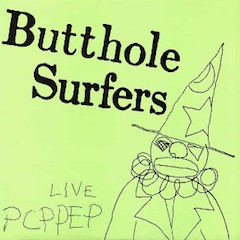 Butthole Surfers: Live PCCPEP
 The Dream Syndicate: Live at Raji’s
 Cosmic Psychos: Slave to the Crave
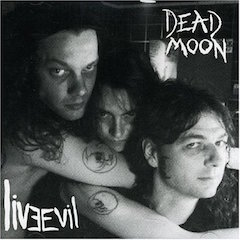 Dead Moon: Live Evil
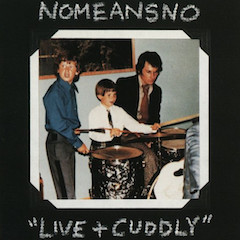 Nomeansno: Live + Cuddly
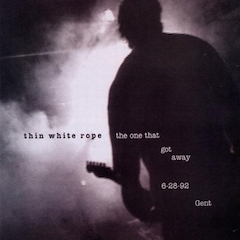 Thin White Rope: The One That Got Away
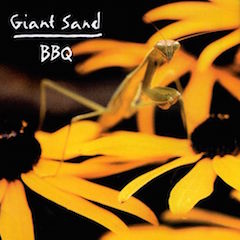 Giant Sand: Backyard BBQ Broadcast
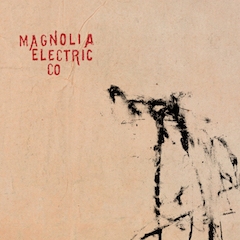 Magnolia Electric Co: Trials & Errors
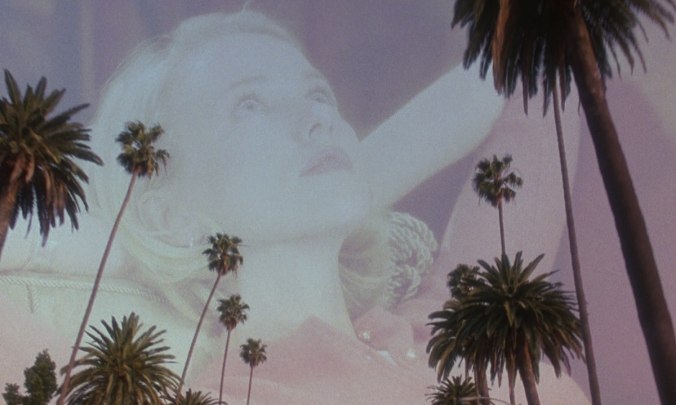 Dette er den ganske så subjektive og forsøksvis 100% ærlige listen over mine 100 favorittfilmer gjennom tidene, der personlige parametere lett går foran etablerte klassikere. Dette er først og fremst filmer som har gjort et uutslettelig inntrykk et eller annet sted langs livsveien, filmer som med glede kan ses igjen – og i mange tilfeller filmer som helt sikkert har tapt seg en del siden den gang. Som med de fleste andre inntrykk og utrykk er de vi eksponeres for i den mest sårbare alderen, et eller annet sted i årene mellom 15 og 25, også de som sitter sterkest igjen.