Den musikken man eksponeres for i den mest kritisk påvirkelige fasen av livet, siste halvdel av tenårene, skaper et fundament og gir en holdbarhet som varer livet ut. Uansett hvilke musikalske faser man senere går gjennom vil denne tidens soundtrack være en helt sentral del av ens DNA, like nedbrytbart for nervesenteret som plast eller plutonium for naturen, uansett senere kvalitativ distansering eller direkte avvisning. For noen vil det kanskje være en byrde å bære med seg sitt eget lydspor, noe som nærmest må nytes i all hemmelighet, inntil eventuelle revivals tillater etterlengtet og hemningsløs dyrkelse, for andre vil det være essensielle byggesteiner for livslang musikkglede, ja noe man kan slå om med seg med en viss stolthet.
Etter nesten 10 år med kassetter, og det som etter hvert ble en ganske brukbar samling, begynte jeg som 15-16-åring å kjøpe LP-plater i 1988. I løpet av bare det første året (alle innkjøp er grundig protokollført) var jeg oppe i et tresifret antall, og forholdet til hver og en av disse er nok sterkere enn hele resten av samlingen. Livet ville kanskje tatt en annen kurs, neppe til det bedre, men jeg tror ikke selve forholdet ville vært spesielt annerledes, om jeg hadde brukt større tid av de første aktive platekjøpende årene av mitt liv på Stock, Aitken & Waterman enn Touch & Go. Men jeg er veldig glad for at veien førte meg nettopp dit.
Band som R.E.M, Sonic Youth, Dinosaur Jr., The Dead Kennedys, Violent Femmes, Giant Sand, The Replacements, The Cramps, Fugazi, The Dream Syndicate, Butthole Surfers, Killdozer, Pixies, Black Flag, Mudhoney, Nirvana… etiketter som SST, Touch & Go, Zippo, Frontier, Slash, Enigma, Alternative Tentacles, Boner, Blast First var tidlig en naturlig integrert del av mitt vokabular. Jeg likte altså spesielt godt disse litt snåle amerikanske bandene som på den tiden tilhørte den alternative delen av musikken. Ikke spesielt avansert eller sært egentlig, i hvert fall hørt med dagens ører, men uansett et stykke unna hovedstrømmen. Denne artikkelen graver litt under disse nå mest etablerte bandene, og retter søkelyset mot noen mindre renommerte navn fra samme omgangskrets og samme periode.

Jeg er ekstra glad i musikk fra den amerikanske undergrunnen, siden jeg oppdaget R.E.M og kjøpte Life’s Rich Pageant på klassetur til Bergen i 7. klasse (på Apollon). Verken Springsteen, Maiden eller Metallica kunne måle seg med skeive gitarer, låter uten refreng og dårlige hårsveiser. Det åpnet for et livslangt forhold som på den tiden lett kunne ivaretas, ikke bare i Oslos rike flora av platedealere, men også på en liten plass som Lillehammer, som på sitt beste hadde ikke mindre enn fire høyst oppegående platebutikker med kompetent betjening – og jevnlig oppdaterte importavdelinger – på en liten stripe: Rilla platebar (senere Basement), EzyRyder, bokcaféen Detteerikkenhundeterenulv og Innova. For en luksus!
Jeg har som sagt vært heldig, ikke bare for at jeg falt inn på en vei som på mange vis var musikkpolitisk kul, men som også har vært en konstant kime til nye oppdagelser og som alltid har vært et solid fundament i bunn å vende tilbake til. Senere musikalske smell har slått vel så hardt. Velvet Underground. Can og krautrocken. Coltrane, Miles og jazzen. Nick Drake. Eksperimentell metal og Americana. Og så mye, mye mer. Men denne listen handler ikke om disse oppdagelsene. Dette er en fordypelse inn i ungdommens velsignelse og evige forbannelse. Her er 20 overflødighetshorn fra den amerikanske undergrunnen som du kanskje aldri har hørt om – eller visste at du savnet. Your loss.
For en mer opplagt rundreise inn i samme tema, anbefales denne lista med 20 favoritter fra Amerikansk undergrunn 1980-89 med størrelser som Pixies, The Replacements, Violent Femmes og flere.
***
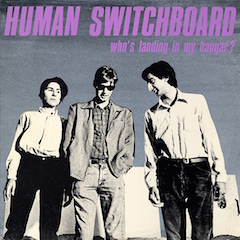 Human Switchboard: Who’s Landing In My Hangar?
(Faulty Products, 1981)
To band svever i skyggene til Human Switchboard: Pere Ubu og Yo La Tengo tilhører begge utkantene av deres univers, siden de jobbet med både David Thomas og Dave Schramm i løpet av sin korte karriere. Og det er heller ikke unaturlig å trekke en musikalsk linje mellom disse to og plassere Human Switchboard et eller annet sted på midten.
Deres skeive og sjarmerende skranglepop domineres av off-beat melodier, framtredende Farfisa og denne litt nervøse, corky tilstedeværelsen som de delte med samtidige likesinnede som The Feelies, Violent Femmes og Talking Heads (Funkadelic/Talking Heads keyboardist Bennie Worrell bidrar for øvrig på et spor her).
Cleveland-bandet skaffet seg en viss fanskare rundt hjemtraktene i Midtvesten og på klubbene langs østkysten, spesielt i New York, og deres fanbase inkluderte visstnok både Beastie Boys og flanell-rockere som Mark Lanegan, Chris Cornell og Kurt Cobain. Sistnevnte skal ha omtalt ”Refrigator Door” som ‘the Stairway of Heaven on punk’.
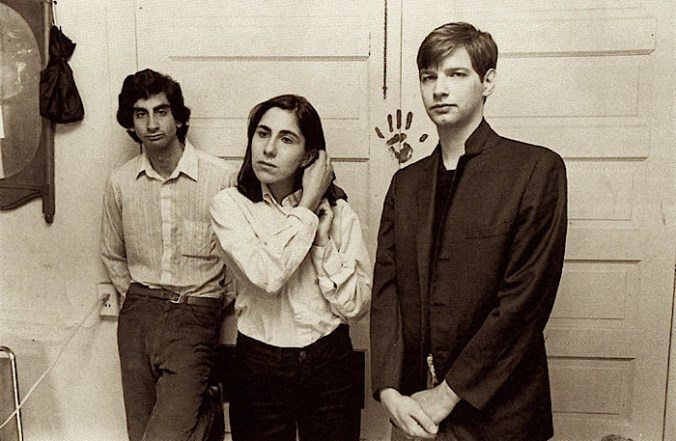
Deres første og eneste studioalbum ble Who’s Landing In My Hangar? (utgitt på en side-etikett av I.R.S), og er en oppvisning i rytmisk, utadvendt new wave/post-punk som i dag bærer en glans av fordums nostalgi – et sted mellom Blondie og Velvet Underground – uten at den har falmet altfor mye. Det saxy åpningssporet ”(Say No To) Saturday’s Girl” er en glitrende inngangsport til Human Switchboard og hadde selvsagt blitt en instant radiohit i en mer rettferdig verden.
Fun fact: Bob Pfeifer forlot musikken til ’fordel’ for musikkbransjen, seilte opp som A&R-boss i Epic, og på midten av 1990-tallet ble han faktisk president i Disney-eide Hollywood Records. Han fikk sparken et par år senere da styret oppdaget at han på rekordkort tid hadde kostet selskapet $150 millioner. I 2006 havnet han igjen i medienes søkelys – og i fengsel – for en mye omtalt avlytningsskandale. Han skulle kanskje holdt seg til jangle-popen.
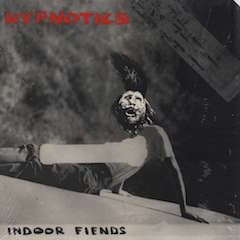 Hypnotics: Indoor Fiends
(Enigma, 1982)
Hypnotics er i det store og hele et fullstendig glemt band i dag. Og de var vel ikke spesielt renommerte i sin tid heller. Men, det er aldri for sent, og dette er et ganske underholdende album.
Hypnotics dro med seg røttene fra down and out LA-punk og forespeilet den kommende hardcore-bølgen fra Long Beach og South Bay-området. Stilmessig kan de nok sammenlignes med f.eks Circle Jerks og Angry Samoans. Enkelte nerder vil kanskje gjenkjenne bandnavnet fra den smått legendariske samleren American Youth Report (1982), der de spilte side om side med mer etablerte størrelser som Bad Religion, Descendents, TSOL og Redd Kross.
Indoor Fiends er både en debut og en svanesang for et band som aldri rakk å skrive seg inn i historiebøkene, men som like fullt tilhører den tidlige kretsen som definerte punken i sørlige California.
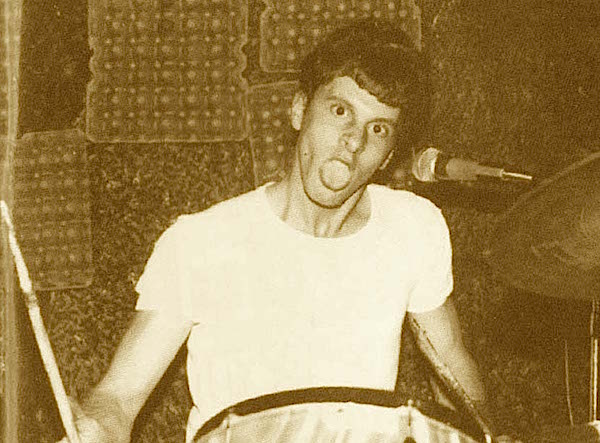
Hypnotics byr på snerrende og oppsetsig punkrock anført av vokalist Marky De Sade, framtredende keyboards og provoserende titler som ”Nazi Snotzy”, ”Kiddie Porn”, ”Celebrity Killer” og kanskje deres mest kjente to minutter: ”Weird People”. Ta en lytt:
Indoor Fiends er ikke spesielt lett å få fatt på i originalpressingen, men den er i hvert fall å finne på CD sammen med deres knapt utgitte andrealbum Expendables – som i hvert fall er umulig å finne – som fikk den helt passende tittelen Everyone Gets Their Nanosecond of Fame.
 Necros: Conquest For Death
(Touch & Go, 1983)
Mye av grunnlaget for hele min platesamling – og spesielt denne lista her – tilfaller Corey Rusk. Sammen med Tesco Vee fra The Meatmen etablerte han Touch & Go som jo ble et svært så viktig plateselskap utover på 1980-tallet. De var først basert som en fanzine i Lansing, Michigan, senere relokalisert til Chicago, og står ansvarlig for utgivelser med sjangerdefinerende band som Killdozer, Butthole Surfers, Die Kreuzen, Big Black, Didjits og utallige andre. Kvalitetsstempelet fra pionertiden hold det i hevd helt til det siste, men for min del er det særlig utgivelsene fra det første tiåret som står sterkest i bevisstheten.
Men før Corey Rusk tok over hele sjappa og fokuserte fullt på Touch & Go, var han med i Necros. De ble opprinnelig dannet på slutten av 70-tallet i Toledo-forstaden Maumee, og er allment anerkjent som et av de opprinnelige amerikanske hardcore-punk bandene, rått og slarkete som de var, og med en dæsj metal i miksen. Vokalist Barry Henssler (senere i SubPop-bandet Big Chief) sier i boken American Hardcore (Steven Blush): ”What I thought Necros were always trying to do was to have the Nugent rock vibe. One of the last Rock records I bought was Nugent’s Double Live Gonzo. I remember thinking: ’If this was ten times faster, I’d really like it’.”
Necros knyttet også sterke bånd mellom punkscenen i Midtvesten og harDCore-scenen i Washington DC, en allianse på utsiden av musikalske sentra som New York og Los Angeles, der band som Teen Idles, Government Issue og Minor Threat begynte å gjøre seg bemerket. Henssler sier i overnenvte bok: ”With us, if someone was friendly, we were friendly back… just a Midwest thing. I got into punk to get away from snobs – not to become a snob. They were rich DC kids and we were Midwestern bumpkins who didn’t summer in Martha’s Vineyard. I thought that if you aligned with this specific lifestyle, it meant dropping all the bullshit from the lifestyle you left.”
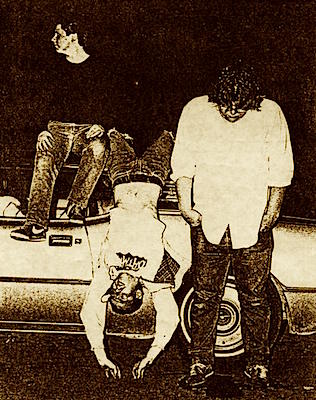
Conquest for Death er en ren energibombe, tettpakket med autentisk råskap, snobbefri glød og pur fandenivoldskhet som ble skoledannende for så mange band i deres kjølevann. Sjekk ut “Police Brutality”, “Search For Fame” eller “Satisfy” som står igjen som noen av høydepunktene på debuten.
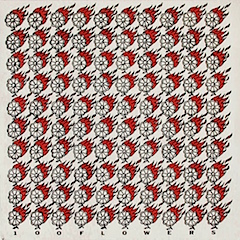 100 Flowers: 100 Flowers
(Happy Squid, 1983)
Røttene til 100 Flowers er å finne i fantastiske og marginalt mer kjente Urinals. De eksisterte i tre korte år – fra 1978 til 1981 – og utga kun en håndfull singler/EP’er i løpet av sin karriere. Deres innflytelse på undergrunnsscenen utover på 80-tallet kan likevel ikke undervurderes, med band som Minutemen og Mission of Burma som et par opplagte arvtakere. Deres låter har også senere blitt tolket av blant andre Yo La Tengo, Gun Club og No Age.
Urinals hylles gjerne for sin minimalistiske, nedstrippede stil, men deres effektive togrepslåter (eller helst bare ett) og tilknappede tekster hadde sin naturlige forklaring: Medlemmene, alle studenter på UCLA i California, startet prosjektet uten musikalsk bakgrunn i det hele tatt, ja mest som en ren parodi på populærkulturen og punkrocken. De ville skrive så korte og enkle låter at de kunne bli spilt av alle. Forsøket var likevel så morsomt at de bestemte seg for å kjøre på, og Urinals ble raskt en del av punkscenen i California der de delte scene med blant andre Black Flag og Circle Jerks. Etter tre år var de såpass drevne at Urinals-konseptet hadde utspilt sin rolle. Da endret de også navn til mer ‘seriøse’ 100 Flowers, sikkert oppkalt etter Maos kortvarige håndsrekning til landets liberale. Musikalsk avanserte de også opp et lite hakk eller to, uten at det akkurat ble prog-tendenser over bandet.
100 Flowers ble deres eneste fullengder (gitarist John Talley-Jones forsvant senere til SST-bandet Trotsky Icepick), og er en oppvisning innen post-punk – spesielt den britiske varianten av typen Wire, The Fall og Alternative TV, funky hardcore og proto Paisley Underground, denne jangly indierocken som ble definert av andre samtidige LA-band som The Rain Parade og The Dream Syndicate, på et semi-klassisk 80-tallsalbum som fremdeles er ganske morsomt å høre på, om enn noe ufullendt.
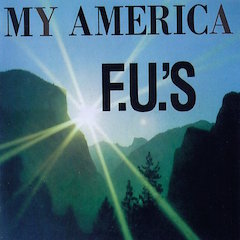 F.U.’s: My America
(X-Claim, 1983)
F.U.’s var en hardcore-bande fra Boston, som først gjorde seg bemerket utenfor byens grenser med sine bidrag på den definerende samleren This Is Boston, Not L.A. sammen med blant andre Gang Green og Jerrys Kids. Boston var en by med en brennhet scene i de dager, som også inkluderte SS Decontrol (SSD), Negative FX og DYS – en punk-by med klar politisk agenda, der Straight Edge og venstrepolitiske standpunkter stod sentralt. Velkommen til F.U.’s, som med sitt ultra-patriotiske epos My America både frydet og forvirret. Omslaget viser et mektig og erke-amerikansk landskap, baksiden viser bandet ved en pick-up i tømmerskjorter og jaktrifler, humrende med jakttrofeet liggende foran seg: To snauklipte skatere. En annen versjon viser General Patton poserende med det amerikanske flagget.
Tim Yohannan i Maximum Rocknroll, for mange en rettesnor for hva som var musikalsk og politisk korrekt, sablet ned bandet for sitt patriotiske budskap. Han hyllet musikken som ‘storms out detonating gusts of energetic exertion, wild euphoria flailing in rapid determination waiting to explode’, men tekstene ‘tread a fine line between obnoxious satire and mindless reaction’. Yohannan fastslo at ‘after conducting an interview with them in which they stated ‘America Rules’ in all seriousness, adding that immigrants entered the U.S. because they were ‘too dumb to run their own governments’, it’s all too apparent that theirs is a regressive mentality better suited to fraternity jocks than so-called punks.’
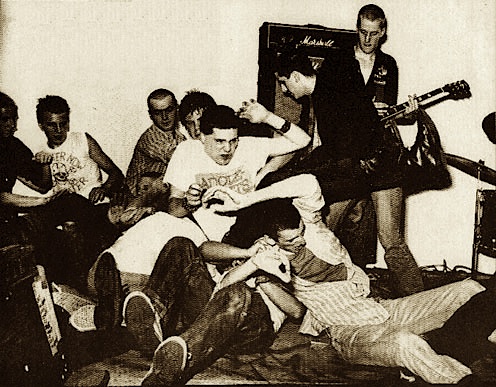
De bevegde seg utvilsomt et eller annet sted langs satirens tynne line, ganske fjernt fra sine samtidige i Bostons hardcore-kretser, men My America er uansett 16 intense minutter, godt oppsummert av AllMusic som ‘caffeine-overdose tempos that nearly collapse on every track, ultracheap static buzz production, and cigarette-hoarse mob choruses.’
F.U.’s er for øvrig udødeliggjort av Dead Milkmen i deres smått legendariske harselas ”Tiny Town”: ’We hate blacks and we hate jews and we hate punks – but we love the F.U.’s.’
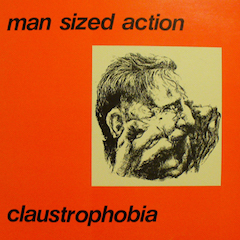 Man Sized Action: Claustrophobia
(Reflex, 1983)
Bob Mould er selvsagt best kjent som frontmann i Hüsker Dü, Sugar og som soloartist. Mindre kjent er det kanskje at han sammen med de andre medlemmene i Hüsker Dü promoterte lokal hardcore og post-punk fra Minnesota og Midtvesten med plateselskapet Reflex.
Blant bandene som utga skiver på Reflex finner vi godsaker som Rifle Sport, Articles of Faith – og Man Sized Action. Claustrophobia er deres debutalbum, som også er produsert Bob Mould selv i klassisk syltynn post-punk ånd. Steve Albini intervjuet bandet for Matter fanzine i 1984, i forbindelse med deres oppfølgeralbum Five Storey Garage som i og for seg har både bedre låter og fetere produksjon enn debuten. Etter en lengre rant om klimaet og det dårlige været i Minnesota, beskriver Albini deres debutplate i ganske treffende ordelag:
The record was raw and thin, and lacked both the depth and the punch of MSA live, but the songs came through. Huge killer songs with balls as big as houses treading the water between Mekons/Fall-styled practiced amateurishness and Joy Division/Wire-styled controlled creepiness.
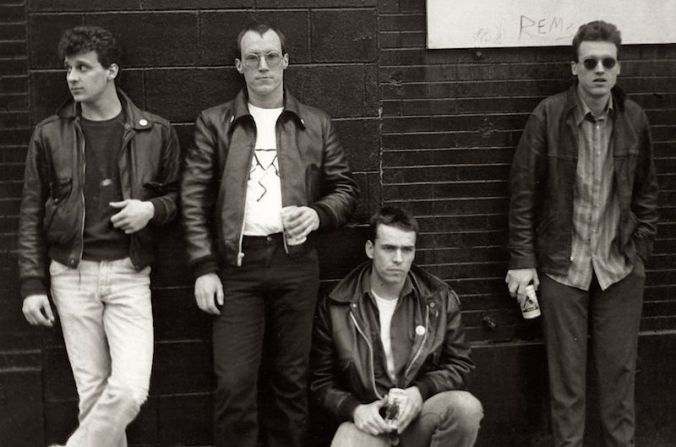
Etter Claustrophobia fikk bandet med seg Brian Paulson på gitar, mannen som etter hvert spilte med David Grubbs i Bastro og ble en høyt respektert lydtekniker og produsent, og senere har jobbet med Slint, Beck, Dinosaur Jr, Archers of Loaf og utallige andre.
Det var et stort pluss for Man Sized Action, for mannen kunne faktisk spille. I følge Albini: ”It’s different for MSA now. They can play. Like motherfuckers.”
Men flere plater kom aldri. Ta med deg begge, om du skal være så heldig å slumpe over dem.
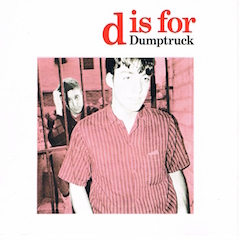 Dumptruck: D Is For Dumptruck
(Incas, 1983)
Dumptruck er det kvintessensielle amerikanske collegerock-bandet, både i musikalsk stil og med sin uheldige erfaring med musikkbransjen.
Med sin intellektuelle blanding av angstfull britisk post-punk, velfunderte vokalharmonier og gitar-jangly optimisme står Dumptruck i par med band som Guadalcanal Diary, The db’s, Game Theory og ikke minst R.E.M, tidlig i karrieren kan også Velvet, Television og The Feelies nevnes som retningspunkter. Men våre venner har urettferdig nok blitt glemt når historien om amerikansk undergrunnsrock skrives. Selv om de var kritikerroste college-darlings i sin tid.
Boston-bandet ga ut tre feiende flotter skiver på 80-tallet, debuten D Is for Dumptruck (1983), Positively Dumptruck (1986) og kraftig underkjente for the Country (1987). D Is for Dumptruck er deres mest uflidde langspiller, men med den uimotståelig naivistiske sjarmen som hører med til en slik egenutgitt produksjon av et band i den idealistiske tidlige fasen av sin karriere.
(”Back to Where I Belong” er åpningssporet fra Positively Dumptruck)
Bandets kjerne var de to habile låtskriverne Seth Tiven og Kirk Swan, begge fra Connecticut, som møttes i Boston tidlig på 1980-tallet. Etter en vellykket debut fikk de tilbud fra flere plateselskap, og slo til med australske Big Time. For den like godt mottatte oppfølgeren fikk de med seg sørstatenes jangle-pop masetro Don Dixon som produsent og satte ut på endeløse og selvutslettende turneer. Friksjonen langs landeveien splittet forholdet mellom Swan og Tiven, men sistnevnte aktet å fullføre avtalen med Big Time, stablet på beina et nytt orkester og dro til Wales for å spille inn sitt tredje album sammen med den drevne produsenten Hugh Jones (Echo & the Bunnymen, Teardrop Explodes, Icicle Works). Med eneansvar for låtene denne gangen, er for the Country deres mest helhetlige plate, der desillusjonert lyrikk møter blendende låter i et velfundert, folkbasert lydbilde. Et klassisk album som burde ført Dumptruck opp i elitedivisjonen.
Men her begynner de virkelige problemene i det som er en klassisk leksjon i indiemusikkens skyggeside.
Big Time var på vei til å gå dukken omtrent samtidig med at for the Country skulle lanseres. Dumptruck så lite til pengene som skulle dekke kostnadene for plateinnspillingen, ei heller ble den promotert eller mulig å finne i butikkene. De dro likevel ut på veien for å backe utgivelsen, utvilsomt i relativt lunkent humør, men i California så lykken endelig ut til å stå dem bi, da Phonogram Records meldte sin interesse og lokket med et sekssifret beløp. Kurt Hernon fra Perfect Sound Forever har beskrevet i detalj det som så skjedde:
While in Los Angeles, Tiven was called into the Big Time offices (he had recently learned of the Phonogram deal himself). It was explained to him that a small contractual ‘detail’ had been overlooked recently – Big Time had missed the date to pick up the option on Dumptruck – and that it would be simple, with Tiven’s help, to iron out this small misstep. Seth, seeing an opportunity to leave Big Time and move his band forward, said that he would have to ‘talk to the band’. More like, talk to his lawyer. Dumptruck’s lawyer confirmed for Tiven that Big Time’s “misstep” did indeed free the band from contractual obligation to the sinking label, and that they were free to pursue a relationship with Phonogram themselves. So they did.
Big Time looked foolish. Negotiating a deal with another label for a band that wasn’t even under contract is a bad business move, not to mention embarrassing as hell. And it is made even worse when your business is dying. But, Big Time decided it was not going to die alone. They would take Dumptruck with them. Big Time Records filed a frivolous breech of (non-existent) contract suit and sued Dumptruck for five million dollars. 5 Million dollars!
The lawsuit did what Big Time apparently wanted it to do: it gave Phonogram and other interested labels five million reasons to never speak to Dumptruck again. Drifting, Tiven and the band set out on the eternal tour. Three years of playing to pay legal bills, three years without recording, three years in which to slip out of the collective short-term memories of the public, and three years to wonder what the fuck they did to deserve this.
Eventually, the Big Time suit was dismissed after the labels’ lawyers failed to appear at any of three hearings. Furthermore, Dumptruck won control over their master recordings and received a two hundred fifty thousand-dollar judgement for damages. It sounded good, but, as is the Dumptruck luck, the band only saw about a thousand dollars of their winnings, and to top it off, RCA records put a lien on the Dumptruck master tapes for money owed them by the now defunct Big Time Records.
Having won nothing and lost nearly everything, Tiven and Dumptruck forged on with what was always most important – the music. It would be eight years until any new Dumptruck music saw the light of day.
Utrolig nok kom altså Seth Tiven seg gjennom dette, fant igjen tonen med Kirk Swan og vekket Dumptruck til live igjen. De spiller fremdeles på en liten klubb et stykke unna deg, og utga et par fine album på 90- og 00-tallet. Start med debuten, men sørg for å jobbe deg gjennom hele deres katalog. Det bør være en lystbetont oppgave, tross alt.
 The Steppes: s/t
(Mystic, 1984)
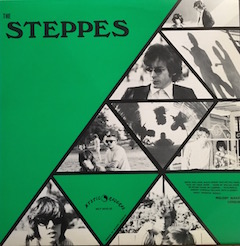
Det er ikke altfor mye som er skrevet og sagt om dette bandet her. Kanskje like greit da, at de lar Melody Maker beskrive hva du kan vente på forsiden av coveret til det som er en aldeles fantastisk mini LP: ’David and John write songs that hit you hard, that hit them hard…. Think Weller, think of Dylan and Lennon… Fragments, jagged corners gelling into a suprisingly cohesive whole.’ John og David er brødrene Fallon, vokalister, låtskrivere og frontfigurer i kriminelt underkjente The Steppes.
The Steppes omtales gjerne som et irsk-amerikansk band, da familien Fallon kom fra Irland og bosatte seg i Chicago, og våre to brødre vokste opp både i statene og i England. Tidlig på 1980-tallet fant de veien til Los Angeles, og en spirende scene som lånte inspirasjon fra 60-tallsrock og psykedelia: Band som The Rain Parade, The Dream Syndicate, The Long Ryders og Tucson-bandet Green On Red tilhørte alle samme miljø, og var også en college-rock krets The Steppes også til en viss grad sirkulerte.
Brødrende Fallon startet først et band som kalte seg Blue Macs (og som omtalte sitat fra Melody Maker egentlig var myntet på), før de restrukturerte seg som The Steppes. Med åpenbar inspirasjon fra The Beatles, Stones, The Who, The Kinks, T-Rex, men også nyere band som The Jam og Undertones, fikk de deal med Mystic Records, den mytiske Hollywood-etiketten til Doug Moody som ble mest kjent for å gi oss punk og hardcore fra sør-California. Debuten la grunnlaget for en karriere som aldri skulle vekke veldig stor oppmerksomhet, men som har en trofast kultskare – spesielt her i Europa. Bandet skulle på senere album, jeg er spesielt svak for Harps & Hammers fra 1990, dykke ned i mørkere psykedelia, men når jeg vil høre The Steppes er det låter som ”Kathy Maguire” og ”I Think I’ll Go” fra den selvtitulerte debuten jeg helst vender tilbake til.
For et band som i høy grad har vendt det musikalske blikket bakover i tid, og på en plate som har rukket å bikke 30 år, er det slående hvor tidløst sound The Steppes faktisk har – og hvor slitesterke låter brødrene Fallon trillet ut av ermet. Synd at ikke flere fikk øynene opp for dem den gang da.
 Fang: Where the Wild Things Are
(Boner, 1984)
Boner Records ga ut noen av de mest særegne platene med uttafor-rock på seint 80- og tidlig 90-tall, der svært mange fant veien til mine platehyller gjennom band som Melvins, Steel Pole Bath Tub, Fearless Iranians From Hell, Superconductor, Ed Hall og Warlock Pinchers. Mannen som grunnla herligheten i Berkely, California var Tom Flynn og han hadde en fortid i underkjente og urettferdig obskure Fang.
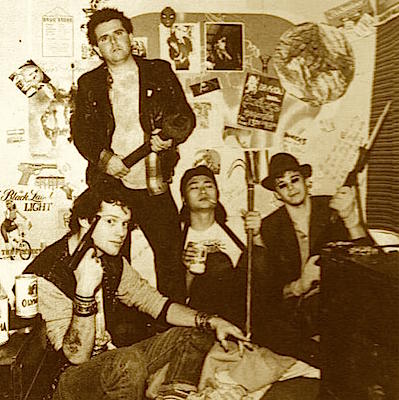
Fang var Bay Area punks som først gjorde seg bemerket i 1982 på den essensielle samleren Not So Quiet on the Western Front med ”Fun With Acid”. De fulgte opp året etter med EP’en Landshark, der låter som ”Skinheads Smoke Dope” og ”Destroy the Handicapped” satte standarden. Året etter kom Where the Wild Things Are som i hovedsak fulgte det samme sporet. Med sin søplete og skranglete punkrock var Fang talsmenn for et mer nihilistisk livssyn enn de fleste. ”Everybody Makes Me Barf” er en klassiker, og selv liberale Berkley fikk gjennomgå på låter som ”Berkeley Heathen Scum”. Fang på plate kan med dagens ører sikkert høres ganske spinkelt ut, men det er en ubehøvlet holdning og råtten energi som fremdeles skinner i disse støvete rillene.
Fang var ikke bare helt sentrale innen tidlig hardcore punk, men også en viktig innflytelse for en del rockeband lengre nord som sugde til seg innflytelse fra ulike subkulturer. Landshark ble senere kjent som et av Kurt Cobains favorittskiver, og både Nirvana og Mudhoney har senere covret Fangs mest kjente øyeblikk, ”The Money Will Roll Right In”. Et knurrende anthem med sympatiske tekstlinjer som:
I’m going to Hollywood, they’ll see that I’m so good
I won’t care how I feel, and I’ll get to fuck Brooke Shields
I’ll just sit and grin, the money will roll right in
Et band som både Green Day og Metallica har løftet fram gjennom sine hyllester hadde fortjent en bedre skjebne enn å havne i glemselens dal. Landshark høres digitalt, og er også utgitt sammen med Where the Wild Things Are på CD for den som ikke gidder å bruke altfor mye penger på LP’ene.
Not so fun fact: Vokalist Sam McBride levde ikke helt opp til låta ”Fun With Acid” da han kvelte kona etter en real heroinkule i 1989. 11 år bak lås og slå satte bandet naturlig nok en del tilbake, men utrolig nok blåste han nytt liv i Fang da han slapp ut igjen.
 The Crucifucks: s/t
(Alternative Tentacles, 1984)
Lansing er kanskje hovedstaden i Michigan, men noen musikkhovedstad kan den ikke påberope seg å være. Igjen kan vi takke Black Flag og deres utrettelige turnévirksomhet for at ting begynte å skje. Det var i hvert på en av deres konserter i byen, i 1980, at Doc Corbin Dart, allerede 28 år på den tiden, møtte Scott Begerston og Steve Shelley (senere kjent fra Sonic Youth), som ble kjernen i The Crucifucks.
Sammen med sine likesinnede i The Meatmen, også de fra Lansing, ble Crucifucks kjent som et utagerende og konfronterende liveband rundt om i Michigan. Men virkelig fart i sakene ble det ikke før de møtte Jello Biafra og The Dead Kennedys et par år senere. Biafra tilbød bandet kontrakt på hans Alternative Tentacles, og den beintøffe og selvtitulerte debuten så dagens lys i 1984.
The Crucifucks hørtes ikke ut som noen andre i sin tid, og ingen har vel kopiert dem i ettertiden heller. Det skyldes selvsagt vokalist Doc Corbin Darts high pitch squeals i en slags frenetisk, helium-aktig desperasjon. Et annet sentralt aspekt med The Crucifucks, er deres nådeløse, intelligente og skarpe humoristiske angrep på øvrigheta.
Doc Corbin Dart og hans Crucifucks – ”the greatest threat to American democracy since communism” – la ikke mye mellom når det kom til styre og stell. En låt som ”Cops For Fertilizer” var ikke bare nedlatende mot ordensmakten, sedvanlig i punk-tradisjonen, men hadde følgende slagkraftige refreng:
So let’s kill the fucking pigs
If they get in our way.
It’ll set a good example
For the children today.
It’ll keep kids out of trouble
Shooting pigs after school.
Wasting cops will be the
Hero’s golden rule
En annen låt er ”Hinckley Has a Vision”, der mannen som forsøkte å drepe Ronald Reagan får full støtte:
I wanna take the president
Chop off his head
And mail it to them in a garbage bag
Åpningssporet bør også nevnes, klassikeren ”Democracy Spawns Bad Taste” og referenget:
Be a good American – fuck off!
Be a good American – go to war!
Be a good fearing citizen and kill someone OR
KILL YOURSELF
The Crucifucks fulgte opp med mer komplekse Wisconsin i 1987, også det en personlig favoritt. Når det gjelder Dart så utga han det hjerteskjærende soloalbumet Patricia i 1990, men jeg tror han etter hvert har mistet forstanden. Han har i hvert fall benektet fortiden, tatt avstand fra banning, unngår nyheter, tatt artistnavnet 26 og erklært at han er messias.
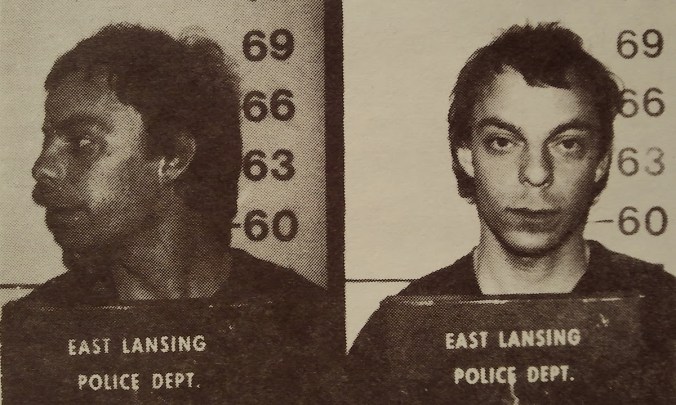
Fun fact: Grandonkelen til Doc Corbin Dart grunnla Dart Corporation, som er verdens største produsent av kaffelokk. Selv kommer han fra en lang linje av meget velstående bankmenn, med så kule navn at de bare må nevnes: Han er altså sønn av Rollin Dart og barnebarn av Doc Campbell Dart, og det er å anta at en gang unge lovende Doc Corbin var tiltenkt en plass som den neste i rekkefølgen – men at de planene for lengst er omrockert.
Vice har for øvrig et fantastisk hjemme-hos intervju med Doc Corbin Dart, publisert i 2008 og som anbefales på det varmeste. I likhet med hans plater.
 Agent Orange: This is the Voice
(Enigma, 1986)
Radio-DJ Rodney Bingenheimer er en levende institusjon i amerikansk rock, en slags flamboyant utgave av John Peel, også omtalt som The Mayor of Sunset Strip (eller ’the where’s Waldo of rock’), som i en mannsalder har spilt plater for KROQ i Los Angeles. Han var blant de første som spilte punk og new wave på amerikansk radio, og i 1980 stod han bak samleskiva Rodney on the Roq (på Posh Boy), med blant andre Adolescents, Circle Jerks, Black Flag – og Agent Orange.
Med signaturlåta ”Bloodstains” (den som The Offspring senere ble beskyldt for å plagiere med megahiten ”Come Out and Play”) og det påfølgende debutalbumet Living in Darkness (1981) markerte Agent Orange seg umiddelbart som en anomali i Californias punk-scene under ledelse av frontmann Mike Palm.
Det sørlige California og spesielt Orange County utenfor Los Angeles står i en helt spesiell posisjon som arnested for hardcore punk (Middle Class, Black Flag, Social Distortion) og ulike varianter av pop-punk (Descendents, NOFX. Bad Religion). Det er tydeligvis noe med perfekt klima, mye penger og konservativt suburbia som vekker motstandsfølelsen hos ungdom.
Men Agent Orange var allerede fra starten av litt vanskeligere å plassere enn sine samtidige, med en effektiv miks av hardcore, skatepunk, catchy pop-tunes, thrasha riff og elementer av psych og surf, og med Mike Palms karakteristisk tilbakeholdne vokalstil ikke ulikt Greg Graffin (Bad Religion) eller til og med Mike Muir (Suicidal Tendencies) på sitt mest melodiøse, som naturlig midpunkt.
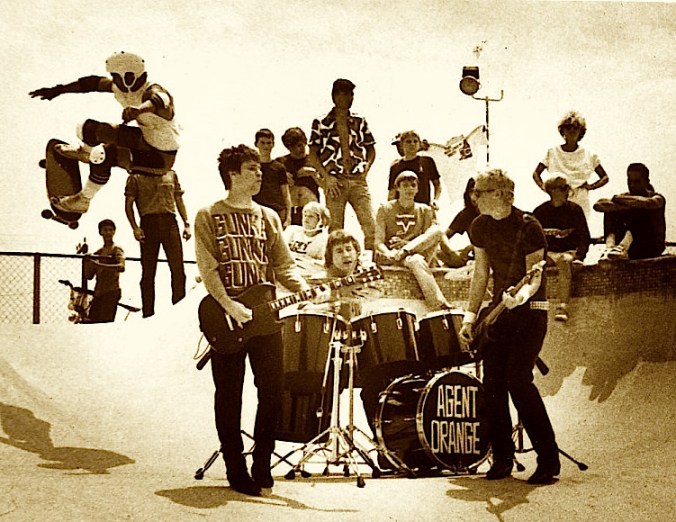
Deres debutalbum er en klassiker, men jeg vil trekke fram den litt underkjente oppfølgeren, This Is the Voice fra 1986. Det tok noen år, og Agent Orange hadde i løpet av tiden fjernet seg et godt stykke fra den opprinnelige punk-estetikken, der bandets potente energi heller støter mot en mer gloomy & doomy stil av goth-mod, mer introvert og psycha, og der fraværet av en mer dynamisk produksjon nesten sparker beina unna de sterke låtene. Men bare nesten.
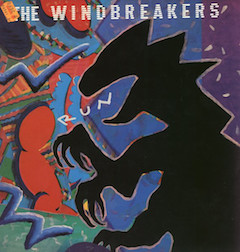 The Windbreakers: Run
(DB Records, 1986)
“Think of them as a genteel Replacements with 12-string guitar, or an R.E.M with clear melodies and lyrics.” (Los Angeles Herald Examiner)
På midten av 80-tallet flommet det over av nye band med blikket vendt mot 60-tallets liflige gitarklanger, flerstemte koring, lettere psykedeliske overtoner og artister som The Byrds, Buffalo Springfield, Flamin’ Groovies og Big Star som rettesnor. Mange av disse collegerock-pionerene hadde base i musikkbyer som Athens, Georgia (R.E.M.), Austin (The Reivers) eller Los Angeles (The Rain Parade, The Long Ryders).
The Windbreakers derimot kom fra Jackson, Mississippi og var sentrert rundt duoen Tim Lee og Bobby Sutliff. Med den glitrende albumdebuten Terminal (1985) fikk de bistand fra jangle-pop pionerene Mitch Easter, kjent fra Let’s Active og ikke minst som produsent for R.E.M., og Don Dixon (R.E.M, Guadalcanal Diary, Dumptruck og en drøss andre) som bidro til å befeste deres posisjon som kvalitetsleverandør av sørstatslydende powerpop.
Den enkleste måten å bli kjent med The Windbreakers på er den fine samleren Time Machine som gir et representativ sveip over årene 1982-2002, med hovedvekt på 80-tallet. Terminal, Run og A Different Sort (1987) er jevnbyrdige i kvalitet, fra et band som tilsynelatende kunne trille gems ut av ermet hvilken som helst dag i uken. The Windbreakers stod ikke tilbake for noen av bandene i sin tid, der mange gikk videre til fame & fortune, men som deres britiske label Zippo en gang sa om Run: ”Again the U.S press reaction has been distinctly favorable, and also again, the response here has been minimal”. Bandet har eller aldri fått noen revival i ettertid så vidt meg bekjent, og det er en sterkt ufortjent skjebne.
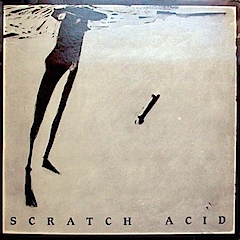 Scratch Acid: s/t
(Rabid Cat, 1986)
Texas har opp gjennom årene fostret mange musikalske outsidere; Roky Erickson & 13th Floor Elevators, The Legendary Stardust Cowboy, Daniel Johnston og Jandek er bare noen eksempler på Texas-artister som definitivt ikke svømte medstrøms. Statens konservative politiske og kulturelle rammer gir tydeligvis grobunn for ekstreme motreaksjoner, og i punkens dager kom band som Big Boys og Dicks som herlige normbrytere. I kjølevannet av disse, finner vi selvsagt San Antonios store helter Butthole Surfers, Fearless Iranians From Hell, Hickoids – og mange andre.
Austin har bestandig vært en kulturell oase i Texas, og en by der det å være annerledes ikke bare blir anerkjent men er noe som byen framhever som sin styrke. Et av de tidlige plateselskapene innen American Underground er Austins Rabid Cat, som ga oss flotte band som Offenders, Texas Instruments, Happy World – og ikke minst Scratch Acid.
 Scratch Acid tok form tidlig på 1980-tallet, og er nok best kjent for at to av medlemmene, David Yow og David Wm. Sims, senere formet innflytelsesrike og mer kjente The Jesus Lizard (de to andre medlemmene var Brett Bradford og trommis Rey Washam fra Big Boys – Washam og Sims ble for øvrig også med i Steve Albinis kortlevde prosjekt Rapeman). Bandene deler mye av det samme musikalske uttrykket; down & out søplete og støyende bluespunk, ikke så helt ulikt The Cramps eller det Nick Cave holdt på med i The Birthday Party og i sin tidlige solokarriere. Låter som ”Cannibal”, ”Monsters” og ”Greatest Gift” er manisk panikkrock fra et mentalt grenseland. Scratch Acid må også nevnes som et viktig band for Seattle-rocken, med både Kurt Cobain og Soundgarden blant fanskaren.
Og hva er ’the greatest gift of all’? La oss like gjerne gjengi hele teksten som egentlig forklarer musikken bedre enn noe annet:
Garden of buried pleasures
Neatly in a row
Are planted life’s true secrets
In a world yet still unknown
Six feet deep down dark
Free from concern
The greatest gift
From life itself
Lies the food for the worms
Lystig gjeng!
 Moving Targets:
Burning In Water (Taang!, 1986)
Boston-området har en rik musikkhistorie litt i skyggen av sin storebrorby noe lenger sør. På 80-tallet vokste det fram en sterk hardcore-scene her med band som SS Decontrol, Jerry’s Kids, Gang Green og The F.U.’s blant de mest førende [se F.U.’s: My America litt lenger opp]. Men byen fostret også band som tok med seg mye av denne energien over i et mer melodisk og mer ‘alternativt’ landskap, som Mission of Burma, The Lemonheads, Buffalo Tom, Volcano Suns, Dinosaur Jr, Bullet LaVolta – og Moving Targets.
Dannet i North Shore-området utenfor Boston tidlig på 1980-tallet, og med Ken Chambers som mest sentrale medlem, er Moving Targets et skrekkelig oversett band som i årene 1986-1993 ga ut fire veldig bra album. Debuten Burning In Water står seg fremdeles som en post-punk-påle. Moving Targets hadde røtter i hardcore punk, men hadde utviklet et åpenbart musikalsk slektskap til både Mission of Burman og Hüsker Dü, som på dette tidspunktet førte an og viste nye veier ut av hardcorens begrensninger (Zen Arcade var nylig sluppet, New Day Rising kom omtrent samtidig som denne). Moving Targets delte dette vidsynet, der gnistrende låtskriving og et ustoppelig driv danner et bunnsolid fundament og som like uanstrengt lente seg mot jangly folkrock (á la R.E.M) som luftig Californisk pop-punk og harDCore.
Jeg googlet omtalen på All Music Guide mens jeg hørte gjennom skiva på nytt, og den var særdeles velskrevet og grundig, og faktisk forfattet av ingen ringere enn Bill Janovitz fra Buffalo Tom. Han skriver blant annet: ”This trio was their best lineup, a magic version of the band. Every song here is an anthem, and perhaps that could be listed as a fault for some folks. Even as the tone of the album moves to a darker minor-key tone, approaching drone and dissonance at times, the songs feature martial snare rolls, and pummeling, fat AC/DC-like guitar chords and, above all, melody. The material is well-arranged, with little filler; while some songs feature a multitude of often intricate sections (intro, verse, chorus, bridge, outro, and so on), none reach the four-minute mark – a discipline gleaned from the lean, fast rules approach of hardcore.”
Burning in Water er fri for dødpunkter, den har ingen holdbarhetsdato, og den har ikke mistet en tøddel av energien som den en gang ble skapt av.
 No Trend: Tritonian Nash-Vegas Polyester Complex
(Touch & Go, 1986)
I en grundig og velskrevet gjennomgang av historien til No Trend i Vinyl District i 2013 skriver Michael H. Little: “If you were a fan of the previous No Trend album, it was virtually guaranteed that you would listen to the new one and say, “What is this shit?” Over the course of its career No Trend mutated from an industrial hardcore band that specialized in pissing people off to an absurdist band with no apparent genre boundaries that specialized in, well, pissing people off. It almost seemed as if No Trend was primarily in the No Trend fan elimination business.”

No Trend ble dannet tidlig på 80-tallet i Ashton, Maryland, en forstad mellom Baltimore og DC, med Jeff Mentges og nå avdøde Frank Price i ledende roller. I løpet av en periode på seks år omformet de konstant sitt musikalske uttrykk basert på en felles misnøye mot musikalsk snversyn og ikke minst punkens konforme utvikling, rettet mot både straight edge eller en stadig raskere og mer teknisk orientert form for hardcore. Eller for å si det med Steven Blush i boken American Hardcore: ’They hated everyone and everything’. No Trend mikset sammen en kakofonisk cocktail av thrash-jazz, lounge-metal og countryfunk som lå langt nærmere absurd kunstrock og dadaisme enn sjangertro hardcore.
I nevnte intervju med The Vinyl District sier gitarist Buck Parr: ”The band started off doing something different, it alienated some people, and the band embraced that. As the band developed, it mutated in ways that further confused people. Instead of being apologetic, I think the band generally fed off of this. It was within the band’s DNA to be somewhat contrary.”
Med sin konfronterende stil etterlatte de seg en forvirret floke av fans og et plateselskap som til slutt nektet å følge deres stadig mer kompliserte uttrykk. King Koffey i Butthole Surfers: ”Bands like No Trend, Flipper and ourselves were part of a reaction to Hardcore bands, we were all reacting against how limited it was defining itself. We all though it was so silly how everyone was playing faster and faster. It got so fucking stupid.”
No Trend var langt fra noen idioter. Tvert imot, de var en evig muterende organisme som fulgte sin egen vei. En vei som førte dem til steder der ingen andre har passert verken før eller siden. Slike band finnes bare ikke lengre.
For ytterligere dypdykk kan disse to intervjuene varmt anbefales:
No Trend Didn’t Just Go Against the Grain, They Shoved It in the Faces of the Pretentious Hardcore Fans
No Trend (Yellow Green Red)
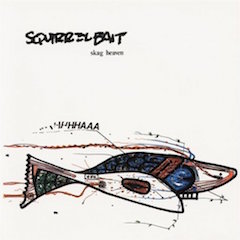 Squirrel Bait: Skag Heaven
(Homestead, 1986)
Pre-postrock og før Slint, matterocken og alt som skulle skje senere, satt Squirrel Bait hjemme i Louisville, Kentucky og tegnet opp et kart som svært mange skulle følge og ytterligere utvikle. Selv om de ikke er spesielt godt husket i dag, kan deres innflytelse vanskelig overvurderes innen utviklingen av den alternative rocken utover på 1990-tallet.
Squirrel Bait var en gjeng tenåringer fremdeles på high school som nok kjennes best for sine mer profilerte prosjekter senere i karrieren: David Grubbs (Slint, Bastro, Gastr del Sol), Brian McMahan (Slint, the For Carnation), Britt Walford (Slint, King Kong) for å nevne bare deler av bandets senere tentakler.
Slint er kjent som post-rock-pionerer med briljante Spiderland fra 1991, et landemerke innen alternativ rock. The Guardian: ”In fact, although it sold fewer than 5,000 copies at the time, Spiderland did become a landmark, one that invented an entire genre – post-rock. Generations have grown up in awe of its shifting landscapes, sinister narratives and intangible, dark power, and Slint have become modern rock’s Velvet Underground: a band who created a ripple that kept spreading, influencing bands from Mogwai to Sigur Rós.”
Men før dette, var det altså Squirrel Bait. Mindre komplekse og mer punka i tilnærmingen, og i følge deres Wikipedia-side kan de regnes som forløpere for grunge, math rock og emocore. Ikke verst bare det! Men fakta er at urettferdig glemte Squirrel Bait så naturlig og uanstrengt som bare ungdommen evner, kombinerte smart pop-sensibilitet med støyende, rask og rastløs punk. De burde dermed hatt sin plass på øverste hylle sammen med The Replacements, The Lemonheads eller Hüsker Dü (Evan Dando og Bob Mould skal begge ha vært fans), men slik gikk det ikke. Andreutgivelsen Skag Heaven er en forbigått 80-tallsklassiker, både en svanesang, idet medlemmene forsvant til college, men også en katalysator for det som senere skulle komme.
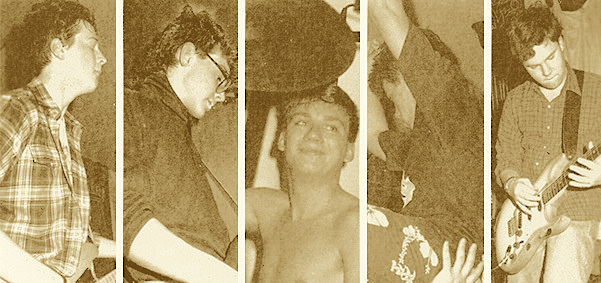
For videre fordypning kan dette essayet av Sean Koepenick anbefales:
Chew on This: The Squirrel Bait Story
 Fearless Iranians From Hell: Die For Allah
(Boner, 1987)
Americans, as a whole, have an underdeveloped sense of irony.
(Omid, Fearless Iranians From Hell, 2009)
Denne gjengen kom fra samme nabolag som fostret San Antonios stolte sønner Butthole Surfers, og de delte ikke bare litt på medlemmene men også sansen for provokativ oppførsel og svart humor. FIFH var ikke fullt så musikalsk nysgjerrige som de syrebefengte Buttholes, og holdt seg nærmere ganske tradisjonell hardcore punk. Men kombinasjonen hardcore, dypeste Texas i Reagan-tiden med politisk satire som latterliggjorde amerikansk eksepsjonalisme ved å ta side med radikal islam, Ayatollah Khomeini og jihad ga ikke store rom for kommersiell suksess. Men medlemmene var selvsagt smartere enn folkene de oppildnet. FIFH omga seg i et slør av mystikk, de forholdt seg anonyme, spilte med Finlandshetter i god terrorist-stil, gjorde aldri intervjuer og siden de fleste visstnok har blitt gode samfunnsborgere siden den gang, er dette noe de har holdt på siden. Men gjennom noen få intervjuer i ettertid har det blitt kastet litt mer lys over bandet. Tekstforfatter og sentralt medlem Omid sier til Death Metal Underground i 2009 at bandet aldri hadde en politisk agenda, men en felles kreativ agenda.
The more intelligent people figured out it was political satire, and that what we were doing was ridiculously over-the-top. But we were banking on the more thick-headed ones getting it wrong, being offended, thus drawing more attention to the band. We were attacked by police, protesters, skinheads, right-wing radio hosts, left-wing college boy bands who were too caught up in their seriousness to get what we were doing, gangs, religious organizations, promoters…hell, Fearless Iranians From Hell album covers were even featured in PTA slide-shows portraying the evils of rock ‘n’ roll. Mission accomplished.
Etter den thrasha debuten fulgte bandet opp med hakket hvassere og mer varierte Holy War året etter, før de krysset mer over mot metallen med sitt tredje album Foolish Americans i 1990. Alle anbefales, men start gjerne med den første.
Fun fact: Det sies at den første vokalisten til bandet, Amir, faktisk var fra Iran, og havnet i Texas etter sjahens fall i 1979. Medlemmene hadde for øvrig i hovedsak fra et annet punk-band i San Antonio, The Marching Plague. Vokalisten der opptrådde som Anus Presley på Butthole Surfers klassiske låt ’The Shah Sleeps In Lee Harvey’s Grave’. Texas Revolutionaries!
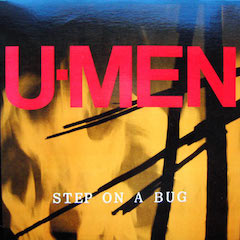 U-Men: Step On a Bug
(Black Label, 1988)
Denne skiva fant jeg til min store glede på et fortausalg på Neseblod for noen år siden, henslengt i en bruskasse for en billig penge. Den er ikke supersjelden, men heller ikke en plate man snubler over støtt eller stadig. Og det er ikke så rart. Dette er U-Mens eneste LP, og det er i det store og hele en ganske glemt plate – og et glemt band – for de som ikke er i overkant opptatt av Seattle-rockens historie, that is.
For U-Men er nemlig et helt sentralt band innen utviklingen av nordvest-rocken på 1980-tallet, og det som ganske snart skulle bli kjent som grunge. Seattle-regionen har en lang og rik musikkhistorie, spesielt som base for mye grom garasjerock på 60-tallet (Sonics, Wailers, Kingsmen). Etter noen litt døde år, der Heart og metalband som Queensrÿche, Metal Church og the Accüsed stakk seg mest ut, begynte en ny generasjon å røre på seg utover midten av 1980-tallet. The Wipers, Silly Killers og U-Men var blant disse pionerbandene, som ganske snart skulle få følge av flere. En av de tidligste dokumentasjonene på at noe nytt var i gjære finner vi på den fine samleren Deep Six fra 1986, utgitt på C/Z og bestående av blant andre Green River, Malfunkshun, Soundgarden, Skin Yard og U-Men. Av disse var sistnevnte de mest drevne allerede da, og minnet mer om at de ikke var alene i byen når det kom til å lage tung, vrang og søplete rock.
Det er et helt åpenbart slektskap med Step On a Bug og det soundet som Nirvana, Soundgarden og TAD senere skulle gjøre mer strømlinjeformet. U-Men trekker også opp musikalske bånd til band som The Birthday Party, Scratch Acid og Butthole Surfers, slik de alternerer mellom det paniske og brutale, et sted mellom støyrock, punk og sludge. Men det er i første rekke en aura av ‘uskyld’ over U-Men, selv om de bader i syndens pøl, i form av noe uferdig og prøvende, en leken tilnærming som bare to-tre år senere var kommersialisert, ferdigpakket og stemplet grunge™.

Fun fact: Medlemmene ble senere å finne i finfine band som Gas Huffer og Love Battery, og ikke minst Tom Hazelmyer som senere gikk hen å grunnla det aldeles latterlig bra plateselskapet Amphetamin Reptile Records i Minneapolis (og bandet Halo of Flies). The Butthole Surfers parodierte vokalist John Bigley med sin egen låt ”The O-Men” (på Locust Abortion Technician), som igjen ble knabbet av Oslo-bandet The O-Men tidlig på 90-tallet, hvis medlemmer ble å finne i mer profilerte band som Gluecifer, Euroboys, Astroburger og Black Debbath.
Så da var det kanskje på sin plass da, at jeg fant U-Men i en bruskasse på et fortau på Oslos østkant.
 The Frogs: It’s Only Right and Natural
(Homestead, 1988)
Milwaukee-bandet The Frogs’ hjemmelagde og dels improviserte innspillinger med satiriske homolåter var aldri tiltenkt et større marked. Men det var nettopp disse opptakene, der de skrullet rundt på kjøkkenet hjemme, Homestead Records ville utgi akkurat som de var. Låter som ”Men (Come on Men)”, ”Dykes Are We” og ”Been a Month Since I Had a Man” dekker mye av innholdet på en plate som balanserer mellom infantil humor og øyeblikk av skarpskodd vidd. Deres omgang med vulgariteter og tabuer ertet på seg den kristne høyresiden og skapte kontroverser i mange kretser: Var de homser eller homofober, drev de med samfunnssatire eller var det bare, vel, kødd.
Homestead slang seg på og proklamerte at The Frogs var ledere i en ’new gay supremacy movement’. Mer beslektet med Ween enn Turboneger i deres denimperiode, It’s Only Right and Natural er ikke så mye å bli hverken provosert over eller ekstremt bergtatt av i dag, men på sitt beste er dette skeiv (pun intented) og catchy pop, tidvis småsur og surrete lo-fi- men det ligger jo så visst en slags sjarme også der.
Brødrene Flemion, Jimmy og Dennis, ble senere kompiser med blant andre Smashing Pumpkins og Pearl Jam, Kurt Cobain var fan og Beck har samplet fra skiva deres. Jeg har ikke hørt deres andre utgivelser p.t., men It’s Only Right And Natural er ikke bare en personlig favoritt men også en plate som med årene har fått stadig større kultstempel, og i 2011 inviterte Animal Collective, som da kuraterte det årets All Tomorrow’s Parties festival, bandet over for å framføre skiva i sin helhet.
En plate som åpner med linjene ’I’ve got drugs that’ll blow your mind tonight’ kan da heller ikke trå særlig feil.
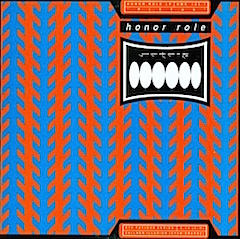 Honor Role: Rictus
(Homestead, 1989)
Honor Role leverte fra seg sitt grovt forbigåtte mesterstykke Rictus før de gikk hver til sitt ved inngangen til 1990-årene. Kvartetten ble dannet i Richmond, Virginia i 1983 og hentet i utgangspunktet inspirasjon fra rådende tendenser innen hardcore punk, hvis skjematiske grenser de raskt sprengte og utviklet mot noe helt annet.
Rictus er dominert av en tight rytmeseksjon, sagende gitarer, komplekse melodistrukturer, og en autoritær snakkesyngende vokalist i Bob Schick som la grunnlaget for låter som i overraskende liten grad høres datert ut etter nærmere 30 år. Deres form for dystopisk post-punk (tenk The Birthday Party, The Fall) og mørk indierock (Big Black, Squirrel Bait) er også et åpenbart frampek mot post-rocken som Slint skulle gjøre seg så bemerket for bare et par år senere, men Honor Role kan også høres som et protoband innen emo/math rock og harDCore (Fugazi, Drive Like Jehu). Den usle plassen de er tildelt langs glemselens bord burde vært mer prominent i kraft av deres innflytelse og måten de viste vei fra det formelbaserte mot det visjonære.
Gitarist Pen Rollings ble senere aktiv i Butterglove og mer kjente Breadwinner, og Seth Harris joinet Kepone (deres Ugly Dance fra 1994 skal få være med i den kommende oppfølgerserien om 90-tallet).


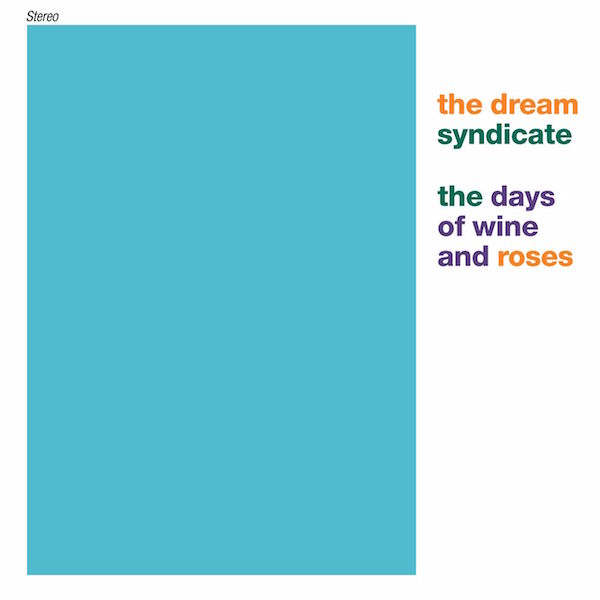
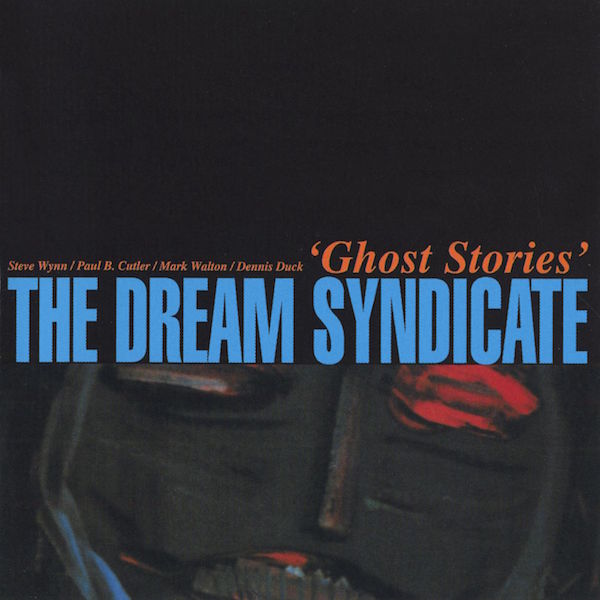
 In the late 1970s Los Angeles was a key hub for punk rock and hardcore music, spawning crucial bands like Black Flag, Germs and Circle Jerks. At the turn of the decade, just as that boom started to fade, a new generation rolled into town keeping the untamed punk spirit alive while reverberating echoes of the pre-punk era.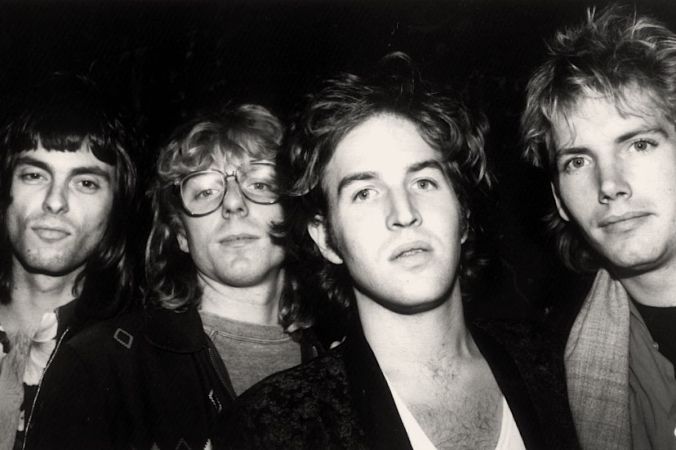



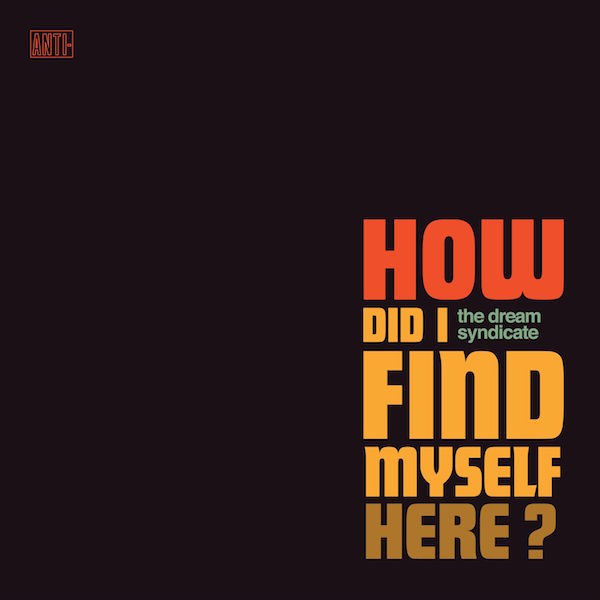
 The Siren’s Song is the freshly released, Jeff Tweedy-produced fourth album from Saskatchewan folk duo of cousins Kacy Anderson & Clayton Linthicum.
 Lauded North Carolina-based singer-songwriter Lizz Wright is about to release her new, highly anticipated album GRACE, a deeply rooted, spiritual collection of songs that reveal her close connection to her Southern heritage and candid commentary on the region’s current political and social upheaval.
 Folk-pop outfit Lenore. is the story of two trained singer-songwriters about to withdraw from the music scene: Rebecca Marie Miller following her time as harmony vocalist in The Mynabirds and Joy Pearson burning out after a recent divorce.
 Blank Range is a new quartet out of Nashville, blending gritty vocals with bluesy guitar licks, a colorful flavor of cosmic country and good ol’ rock & roll. The four-piece has just dropped their debut album Marooned with the Treasure via Sturdy Girls Records / Thirty Tigers. Blank Range have toured in support of Death Cab for Cutie, The Mountain Goats and the Drive-By Truckers and will be out with Jessica Lea Mayfield and the Mountain Goats this August. Get to know this exciting quartet a little better.
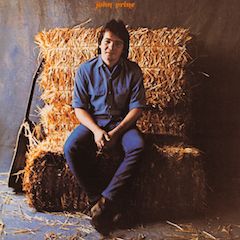 John Prine: John Prine
 Los Angeles-based singer/songwriter Suzanne Santo, better known as one half of Americana duo HONEYHONEY, released her solo debut, the Butch Walker-produced Ruby Red on August 11th.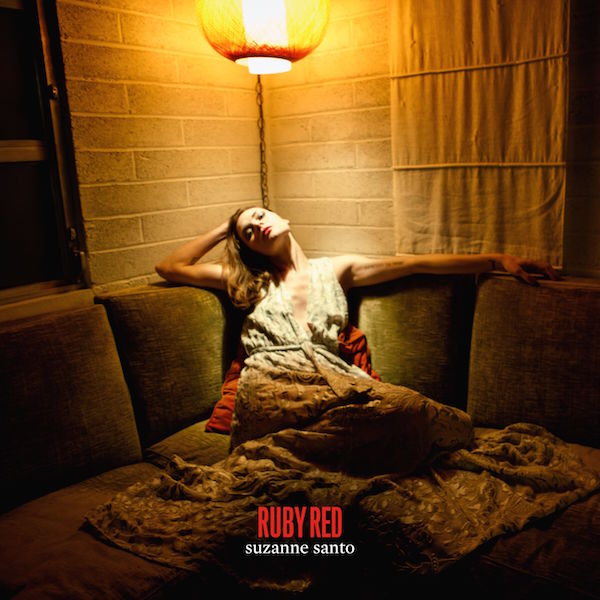
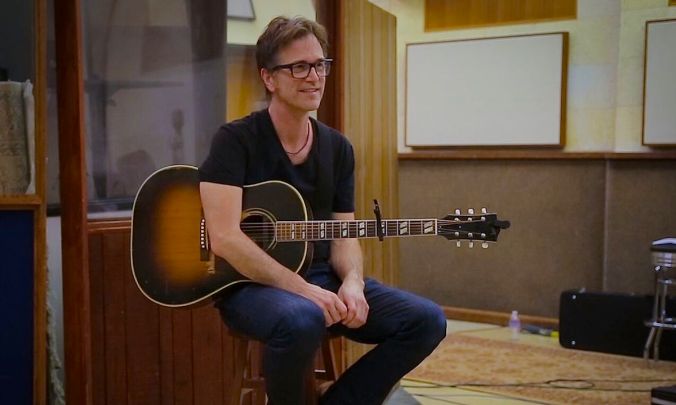 Dan Wilson is a gray eminence looming in the shadows of the glamorous world of pop music. His career spans back to the late 1980s and leads up to critically-acclaimed and commercially successful songwriter and production credits for artists like Adele, Dixie Chicks, Chris Stapleton, John Legend, Dierks Bentley, P!nk, Taylor Swift and many others. He’s received a couple of Grammys on his way, but even though he’s highly cherished, he’s still an unknown name to broader audiences.
 Bob Dylan: The Times They Are A-Changin’
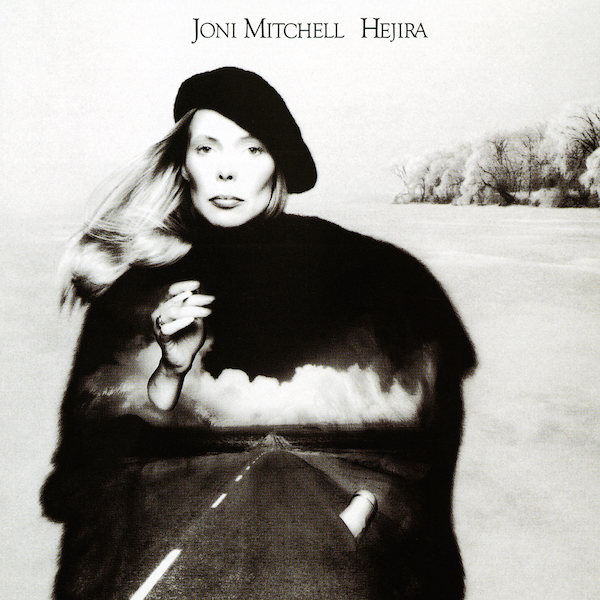 Joni Mitchell: Hejira
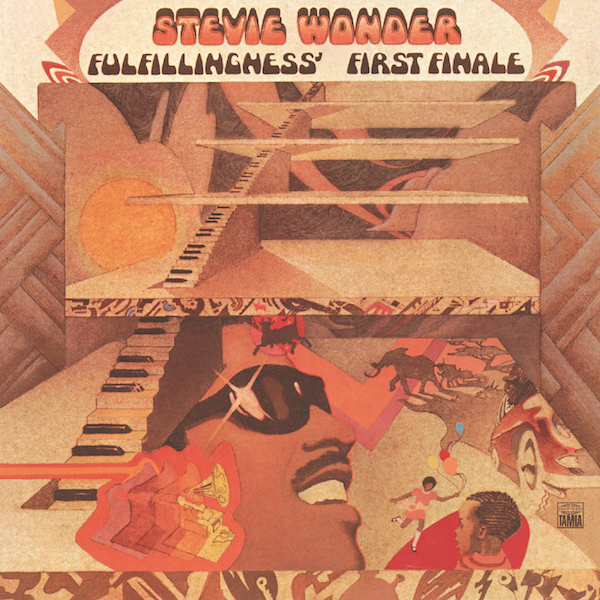 Stevie Wonder: Fulfillingness’ First Finale
 Liz Phair: Exile in Guyville
 Oasis: (What’s the Story) Morning Glory?
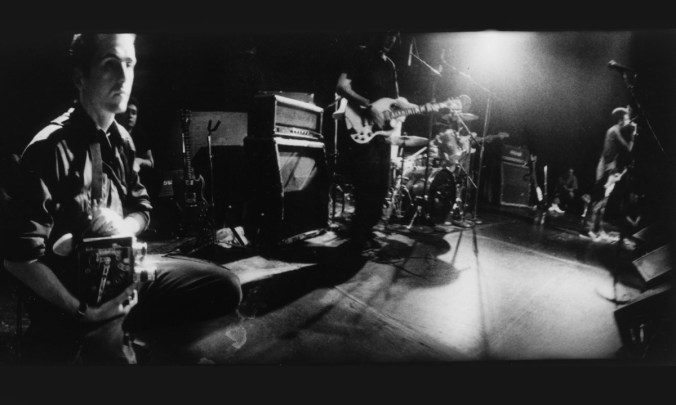 Legendary post-hardcore outfit Fugazi is one of the most important, respected and influential bands of 20th century American underground. Playing a crucial role in the growth of the alternative music scene, its musical, political and social legacy can hardly be overstated.
 The Big Beast