 Before punk, there was the pub. Unlike their American counterparts, the British punk scene mainly evolved from pub rock. Developing in the early 1970s, pub rock followed a straight path rooting back to 1950s and ’60s no-nonsense rock ‘n’ roll and rhythm & blues. Disdaining the glitz and glam of the era in favor of a much more back-to-basics approach to rock, it was not limited to one certain style, and just as happily embraced ragged folk, country, funky soul and other musical expressions fit for tight and sweaty club nights.
 Because pub rock was mainly a phenomenon based around live experiences it centered around legendary London clubs like The Hope & Anchor, Dingwalls, the Nashville and the Tally Ho. Spearheaded by acts like Dr. Feelgood, Eddie and the Hot Rods and The 101’ers (Joe Strummer’s first band before The Clash), the lines between pub rock and punk rock are blurred at best, with The Vibrators, The Stranglers, Ian Dury and Elvis Costello serving as prime examples of the transcending artists of the scene.
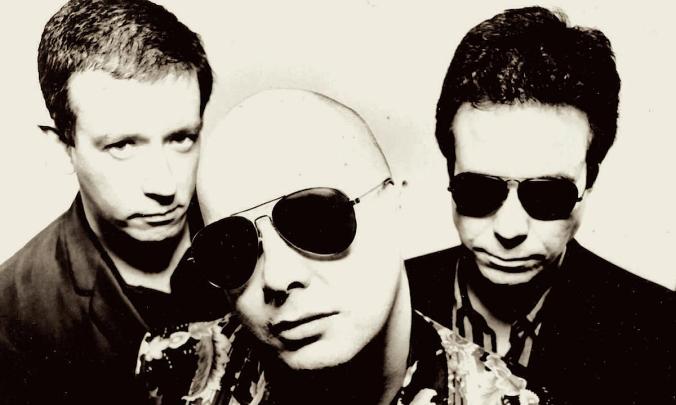
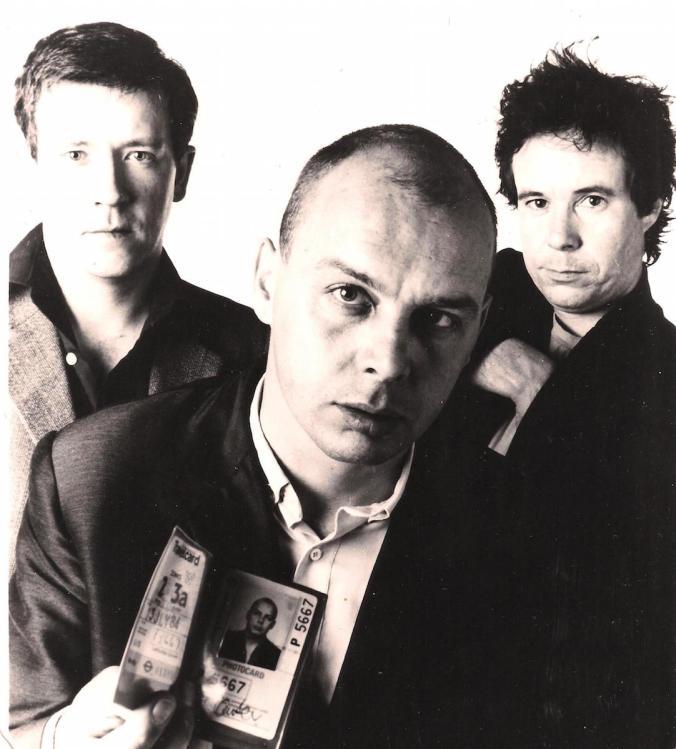
By the late 1970s, the pub rock phenomenon was more or less absorbed by the punks, and soon began to fragment into various subgenres. But just a couple years later, a new band saw the light of day in London, one based on many of the some motifs as their recent forefathers: Screaming Blue Messiahs. Formed in 1983 as a power trio consisting of Bill Carter, Chris Thompson and Kenny Harris, the Messiahs were never easy to categorize, but they were clearly inspired by the pub and punk rock hallmarks, with more than a small dose of rock ‘n’ roll, rhythm & blues and rockabilly thrown into the mix.
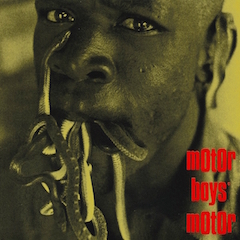
 Screaming Blue Messiahs rose from the ashes of Motor Boys Motor (named after a 101’ers tune). The now obscure, but superb band only released one sole album in 1982, exposing a crew owing debt to the likes of Bo Diddley, Little Richard and Captain Beefheart. With some adjustments to the line-up, the smokin’ trio was finally settled as the highly skilled outfit of Bill Carter on guitar and vocals, Chris Thompson on bass and Kenny Harris on thundering drums. Soon after they were renamed the Screaming Blue Messiahs and found a natural place to call home in the excellent and wildly eclectic Big Beat label, one known for pushing rock in all shapes and forms (rockabilly, mod, hillbilly, blues, rock ’n’ roll, ’60s soul and much more).
For their debut EP Good & Gone, they hooked up with legendary producer Vic Maile (1943-1989), known for his work with artists like The Who, Led Zeppelin, Motörhead, Girlschool, Dr. Feelgood, and loads more. Maile turned out to be a close partner and provided his muscular production skills through much of their career.
Good & Gone, along with some ravaging live shows, set the band on fire and saw them reach the top 20 on independent playlists. The major labels smelled success, and in 1985 the trio signed with WEA and began work on their debut album.
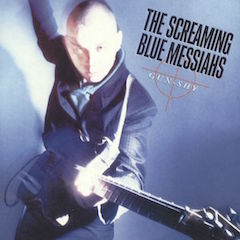 Gun-Shy hit the record stores in early 1986 and segmented the band’s status as both critical darlings and live favorites. Following the release of Gun-Shy the band did some extensive touring in Europe, North America (with The Cramps), Australia and New Zealand.
The New York Times described it as “one of the year’s most powerful – and raucous – major-label albums, blunt and muscular and implacable. With twanging, squealing guitars and walloping drums, Gun-Shy comes on like a pickup truck full of Furies.”
Bikini Red followed a year later and saw the band dwelling even deeper into iconic American pop and trash culture. Complete with references to Elvis, cars, booze, TV evangelists and fast living, the music itself proves an amalgam of rockabilly, rhythm & blues, hillbilly and surf fronted by Bill Carter who (with an American accent) declared that “Jesus Chrysler Drives a Dodge,” “I Can Speak American” and even “I Wanna Be a Flintstone.”
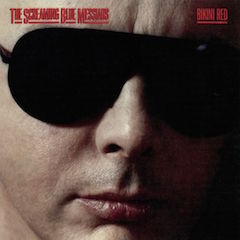 They were met again with positive reviews, even though the release itself was a bit haltered due to the lack of the same sort of extensive touring that followed their debut. But support then came from unexpected places, including when David Bowie, on several occasions, stated that “an angry mob from London” known as the Screaming Blue Messiahs was “his pet project.” His admiration led to a couple of support gigs along his ongoing Glass Spiders tour in the UK. Then, in 1988 they reached a commercial peak as “I Wanna Be a Flintstone” hit the charts, introducing them to a more mainstream audience.
Though Bikini Red is considered to be the peak of their album career, the band itself would soon history as they had, by this point, started to drift apart.
Thus, Totally Religious (1989) became their swan song, an album that, while equally ferocious as its predecessors, demonstrated that they’d obviously lost some of their previous steam. Vic Maile passed away at just 45 years old, and legal wranglers with the record label and internal strain had also taken its toll. It was all over by 1990.
We had the great honor of chatting with Kenny Harris and Chris Thompson about their past, where they, among other things, reveal a not particularly strong relationship with their former comrade Bill Carter. Like their music, they are tough, no-bullshit guys. Here’s their story.
* * *

How do you consider the longevity of the Screaming Blue Messiahs catalog, if you ever happen to revisit it today?
I don’t listen to any of it very often but I don’t think it’s dated too badly.
There are lots of different influences to be heard in your sound. What were your most obvious ones?
Blues obviously with a pinch of rockabilly, a dash of country and a huge dollop of Wilko Johnson [the guitar player in Dr. Feelgood].
How would you describe Screaming Blue Messiahs to new listeners today?
Could never describe the music then and I can’t even think of any way to describe it now.
Did you have a clear idea from the get go on what the band should be and sound like, or how did you work on finding the right direction?
We knew the chemistry was right and we just let things take their natural course. There was no plan.
How in your opinion did you evolve during your relatively short time span as a band?
I think that as we toured and recorded we evolved musically but as people, we devolved.
At least, one of us did.
How was the environment for your kind of music back when you guys first started out? Can you please try and describe the scene you belonged to at the time?
London was a far better place gig wise then than it is now. We still had the original Hope & Anchor, The Marquee, Dingwalls and lots more. It was very healthy.
In addition to being rooted in a clear English rock tradition, the close integration of American culture seemed to follow you all along. Care to shed some light on this Anglo/American approach and how you intertwined it into your unique style?
Bill Carter watched too much American telly.
Can you please tell me a little about your close cooperation with Vic Maile and how important he was in the shaping of your sound?
Vic Maile was brilliant and quite possibly the nicest person ever to work in the music business. He didn’t so much shape our sound as condense what was already there.
He could also handle Carter, in the beginning anyway.
David Bowie was a huge fan of you guys, and you also did some touring with him. How did you get to know Mr. Bowie, and what was it like going on the road with him?
He had done an interview with Rolling Stone magazine where he said he liked us. Our manager got on to his people and we ended up doing two gigs on the Glass Spider tour. So we didn’t exactly go on the road with him.
You hit the charts with “I Wanna Be a Flintstone” off of Bikini Red. How was that experience, and did it change anything at all for you?
It was one of the biggest mistakes we ever made and we ended up doing Top of the Pops which was fucking horrible.
I know there was some label issues around your final album. What happened?
We got dropped.
Why did you guys decided to call it quits?
Bill Carter walked out. Simple as that. No announcement, no meeting, he just fucked off.
Are you still in touch with him, and what are the odds for seeing you all together back on the stage someday?
No, we are not in touch with him and as for a reformation, you have a better chance of seeing Elvis on stage supported by The Beatles.
What’s your favorite album – and why?
Bikini Red. We were very match fit and we had Vic at the helm.
What is in your opinion the greatest achievement in the history of Screaming Blue Messiahs?
That we got through it without Chris or me killing Bill Carter.
Any regrets? Anything you would do differently if you had a second chance?
I regret not leaving the band the moment we were shown the cover for Bikini Red.
Love the album, hate the cover.
What’s going on for you guys now, any recent or future projects you like to share with us?
Chris and I still play together but I think my playing days are drawing to a close due to severe arthritis.
But not yet, not fucking yet. Chris and I have still some unfinished business.
Finally, any new music out there you’d like to recommend?
Kenny: Check out Lurch, a producer/DJ based in Bristol.
Chris: Also check out Georgia Pip Willacey, a young singer-songwriter with lots of promise.
* * *
After our chat with Kenny, Chris jumped in and had to underline just one more point: ”I agree with everything Kenny says except that I am not as a big fan of Bill Carter as he is! Virtually all the material was written in collaboration with Kenny and I. No songs came into the studio from Carter fully formed.”
Cheers to the guys for taking their time with us. As you now might have come to understand, we won’t see the Screaming Blue Messiahs together again, but be sure to dig into their albums. They really do still sound as great as ever.
Bjørn Hammershaug
 Å rangere årets favorittalbum er en øvelse som raskt minner om et par ting, både mengden kvalitetsplater som utgis hvert år og den skrekkelig lille tiden man egentlig har til rådighet til virkelig å grave seg ned i materien. Og det sier jeg, som sitter å lytter til og vurderer musikk hver dag som en del av jobben. Denne kåringen av årets høydepunkt fungerer dermed også som en rolodex over titler som fortjener mer fokus, og som jeg har ambisjoner om å høre enda mer på (for det kommer sikkert ikke noen bra plater i 2017 som vil stjele den tiden…)





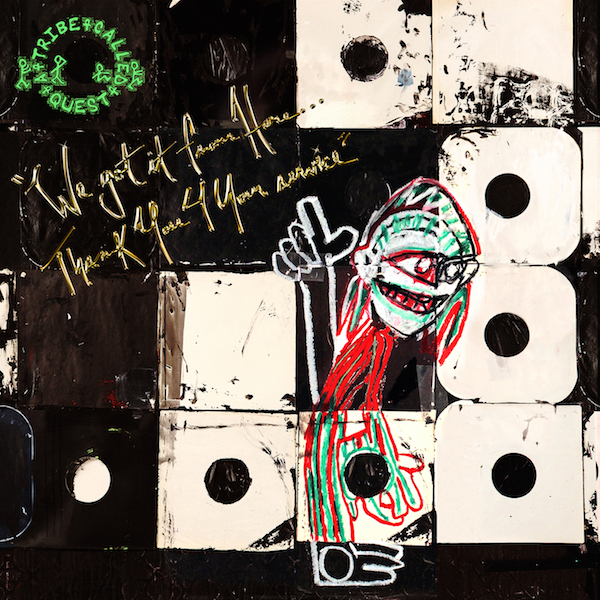
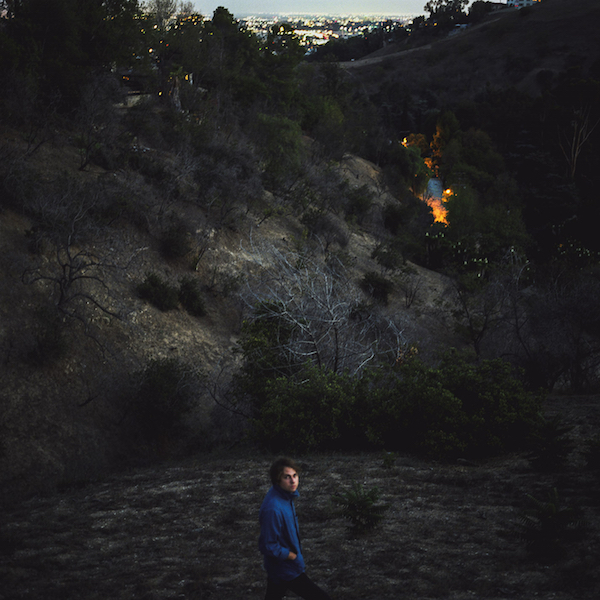

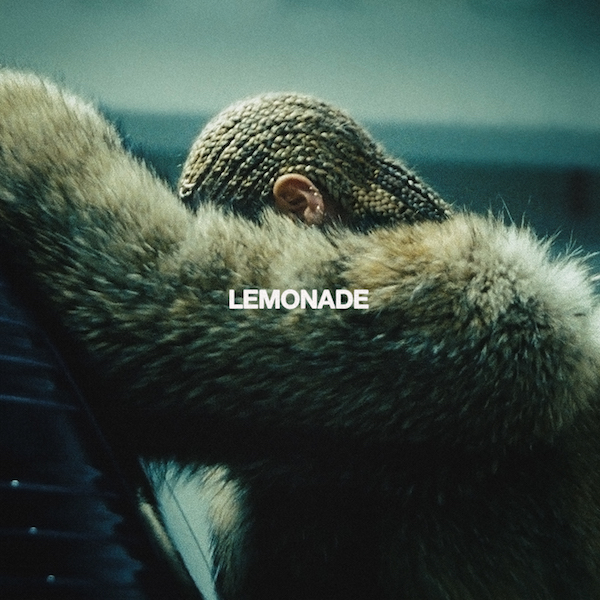
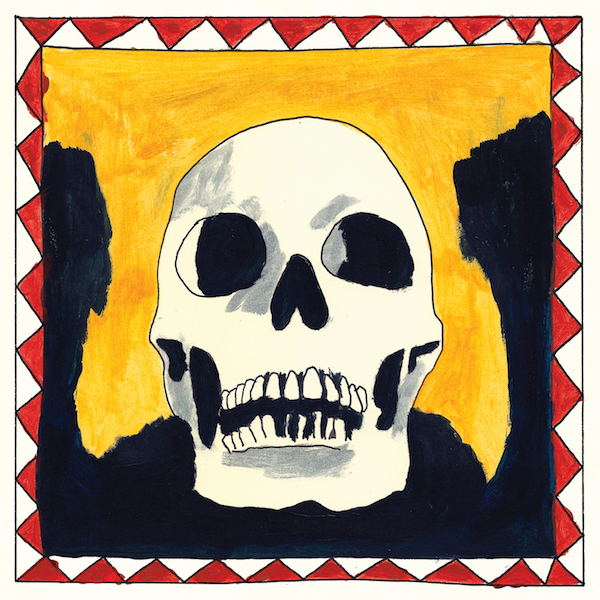
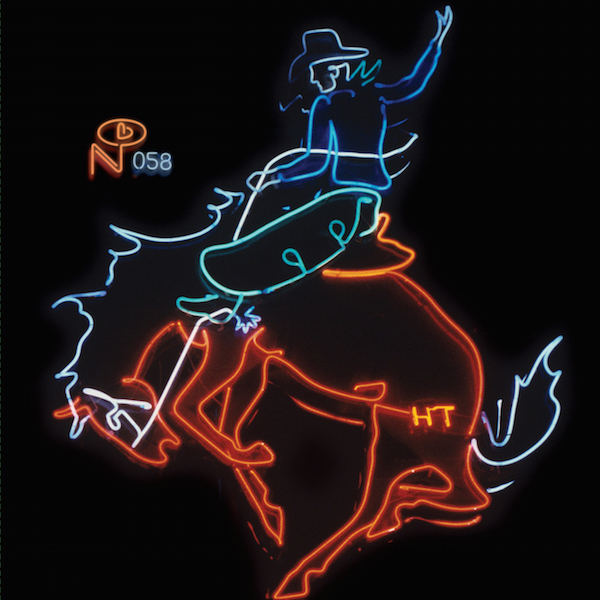
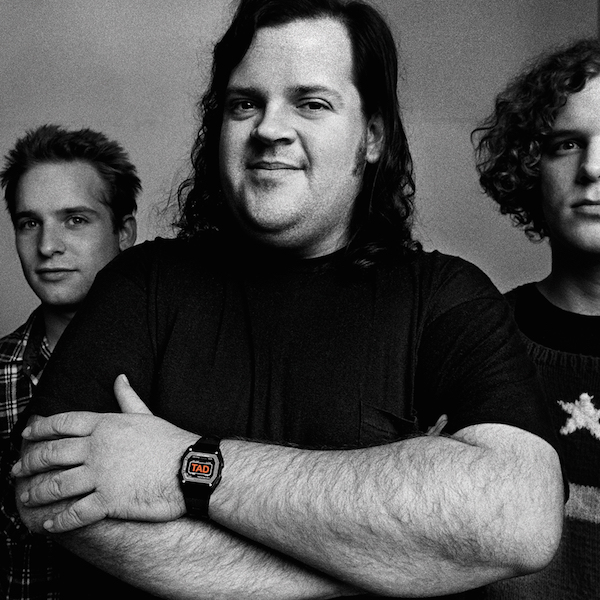 TAD: God’s Balls/Salt Lick/8-Way Santa
 Sun Ra: Singles
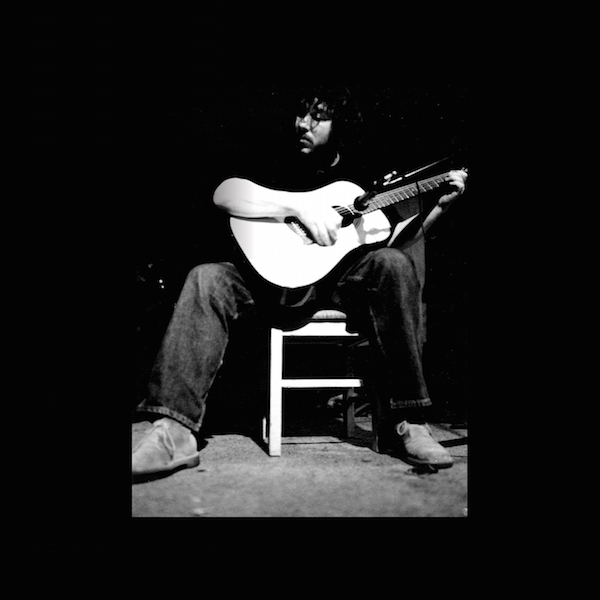 Jack Rose: Jack Rose/I Do Play Rock and Roll/Dr. Ragtime and His Pals
 Scientists: A Place Called Bad


 It’s been a while since Shirley Collins sang in public. As a matter of fact, when that last happened Michael Jackson had just released Thriller and E.T. phoned home from the movies. Ronald Reagan was gunned down on the streets, and the Falkland Wars between England and Argentina had just began. Commodore 64 was launched, and tech savvy consumers could actually buy a CD player for the very first time, the technological shift was so distinct, TIME magazine even named the computer ‘Man of the Year.’
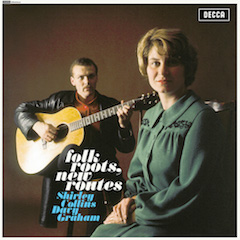 Returning back to Britain, Shirley Collins built a steady solo career. Often accompanied with her sister Dolly, a gifted arranger and composer in her own right, Shirley cementing her role in the rapidly blossoming English folk scene. In all she recorded over 20 albums, including the highly-influential Folk Roots, New Routes (1964), a collaboration with avant-garde guitarist Davy Graham, her seminal work Anthems in Eden (1969), done with Dolly, and the eclectic masterpiece No Roses (1971), which spawned the folk group The Albion Band. Existing in the very center of the emerging electric folk rock and acid folk circuit, Collins managed to maintain a sort of noble grace, fusing elements of contemporary folk with archaic, pre-modern roots.
 While being part of the flowery counterculture scene at the time, she also kept her distance from the psychedelic underground; Shirley Collins’ culture was in many ways steeped in a deeper soil. This incident, taken from Electric Eden, can serve as a sufficient example: Once, while the Collins’ sisters played with Robin Williamson of the Incredible String Band, he urged them to expand the session with some drugs: ‘You’ve never seen a tree until you’ve taken LSD,’ he said, prompting Dolly Collins to snappily reply: ‘I know perfectly well what a tree looks like!’

 You’re also well known to focus on rural and pastoral material from your home area in southern England. What, in your mind, are the common grounds between British and American folk music, and where did you place yourself in such a context?
 Why did folk music resonate so well with young people then, and what do you think made it relevant to the pre-war generation?
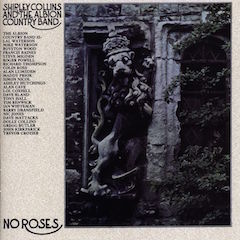 You later worked with Joe Boyd and folks from the Incredible String Band, released albums on the iconoclastic Harvest label and gave us the eclectic album No Roses in 1971. Can you please try and describe this period of time in terms on how you found your role ‘between’ traditional culture and the psychedelic expansion at the time?
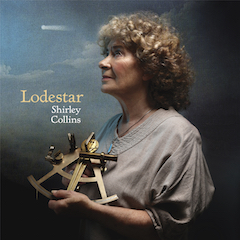 Can you please guide us briefly through Lodestar and let us know what we can expect from you this time? As I understand there’s some sort of circle here, since it also includes tracks tracing back to 1959 and your Delta travels.
 Two roads diverged in a yellow wood,

 It goes without saying that this scene didn’t produce a wealth of mainstream pop stars, but Devendra Banhart did become the movement’s most iconic figurehead. Signed to Swans’ Michael Gira and his Young God label, Banhart immediately stuck out as an original and pivotal voice, with his 2002 debut album Oh Me Oh My… sounding like some long lost treasure trove of 78 recordings discovered in a rotting country barn. While he has gradually evolved into a much more eclectic artist, Banhart used his reluctantly accepted status to tie bonds between past and present times. He curated the seminal new-folk collection, Golden Apples of the Sun (Bastet, 2004), featuring artists like Joanna Newsom, Antony, CocoRosie and Iron & Wine, along with sparking a renewed interest in largely long-lost voices like Vashti Bunyan and Linda Perhacs, who have since both released new material in recent years in response to a newfound generation of fans.

 In his thorough biography of Fahey, Dance of Death, writer Steve Lowenthal describes it more in depth as ‘Merging genres with a bold ambitiousness, he would eventually call his style ‘American Primitive’, in reference to his untrained methods. Rather than being restrained by formal song structure, he tried to keep the feel of more abstract classical structures, while using familiar fingerpicking patterns found in country and bluegrass.’
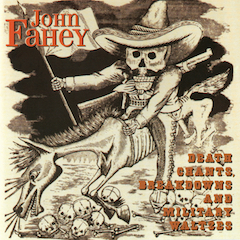 Named after his hometown of Takoma Park, Maryland, Takoma Records evolved from being an imprint for Fahey’s own amateur recordings to a fully fledged label that included other influential fingerstyle guitar pickers such as Robbie Basho and Leo Kottke, further segmenting Fahey’s status as one of the leading and most influential guitarists of our time.

 I Do Play Rock and Roll
 Jack Rose
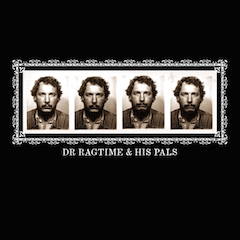 Dr. Ragtime & His Pals
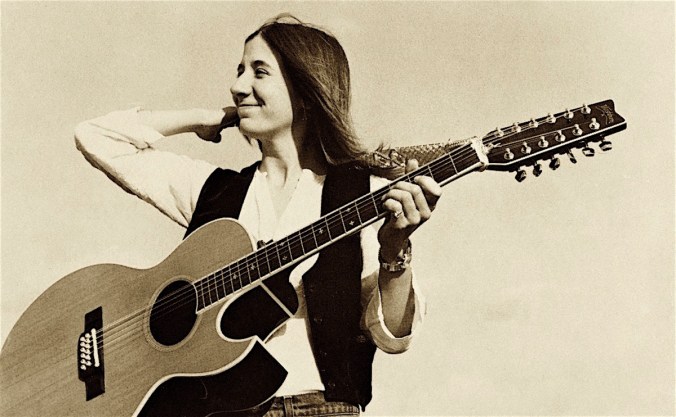
 Let the phrase ‘shared love of the old weird American music found on forgotten 78s’ guide us further down the road. Another essential focal point in preserving old time music as well as its present day successors is the eminent label Tompkins Square, run by Josh Rosenthal. The imprint is renowned for their exquisite sense of quality and their deep diggings into the forgotten crates of 20th century American music.
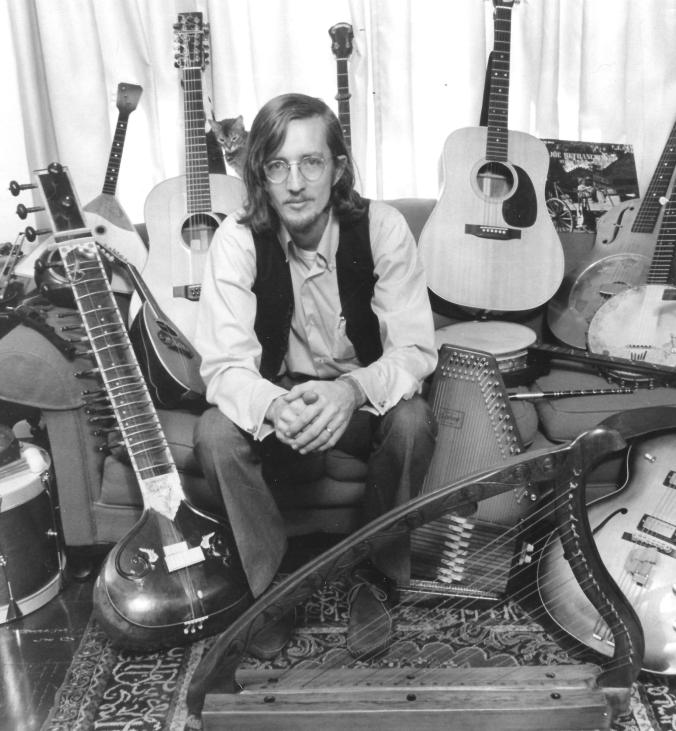
 There’s a guitar player from Oregon named Richard Crandell who made an album called In the Flower of Our Youth that I can never get enough of, it’s just completely brilliant melodically, with most songs being short, self-contained little gems that are absolutely memorable. Tompkin’s Square reissued it some years ago, maybe after I recommended it to Josh, but I still think the audience for it could be bigger.
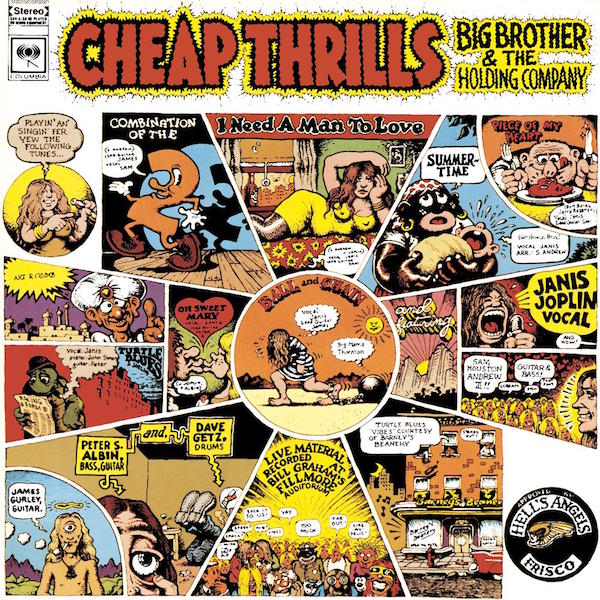
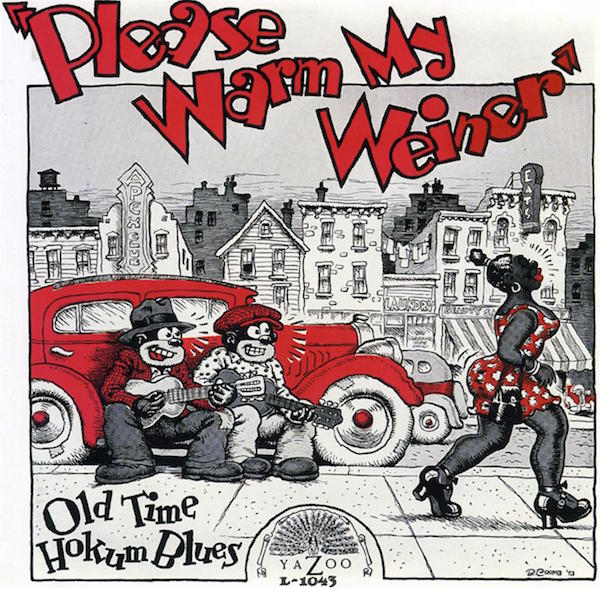
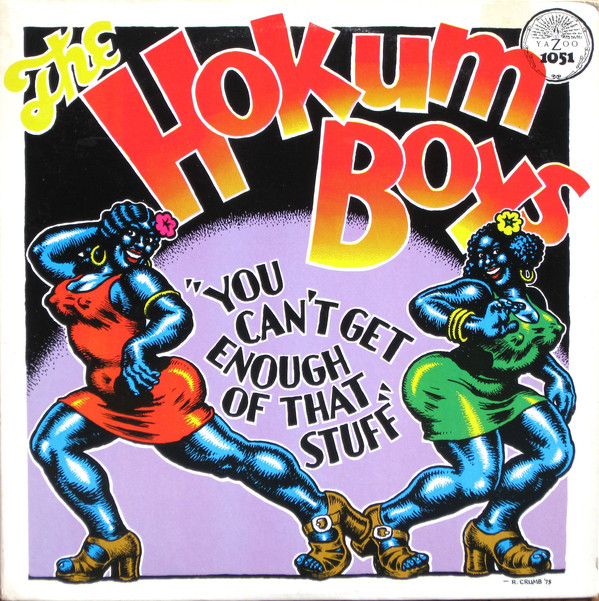
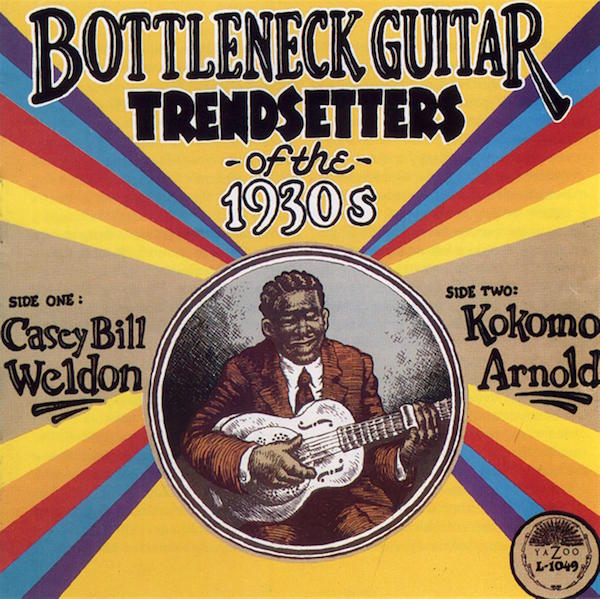
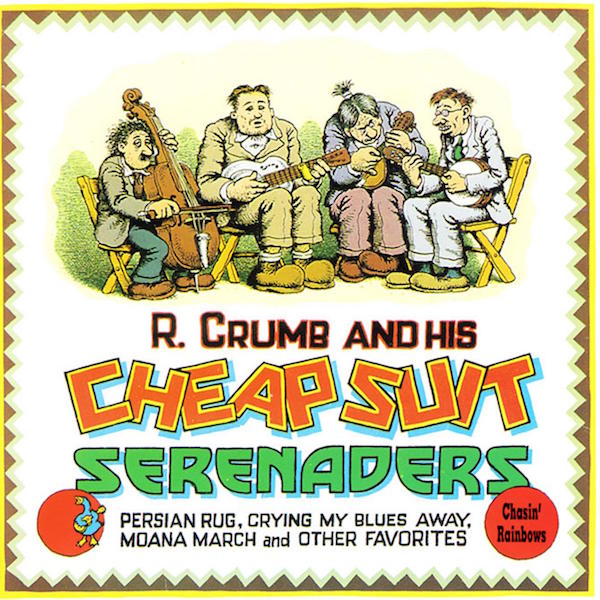
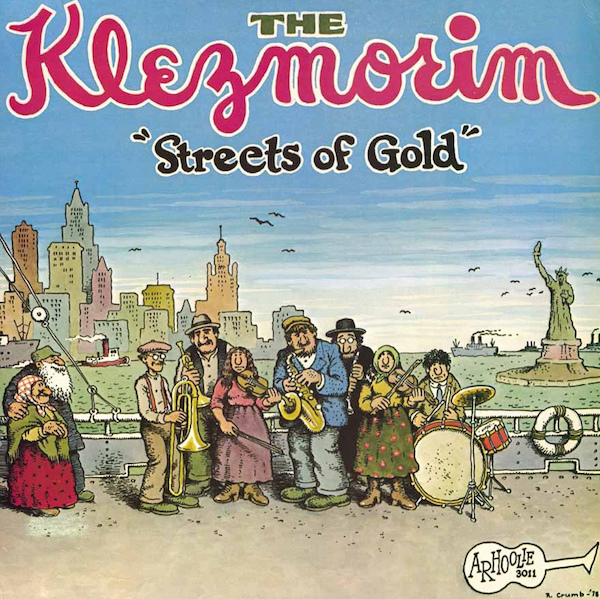
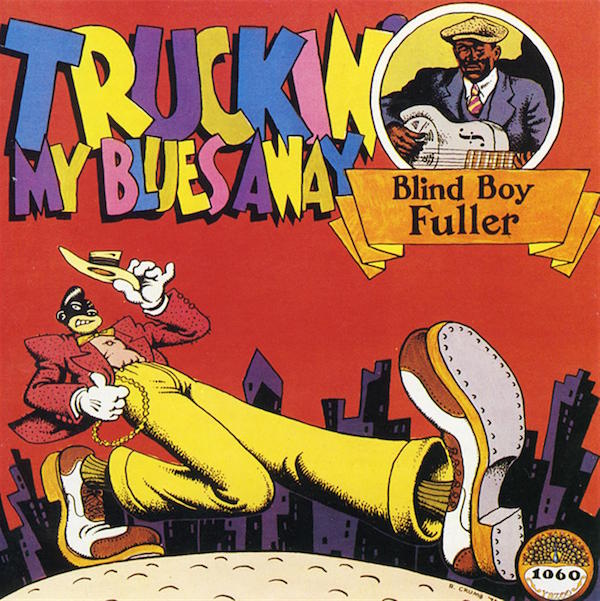
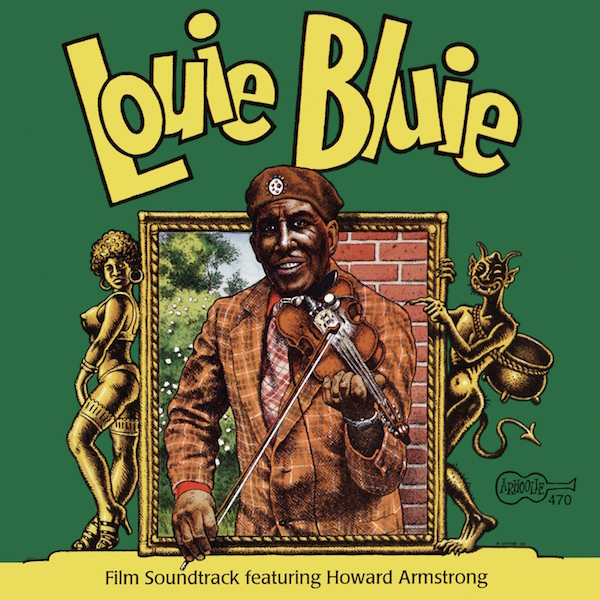
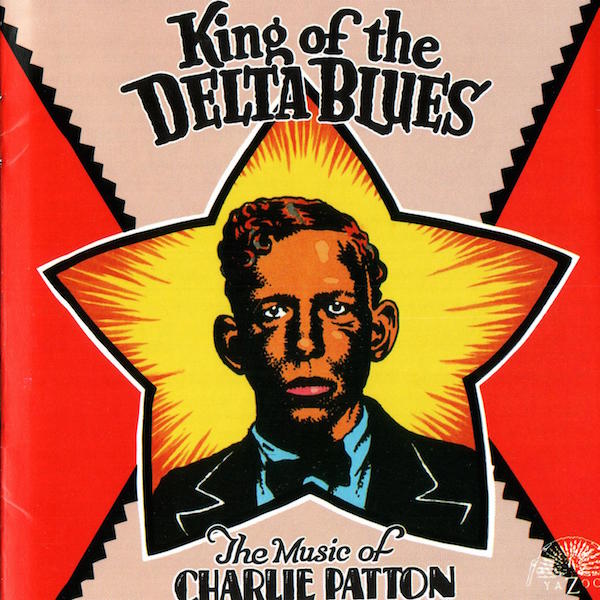
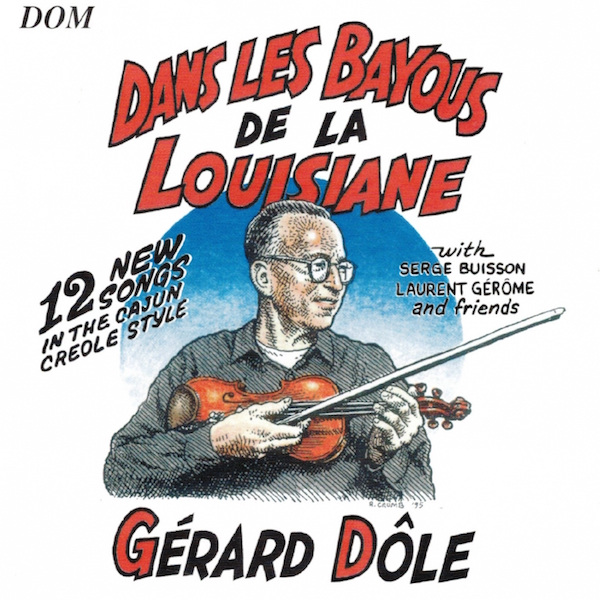
 Born in Philadelphia in 1943, Robert Crumb rose to prominence as a key figure in the American underground comix movement in the late 1960s, creating the legendary underground publication Zap Comix, and introducing us to immortal characters like Fritz the Cat, Mr. Natural and Devil Girl.







 Cutting edge i 15 år: Fra 1961 til 1976 leverte Impulse Records utgivelser med en visuell skjønnhet og musikalsk kraft som gir rungende gjenlyd 40 år senere. Med den klassiske svarte og oransje ryggen, med omslag som gjorde hvert album til et kunstverk i seg selv og enkeltstående utgivelser som for lengst har gått inn i historiebøkene, preget ikke bare Impulse jazzen gjennom hele 60-tallet Selskapet bidro til å forme den musikalske utviklingen og reflektere en stigende turbulent samtid – en posisjon de færreste plateselskap forunt.
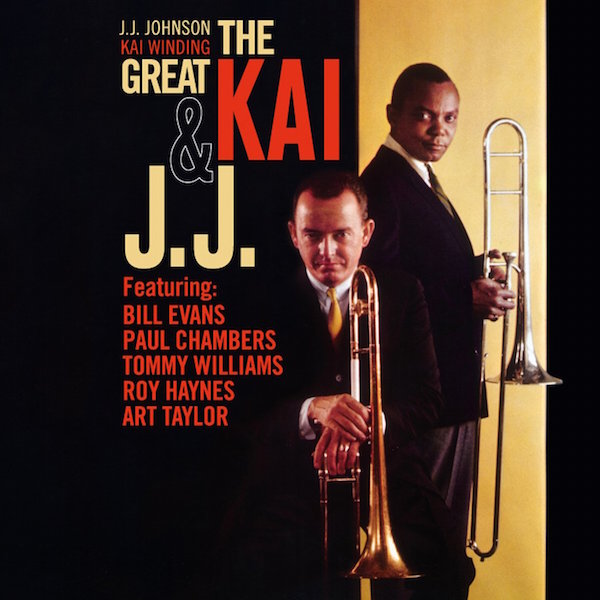 Kai Winding & J.J. Johnson: The Great Kai And J.J.
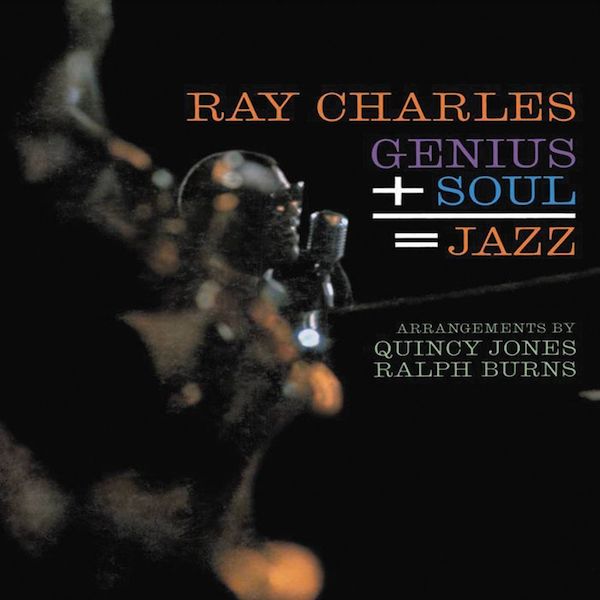

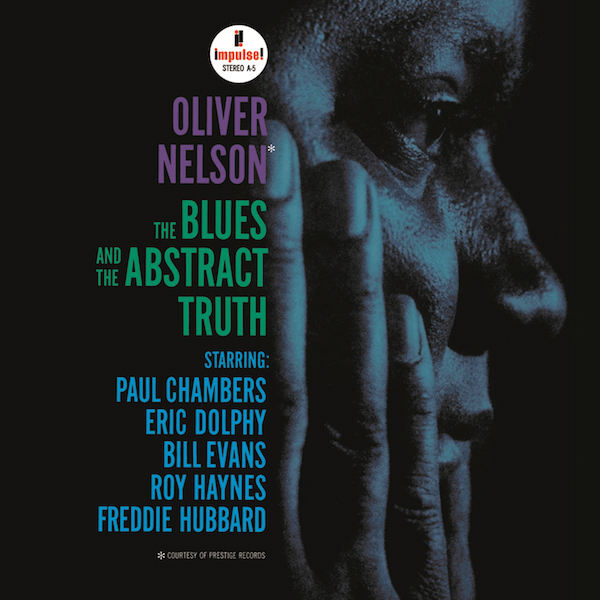

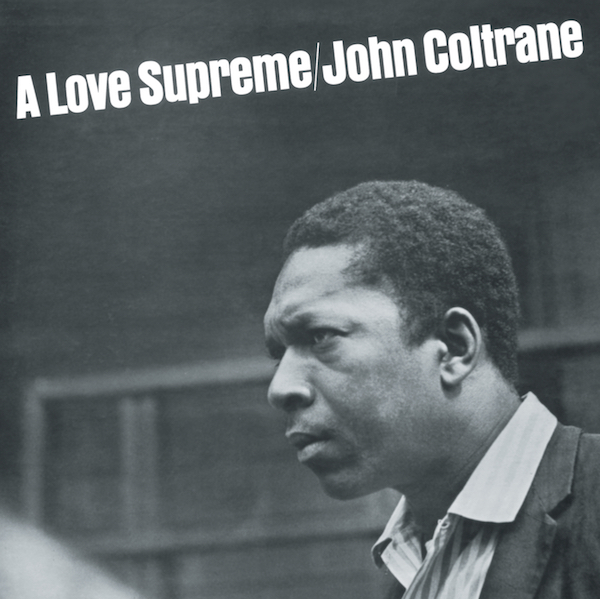

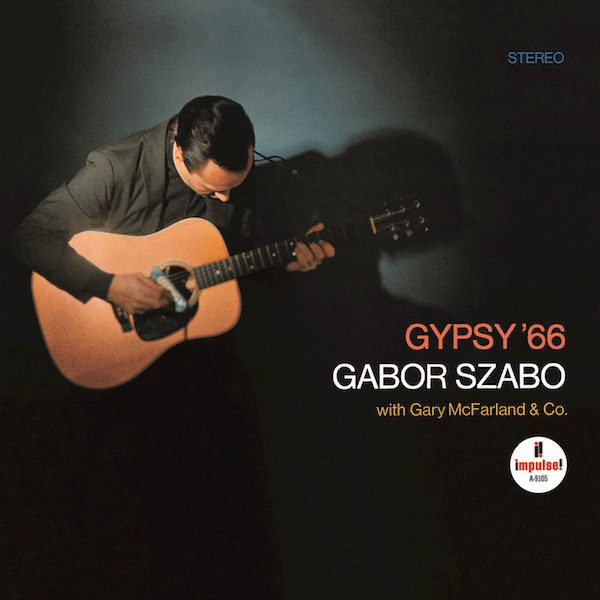


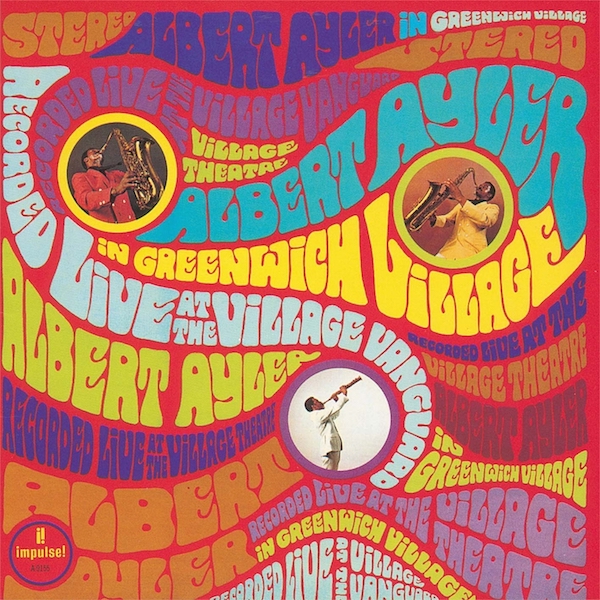
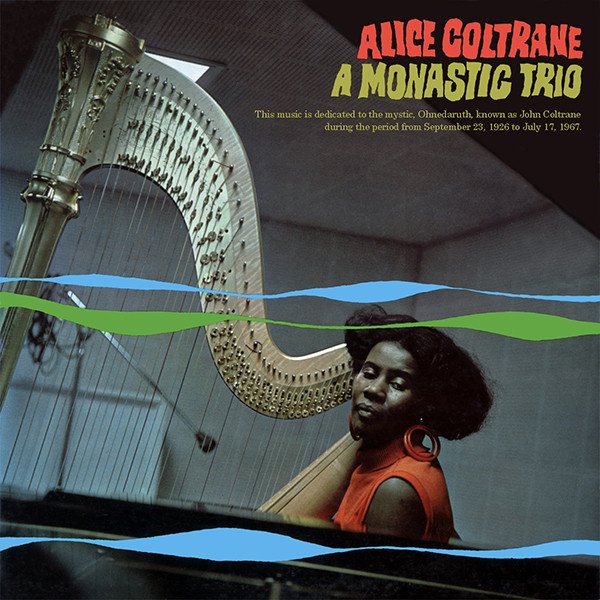
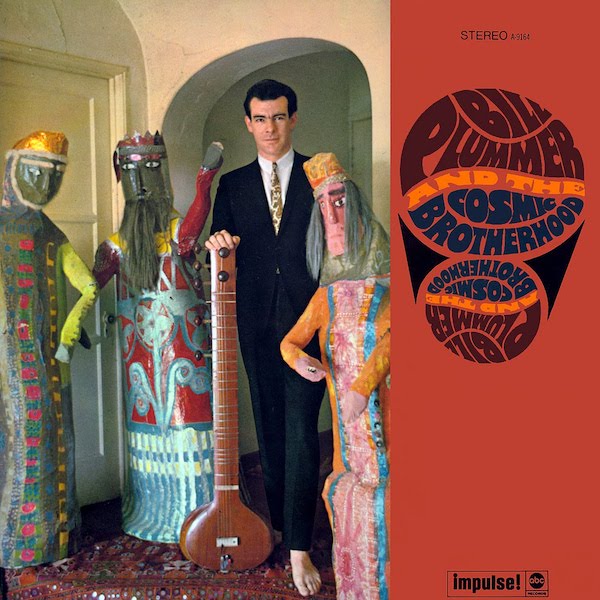

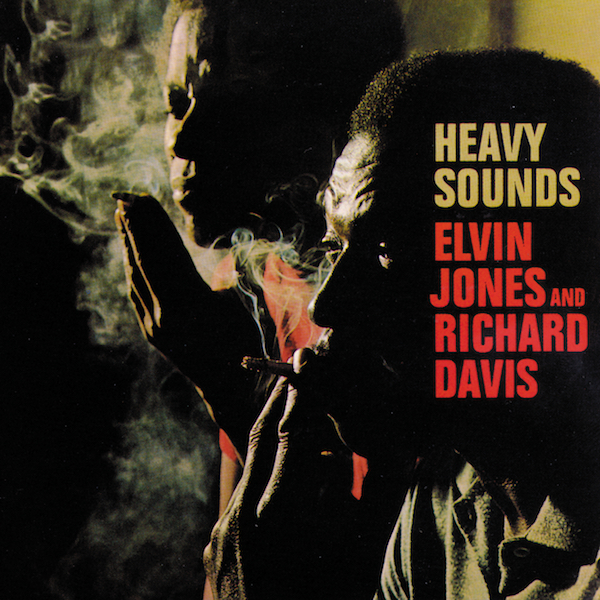
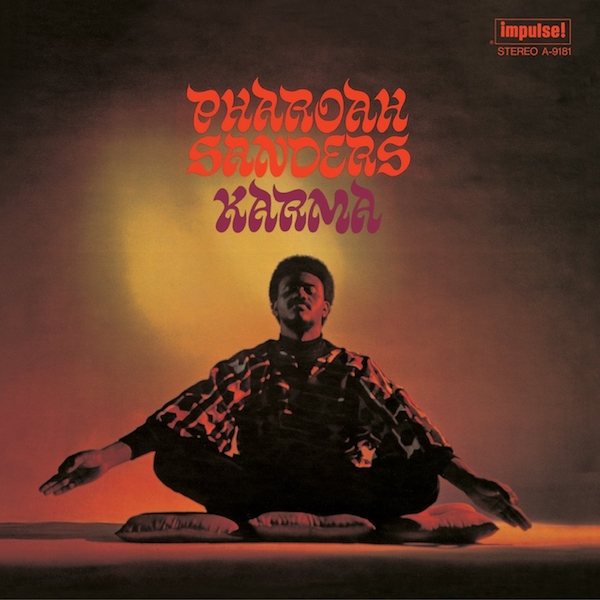
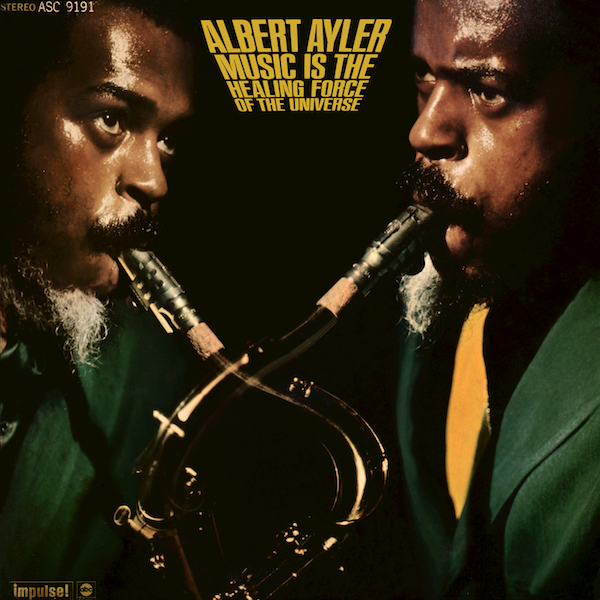
 I 1990 satt jeg på gutterommet hjemme omgitt av en raskt voksende LP-samling, opptakskassetter og med hockeysveis. 10 år senere var jeg en clean cut samfunnsborger med leilighet, fast arbe’ og omringet av et firesifret antall CD’er. Jeg kunne på få minutter søke opp all verdens artister på AltaVista og snuste såvidt på dette med Napster. Det sier seg selv at 90-åra innebar store omveltninger, som det viktigste og mest formative tiåret i mitt musikalske liv, som omfattet både ungdom, studietid og voksenliv.
 The first you hear is an impenetrable wall of grinding, chainsaw-like guitars. Then there’s that steady, motoric pounding rhythm that never surrenders. And then this raspy gravel, a spooky baritone voice, like a raging fire and brimstone preacher, with hazy, slurred lyrics that wasp away like smoke.
 Their widescreen musical scope, borrowing equally from western and eastern influences, is perhaps best described by numerous artists they covered, including Lee Hazlewood (“Some Velvet Morning”), Can (“Yoo Doo Right”), Hawkwind (“Silver Machine”), Suicide (“Rocket U.S.A”) and The Byrds (“Everybody’s Been Burned”). Just as close to Television, Bauhaus and Joy Division than their more successful contemporary counterparts in ’80s American underground (R.E.M, The Replacements, Pixies), Thin White Rope’s desert psychedelia was a far more vast and difficult creature to cast. And despite enjoying a steady fanbase, especially in Europe, they sadly vanished from the common memory following their 1992 demise.
 Based out in the Northern California university town of Davis, Thin White Rope often returned to the desert as a recurring trope in their songs, both emotionally and musically. “Soundtrack,” from the same album, also laid a sonic foundation for what to come later; their ability to let an austere tune about alienation (“Windshields are like TV screens/I’m not involved at all”) explode into a ferocious assault as a sneering Guy Kyser goes full Mad Max (“She throws firebombs on the highway/Glass splashing and bushes burning”), revealing a band with a constant underlying rage – a beast they sometimes tamed, sometimes let loose.
 In the Spanish Cave (Frontier, 1988), probably their most well known album, is a tad brighter and even more varied than its predecessors. Ranging from almost joyous tunes (“Mr. Limpet”) to bulldozing guitar assaults (“It’s OK”), it features their most known song, the epic “Red Sun.” In a thorough review celebrating its 25th anniversary in 2013, The Quietus points out how they created an alien take on the unfathomable vastness of the American landscape and its effects on the nation’s psyche, and how they used this landscape, not as representing a sense of freedom, but as an area of something uncanny and unsettling, summing up the album as a “potent, fantastical window onto a malign new phase of the American Dream.”
 In a fair world, Thin White Rope would be the real heroes. Instead they called it a day after perhaps the most complete effort in their career. The Ruby Sea turned out to be their swan song, described by AllMusic as ‘slowly shedding their more blatantly psychedelic influences and polishing their sound as a surreal and chilling rock band.’ Going out while being at the top of their game – with majestic songs like “Hunter’s Moon” and “Puppet Dog” – the band still had one ace up their sleeve.

 Who inspired your guitar sound the most?
 Did you have a clear plan or idea from the beginning on what Thin White Rope should be when you first started out playing?
 What’s your favorite Thin White Rope album?


 Det er et dyktig og vidtfavnende lag, som evner å sette de musikalske visjonene ut i praksis. Plata er et møte mellom to av Telemarks viktigste musikktradisjoner, passende nok lagd som bestillingsverk til Telemarkfestivalen 2015. Her møtes også Norge og verden, og ulike sjangre – plata en smeltedigel av stilarter, uttrykk, former og grenseløshet.

 1-10:
 11-20:
 21-30:
 31-40:
 41-50:
 51-60:
 61-70:
 71-80:
 81-90:
 91-100:
 101-110:
 111-120:
 121-130:
 131-140:
 141-150:
 151-160:
 161-170:
 171-180:
 181-190:
 191-200:

