Hvis man nå absolutt måtte tilbringe resten av livet på en øde øy, med strøm og platespiller vel og merke, og fikk mulighet til å ta med seg kun ÉN plate fra hvert år, hvilke skulle man tatt med seg? Denne høyst reelle utfordringen avstedkom etter noe tankevirksomhet følgende liste. Den gir, om ikke en perfekt avspeiling over favorittskivene, en ganske representativ oversikt med vei som ikke overraskende går fra jazz via syrerock og punk til undergrunnsrock og post-rock. En riktig så fin reise ble det faktisk, så da er det bare å pakke kofferten.
Utvalget er for øvrig avgrenset til kun én plate pr. artist.
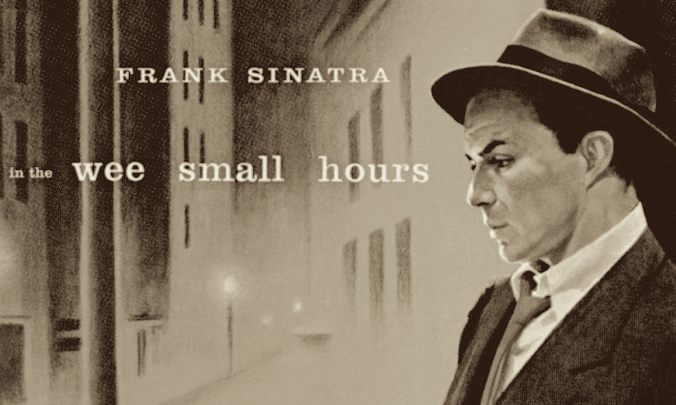
1955 Frank Sinatra – In the Wee Small Hours
1956 Sonny Rollins – Saxophone Colossus
1957 Art Pepper – Art Pepper Meets the Rhythm Section
1958 Cannonball Adderly – Somethin’ Else
1959 John Fahey – Blind Joe Death
1960 Ornette Coleman – Free Jazz
1961 Thelonious Monk – Thelonius Monk With John Coltrane
1962 Bill Evans – Waltz For Debby
1963 Charles Mingus – The Black Saint and the Sinner Lady
1964 Lee Morgan – The Sidewinder
1965 John Coltrane – A Love Supreme
1966 The Beatles – Revolver
1967 The Velvet Undergroud & Nico – s/t
1968 The Jimi Hendrix Experience – Electric Ladyland
1969 Miles Davis – In a Silent Way
1970 Soft Machine – Third
1971 Black Sabbath – Masters of Reality
1972 Nick Drake – Pink Moon
1973 Can – Future Days
1974 Neil Young – On the Beach
1975 Brian Eno – Another Green World
1976 Warren Zevon – s/t
1977 Television – Marquee Moon
1978 Blondie – Parallel Lines
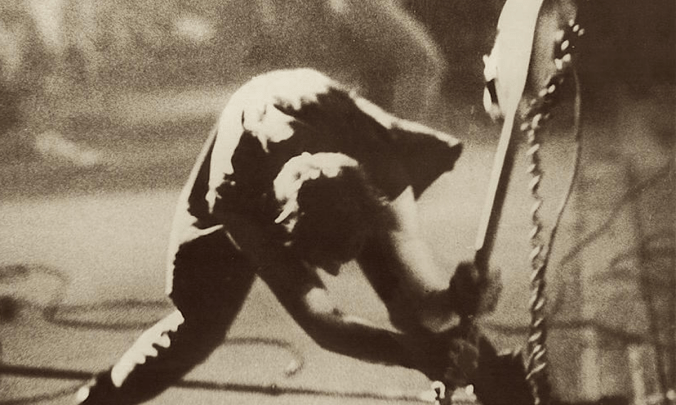
1979 The Clash – London Calling
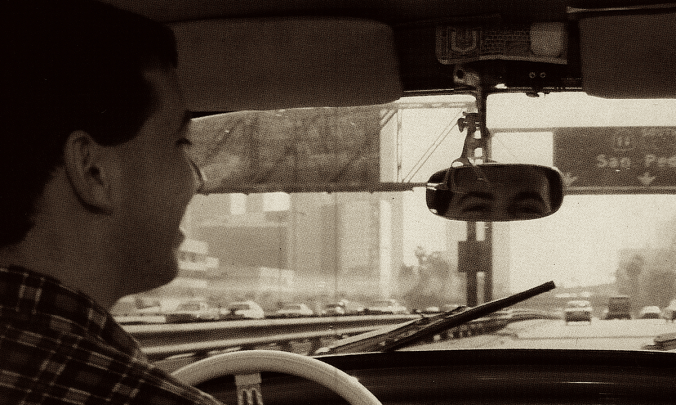
1980 The Feelies – Crazy Rhythms
1981 Wipers – Youth of America
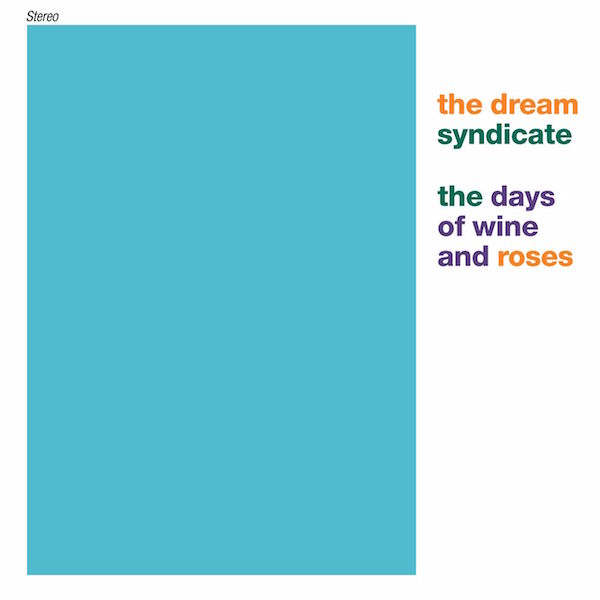
1982 The Dream Syndicate – Days of Wine and Roses
1983 R.E.M – Murmur
1984 Minutemen – Double Nickels on the Dime
1985 Giant Sand – Valley of Rain
1986 Slayer – Reign in Blood
1987 Dinosaur Jr. – You’re Living All Over Me
1988 Sonic Youth – Daydream Nation
1989 Pixies – Doolittle
1990 Fugazi – Repeater
1991 Slint – Spiderland
1992 Angelo Badalamenti – Twin Peaks: Fire Walk With Me
1993 Beastie Boys – Ill Communication
1994 Motorpsycho – Timothy’s Monster
1995 The God Machine – One Last Laugh in the Place of Dying
1996 Tortoise – Millions Now Living Will Never Die
1997 Built to Spill – Perfect From Now On
1998 Karate – The Bed Is in the Ocean
1999 Bonnie Prince Billy – I See a Darkness
2000 Songs: Ohia – Ghost Tropic
In the late 1970s Los Angeles was a key hub for punk rock and hardcore music, spawning crucial bands like Black Flag, Germs and Circle Jerks. At the turn of the decade, just as that boom started to fade, a new generation rolled into town keeping the untamed punk spirit alive while reverberating echoes of the pre-punk era.
Eighties Los Angeles became a hotbed for pioneering alternative rock acts, leaning equally towards country and folk, in the form of cowpunk, and psychedelia, manifesting a scene known as the Paisley Underground. Man, it must have been a thrilling place! Standout bands like The Gun Club, X, Green On Red, The Rain Parade, The Long Ryders and True West are just some of the acts that planted cactus roots in the land of palms. But none were more thrilling or vital than The Dream Syndicate.
Even though they belonged to the same scene as the ones mentioned above, The Dream Syndicate didn’t sound like anyone else at the time. Originally based around Steve Wynn (guitar, vocals), Karl Precoda (guitar) Kendra Smith (bass) and Dennis Duck (drums), Syndicate was all about loud guitars and a boundless approach, creating a musical habitat equally leaning on the harrowing echoes of Neil Young and Crazy Horse, the intricate guitar work of Television, the drone soundscapes of The Velvet Underground and the improvisational elements of John Coltrane, Ornette Coleman and Albert Ayler.
The band cemented their legacy early on the seminal 1982 debut, The Days of Wine and Roses, a hands-down masterpiece that exhibits everything they were capable of. Although loud, psychedelic guitar rock was not the hippest of sounds in the ’80s, but it resonated surprisingly well for a subculture that later became known as college rock, which The Dream Syndicate pioneered along with the likes of their close friends in R.E.M, Sonic Youth and Dinosaur Jr.
In 1983 The Dream Syndicate secured an opening slot for U2 on their U.S. tour, and the newfound national spotlight landed them a contract with A&M Records. Along with the record deal came a budget that allowed them to hire Sandy Pearlman (Blue Oyster Cult, The Clash) as producer, resulting in their much more expansive sophomore album, The Medicine Show (1984).
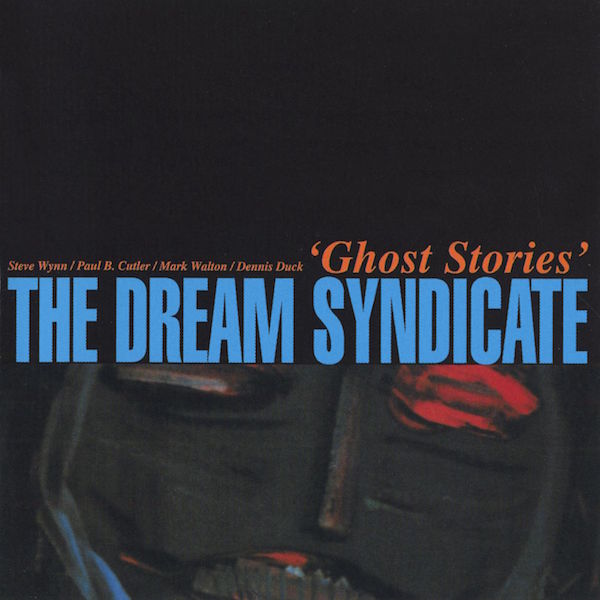
Being dropped from the majors due to disappointing album sales, on top of internal struggles and various line-up changes didn’t prevent two more albums to follow. After a temporary retirement, which allowed Steve Wynn and compadre Dan Stuart of Green On Red to join forces as the drunken barroom outfit Danny & Dusty, Syndicate returned with newfound energy on 1986′s Out of The Grey. Following yet another pause, they crafted the dark and dense album, Ghost Stories, produced by Elliot Mazer of Neil Young fame.
In just six years time, The Dream Syndicate had forged a unique and distinctive four-album catalog that earns them a place among the seminal guitar bands of the 1980s. They capped off the decade with Live at Raji’s, an ecstatic live album that fully captured their energetic shows, without any technical bonds and a statement most bands can dream of.
As the ’80s turned to the ’90s, the Dream Syndicate was put to rest. Steve Wynn continued on as the far most profiled artist, under his own name and in bands like Gutterball and The Baseball Project, while other members drifted in different directions. Their music maintained a strong cult following no one really expected their return.
Then, in 2012, The Dream Syndicate miraculously reunited for a Spanish music festival. Made up of Wynn, Mark Walton (bass), Dennis Duck on drums and newcomer Jason Victor on guitar, the magic was still there. The band has since played over 50 shows and toured throughout the U.S. and Europe.
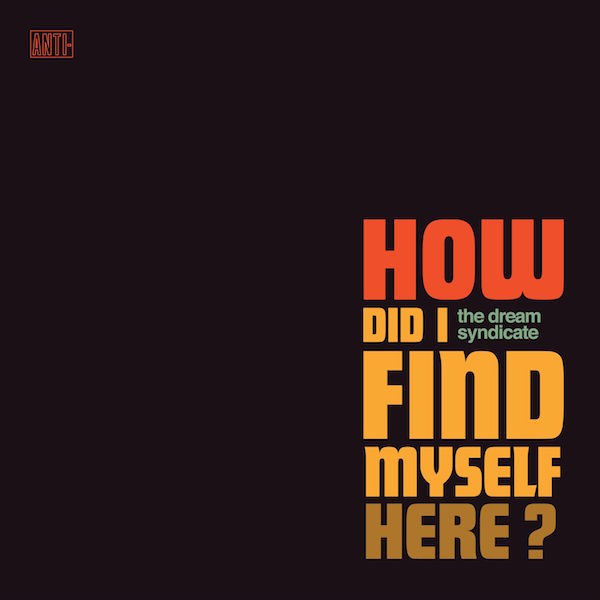
In 2016 they headed into the studio to begin work on their first album in 29 years. Released on September 8 by Anti- Records, How Did I Find Myself Here? is a triumphant return for a band that never lost its spark.
We invited Steve Wynn for a look in the back mirror and guide us through their catalog while we anticipate their new album.
* * *
The Dream Syndicate: Album by Album
By Steve Wynn
The Days of Wine and Roses (Ruby, 1982)
Where it all began – to be specific, during three consecutive midnight to 8 a.m. sessions at Quad Tech Studios in East Hollywood in September of 1982.
We tracked all of the songs on the first night. And I sang them and did a few guitar bits and pieces the second night. We mixed the whole thing on the third and we all went to our day jobs in between.
I worked as a clerk at Rhino Records so it’s not like it was the most demanding job in the world. But I do remember going in and opening the store after we finished with a cassette of the mixes in my hand.
I played it to an empty store and knew that we had done something special, that we had made an album that lived up to our loftiest ambitions and intentions
Medicine Show
(A&M, 1984)
The first record took three days. This one took five months, working almost every day during those five months, usually about 12 hours a day.
On the same 8 songs. Yes, it’s almost impossible to believe.
Chock it up to the times, the ’80s became the Era of The Producer, a time when newfound technology and those at the helm felt that they were there for much more than the mere task of capturing art.
Chock it up to the actual producer we had chosen, Sandy Pearlman (Blue Oyster Cult, The Clash), who I later found out was notorious for going way over a deadline and most certainly over budget.
Chock it up to our ambition to make something deeper, bigger and most intense than our first.
Whatever, they were very different records but they fit together in my mind and this one is quite often my favorite. It creates its own world and I really feel like there’s no other record quite like it. Oh, and some of my favorite songs that I’ve ever written.
Out of the Grey
(Big Time, 1986)
The band broke up in December. Karl and I weren’t talking. It had stopped being fun. And the newfound excesses – of chemicals, alcohol, experience, ego, fame – didn’t work in our favor.
So, that was it.
At least that was it until Mark and Dennis and I realized that we liked playing together and we invited Paul B. Cutler (45 Grave and, the producer of our first EP) to join us.
It worked. It was a blast. It was fun.
And the giddiness of everything being fun again comes through on this record, the title track being the taste of rising up, phoenix-like, from the ashes.
It’s upbeat, breezy, things not normally associated with our band.
Ghost Stories
(Enigma, 1988)
By this time Mark and Paul and Dennis and I had spent a lot of time on the road, and you can hear it on this record. I think that in some ways we put it all together on this one.
It’s dark, it’s noisy, it’s bratty but it’s also quite self-assured and not undone by production – neither too little nor too much.
It’s just us.
Credit must be given to producer Elliot Mazer (responsible for Neil Young’s Harvest, for one) who went for a live immediacy and transparent, rocking sound. It doesn’t sound dated. It sounds like us and, although we didn’t know it at the time, it was a good way to go out.
Oh, and much of it features Chris Cacavas, who had become a fifth member and still is to this day.
Live At Raji’s
(Enigma, 1989)
Paul’s guitar was stolen and we were all broke and most definitely uninsured. So we played a gig at our favorite local Hollywood hangout, Raji’s, to make enough to buy him a new one. And what the hell, we thought, let’s record it as well.
Elliot was around and had the idea to record the show direct to DAT (remember DAT, kids?). He was upstairs with his gear and recorder while we rocked out in the basement.
Man, we were ON that night – no jitters or worries about being recorded. We let it all fly. You hear this record and you hear what we did night after night on stages around the world.
When the show was done, so was the record. Performed and recorded and fully mixed all at the same time.
Some people say it’s our best record. Who am I to argue?
How Did I Find Myself Here
(Anti-, 2017)
A 29-year gap between our fourth and fifth albums. Who does that? Has there ever been a longer gap between albums in a band’s history. I don’t know. But this feels both like a continuation of our saga and something altogether brand new.
We neither wanted to ignore our past nor slavishly reproduce it.
And then we went into the studio and didn’t think about any of that. We just played.
Five days of playing in Richmond, Virginia at Montrose Studios, aided and abetted by our new guitarist Jason Victor (who had played in my solo band, the Miracle 3, since 2001). We knew from the start that it was going well and we just kept going and followed the music where it wanted to take us.
The Siren’s Song is the freshly released, Jeff Tweedy-produced fourth album from Saskatchewan folk duo of cousins Kacy Anderson & Clayton Linthicum.
Following their highly acclaimed 2016 New West debut Strange Country, Kacy & Clayton tap even deeper into the bottomless well of folk and country influences from North America and the British Isles. While carefully reaping centuries of rural traditions, the duo blossoms into something modern and timeless built on equal parts intricate guitars and angelic vocal harmonies.
The Washington Post just named The Siren’s Song the front-runner as the year’s best album in the Canadian-British-Americana country-folk category, and we highly encourage you to give it a listen.
***
Congratulations on your new album! How would you best describe it?
Thank you! This is the first record of material we’ve made that can be performed at rodeo dances if need be.
How do you view The Siren’s Song compared to your debut album, Strange Country?
On our first three albums, we wanted to take these regional folk traditions — Anglo-American balladry, Piedmont blues, sea shanties, Cajun music, etc. — and write music that could be mistaken for traditional songs.
With The Siren’s Song, we attempted to make an album that synthesized the influences of our previous records with the production and writing style found on country records circa 1965 and the groove of South Western garage rock groups like the Sir Douglas Quintet and the Bobby Fuller Four.
How has the response been so far?
So far, so good! It’s been getting quite a lot of public radio and media attention here in Canada. My dad recently recited an entire song from the album to a group of his friends, so I consider that a success.
How did you celebrate the album release?
With a big bag of Miss Vicki’s kettle chips and a pint of cider.
Awesome! What is your next move going forward?
We’ve got tour dates planned for most of the fall that will take us through parts of Canada and the US, and also plan to tour the UK and Europe in the new year.
Soundtrack to My Life: Kacy & Clayton
Clayton’s Picks
Favorite song to listen to in the car?
“Poor Moon”: Canned Heat
The galloping high-hat and pulsating guitar vibrato on “Poor Moon” really propels my Honda CR-V and me down the road.
A song you like to sing in the shower?
“Bright Phoebus”: Mike and Lal Waterson
Here’s to Domino Records for reissuing this 45-year-old masterpiece and here’s to the Watersons and the community that surrounded them and played on this record.
A song that always brings a tear to your eye?
“Silver Coin”: Bridget St. John
Bridget St. John’s version was my introduction to this song, written by Terry Hiscock(Hunter Muskett). The chord progression and Gordon Huntley’s steel guitar part cause me to feel a pile of feelings.
Best new song you recently discovered?
“Night Wander”: Steve Gunn
When we finished making our new album in Chicago this past January, we had plans to go see Steve Gunn at Thalia Hall. Unfortunately, the spring rolls we ordered at a Vietnamese restaurant took much too long to prepare and we missed the show. Not to be denied, our drummer Mike Silverman and I watched a bunch of his KEXP sessions in our rental apartment, which is how I discovered this song.
Best song you’ve ever experienced live?
“Autumn Leaves”: Bob Dylan
When I saw Bob in Edmonton, Alberta in July, he ended the show with this song. He played a bunch of the standards he’s recorded on the past few albums that night but this was the most striking. The bowed bass and steel guitar and vocal performances were out of this world.
A song you wish you’d written?
“The Homecoming”: Tom T. Hall
This song perfectly communicates such a complete scene and conversation between a son who has lost contact with his rural roots, and his aging father on the farm.
Best song for going out on the town?
“Roll ‘Em Pete”: Pete Johnson
Big Joe Turner sings this jump blues with Pete Johnson on piano. I first found out about this record when I heard Bob Dylan borrowed from it’s intro for his song, “Summer Days” (from Love & Theft).
A song that inspired you?
“Refractions”: Bobbie Gentry
Bobbie Gentry’s records are among the most interesting and least categorizable of ’60s pop music. This song comes right out of the middle of a 5-song suite that makes up the B-side of her Delta Sweete LP. The range in melody and depth of this arrangement inspire me every time I hear it.
Best song to listen to while on tour?
“Give Me Forty Acres”: The Willis Brothers
Saskatoon legend Shakey Wilson turned me on to this truck driving anthem and it often plays in my mind while trying to navigate and park a pickup/U-haul trailer in the cities of America.
Kacy’s Picks
Favorite song that you’ve written or performed on?
“Honk If You Like Herefords”: Wolf Willow
This is one of the greatest agricultural songs ever written according to me. It was a privilege to sing this Etienne Soulodre song with these Saskatchewan sweethearts.
Best song to listen to while on tour?
“Wishing All These Things Were New”: Merle Haggard
Merle Haggard always has the best song to listen to at any point in time.
A song that represents your childhood?
“Tall Tall Trees”: Roger Miller
One thing kids and dads can bond on is Roger Miller. This was a favourite track to listen to in my dad’s truck.
Best song for when you’re head over heels in love?
“Do You Wanna Dance”: Ramones
I think that this is a universal hit for universal lovers to dance to.
Best song for a broken heart?
“My Town”: Kate & Anna McGarrigle
The best melody to sing while crying.
The song you’ve probably heard more times than any other.
“Fishin’ In The Dark”: The Nitty Gritty Band
I have been to many rural dances and listened to a lot of local country radio since 1997.
Lauded North Carolina-based singer-songwriter Lizz Wright is about to release her new, highly anticipated album GRACE, a deeply rooted, spiritual collection of songs that reveal her close connection to her Southern heritage and candid commentary on the region’s current political and social upheaval.
“GRACE is an affectionate refusal of fear and division,” Wright says. “A testament of belonging and trust.”
Lizz Wright has distilled Southern music traditions throughout her career, integrating jazz, gospel, R&B and blues into her musical expression. Still, GRACE reflects some sort of a homecoming for her, as she traces the landscapes from the Blue Ridge Mountains to the lands of her folks in Georgia. Together with photographer Jesse Kitt, she even went on a road trip to reconnect with family, friends and strangers to seek the true voice of the South at the moment.
From a body of about 70 cover songs, 10 various works were selected for these recordings, including wonderful translations of music by Ray Charles, Allen Toussaint, Nina Simone, Sister Rosetta Tharpe and others. “I wanted to respond with rooted affection to the forged tide of divisiveness and distrust that was being relentlessly projected across the media in the wake of the 2016 elections,” Wright tells us.
The album came to fruition with the assistance of an excellent cast of musicians, including pianist and choir director Kenny Banks Sr., guitarists Marc Ribot, Chris Bruce and Marvin Sewell, bassist David Piltch, drummer Jay Bellerose and keyboardist Patrick Warren, while Joe Henry tied it all together as album producer.
Henry and Wright go way back. ”It was and remains an honor to have been Lizz’s scout along the journey of GRACE,” Wright says in a statement. “And in such dark times, we are all as musicians called to answer brutality with wild and inclusive beauty. When Lizz now sings, I am allowed to feel by extension that I am doing something of my part. What a gift that has been to me. What a gift she offers all.”
So true. In this interview, the singer-songwriter elaborated on her forthcoming LP and the story behind it.
***
Congratulations on your new album. What do we get and what’s it about?
Thanks! GRACE is a documented conversation between two writers and longtime friends: a producer of (mostly) Americana and folk music and a gospel-jazz singer. We are both children of the South — Joe from North Carolina and me from Georgia — with roots in the mountains of Western North Carolina.
This project reflects the unhurried and open spirit of our dialogue and makes of it a space that others can move through. The experience of sharing this environment is the message itself.
What was your initial idea for this album when you started to choose material for it?
I’d been holding the working title of GRACE for over a year before actually starting the project. The executive producer, Joe McEwen, gave me a birthday card a couple of years ago with GRACE on the front, and I guess it got inscribed in my brain. Figured I’d be writing a title track, but Rose Cousins had already heard the call and her song is absolutely perfect. I dropped my gaze and cried when I first heard it.
Great writing can spark an overwhelming sense of relief.
How did you make these songs into your own?
The message and energy that I wanted to share were most important to me. Then Joe and I went looking for material, existing or to be crafted that could bring the message to life. I wanted to respond with rooted affection to the forged tide of divisiveness and distrust that was being relentlessly projected across the media in the wake of the 2016 elections. “A soft answer turns away wrath.”
Can you please shed some light on how you select which songs made the cut on the final album?
Joe Henry is a real wordsmith and historian. We were always working with a mound of strong ideas and stories in the material we considered. I love making records because I think the process makes me a better writer.
We designed a soft outline for the kind of landscape we wanted in sentiment and sonic texture. From there the process was like building a boat in the garage. It was all about clarity and discovery, how the pieces fit the vessel.
What can you tell about the recording process and working with this material in the studio?
This record offered me the easiest and fastest process I’ve had thus far. Much to Henry’s credit, of course. I am also grateful to be approaching 20 years in the music business. I feel more trust for the process and the people involved, so we cover more terrain. We get to new ideas faster.
The sessions were fun and deeply comforting. I’d sing for hours and go to my beachfront rental each night feeling like I had just gotten up from a long night of sleep.
You go way back with Joe Henry. How will you describe working with him for this project, and how did he guide you in the process?
Preproduction sessions happened in Pasadena. He’d greet me at the door looking like old money and walk me to his coffee machine and ask me in an original set of words each day how I was doing and what was on my mind. A few times I realized that just the way he dealt with me made me want to compose something on the spot. Maybe all good friends make us feel this way. I dunno.
We had a great conversation about the Dylan tune. I felt challenged by some of the lines and the fact that there were so many words. Also, Bob is no stranger to misery because he has no fear describing it. What Joe helped me realize without judgement is how genius it is to be able to address sadness and open it to find other things like mercy.
Looking back at your debut full length in hindsight, what are you most happy about and could it have been better?
I am most happy that I’m finally letting myself make one record at a time. I only wish I could have started it with the understanding that a project isn’t a resume for all that I know and can sing. It’s a captured moment that’s open for extended exploration, like a photograph, sculpture or painting. I got there after awhile, but from now on that wisdom is the starting point.
What in your opinion is the ultimate southern album?
Whoa!! How could I choose when I find sweet, iconic pieces scattered across so many projects and artists, classic and contemporary? Is there really one Southern record that every Southerner refers to as the one that sounds like home? I’d love to ask Joe this question. I don’t know how to hang my hat on one place.
And finally, please describe the ideal setting to ultimately enjoy GRACE.
A lot of this material was explored in front of fireplaces, my wood burning stove in Black Mtn and a cracking fireplace in Pasadena. I also heard the creek and cicadas in the background while I checked the rough mixes.
My favorite place to listen to music is speeding along switchbacks, sweeping through farmland and overgrown meadows.
—
Lizz Wright: GRACE
Concord Records
Release Date: September 15, 2017
Full track listing:
1) Barley – Birds of Chicago
2) Seems I’m Never Tired Lovin’ You – Carolyn Franklin
3) Singing In My Soul – Sister Rosetta Tharpe
4) “Southern Nights” – Allen Toussaint
5) “What Would I Do” – Ray Charles
6) “Grace” – Rose Cousins
7) “Stars Fell on Alabama” – Frank Perkins and Mitchell Parish
8) “Every Grain of Sand” – Bob Dylan
9) “Wash Me Clean” – k.d. lang
10) “All the Way Here” – Lizz Wright & Maia Sharp
Lizz Wright and her band will tour in autumn of 2017, presenting a full multimedia production of photographs captured by Jesse Kitt as a backdrop to the live performance of GRACE.
Sep 15 Highline Ballroom – New York, NY
Sep 16 Ridgefield Playhouse – Ridgefield, CT
Sep 17 Shalin Liu Perf. Center – Rockport, MA
Sep 20 Howard Theatre – Washington, DC
Sep 22 Variety Playhouse – Atlanta, GA
Sep 23 Live at the Ludlow – Cincinnati, OH
Sep 24 City Winery – Nashville, TN
Nov 01 City Winery – Chicago, IL
Nov 02 City Winery – Chicago, IL
Nov 03 Lawrence University – Appleton, WI
Nov 10 Exit Zero Festival – Cape May, NJ
Nov 12 Prudential Hall in MJPAC -Newark, NJ
Folk-pop outfit Lenore. is the story of two trained singer-songwriters about to withdraw from the music scene: Rebecca Marie Miller following her time as harmony vocalist in The Mynabirds and Joy Pearson burning out after a recent divorce.
But the two stumbled into each other at a show (a Pokey LaFarge gig) and hit off immediately, bonding over music, cigarettes and late night cocktails. Just a couple days later, Lenore. was born under the cheekily term ‘witch folk’. Things started to roll, and they’ve already started to stir some buzz in the Northwestern indie hub of Portland, described by both as a wonderful and supportive musical community.
The two soon assigned classical guitarist Edward Cameron and cellist Jessie Dettwiler as permanent band members and started recruiting other good folks for the recording, including guitarist Paul Rigby, drummer Dan Hunt (Neko Case) and bassist Dave Depper of Death Cab for Cutie. To tie it all together, they enlisted renowned producer John Askew (Alela Diane, Sera Cahoone, Laura Gibson).
So far, only two singles have been launched from their forthcoming full length debut (slated for a September 15 release), Sharp Spine, a gorgeous collaboration with Eric Bachman from Archers of Loaf and “Ether’s Arms”.
A sneak listen to their forthcoming album reveals a band deeply committed to strong and timeless songwriting, calling upon the husky vibes of Fleetwood Mac, the intimate wonders of Simon & Garfunkel or the ethereal bliss of Enya, all wrapped around the majestic scenery of the Pacific Northwest.
In anticipation of the new album, we hooked up with Rebecca and Joy to talk about their album, their favorite duo of all time and how their music is most comparable to a tree.
* * *
Who is Lenore.?
Lenore. is the musical baby of singers and songwriters Rebecca Marie Miller and Joy Pearson. Our other full time members are Edward “Shredward” Cameron on the classical guitar and Jessie Dettwiler on cello.
What can you share about what your brand new single, “Ether’s Arms” and your forthcoming album?
Our newest single, “Ether’s Arms,” is a great representation of our darker, moodier, and more emotional work. It’s the perfect juxtaposition to our first single, “Sharp Spine”, a.k.a. ‘the feel good song of the summer,’ according to our Moms. The album explores that relationship between the light and the dark, with particular emphasis on the cyclical journey through both spaces.
“Sharp Spine” is a duet with Eric Bachman from Archers of Loaf. How did that collaborations came about?
Eric had been begging us for years to sing on one of our songs; it was exhausting… Kidding! We were fortunate enough to do some shows with Eric in 2016. Friendships were forged, and he happens to be a songwriting hero of ours. It was slightly terrifying to ask him to do Sharp Spine, but so dreamy to have him say yes.
What was your initial idea for the album, and what inspired you the most while writing songs for it?
The theme of the album is certainly centered around that relationship between light and dark and the traverse through those spaces that we all experience. When approaching how we wanted to record, we knew that we wanted to capture our live sound, but we also wanted to grow into a brand new sonic space that only experimenting in a recording studio affords.
How was the recording process? You worked with John Askew. How did his production duties help shape the album?
We were so fortunate to work with John, as well as stellar players Dave Depper, Dan Hunt, and Paul Rigby. Everyone came to the table with great ideas and open hearts and minds. Several of the songs on the album had never been performed live. They were completely shaped in the studio. John worked tirelessly never taking breaks, and his instinct for vibe is entirely spot on.
You’ve been described as witch-folk. What, if any, does such a term mean to you?
Witch-folk is a term we came up with in the very beginning of Lenore. that started off as mostly tongue in cheek, but hey, if the shoe fits! To us, it means folk music that has a dark edge and often leans into nature for inspiration and imagery. The effect of our singing voices combined has always felt a bit like alchemy; it’s felt like magic since the very beginning. #witchfolk
What would be your preferred setting to ultimately enjoy the LP?
Rivendell, upon returning from the fiery depths of Mount Doom after successfully destroying the one ring. Or, just in pajamas at home. Or on an approximately 40 minute road trip. All great options.
How would you pair the Lenore. LP with a meal or beverage?
Beverage over meal every time. Every. Time. So, varying incarnations of whiskey.
What’s your favorite duo of all time?
Definitely Obama/Biden. They are so missed.
Favorite debut album of all times and why?
Rebecca is still floored by Jeff Buckley’s Grace and Joy endured the rigors of puberty while listening to Fiona Apple’s Tidal. Jessie and Edward aren’t here to comment at this time, but we’re pretty sure that the Lenore. LP is their favorite debut album of all time. Right, guys?
If your music was a physical object, what would it be?
We’re a tree for sure: deep roots, wide branches, home to many, good for climbing, suitable for snoozing atop fallen pine needles, tire swing optional.
Blank Range is a new quartet out of Nashville, blending gritty vocals with bluesy guitar licks, a colorful flavor of cosmic country and good ol’ rock & roll. The four-piece has just dropped their debut album Marooned with the Treasure via Sturdy Girls Records / Thirty Tigers. Blank Range have toured in support of Death Cab for Cutie, The Mountain Goats and the Drive-By Truckers and will be out with Jessica Lea Mayfield and the Mountain Goats this August. Get to know this exciting quartet a little better.
Who is Blank Range? Please introduce yourselves.
Blank Range comprises Jonathon Childers (guitar), Taylor Zachry (bass), Matt Novotny (drums) and Grant Gustafson (guitar). We’re a rock and roll band from Nashville, Tennessee with some real fire in the midst of all that smoke. We’re avid listeners, and we synthesize all our influences and musings to find our personal take on the power of a song in the context of the here and now. We all sing.
Congratulations on your debut full-length album. We’re more than excited! What’s it about?
Thank you very much! We’re so happy we finally get to share it. Marooned With the Treasure is a rock and roll postcard to right now. It’s a dynamic, cathartic soundtrack introduction to Blank Range.
What’s the story behind the album title?
Marooned With the Treasure is a lyric from “Labor of Love” that we really liked. It’s a thought-provoking image. Something about it brings me to the true nature of freedom in humanity, a sense of arrest due to societal confines or explanations that we’ve come up with throughout human history. Not so much scientific understanding. Really just the concept of dogma on all levels. Making sense of existence in the midst of all its absurdities. We had a few different meanings that we talked out in deciding to choose it as the title but also like leaving it open to interpretation and hearing what it means to other people.
Did you have clear ideas or visions on how it would be from the get-go, or did the album gradually evolve as a process?
This is the most quintessential ‘snapshot’ album that we could probably get at. We wrote most of these songs in August of 2016 at a cabin in Southern Wisconsin. We had a late summer writing retreat into the woods at an old cabin and came out with about 13 or 14 songs.
Spending the rest of August and most of September touring the West coast and scenic parts of the Southeast made quite a lasting impression on us. We got the photo for the album cover on that run. We came home and went into the studio and put the whole album down in four days. The vision realized on this album is the importance of immediacy, the present moment, the emotional power in the imperfection that is humanness.
Care to shed a little more light on the recording sessions?
We recorded with Brad Cook in Durham, North Carolina. Brad is a prolific force in music. He played in Megafaun, Hiss Golden Messenger, Sharon Van Etten and countless other bands. He has a great ear and an unforgettable personality. He’s a stellar friend. He had been asking about what we were working on and suggested trying some things out with him. He brought us out to North Carolina and had us rehearse at his place for a day to hear all the songs and then we went in the next day to Overdub Lane in Durham and started cutting. He really helped us focus on the songs and just getting in there and playing them live. Brad aimed to capture the immediacy mentioned earlier, like these songs couldn’t wait any longer to be played.
The sound was also sculpted in no small capacity by Chris Boerner and James Wallace, who helped engineer the recordings, and James played on the album.
What would be your preferred setting to ultimately enjoy the LP?
Brad Cook’s back room. He had the best sounding system I’ve ever heard.
How would you pair Marooned With the Treasure with a meal or beverage?
We’ve all really come to appreciate the crisp, refreshing bit of euphoria that is Topo Chico mineral water. Ideally, you would be in a place of overwhelming natural beauty where you could enjoy the smaller things while still attaining a more universal perspective, say, on the bank of a rocky stream surrounded by towering Redwood trees, or maybe on top of a boulder watching a devastating sunset over the Pacific Ocean.
You guys want to shout out to other Nashville acts to look out for these days?
Tristen, Teddy and the Rough Riders, Erin Rae, Harpooner, Andrew Combs, Banditos, Liz Cooper & The Stampede, The Lonely Biscuits, Faux Ferocious, Station Wagon, Airpark, Mark Fredson, Sunseeker and Futurebirds. There are so many friends making great music here in town. It’s impossible to name them all, but you don’t have to look far to find it.
What, in your opinion, is the most perfect debut album ever made and why?
I don’t know if I could name one, especially since there are four people in this band that all bring unique tastes to the table, but a few we like are:
Leonard Cohen: Songs of Leonard Cohen
Columbia, 1967
This collection of poems of the human experience was a slow burn for me, but made a huge impact over the years. He has the ability to destroy you with one line.
John Prine: John Prine
Atlantic, 1971
Same as the Cohen record, these songs are so special. It’s such a familiar but unique framing of life. John Prine is a devastator.
Television: Marquee Moon
Elektra, 1977
I remember being shown Marquee Moon in college for the first time, and I don’t know if I’ve stopped listening to it since. These songs are burned into my DNA.
Paul Simon: Paul Simon
Columbia, 1972
Is loosely a debut album but these songs have been important for all of us.
In light of recent events, what’s your view on the current political climate in the US?
On a grand, universal level, it’s rather absurd that our visions are so easily clouded by decisions and actions that sacrifice the well being of others as a result. Humanity, life and knowledge are not finite concepts; they are forever changing and shifting and redefining and reimagining. For me, one of the more important things to remember and to really work from is that, in the process of coexisting, ideas are what should be on the battlefields. Not people.
In our current political climate, the spectrum is seemingly very polarized. I heard a TED talk recently where a psychologist was studying the emotion of disgust and how that was reflected in the holding of political beliefs. People on one side are disgusted by the people on the other side. This seems to halt progress most of all. I think we have a responsibility to pull our world out of the gridlock of oppositional politics and group mentalities and to really start talking about IDEAS and stop accusing people. That seems so liberating as to make me feel certainly optimistic of our future.
And finally, if your music was a food, what would it be?
If our music was a food, it would be a cheeseburger with two Krispy Kreme donuts as the bun. It causes ones heart to race and their eyes to widen but leaves them tired and suffering from long term high blood pressure. Some of us are vegetarians in the band now, but that shouldn’t prohibit me from painting this picture because it’s right on.
Los Angeles-based singer/songwriter Suzanne Santo, better known as one half of Americana duo HONEYHONEY, released her solo debut, the Butch Walker-produced Ruby Red on August 11th.
Santo and Walker, the latter of whom has worked with the likes of P!nk, Carly Rae Jepsen, Keith Urban, Frank Turner and more, first worked together on Walker’s 2016 album Stay Gold, around the time when Suzanne Santo started to explore her own identity, ignore genre boundaries and defy expectations. “He facilitates a great time and an artistic environment that orbits solely around what’s best for the song, which is so rare in a business full of egos,” Santo says of Walker. “Butch and this environment liberated and enabled me to work in a way that I never knew I was capable of.”
On her own, she delved into a new type of songwriting inspired by, amongst others, Erykah Badu, Alabama Shakes and David Bowie – one that Walker is most fond of. “This record is so fucking sexy, I can’t deal,” Walker says of Ruby Red. “Put it on and turn out the lights.”
Ruby Red deals with love, life and lust in the modern world, unveiling an eclectic fashion ranging from Southern gothic to slow-burning soul and pop noir. Make sure to give this wonderful album some spins, and also check out her killer playlist made exclusively for TIDAL, including comments on each track.
Emily King: “Distance”
When I first heard this song, I felt like crying and dancing, and I did just that.
Jake Bugg: “Simple As This”
About five years ago, my band HONEYHONEY opened for Jake for about three months. I watched his set almost every night and never got sick of it. This song is one of my favorites.
The Be Good Tanyas: “Out of the Wilderness”
I love this band so much. I saw them play at the El Rey Theater in LA over 10 years ago and stood in the crowd loving them so much and wanting so badly to be on that stage one day. I couldn’t help but felt their presence when HONEYHONEY had our record release for our 3rd album at the El Rey.
Margaret Glaspy: “You And I”
It is very difficult to pick just one song off Maragret’s last record as they’re all SO DAMN GOOD. This song especially, is the titties.
Beck: “Guess I’m Doin Fine”
Had to throw this heartbreaker in there… Oh life!
Alabama Shakes: “Dunes”
The first time I heard this song I listened to it like 8 times in a row. I think this record is one in a million. I listen to this as much as I listen to Ziggy Stardust.
Erykah Badu: “Kiss Me On My Neck”
I love how fucking brave Erykah Badu is. She inspires me so much.
Cary Ann Hearst: “Hell’s Bells”
By far, one of my favorite voices out there. When coming up with my idea board for my new record produced by Butch Walker, I referenced this song for inspiration and he said “Ummm, I produced that record.” I’ll call that a win right there.
Led Zeppelin: “In My Time of Dying”
What is there to say other than this is all you need for optimum rocking capacity.
White Stripes: “Icky Thump”
Straight rock.
Band of Skulls: “Light Of The Morning”
Straight rock again….
Blitzen Trapper: “Black River Killer”
An old boyfriend turned me on to this band. The relationship didn’t last, but the rock lives on.
Old Crow Medicine Show: “Don’t Ride That Horse”
I love this band and used to work at a BBQ restaurant in LA and listen to this record on repeat. Coincidentally I’m touring with Willie Watson from Old Crow this fall and am STOKED about it.
It has been said that Nicole Atkins is untethered to decade or movement, or even the whim of the hipster elite. Drawing inspiration from soul and R&B, 1950s crooners and girl groups and the Brill Building School of Classic Songwriting, Atkins is closer to being the heir to the legacy of Roy Orbison, Frank Sinatra, Aretha Franklin, Dusty Springfield and Carole King.
The highly esteemed Asbury Park, New Jersey singer and songwriter entered the scene with her debut full-length, Neptune City, in 2007 and has steadily launched critically acclaimed albums since.
Atkins’ latest album, Goodnight Rhonda Lee, came this July on Single Lock, the Florence, Alabama-based label founded by Ben Tanner of Alabama Shakes, John Paul White of The Civil Wars and Will Trapp. Single Lock was primarily an outlet for music from the Shoals, including Dylan LeBlanc and St. Paul and the Broken Bones, but now the Nashville-residing Atkins fits more than perfectly into the fold of Southern greatness.
Goodnight Rhonda Lee was yet again met with deservedly rave reviews, but the album came to fruition in a difficult transitional time for Atkins, involving struggles with sobriety and her father’s lung cancer diagnosis. The album title refers to her alias for bad behavior and how it was time for her to put that person to bed. She also reconnected with her old friend Chris Isaak, who encouraged her to write songs that emphasized her vocal strengths (the pair co-wrote the opening track, stunningly beautiful and tellingly entitled “A Little Crazy”).
In order to pursue a timeless sound, she enlisted Niles City Sound music studio in Forth Worth, Texas, including two members of four-piece rock band White Denim, who rose to fame a couple years back for their pivotal role in shaping the sound of Leon Bridges. “We spoke the same language,” says Atkins. “We wanted to make something classic, something that had an atmosphere and a mood of romance and triumph and strength and soul.” Five days of intense live to tape recording made the modern classic Goodnight Rhonda Lee, another giant leap forward for an artist seemingly without the ability to misstep — at least when it comes to creating art.
To dig deeper into her musical roots, we asked Nicol Atkins to share five life-changing albums with you all.
***
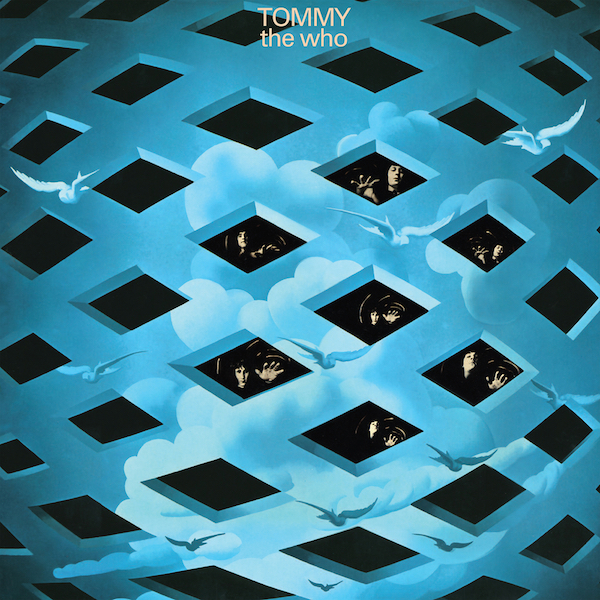
The Who: Tommy
This is the first record I can remember hearing as a kid. It put me in another world, and I was already new to this one! I used to answer the door at four years old for the mailman and tell him I was the Acid Queen like Tina Turner. I was obsessed.
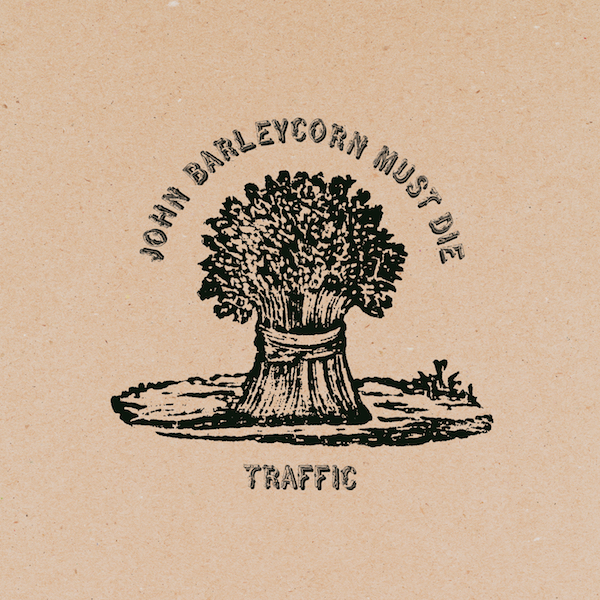
Traffic: John Barleycorn Must Die
When I was 12, I was trying to fit in at my school and asked my Uncle Chuck to take me to the record shop so I could buy a New Kids on the Block tape. Like I said, I was just tryin’ to fit in. We got to the shop and he made me buy Traffic instead. As soon as I heard the playfulness, soul and downright epic-ness of “Staring at Empty Pages,” I forgot all about my need for middle school acceptance.
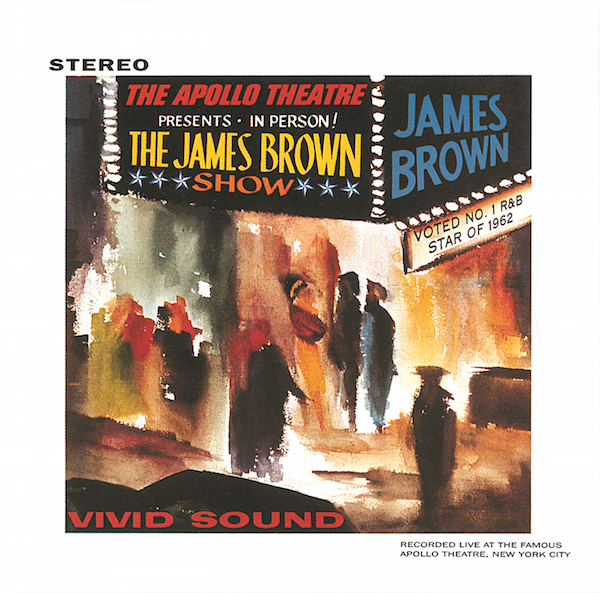
James Brown: Live at the Apollo
Many, many hours spent in my room to this record pretending I was there at the show dancing and throwing hands at my imaginary band. This record also made me seek out Maceo Parker records, which led to the Funky Meters, which led to Allen Toussaint and so on. James Brown was my gateway drug.
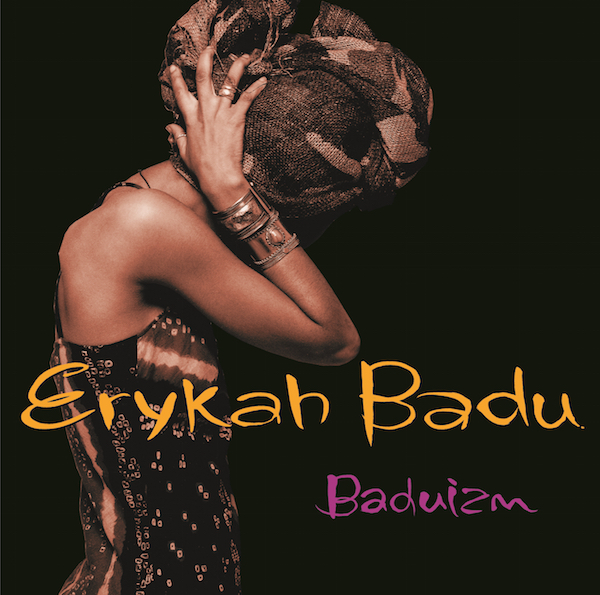
Erykah Badu: Baduizm
When I first heard this record, I thought it was so refreshing. Still do. It was a modern take on jazz and R&B, and it was so personal. She was a poet and so authentic, and I really felt like I knew her listening to this record. She wasn’t dialing in a style. It inspired me to start writing poetry and my own songs.
Denise James: It’s Not Enough To Love
Denise is a singer-songwriter from Detroit. I was working for her record label in 2004. I must’ve listened to this record on repeat that entire summer. It was classic songwriting in the style of Dan Penn and the production took a nod from 1950s’ girl groups. It inspired me to want to give the music my parents grew up with a place in my own time too.
Dan Wilson is a gray eminence looming in the shadows of the glamorous world of pop music. His career spans back to the late 1980s and leads up to critically-acclaimed and commercially successful songwriter and production credits for artists like Adele, Dixie Chicks, Chris Stapleton, John Legend, Dierks Bentley, P!nk, Taylor Swift and many others. He’s received a couple of Grammys on his way, but even though he’s highly cherished, he’s still an unknown name to broader audiences.
Wilson started out as a member of the alternative Minneapolis outfit Trip Shakespeare, led by his brother Matt, who released a number of great (and sadly overlooked) albums in the late 1980s and early 1990s (including gems like 1988’s Are You Shakespearienced? and 1990’s Across the Universe). While Trip Shakespeare was a pioneer band in the alternative ‘90s boom, his next band, Semisonic, turned out as a more commercially appealing act of its decade. The band is still mostly known for their major breakthrough single “Closing Time” from their charting 1998 album, Feeling Strangely Fine.
Semisonic demised in the early 2000s, but Dan Wilson has continued to craft great tunes both as a solo artist and working with others. He has become a highly sought-after songwriting collaborator. Mainly known for Grammy award winning “Not Ready to Make Nice” (co-written with Dixie Chicks) and “Someone Like You” (co-written with Adele), he also co-wrote nine songs on Phantogram’s album, Three.
Dan Wilson has also released a couple of wonderful solo albums. Love Without Fear (2014) is a particularly lovely and eclectic collection of songs, backed by folks like Blake Mills, Nickel Creek’s Sean Watkins and Dixie Chick Natalie Maines. His upcoming solo album, Re-Covered, is a collection of his reinterpretations of songs he wrote for and with other artists and will be released on August 4, 2017.
We invited Dan Wilson to share his list of 5 Albums That Changed His Life.
“I came of age musically in the ’70s, a great time for albums,” Wilson tells us. “Recording artists aspired to make great LPs, and listeners devoted the time to get immersed in them. Unlike now, at that time, it was commonly agreed that albums were among the highest forms of popular art — movies, paintings, albums. Singles were cool, but the real question was, ‘Can they make the great long playing record?’”
“So as a music lover and aspiring musician, I grew up dreaming of making albums as great as the ones that moved me and transported me to new places,” Wilson continues. “As Stevie Wonder said, ‘To the vision in my mind.’ I could probably make a ’Five Albums That Changed My Life’ list for every decade since 1970; there have been so many. But this list concentrates on early days and albums that set me on my path as a songwriter.”
Bob Dylan: The Times They Are A-Changin’
When I was in junior high school, I lived in a western suburb of Minneapolis called St. Louis Park. The route of the number 17 bus ran past both my high school and my house on its way uptown and then to downtown Minneapolis. It was about 25 minutes from my house to the Walker Library uptown. Walker Library had a collection of popular LPs, which you could listen to there or borrow. I was mostly interested in their Bob Dylan section. They had The Times They Are A-Changing, Bringing it All Back Home, John Wesley Harding and a bunch of other Dylan albums, and I listened to them all. But the one I kept going back to was The Times They Are A-Changing.
[The album] was so apocalyptic and prophetic. Dylan’s voice was resonant but calm, and he still managed to sound like a lone voice of rage on a mountaintop, heralding the doom of mankind. He made all the other singers seem soft and syrupy. The album had my favorite two sides of Bob Dylan, the romantic croon and the howl of outrage, but it leaned heavy on the latter: “Hollis Brown,” about a poor farmer murdering his starving family, “The Lonesome Death of Hattie Carroll,” “Only a Pawn in their Game” and the title song, one of my favorite songs ever. And on the crooner side, there was “Boots of Spanish Leather,” which still slays me.
Joni Mitchell: Hejira
I had heard a few of Joni Mitchell’s folk hits — “Both Sides Now” and “The Circle Game,” among others — when this album hit me like the number 17 bus. It wasn’t a folk album. Not even close. If anything, it was a rock album hybridized with jazz. I was already getting into jazz through Weather Report. That band’s bassist, Jaco Pastorius, affected me in the way I imagine Jimi Hendrix might have affected young musicians ten years earlier. And Jaco played on several of Hejira’s songs. His electric bass a liquid and bittersweet countermelodic voice to Joni’s wry and pitiless revelations. As she laid bare her own hypocrisies and fears, his bass flew up above her voice and cast a golden glow of hope on the songs. And she gave that bass all the room in the world. It was the best of jazz and pop in one record and I’ve never quite shaken the spell.
Stevie Wonder: Fulfillingness’ First Finale
I could do a “Five Albums that Changed My Life” with all Stevie albums. This album was the biggest revelation of them all. I first heard Fulfillingness’ First Finale in the basement of a friend. He played me the song “Heaven is 10 Zillion Light Years Away,” and it blew my mind. A pop song about God, religion, mankind’s fate, hope. It was almost too huge for me to take in and so very beautiful. This album also had fiery political protest: “You Haven’t Done Nothin’;” sexy love: “Creepin’;” breaking up: “It Ain’t No Use;” and the darkness of “They Won’t Go When I Go.” It had everything, a whole world in ten songs.
Liz Phair: Exile in Guyville
In 1991, I was trying to figure out how to write songs about my own life, my circle of friends, my small adventures and large-scale dreams in Minneapolis. My friends and rivals in the band scene seemed like enough of a cast of characters for a song, but I wasn’t sure how to write it. So when Exile in Guyville came along, it was doubly funny and joyful for me. First, even though she was writing about the scene in Chicago, it might as well have been my friends she was skewering for their contradictions and covertly retro values. I recognized those people and laughed along with Phair’s ultra-frank narrator. And second, she was showing me, through the example of this album, how one’s own circle of friends and lovers could be more than enough to populate a lifetime’s worth of songs.
Oasis: (What’s the Story) Morning Glory?
“Live Forever,” from Oasis’ first album Definitely Maybe, was already enough to put that band’s songwriter Noel Gallagher into my personal pantheon of rock. But Morning Glory took it to the next level. “Some Might Say,” “Champagne Supernova,” “Wonderwall,” and “Don’t Look Back in Anger” were all first-listen classics to my ears, and they’re still shockingly fresh and alive. How much nonsense can you pack into a song and still have it make perfect sense? How little heavy metal can you include in a song and still have it rock? How much hopeful uplift can shine around the snarl of dimed Marshall stacks? When that album came out, I felt a rush of permission. You could make great rock records without being able to sing like Chris Cornell or Layne Staley. What a relief! Not that I sounded much like Liam Gallagher either when I sang, but on a good day, I could keep pace with his brother, Noel.
Legendary post-hardcore outfit Fugazi is one of the most important, respected and influential bands of 20th century American underground. Playing a crucial role in the growth of the alternative music scene, its musical, political and social legacy can hardly be overstated.
Between forming in 1986 and entering an indefinite hiatus in 2003, Fugazi crafted a remarkable album catalogue, always pushing forward and tapping into the unknown with each new recording. Their legacy is important on so many levels: from contextualizing the DIY punk spirit and spreading the straightedge ethos, to shaping the sound of multiple genre in their wake, including indie rock, emo and post-hardcore.
Washington, D.C., was the hardcore capitol of the 1980s (also known as ‘harDCore’), with Fugazi bandleader Ian MacKaye playing a central role from early on. Back in the late ‘70s, MacKaye played in the landmark hardcore band the Teen Idles, which is, in part, how he and Jeff Nelson came to found the now-legendary record label Dischord in 1980. By the time Dischord released the Idles’ debut EP, Minor Disturbance, the band had already evolved into iconic hardcore outfit Minor Threat, which Nelson played drums in.
Alongside fellow D.C. act Bad Brains and Southern California’s Black Flag, Minor Threat are credited for setting the standard for all hardcore to come. With their song “Straight Edge,” they became synonymous with a punk subculture that abstained from using drugs, alcohol and tobacco.
By the mid 1980s, the hardcore scene had gradually immersed into a stagnant musical force characterized by violent, reckless behavior, on and off stage, and Ian MacKaye confronted those consequences by dissolving Minor Threat entirely. He then started up Embrace, a short-lived band connected to the 1985 ‘Revolution Summer’ movement (together with Rites of Spring, Dag Nasty and others), who took a clear stance against the violence and sexism plaguing the hardcore punk scene. A year later Fugazi was born.
Composed of MacKaye (guitar, vocal), Dag Nasty’s Colin Sears on drums (soon to be replaced by Rites of Spring drummer Brendan Canty) and Joe Lally on bass, the band’s lineup solidified when Rites of Spring’s Guy Picciotto (guitar, vocal) joined full-time in 1987.
Fugazi rejected the standard hardcore motifs in favor of a something much more dynamic, complex and exploratory. Not too unlike the Clash, PIL or Gang of Four a couple of years prior, Fugazi embraced reggae, dub, funk, art rock and post-punk and became a paragon for legions. Twenty years later, highly inventive albums like Repeater (1990) and Red Medicine (1995) still shine. Fugazi reached their artistic zenith with the critically acclaimed sixth album, The Argument (2001). They’ve been on hiatus since 2003.


 In the late 1970s Los Angeles was a key hub for punk rock and hardcore music, spawning crucial bands like Black Flag, Germs and Circle Jerks. At the turn of the decade, just as that boom started to fade, a new generation rolled into town keeping the untamed punk spirit alive while reverberating echoes of the pre-punk era.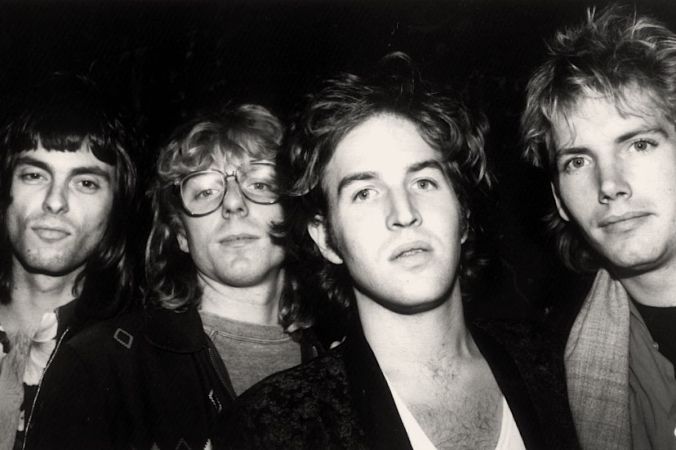



 The Siren’s Song is the freshly released, Jeff Tweedy-produced fourth album from Saskatchewan folk duo of cousins Kacy Anderson & Clayton Linthicum.
 Lauded North Carolina-based singer-songwriter Lizz Wright is about to release her new, highly anticipated album GRACE, a deeply rooted, spiritual collection of songs that reveal her close connection to her Southern heritage and candid commentary on the region’s current political and social upheaval.
 Folk-pop outfit Lenore. is the story of two trained singer-songwriters about to withdraw from the music scene: Rebecca Marie Miller following her time as harmony vocalist in The Mynabirds and Joy Pearson burning out after a recent divorce.
 Blank Range is a new quartet out of Nashville, blending gritty vocals with bluesy guitar licks, a colorful flavor of cosmic country and good ol’ rock & roll. The four-piece has just dropped their debut album Marooned with the Treasure via Sturdy Girls Records / Thirty Tigers. Blank Range have toured in support of Death Cab for Cutie, The Mountain Goats and the Drive-By Truckers and will be out with Jessica Lea Mayfield and the Mountain Goats this August. Get to know this exciting quartet a little better.
 John Prine: John Prine
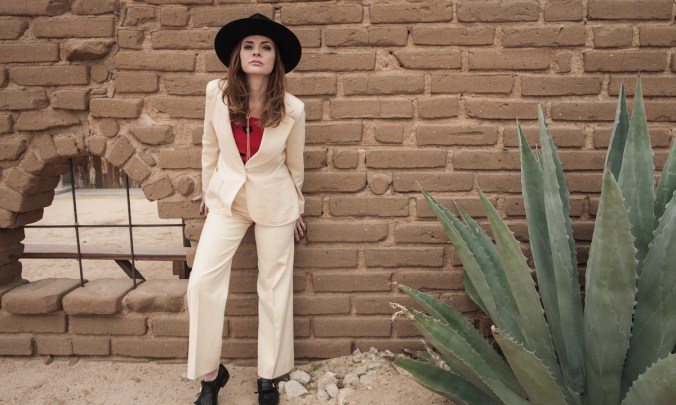 Los Angeles-based singer/songwriter Suzanne Santo, better known as one half of Americana duo HONEYHONEY, released her solo debut, the Butch Walker-produced Ruby Red on August 11th.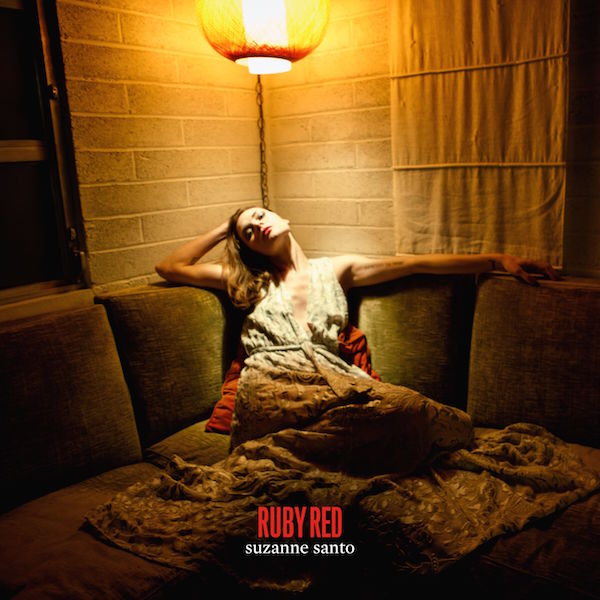
 It has been said that Nicole Atkins is untethered to decade or movement, or even the whim of the hipster elite. Drawing inspiration from soul and R&B, 1950s crooners and girl groups and the Brill Building School of Classic Songwriting, Atkins is closer to being the heir to the legacy of Roy Orbison, Frank Sinatra, Aretha Franklin, Dusty Springfield and Carole King.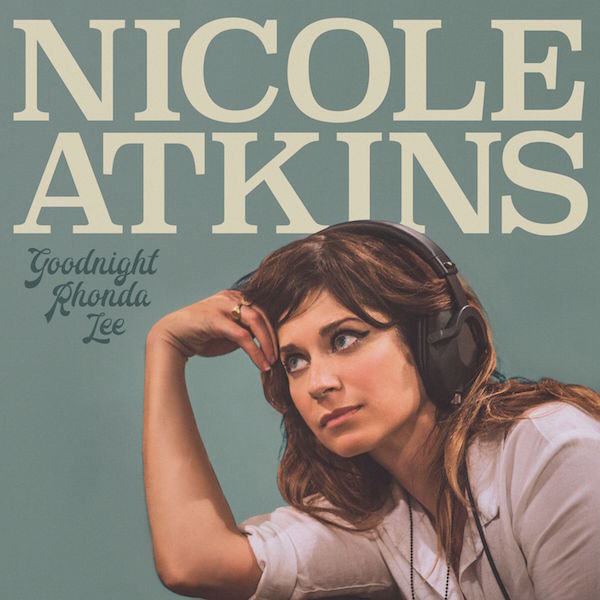

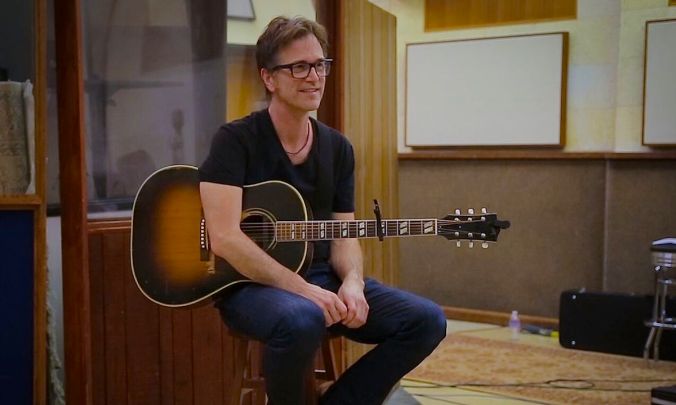 Dan Wilson is a gray eminence looming in the shadows of the glamorous world of pop music. His career spans back to the late 1980s and leads up to critically-acclaimed and commercially successful songwriter and production credits for artists like Adele, Dixie Chicks, Chris Stapleton, John Legend, Dierks Bentley, P!nk, Taylor Swift and many others. He’s received a couple of Grammys on his way, but even though he’s highly cherished, he’s still an unknown name to broader audiences.
 Bob Dylan: The Times They Are A-Changin’
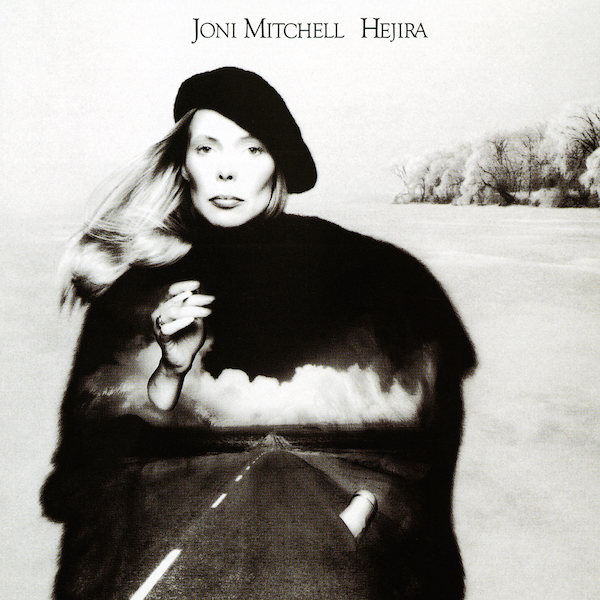 Joni Mitchell: Hejira
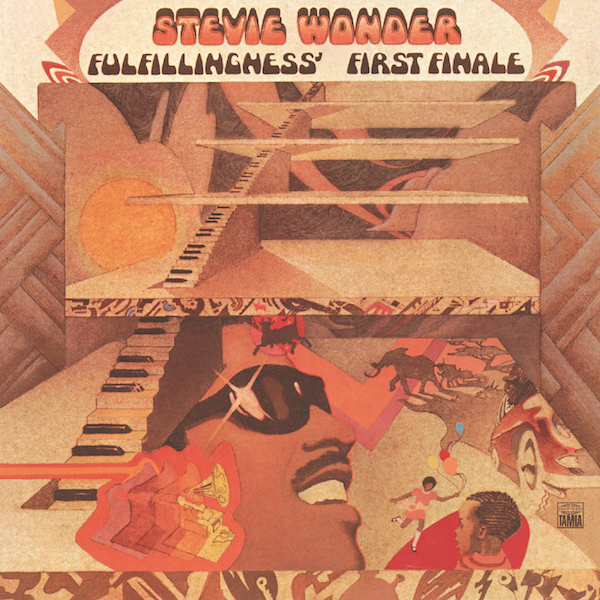 Stevie Wonder: Fulfillingness’ First Finale
 Liz Phair: Exile in Guyville
 Oasis: (What’s the Story) Morning Glory?
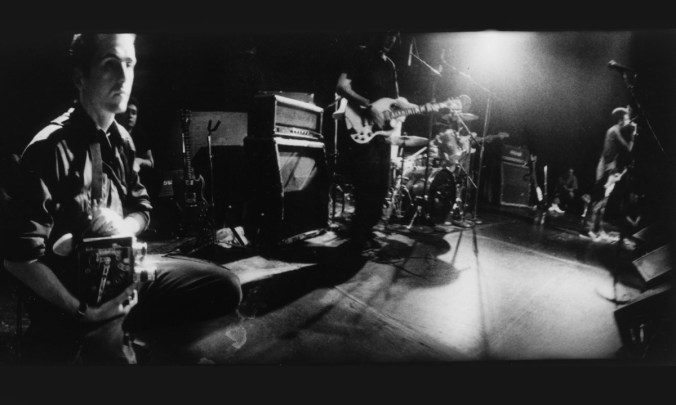 Legendary post-hardcore outfit Fugazi is one of the most important, respected and influential bands of 20th century American underground. Playing a crucial role in the growth of the alternative music scene, its musical, political and social legacy can hardly be overstated.
 The Big Beast