 The birth of the Civil Rights Movement in the 1950s marked the beginning of a social, political and cultural revolution that drastically changed American society.
What began as a peaceful and pacifistic movement aimed at ending racial segregation, embodied by protest marches, sit-ins, Freedom Riders and figures like Rosa Parks and Martin Luther King, Jr., gradually evolved and splintered into a more militant climate. While legal and symbolic victories like the defeat of Jim Crow laws were major milestones of progress, they did not necessarily lead to better living conditions for the common man, and from the mid-1960s onward many started seeking different strategies for socio-political empowerment, leading to the rise of Black nationalism.
Black nationalism and separatism challenged the Civil Rights Movement, with ‘Black Power’ used as a strong political slogan emphasizing racial pride and the creation of black political and cultural institutions. Key leaders of this movement included Stokely Carmichael, Malcolm X and Bobby Seale, co-founder of the Black Panther Party. Along with intensified friction within the different fractions, the combination of inner city riots, the Vietnam War and economic downtimes added fuel to the fire in the late ’60s and early ’70s. And there’s a straight line connecting that era and the ongoing debates about police brutality, economic inequality, mass incarceration, underrepresentation and other major disadvantages still facing African Americans in 2016.
Black Power had a significant impact on pop culture and music, not the least of which occurred in the decade between 1965 and 1975.
In his book Listen Whitey! The Sights and Sound of Black Power, Pat Thomas writes: ‘As the Black Power movement expanded, it influenced established artists such as Marvin Gaye, James Brown and the Isley Brothers. The movement would shape the voice of emerging songwriters like Sly Stone and Gil Scott-Heron (…). It would force Jimi Hendrix (…) to reconsider his apolitical stance. There would be rank-and-file Black Panther members like Nile Rodgers of Chic and Chaka Khan of Rufus who would go on to pop music fame in the 1970s.’
Below are just some album covers with a discernible message related to Black Power, resistance and consciousness, albums as worthy of seeing as they are worth listening to, chronologically connecting Max Roach and Gil Scott-Heron with Nas and Kendrick Lamar.
* * *
Max Roach:
We Insist! Max Roach’s Freedom Now Suite
(Candid, 1960)
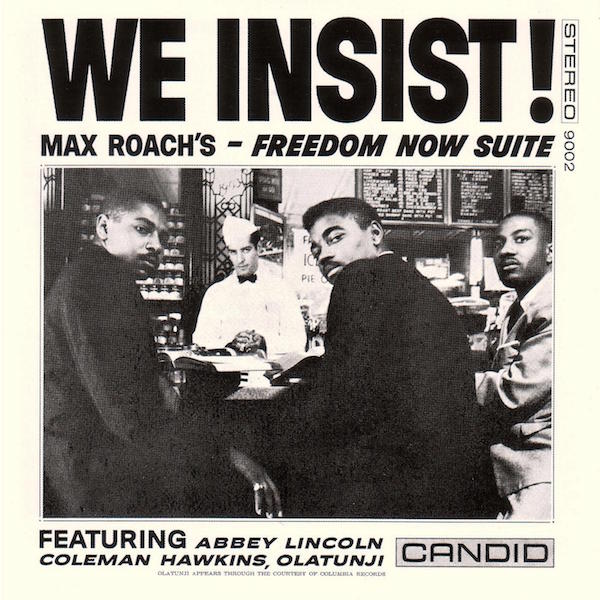
This avant-garde jazz album led by drummer Max Roach consists of five parts concerning the Emancipation Proclamation and the growing African independence movements of the 1950s. All Music Guide calls the record a ‘pivotal work in the early-’60s African-American protest movement [that] continues to be relevant in its message and tenacity. It represents a lesson in living as to how the hundreds of years prior were an unnecessary example of how oppression kept slaves and immigrants in general in their place.’ The cover references the sit-ins of the Civil Rights Movement: a black-and-white photograph of three black men in a diner, staring directly into the camera while being tended by a white waiter behind the counter. The image might seem like an ordinary scene today, but in 1960 it was certainly meant as a political and provocative statement.
Elaine Brown:
Seize The Time – Black Panther Party
(Vault, 1969)
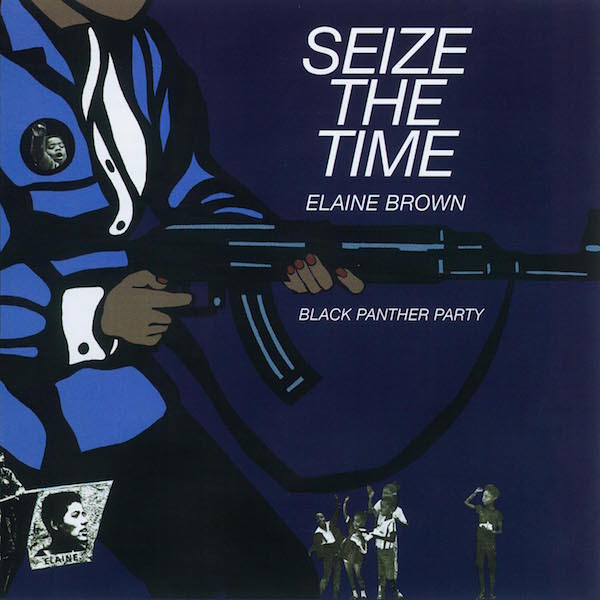
Songwriter and pianist Elaine Brown was among the most noteworthy musicians to emerge from within the Black Panther movement. Her debut album, Seize the Time, includes the Panther anthem “The Meeting.” In a 1970-printed ad for the album, Brown herself writes: ‘Songs are a part of the culture of society. Art, in general, is that. Songs, like all art forms are expressions of feelings and thoughts. A song cannot change a situation, because songs do not live or breathe. People do. And so the songs in this album are a statement – by, of and for the people. All the people.’ The cover was made by Panther-illustrator Emory Douglas and it’s strikingly symbolic both in the use of the AK-47 (a symbol of solidarity with the North Vietnamese) and the fact that the hands holding the gun are wearing nail polish. In other words, black and female power combined.
Sun Ra:
The Nubians of Plutonia
(Saturn Research 1959/1966; below cover featured on 1974 Impulse re-release)

The Nubians of Plutonia dates back to the late 1950s, when it was originally recorded, but it wasn’t released for almost a decade, ultimately on Sun Ra’s own Saturn label in 1966. It’s a groundbreaking cosmic jazz masterpiece its own right, laced with tribal African grooves and hints of funk and space-age exotica, but the main reason for featuring the album here is the stunning artwork from the 1974 reissue on Impulse. The label acquired the rights to 21 albums originally made on Saturn, cleaning up the sound and providing them with brand new full-color covers, and the design for The Nubians of Plutonia is especially wonderful, embracing its afro-centric focus in line with the pan-African vibes of the era.
Gil Scott-Heron:
A New Black Poet: Small Talk at 125th and Lenox
(RCA, 1970)
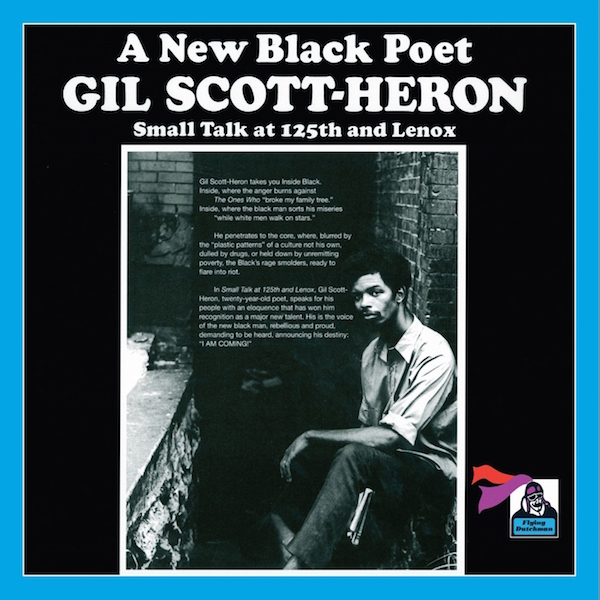
Gil Scott-Heron was only 21 years old at the time of his debut album’s release, a poignant and politically passionate set of spoken-word, percussive rhythms (bongo drums and congas) and proto-rapping recorded live in a New York City nightclub located at the address indicated by the title. The album, along with Scott-Heron’s greater career, is widely considered a presage of hip-hop, and includes the iconic and heavily-sampled “The Revolution Will Not Be Televised.” The black-and-white cover photo by Charles Stewart captures Scott-Heron in a back alley, with a written introduction on him as the centerpiece: ‘He is the voice of the new black man, rebellious and proud, demanding to be heard, announcing his destiny: ‘I AM COMING!”
The Upsetters:
The Good, The Bad And The Upsetters
(Trojan, 1970)
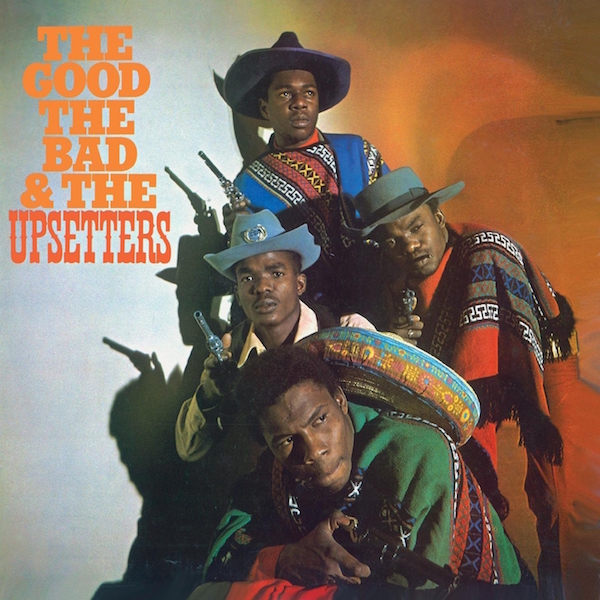
Not exactly a cover referring to anything associated with the Black Power movement, but a wonderful shot in its own right with The Upsetters posing in Spaghetti Western garb. This album stirred conflict on a different matter, though. The Upsetters were the house band for legendary Jamaican producer Lee “Scratch” Perry, and the original U.K. edition of The Good, The Bad And The Upsetters was released on Trojan in 1970 without Perry’s involvement. Angered by this, Perry issued another version of the album in Jamaica using the same Trojan album artwork but with totally different songs on it.
Joe McPhee:
Nation Time
(CjR, 1970)
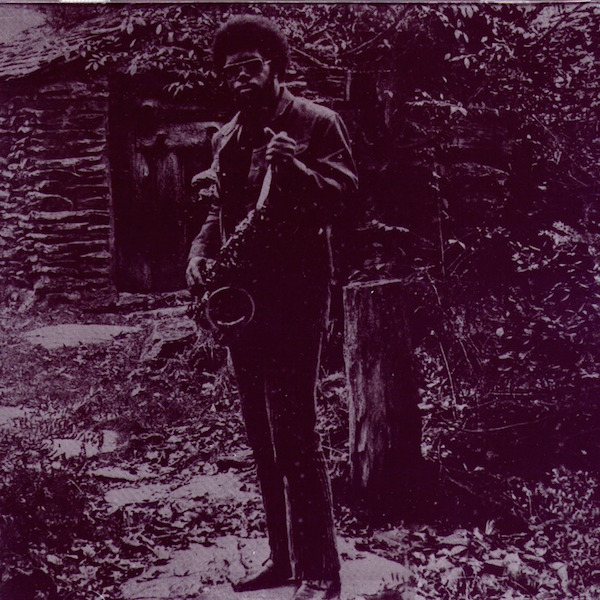
This free jazz masterpiece by saxophonist and trumpeter Joe McPhee, once described by The Guardian as ‘a grinning punk cousin to Miles Davis’s brutal and brilliant Bitches Brew,’ is closely connected to the emerging Black Power movement. Nation Time was recorded live at the Urban Center for Black Studies at Vassar College in 1970, where McPhee himself taught classes in ‘Revolution in Sound.’ The album sounds as groundbreaking today as it did back in 1970, and is a total must-hear. On the cover, shot by photographer Ken Brunton, McPhee is posing in a Black Panther-style outfit, holding the saxophone instead of a gun, in front of an old slave-shack. Bringing the African call-and-response tradition into the Black Power movement, McPhee shouts out the rhetorical question, ‘What time is it??,’ in the title track, with the audience enthusiastically chanting back, ‘It’s Nation Time!!’
Isaac Hayes:
Black Moses
(Stax/Enterprise, 1971)

Black Moses is the fifth album by legendary soul singer Isaac Hayes, following up his soundtrack to Shaft with yet another chartbuster. This was his second double-LP of 1971, his second consecutive release to top the Billboard R&B chart, and his second consecutive Grammy-winner. Stax Records boss Dino Woodward is credited for coming up with the ‘Black Moses’ tag. As pulled from the book Soulsville U.S.A.: The Story of Stax Records: ‘Dino said, ‘Man, look at these people out there,’ explains Isaac. ‘Do you know what you’re bringing into their lives? Look at these guys from Vietnam, man, how they’re crying when they see you, how you helped them through when they was out there in the jungle and they stuck to your music. You like a Moses, man. You just like Black Moses, you the modern-day Moses!’ Hayes himself disapproved of both the title and the concept, but changed his mind after release. The LP itself came in iconic packaging: a fold-out, cross-shaped cover showing him as a modern-day Moses. “It raised the level of black consciousness in the States,” he later said. ‘People were proud to be black. Black men could finally stand up and be men because here’s Black Moses, he’s the epitome of black masculinity. Chains that once represented bondage and slavery can now be a sign of power and strength and sexuality and virility.’
The Last Poets:
This is Madness
(Douglas, 1971)
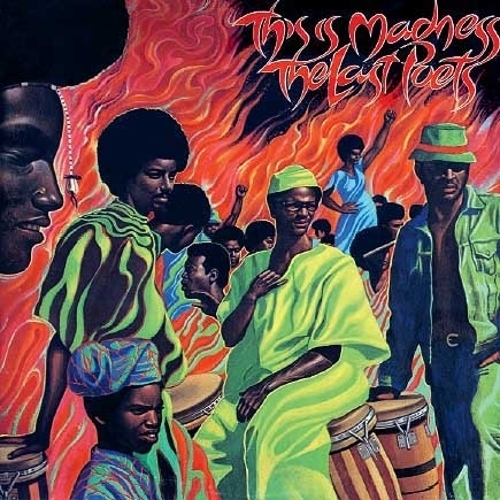
Closely linked with the Black Panthers and Black Nationalism, The Last Poets performed their live debut in Harlem in May 1968, at an event marking the recent killing of Malcolm X. They described their music as ‘jazzoetry,’ combining jazz, poetry and rapping. The cover for This is Madness, in striking colors and raised fists, is a painting by Abdul Mati and based on a photograph by Bilal Farid.
The Pharaohs:
The Awakening
(Scarab, 1971)
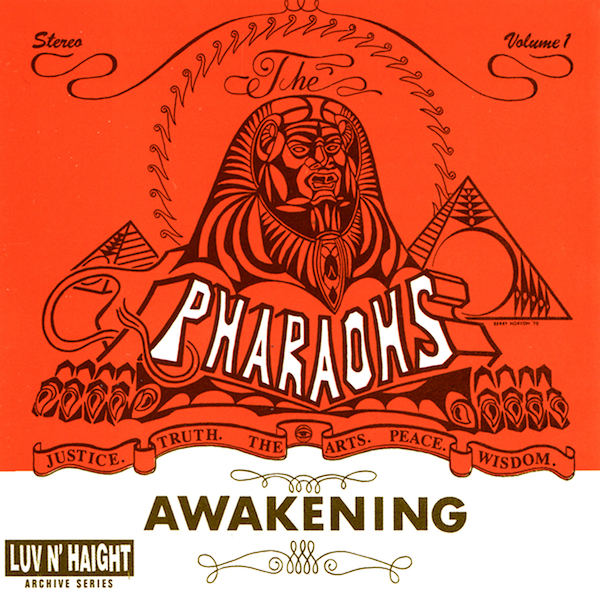
Rooted on the South Side of Chicago, The Pharaohs were closely connected to Chess Records (the esteemed label known as a quality stamp for funk, blues, rhythm & blues, jazz and soul), formed in part by a group called the Jazzmen and the Afro Arts Theatre and the Association for the Advancement of Creative Musicians (AACM) in Chicago. On the back cover they describe their debut album as ‘the sounds of the pygmies blended with the Soul Sounds of 39th street in Chicago.’ The cover itself is mixes Egyptian imagery (a style Earth, Wind and Fire later would employ) and pan-African interest. From the flipside of the LP version: ‘Once upon a time there is a group of young men who came together and formulated a dream. They dared to dream that hey could create an approach to the arts that would encompass their experiences in America, the soul of their motherland… Africa, and the spirit of the oneness of the Universe.’
Pharoah Sanders:
Black Unity
(Impulse!, 1971)
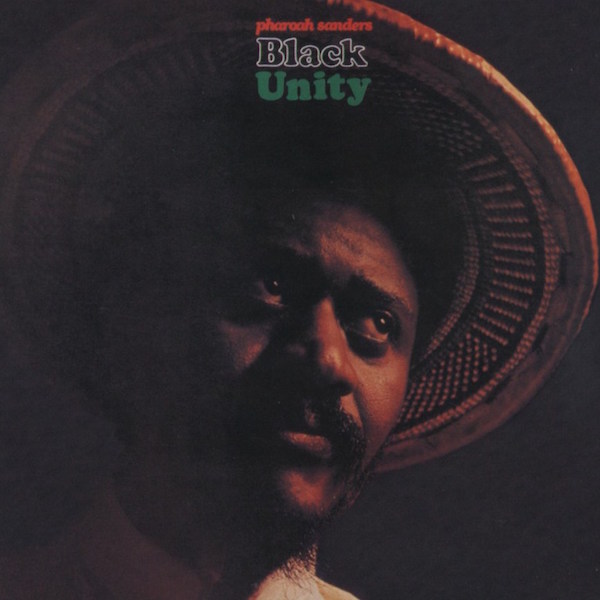
Gigging with the likes of Don Cherry, Sun Ra and John Coltrane, Pharoah Sanders turned out to become one of the most revolutionary jazz saxophonists of all time and a key figure in pioneering astral jazz. Black Unity is truly essential listening, a 37-minute long, tight, rhythmic and energetic improvisational piece that fully embraces the pan-African ideals of the time. All Music Guide describes it as ‘pure Afro-blue investigation into the black sounds of Latin music, African music, aborigine music, and Native American music.’ The multi-ethnic musical amalgam and spiritual freedom is equally reflected in the music, the title and on the front cover.
Bob Marley & The Wailers:
Soul Revolution Part 2
(Upsetter, 1971)

Soul Revolution Part 2 was released in Jamaica, as a kind of sequel to Soul Rebels the year prior, and was a part of Bob Marley & The Wailers’ collaboration with Lee ‘Scratch’ Perry. The album, not properly released outside of Jamaica for several decades, found them moving further away from their ska and rocksteady roots and into an early form of reggae. Their growing social concerns are being elevated to new heights with this original album cover art, showing the band dressed in full guerrilla warfare outfit, armed and ready for action. The rifles were perhaps fake, but he imagery is still as stark today.
The Watts Prophets:
Rappin’ Black In A White World
(Ala, 1971)
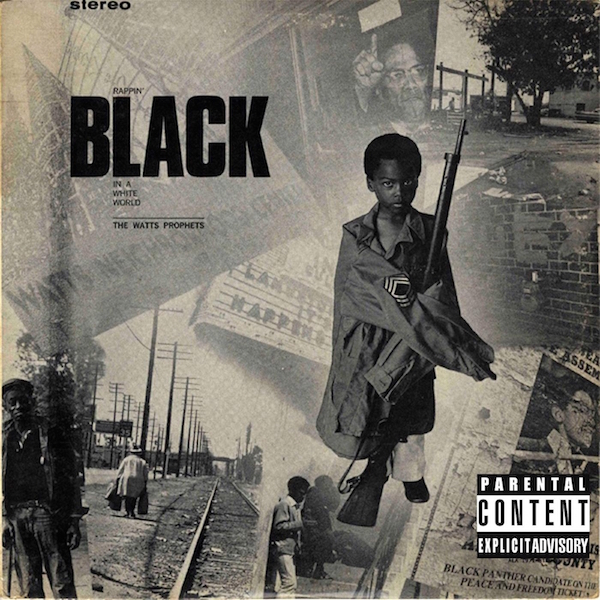
The West Coast equivalent to Harlem’s The Last Poets (above), The Watts Prophets (from Watts, Los Angeles) is a group of musicians and poets. Beginning in the late 1960s, their combination of jazz and socially conscious poetry made them (like The Last Poets) among the forerunners for establishing hip-hop as a music form. Actually, the title itself is supposedly the first time ‘rappin’ came into use, and The Watts Prophets have been described a living bridge from the Civil Rights of the ’60s to the Hip Hop generation of today.
Miles Davis:
On the Corner
(Columbia, 1972)
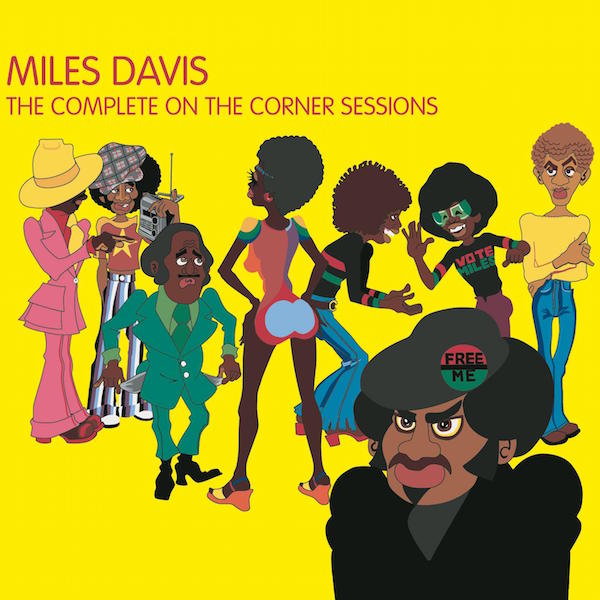
It received lousy reviews, didn’t sell, and has been called ‘the most hated album in Jazz.’ But history has proven many of the worst critics wrong, and today On the Corner is rightfully considered one of Miles Davis’ best and one of the most influential albums of all time. Miles mixed rock, jazz and funk in a way that is hailed as a proto-album both for hip-hop and electronic music, and All Music Guide says ‘the music on the album itself influenced every single thing that came after it in jazz, rock, soul, funk, hip-hop, electronic and dance music, ambient music, and even popular world music, directly or indirectly.’ Miles Davis aimed to reconnect with the African-American communities for this album, and the cover art mirrored the social transformations of the time. He also named one of the tracks “Mr. Freedom X,” in reference to Malcom X.
Huey Newton:
Huey! Listen, Whitey!
(Folkways, 1972)

Huey P. Newton, one of the founding members of the Black Panther Party, was arrested in the late 1960s on charges of shooting a police officer. An album in two parts, Huey! is a representation of the support Newton received from the Panthers and other members of the community during his trial, while Listen Whitey! chronicles the reaction of the black community immediately following the assassination of Dr. Martin Luther King, Jr. Unrehearsed, the people’s voices on this album offer an unblemished glimpse of two difficult moments in African American history. The album’s cover shows Stokey Carmichael at the lectern of the Oakland Auditorium in February, 1968, speaking at the “Free Huey Rally.”
Eddie Kendricks:
People… Hold On
(Tamla/Motown, 1972)
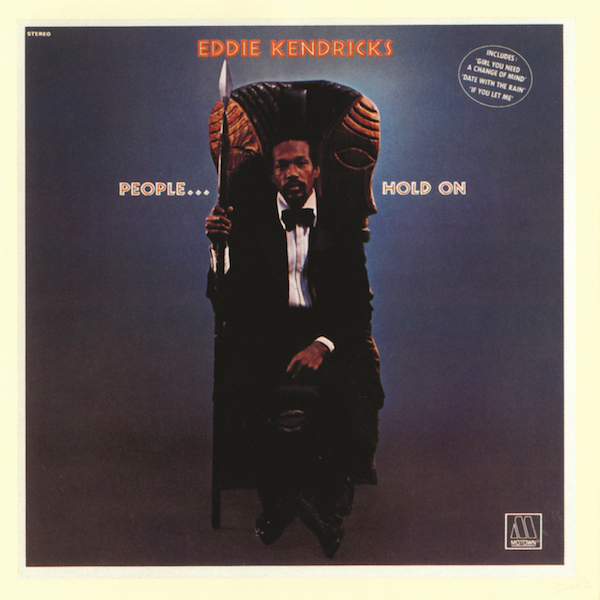
Led by the club hit “Girl You Need a Change of Mind,” the second solo album from the former Temptations vocalist Eddie Kendricks turned out to be his breakthrough. The album cover is a remake of the iconic photo of Huey Newton, conceived by Eldridge Cleaver, with Kendricks sitting in a large African chair, spear in hand.
Jimmy Cliff:
Struggling Man
(Island, 1973)

The title might refer to the strife Jimmy Cliff went through following the death of his producer Leslie Kong’s in 1972. As All Music Guide writes: ‘it’s the intensity of the singer’s struggle during this period that fuels this set, his pain, confusion, and turmoil are raw, packing the set with an emotional intensity that he’ll never quite equal elsewhere.’ The album cover itself combines his emotional turmoil with inner city despair. The drawing by David Dragon shows a rather grim street with empty-looking faces strolling behind Cliff as the focal point. A struggling man, in a struggling world, this is a great reggae album with an iconic cover.
Curtis Mayfield:
There’s No Place Like America Today
(Curtom, 1975)
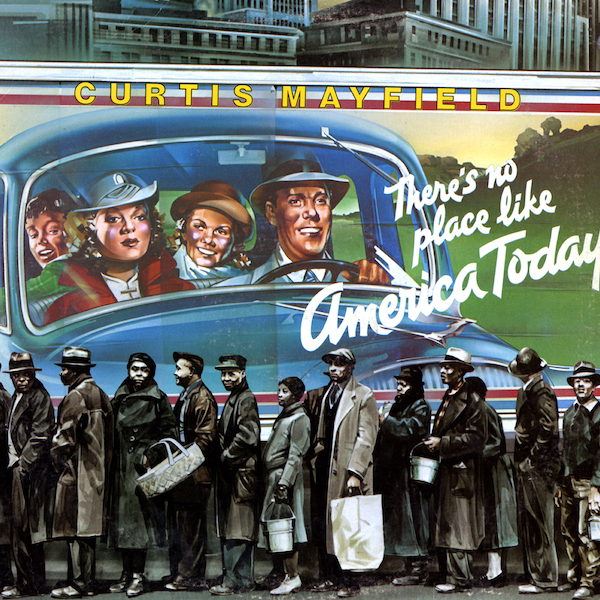
This album cover is based on a famous photograph by Margaret Bourke-White of flood victims, originally published in the February 15, 1937 edition of LIFE magazine. When David Bennun revisited this underrated classic for The Quietus, he wrote of the cover: ‘He couldn’t have picked a more apt one; the record evokes its own time and place as surely as the picture represents the chasm between American dreams and street-level reality. 1975 was, for many in the cities of the USA, a particularly wretched time, one which even now carries the aura of winter, of hangover, of chills and meanness and struggle.’
Steel Pulse:
Tribute to Martyrs
(Island, 1979)
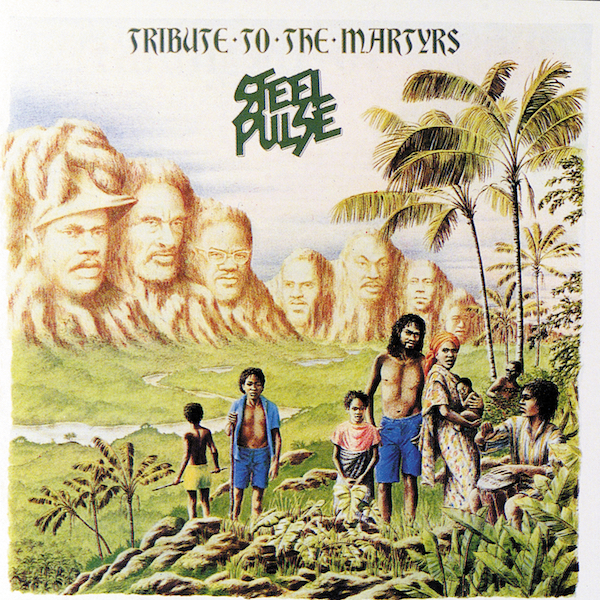
Tribute to the Martyrs is the second studio album by English roots reggae band Steel Pulse. The album cover, illustrated by Jene Hawkins and designed by Bloomfield & Travis (Barrington Levy, John Cale), is packed with socio-political references. The scene’s background features an alternative Mount Rushmore-styled carving of seven heads, composed of Malcolm X, Steve Biko, Martin Luther King, Jr., Jamaican Pan-Africanist Marcus Garvey, Emperor Haile Selassie and others, who look over an island-dwelling family exploring their homeland.
Bad Brains:
Bas Brains
(ROIR, 1982)

The first LP by Bad Brains is a seminal masterpiece. The D.C. band of African-American Rastafarians, in itself an anomaly in hardcore circles, came to be known as pioneers in the way they fused punk, hard rock and reggae. Their debut album is not only considered a masterpiece in the evolving of hardcore, but stands out as one the strongest albums of its decade no matter the genre. Commonly known as one the fastest albums ever recorded at the time of its 1982 release, this crucial record features classics cuts like “Banned in D.C” and “Pay to Cum.” And of course its striking yellow, green and red cover art depicting the dome of the United States Capitol building being split apart by thunder and lightning.
Public Enemy:
It Takes A Nation Of Millions To Hold Us Back
(Def Jam, 1988)

On their iconic second album, Public Enemy set out to make an updated version of Marvin Gaye’s socially conscious What’s Going On, with the goal to ‘teach the bourgeois and rock the boulevards.’ This landmark LP, one of the greatest, most important and influential hip-hop albums ever made, sports an equally striking cover art of Chuck D and clock-wearing Flavor Flav behind bars. No way any jail could stop this revolution.
The Roots:
Things Fall Apart
(MCA/Geffen, 1999)
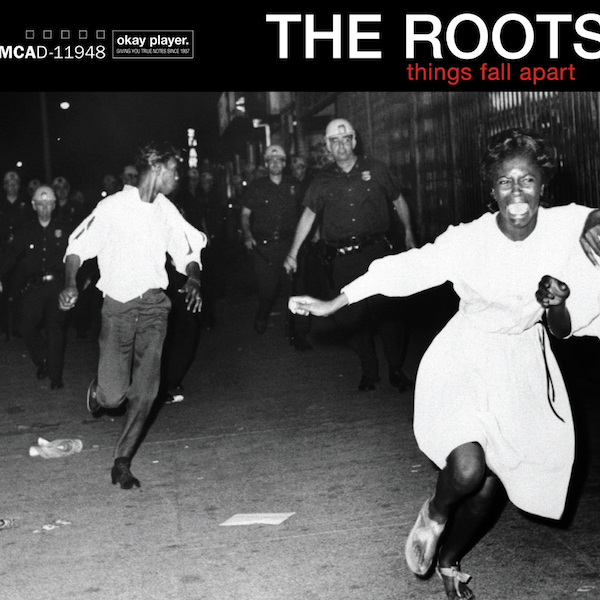
Things Fall Apart was The Roots’ breakthrough album, earning them a Grammy and Platinum sales, and hailed as a cornerstone for conscious rap. They borrowed the album title from the highly acclaimed 1958 novel by Nigerian author Chinua Achebe, considered an essential writer on African identity, nationalism and decolonization. The default album cover (it came in five different versions) is a picture from the 1960s, shows police chasing two African-American teens on the streets of Bedford-Stuyvesant, Brooklyn during a riot. Art director Kenny Gravillis later described it like something the urban community could really relate to: ‘Seeing real fear in the woman’s face is very affecting. It feels unflinching and aggressive in its commentary on society.’
Dead Prez:
Let’s Get Free
(Columbia, 2000)

The debut album by politically-charged hip-hop duo Dead Prez has been called the most politically conscious rap since Public Enemy, raising awareness of inner-city issues like racism, police brutality, education and political injustice. They also touch on Pan-Africanism in their lyrics (‘I’m an African/Never was an African-American’) and the Black Panthers (‘I don’t believe Bob Marley died from cancer/31 years ago I would’ve been a panther/They killed Huey cause they knew he had the answer/The views that you see in the news is propaganda’). Their call to action, revolution and Black liberation is clearly reflected in the album cover, an photo of South African schoolchildren raising their rifles during the 1976 Soweto uprising, fighting for their right to education under an oppressive regime.
Nas:
Untitled
(Columbia, 2008)
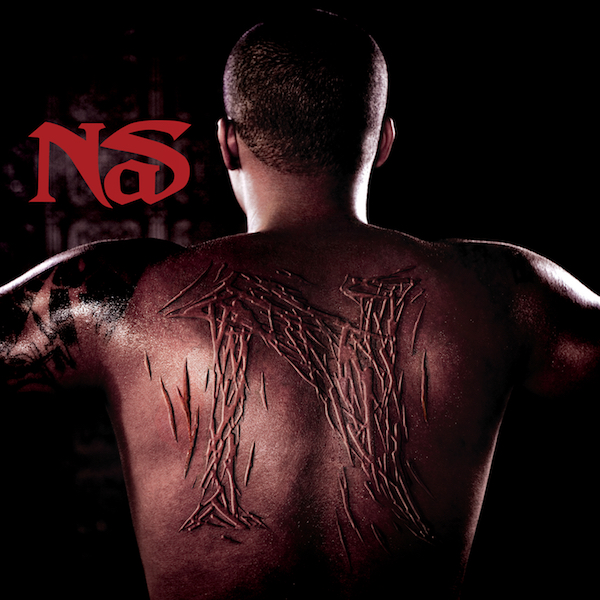
Nas changed the title of this album from the full N-word to just calling it Untitled, keeping the N brandished into his back depicting the whippings common in the age of slavery. In a 2008 interview with CNN, Nas explained how he didn’t seek out to upset on the original title, but rather to upend a society that focuses more on pejoratives than the racial plights that spawn them: ‘There’s still so much wrong in the whole world with people – poor people, people of color – I just felt like a nice watch couldn’t take that away, make me forget about that. A nice day on a yacht with rich friends couldn’t make me forget about reality, what’s going on. That’s why I named the album that – not just that the word is horrible, but the history behind the word, and how it relates to me, how it’s affected me, offended me.’
Kendrick Lamar:
To Pimp a Butterfly
(Aftermath/Interscope, 2015)

This feature end with one of the most strikingly symbolic album covers of recent times: Kendrick Lamar holding a baby in front of the White House with a group of basically shirtless young men flashing cash and champagne (and what appears to be a dead or passed out white judge laying on the lawn underneath them). To Pimp a Butterfly is packed with references of black American music and culture, including some of the albums and artists already mentioned above. This is the picture of the aftermath of the very same black revolution first subtly indicated by Max Roach on top of this list, seeking the same kind of liberation and freedom that has here finally been crossed out like the eyes of the judge.
* * *
Sources & Links of Interest:
Pat Thomas: Listen Whitey! The Sights and Sound of Black Power, 1965-1975 (Fantagraphic, 2012)
Giles Peterson and Stuart Baker: Freedom Rhythm & Sound: Revolutionary Jazz Original Album Art 1965-83 (SJR, 2009)
Ashley Kahn: The House That Trane Built: The Story of Impulse Records (Granta, 2006)
The Independent: Heart on sleeves: 50 years of Jamaican album covers tell the story of a nation
Dangerous Minds: Isaac Hayes’ Black Moses – The Story of One of the Greatest Album Covers Ever
The Quietus: Revisiting Curtis Mayfield’s There’s No Place Like America Today
42 Reggae Album Cover Designs: The Art & Culture of Jamaica
Complex: Art Director Kenny Gravillis Tells the Stories Behind The Roots’ 5 “Things Fall Apart” Album Covers
Let’s Get Free: Living Hip-Hop History Fifteen Years Later
The Guardian: Kendrick Lamar’s To Pimp a Butterfly album cover: an incendiary classic
Smithsonian Folkways
Wikipedia
AllMusicGuide
 Tompkins Square is the small but highly-respected label out of San Francisco. Founded and largely run alone by Josh Rosenthal, the young indie imprint is most renowned for their exquisite sense of quality and their deep diggings into the forgotten crates of 20th century American music.
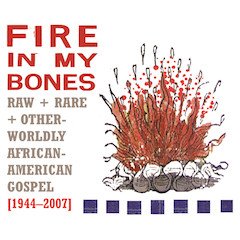 They have shed new light on old artists like Robbie Basho, Charlie Louvin and Tim Buckley, also releasing new artists like Hiss Golden Messenger, Daniel Bachman and James Blackshaw. In just a decade Tompkins Square has also earned a well-deserved reputation for their archival collections, such as the Grammy-nominated box set People Take Warning! Murder Ballads & Disaster Songs, 1913-1938 and the fantastic gospel collection Fire In My Bones!: Raw + Rare + Otherworldly African-American Gospel, 1944-2007

 Did you have an initial idea back then on what the label should be and how it could evolve in the future?
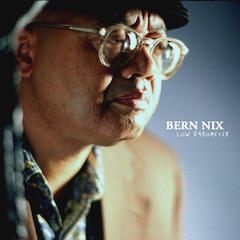 Guitarist Bern Nix’s album Low Barometer was one of the first albums I recorded. Bern played with Ornette Coleman, and I used to see him around my neighborhood in the East Village. His harmolodic approach to guitar is fascinating and he is a giant of improvisation. Like Derek Bailey, not always the easiest listen, but a very satisfying one if you put yourself to the test.
 Sharon Van Etten emailed me cold in 2009 and told me to check William out. I didn’t know who she was at the time, it was a random email. So I signed Will, and then he told me about Hiss Golden Messenger, who I signed, and then Michael Taylor from HGM produced Alice Gerrard’s album, Follow The Music, which got Alice her first Grammy nom at age 80. All from one email! His LP [Behold The Spirit], with its sweeping arrangements, changed the game for acoustic guitar records. Everyone who follows the American Primitive genre knows this by now.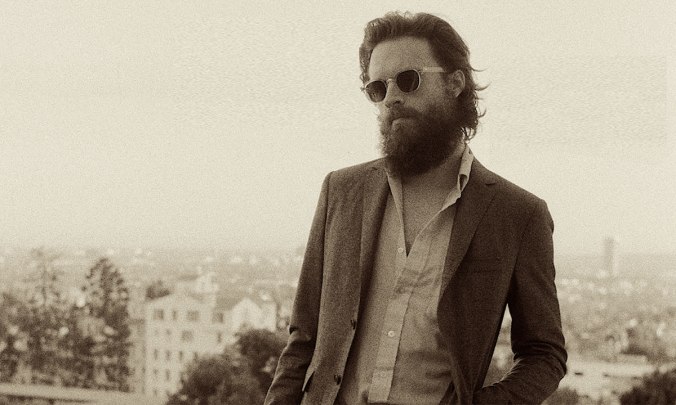
 Stewing with sex, violence, profanity and excavations of the male psyche – gift-wrapped in gorgeous melodies that would woo Neil Diamond – Misty’s sophomore LP, I Love You, Honeybear, is a stunning work of duplicitous harmony. This show his relies on his ability to juggle contradictions – romance and tragedy, sorrow and slapstick, cynicism and sincerity – with casual serendipity.
 The original:
 What is this about?
 The Original:
 What is this about?
 The Original:
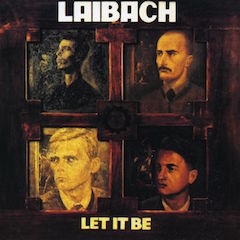 What is this about?
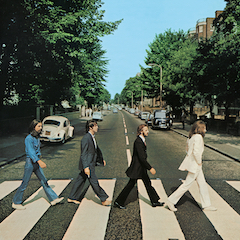 The Original:
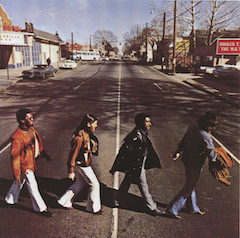 What is this about?
 The original:
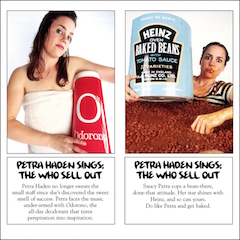 What is this about?
 The original:
 What is this about?
 The original:
 What is this about?
 The original:
 What is this about?
 The original:
 What is this about?
 The original:
 Focusing on the more extreme outskirts of metal, Earache immediately struck gold with Birmingham grindcore pioneers Napalm Death, releasing their groundbreaking debut, Scum, in 1987. As records sold, Earache gradually grew into a more organized business, and soon incorporated Florida’s Morbid Angel, Sweden’s Entombed and Liverpool’s Carcass into it roster, while expanding beyond its grind and death metal origins to include other extreme sub-genres like industrial metal (Godflesh), doom (Cathedral) and stoner (Sleep).
 Earache struck a U.S. licensing deal with Sony Music in 1993, but disappointing sale figures turned it into a short-lived venture. As it turned out, the mainstream masses weren’t quite ready for the extremes after all. Earache came out wounded in the aftermath, with many of the most important bands signing deals with major labels: Carcass to Sony, Morbid Angel to Giant, Entombed to EastWest.
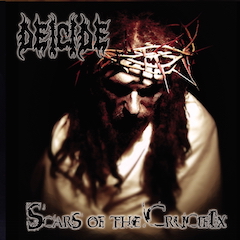 Deicide’s 2004 debut for Earache, Scars of the Crucifix, returned the label’s name to the American Billboard charts and went on to be Earache’s best-selling album in years. Toward the end of the decade the label incubated a thrash metal renaissance, with bands like Evile and Municipal Waste enjoying worldwide success.
 Napalm Death
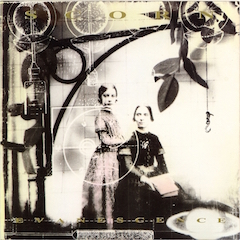 Scorn
Scorn Rival Sons
 Before punk, there was the pub. Unlike their American counterparts, the British punk scene mainly evolved from pub rock. Developing in the early 1970s, pub rock followed a straight path rooting back to 1950s and ’60s no-nonsense rock ‘n’ roll and rhythm & blues. Disdaining the glitz and glam of the era in favor of a much more back-to-basics approach to rock, it was not limited to one certain style, and just as happily embraced ragged folk, country, funky soul and other musical expressions fit for tight and sweaty club nights.
 Because pub rock was mainly a phenomenon based around live experiences it centered around legendary London clubs like The Hope & Anchor, Dingwalls, the Nashville and the Tally Ho. Spearheaded by acts like Dr. Feelgood, Eddie and the Hot Rods and The 101’ers (Joe Strummer’s first band before The Clash), the lines between pub rock and punk rock are blurred at best, with The Vibrators, The Stranglers, Ian Dury and Elvis Costello serving as prime examples of the transcending artists of the scene.
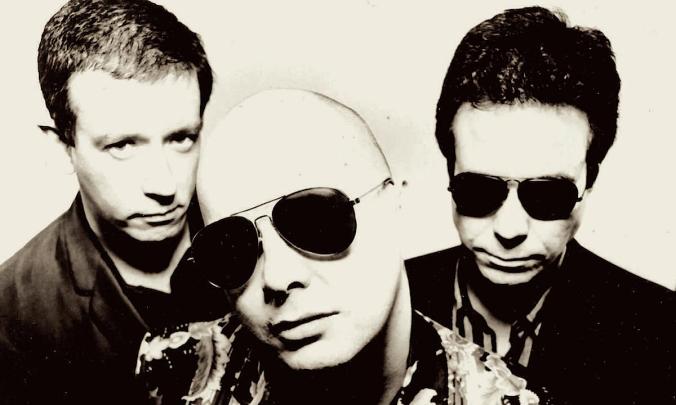
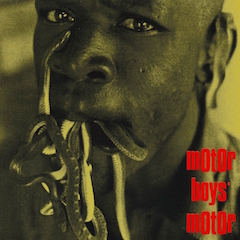
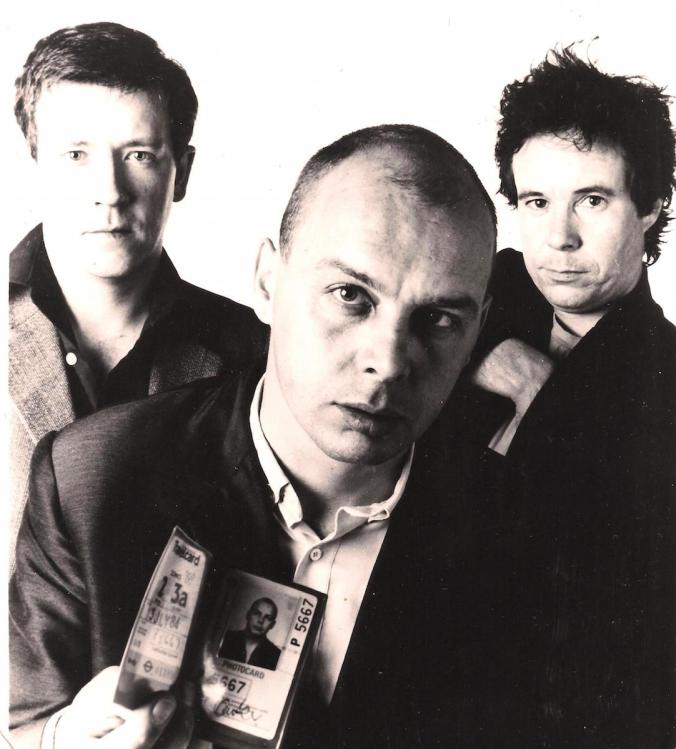
 Screaming Blue Messiahs rose from the ashes of Motor Boys Motor (named after a 101’ers tune). The now obscure, but superb band only released one sole album in 1982, exposing a crew owing debt to the likes of Bo Diddley, Little Richard and Captain Beefheart. With some adjustments to the line-up, the smokin’ trio was finally settled as the highly skilled outfit of Bill Carter on guitar and vocals, Chris Thompson on bass and Kenny Harris on thundering drums. Soon after they were renamed the Screaming Blue Messiahs and found a natural place to call home in the excellent and wildly eclectic Big Beat label, one known for pushing rock in all shapes and forms (rockabilly, mod, hillbilly, blues, rock ’n’ roll, ’60s soul and much more).
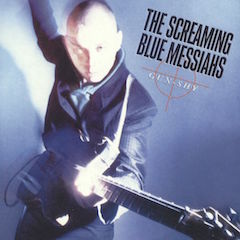 Gun-Shy hit the record stores in early 1986 and segmented the band’s status as both critical darlings and live favorites. Following the release of Gun-Shy the band did some extensive touring in Europe, North America (with The Cramps), Australia and New Zealand.
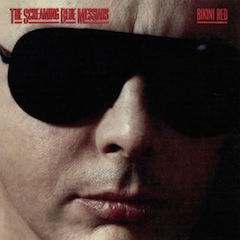 They were met again with positive reviews, even though the release itself was a bit haltered due to the lack of the same sort of extensive touring that followed their debut. But support then came from unexpected places, including when David Bowie, on several occasions, stated that “an angry mob from London” known as the Screaming Blue Messiahs was “his pet project.” His admiration led to a couple of support gigs along his ongoing Glass Spiders tour in the UK. Then, in 1988 they reached a commercial peak as “I Wanna Be a Flintstone” hit the charts, introducing them to a more mainstream audience.
 Å rangere årets favorittalbum er en øvelse som raskt minner om et par ting, både mengden kvalitetsplater som utgis hvert år og den skrekkelig lille tiden man egentlig har til rådighet til virkelig å grave seg ned i materien. Og det sier jeg, som sitter å lytter til og vurderer musikk hver dag som en del av jobben. Denne kåringen av årets høydepunkt fungerer dermed også som en rolodex over titler som fortjener mer fokus, og som jeg har ambisjoner om å høre enda mer på (for det kommer sikkert ikke noen bra plater i 2017 som vil stjele den tiden…)





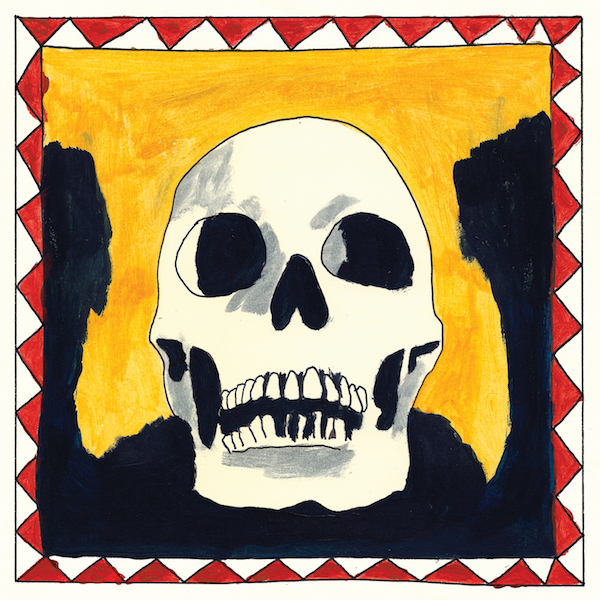
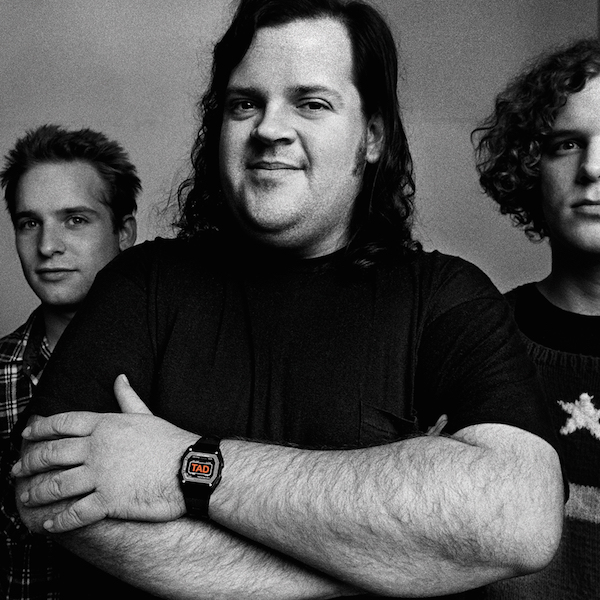 TAD: God’s Balls/Salt Lick/8-Way Santa
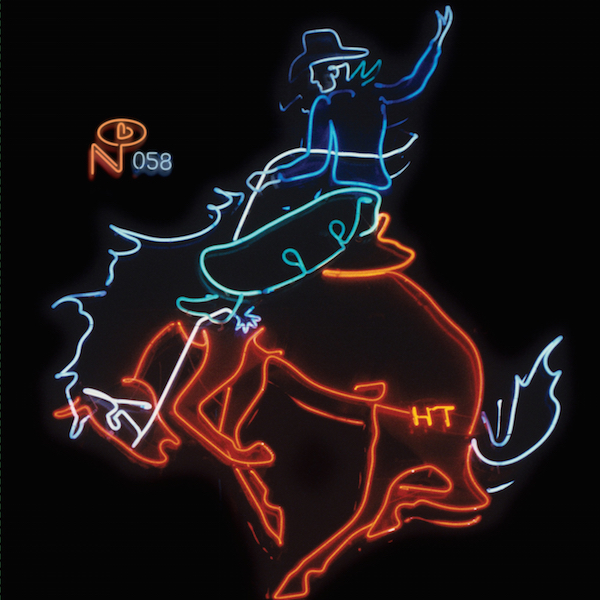
 Sun Ra: Singles
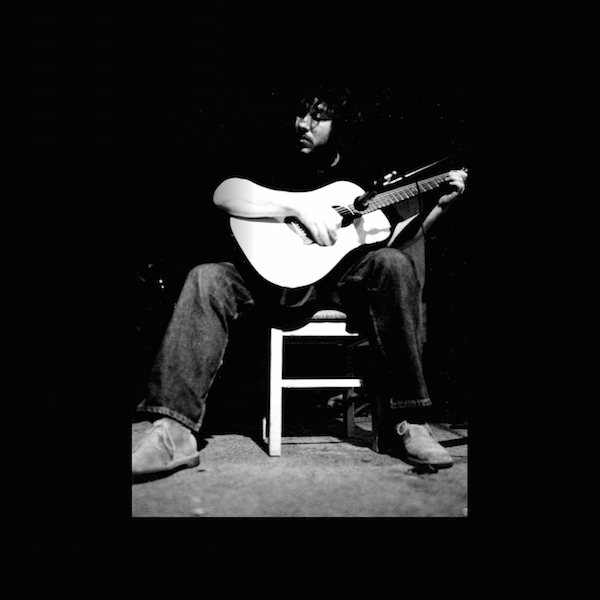 Jack Rose: Jack Rose/I Do Play Rock and Roll/Dr. Ragtime and His Pals
 Scientists: A Place Called Bad


 It’s been a while since Shirley Collins sang in public. As a matter of fact, when that last happened Michael Jackson had just released Thriller and E.T. phoned home from the movies. Ronald Reagan was gunned down on the streets, and the Falkland Wars between England and Argentina had just began. Commodore 64 was launched, and tech savvy consumers could actually buy a CD player for the very first time, the technological shift was so distinct, TIME magazine even named the computer ‘Man of the Year.’
 Returning back to Britain, Shirley Collins built a steady solo career. Often accompanied with her sister Dolly, a gifted arranger and composer in her own right, Shirley cementing her role in the rapidly blossoming English folk scene. In all she recorded over 20 albums, including the highly-influential Folk Roots, New Routes (1964), a collaboration with avant-garde guitarist Davy Graham, her seminal work Anthems in Eden (1969), done with Dolly, and the eclectic masterpiece No Roses (1971), which spawned the folk group The Albion Band. Existing in the very center of the emerging electric folk rock and acid folk circuit, Collins managed to maintain a sort of noble grace, fusing elements of contemporary folk with archaic, pre-modern roots.
 While being part of the flowery counterculture scene at the time, she also kept her distance from the psychedelic underground; Shirley Collins’ culture was in many ways steeped in a deeper soil. This incident, taken from Electric Eden, can serve as a sufficient example: Once, while the Collins’ sisters played with Robin Williamson of the Incredible String Band, he urged them to expand the session with some drugs: ‘You’ve never seen a tree until you’ve taken LSD,’ he said, prompting Dolly Collins to snappily reply: ‘I know perfectly well what a tree looks like!’
 You’re also well known to focus on rural and pastoral material from your home area in southern England. What, in your mind, are the common grounds between British and American folk music, and where did you place yourself in such a context?
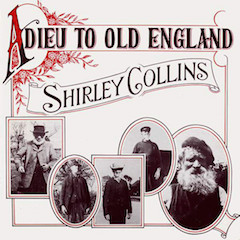 Why did folk music resonate so well with young people then, and what do you think made it relevant to the pre-war generation?
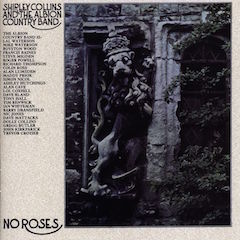 You later worked with Joe Boyd and folks from the Incredible String Band, released albums on the iconoclastic Harvest label and gave us the eclectic album No Roses in 1971. Can you please try and describe this period of time in terms on how you found your role ‘between’ traditional culture and the psychedelic expansion at the time?
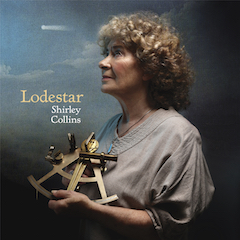 Can you please guide us briefly through Lodestar and let us know what we can expect from you this time? As I understand there’s some sort of circle here, since it also includes tracks tracing back to 1959 and your Delta travels.
 Two roads diverged in a yellow wood,
 It goes without saying that this scene didn’t produce a wealth of mainstream pop stars, but Devendra Banhart did become the movement’s most iconic figurehead. Signed to Swans’ Michael Gira and his Young God label, Banhart immediately stuck out as an original and pivotal voice, with his 2002 debut album Oh Me Oh My… sounding like some long lost treasure trove of 78 recordings discovered in a rotting country barn. While he has gradually evolved into a much more eclectic artist, Banhart used his reluctantly accepted status to tie bonds between past and present times. He curated the seminal new-folk collection, Golden Apples of the Sun (Bastet, 2004), featuring artists like Joanna Newsom, Antony, CocoRosie and Iron & Wine, along with sparking a renewed interest in largely long-lost voices like Vashti Bunyan and Linda Perhacs, who have since both released new material in recent years in response to a newfound generation of fans.
 In his thorough biography of Fahey, Dance of Death, writer Steve Lowenthal describes it more in depth as ‘Merging genres with a bold ambitiousness, he would eventually call his style ‘American Primitive’, in reference to his untrained methods. Rather than being restrained by formal song structure, he tried to keep the feel of more abstract classical structures, while using familiar fingerpicking patterns found in country and bluegrass.’
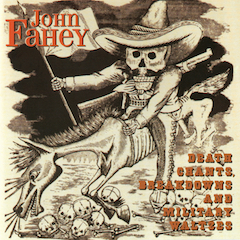 Named after his hometown of Takoma Park, Maryland, Takoma Records evolved from being an imprint for Fahey’s own amateur recordings to a fully fledged label that included other influential fingerstyle guitar pickers such as Robbie Basho and Leo Kottke, further segmenting Fahey’s status as one of the leading and most influential guitarists of our time.
 I Do Play Rock and Roll
 Jack Rose
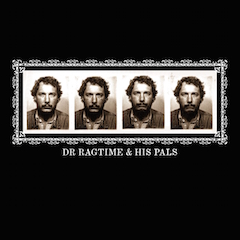 Dr. Ragtime & His Pals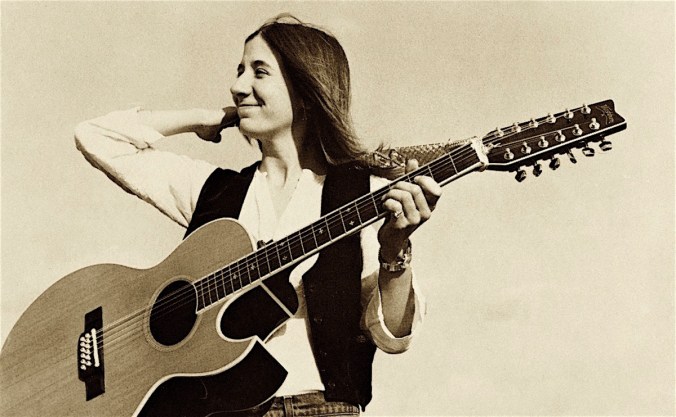
 Let the phrase ‘shared love of the old weird American music found on forgotten 78s’ guide us further down the road. Another essential focal point in preserving old time music as well as its present day successors is the eminent label Tompkins Square, run by Josh Rosenthal. The imprint is renowned for their exquisite sense of quality and their deep diggings into the forgotten crates of 20th century American music.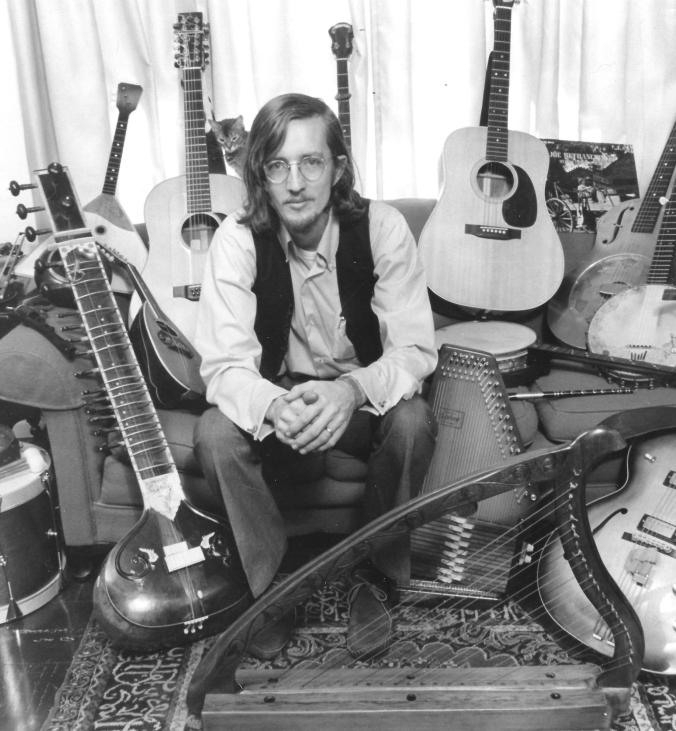
 There’s a guitar player from Oregon named Richard Crandell who made an album called In the Flower of Our Youth that I can never get enough of, it’s just completely brilliant melodically, with most songs being short, self-contained little gems that are absolutely memorable. Tompkin’s Square reissued it some years ago, maybe after I recommended it to Josh, but I still think the audience for it could be bigger.
 The Big Beast