Artikkel om Nick Drake, publisert i Audio #45, 3-99



Skriblerier om musikk fra 1997-2013. Hovedsakelig et arkiv fra tiden som redaktør i groove.no (2001-2011), samt Nye Takter, Folkemusikk, Puls m.m
Artikkel om Nick Drake, publisert i Audio #45, 3-99
Anmeldelse av Son Volt: Wide Swing Tremolo:
 Nirvana frontman Kurt Cobain was 27 years old when he ended his life in his Seattle home on April 5, 1994 – leaving this earth perhaps the most iconic cultural figure of his time. As Cobain biographer Charles R. Cross emphasized, ‘He isn’t the last star in rock ’n’ roll, but he is the last true Rock Star that we’ve had to date who earned Icon status. He existed in a period that is now lost to history, when a rock artist could be played on all formats of radio, when rock was the dominant musical form.’
The tragic story of Nirvana’s rise and fall, and grunge’s parallel emergence from underground cult to worldwide phenomenon, have been duly told and retold over the years. This article instead looks closely at the musical building blocks that set the foundation for Nirvana, illuminated by 15 selected albums, in an attempt to grasp the essence of their subsequent sound – and thus get a little closer to explaining their unlikely success.
As Cobain himself said, ‘I think we sound like The Knack and the Bay City Rollers being molested by Black Flag and Black Sabbath.’ An assessment not without accuracy or charm.
Nirvana leaned against the obvious persuasions of hardcore and hard rock, but this was interspersed with a broad and more commercially friendly side that appealed far beyond the inner clique. Sub Pop’s Jonathan Poneman put it this way, ‘Part of what was so captivating about Nirvana’s music was not so much its stunning originality, but its remarkable fusion of so many different strands of influence.’
Kurt Cobain was very open to the music he liked and took inspiration from, and shared passing lists of Nirvana’s favorite bands, albums, and songs. Such was the case in this famous paper in which Kurt scribbled down Nirvana’s Top 50 favorite albums – a list that has led many fans to increase the volume of the album collection.

These were not necessarily Cobain’s favorites, but rather 15 bands and albums that are co-responsible for laying the musical groundwork for Nirvana – and by extension, for the development of the alternative rock into the ’90s.
* * *
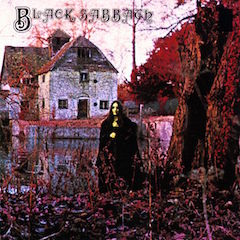 Black Sabbath:
Black Sabbath (1970)
Black Sabbath were the foundation for what would become heavy metal, and, naturally enough, their debut album is one of rock’s dark mastodons. The rainy intro opens the gates to a post-industrial wasteland in 1970 Birmingham, with a resonance that carried itself to the ears of a couple of boy ears on the west coast 10-15 years later.
Black Sabbath‘s leaden sound spawned many bastard children over the years, not least of which includes Nirvana’s debut album. Bleach plods though the same muddy tracks – which would help define grunge in the late 1980s.
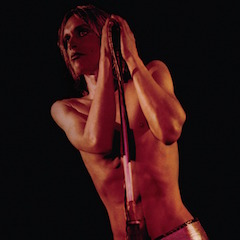 Iggy & The Stooges:
Raw Power (1973)
Iggy Pop was one of Cobain’s role models, with similarities in both music and attitude. Iggy was a demon on the stage, writhing on the floor, rolling around in broken glass; he was as an out of control force of ‘raw power’, destructive drug use and uncontainable energy. Cobain absorbed this persona into Nirvana, not least in their early gigs where anarchy and chaos were prevailing forces. Musically, of course, proto-punk machinery from Detroit also had an obvious effect on Nirvana. The Stooges – and Raw Power especially – are punk rock required reading.
 Kiss:
Kiss:
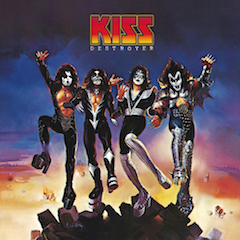
Destroyer (1976)
There’s an obvious superficial distance between the cynical, flannel-clad Seattle rockers’, and pyrotechnically-aided arena rock of four men dressed like superheroes. Yet Kiss was an integral part of growing up in the ’70s and ’80s, and they offered a sense of escapism to the misfit youth of the time. Like it or not, Nirvana has roots elementary school scribbles of Starchild. They recorded a cover of ”Do You Love Me” off of Destroyer, which also includes “Detroit Rock City” – later paraphrased as “Sub Pop Rock City” by Soundgarden. And as fate would have it, on a December’s day in 2013, Kiss and Nirvana were both inducted into the Rock and Roll Hall of Fame.
 Sex Pistols:
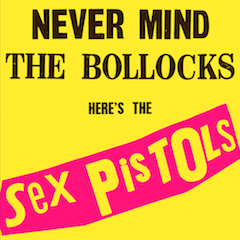
Never Mind The Bollocks Here’s The Sex Pistols (1977)
With their first and only album, Sex Pistols sent shock waves into the establishment, catapulting punk into a mass movement that shaped culture and opened up opportunities for a new generation of artists in its wake – a similar effect to what Nirvana would repeat 15 years later. Could it be a coincidence that Nevermind and Never Mind the Bollocks… made their greatest mark not by shaping musical trends but in shaking the music industry and the cultural establishment? Both mark the boiling over point of an underground phenomenon – the beginning of a new era where the boundaries between alternative and mainstream became more porous. A game-changing work of its time and a killer plate of punk rock to boot.
 Cheap Trick:
Cheap Trick (1977)
‘I’ll be the first to admit that we’re the ’90s version of Cheap Trick or the Knack’ stated Kurt Cobain in his liner notes for the compilation album Incesticide. Cheap Trick had a penchant for British pop invasion (think The Kinks) which they used as the foundation for their fusion of power pop and hard rock, with a dash of punk. Their eponymous debut is chopped a bit rougher than their later more radio friendly sound. If you’re wondering whether Cobain was referencing the same Knack that produced the one hit wonder, “My Sharona”, you’d be right. In the Cobain biography Heavier Than Heaven Kurt meets up with a friend in 1988: ‘There’s this great record that I’ve discovered that you HAVE to hear. Kurt pulled out Get the Knack. Romero thought Kurt was being sarcastic, and inquired, ‘Are you serious?’ ‘You’ve got to listen to this – it’s an awesome pop album,’ was Kurt’s deadpan reply.’
 Neil Young & Crazy Horse:
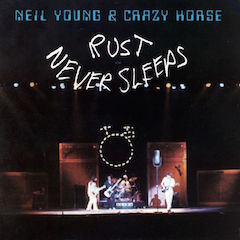
Rust Never Sleeps (1979)
‘It’s better to burn out than fade away.’ The stanza, taken from Neil Young’s “Hey Hey, My My (Into the Black)”, is the penultimate line of Kurt Cobain’s suicide not. Young would dedicate the entirety of his 1994 album Sleeps With Angels to Cobain. Like Iggy Pop, Young had been trying to contact Cobain shortly before he died. In Young’s autobiography, he writes: “I, coincidentally, had been trying two reach him through our offices to tell him That I thought he was great and he should do exactly what he thought he should do and fuck everybody else…” Neil Young was early to popularize the flannel shirt as the preferred rock uniform. The echo of his thundering guitar rang deep into the forests the northwest, earning him the title, ‘Grandfather Of Grunge.’
 Young Marble Giants:
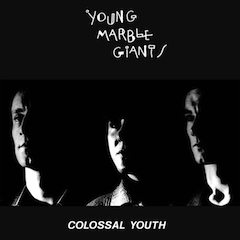
Colossal Youth (1980)
Minimalist and magical: Young Marble Giants’ first album from 1980 is a something of a forgotten masterpiece, and it has its natural place here as a representative of the British post-punk that Cobain felt most at home in. Far from the angry, snot-nosed punk image his stage persona let on, Cobain shared much of their introversion, as well as their self-destructiveness. Together with their Scottish counterparts, The Vaselines, these Welsh were among Cobain’s most relatable artists. In an interview with MTV Brazil in 1993 Kurt Cobain underlines that he was ‘heavily influenced by them’ – less in sound than in terms of ‘their emotions, the feeling, the sincerity and their fantastic songwriting.’
 Flipper:
Album – Generic Flipper (1982)
Kurt Cobain could make a band cool by simply muttering their name in passing – as he did The Vaselines – or by sporting a concert T-shirt in public – as he did with his well-worn Flipper shirt. And glory to him for that – if there’s a band that deserves to be lifted out of obscurity, it’s Flipper. The San Francisco band’s epic debut from 1982 check’s every box in the rock handbook: rule breaking, destructive, infantile and reckless. Flipper slowly cranked their songs through a meat grinder, without fully knowing what would come out the other side. En route, they stumbled upon such punk anthems as “Sex Bomb” while blazing a magnificent trail to madness.
 Black Flag:
My War (1984)
As pioneers of American underground rock into the ’80s, and originators of the California hardcore sound, Black Flag is obvious primary school curriculum for Nirvana. On their later album, My War, the band took punk into a slower, heavier and more militant territory. This had a clear effect on bands like Melvins and Nirvana. Black Flag frontman Greg Ginn started the SST label in 1978, which went on to become one of the most important publishers of the ’80s – and a role model for Sub Pop’s rise some years later.
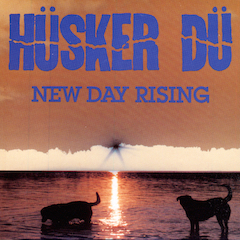 Hüsker Dü:
New Day Rising (1985)
New Day Rising marks an important transition for the power trio of Hüsker Dü. Without losing their frenetic power and strength, here they write pop-flavored melodies that shine through the layers of treble fuzz, albeit not overpoweringly. With a little more polishing, New Day Rising could have been the Nevermind of the ’80s. As Krist Novoselic admitted, ‘Nirvana’s blend of pop, punk and metal was nothing new, Hüsker Dü did it before us.’ From the same circuit and time period, it is also worthy to mention the parallel developments by The Replacements, Butthole Surfers, and Meat Puppets – all of whom were significant fertilizers for the ripening of Nirvana.
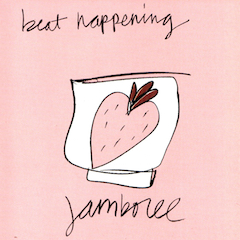 Beat Happening:
Jamboree (1988)
Sub Pop rapidly grew into a multinational brand in the ’90s, but they initially came from a proud tradition of strong underground labels from the heyday of SST, Touch & Go – and K Records in nearby Olympia, Washington. K was formed in 1982 by Calvin Johnson, the frontman of Beat Happening. Lo-fi aesthetics dominated the label’s releases, casually produced by friends and acquaintances in the region, which helped chart course for the “alternative revolution” and the rise of indie rock as a mainstream phenomenon. Musically, there is a certain distance between the compact guitar rock of Nirvana and the more quirky indie pop of Beat Happenings, but the relationship can be illustrated by this quote from the band: ‘We are Beat Happening, and we do not do Nirvana covers. They do Beat Happening covers, so let’s get that straight.’
 Killdozer:
Twelve Point Buck (1989)
Madison, Wisconsin band Killdozer ruled the 1980s underground, along with acts like Butthole Surfers, Laughing Hyenas, and Scratch Acid (pre-Jesus Lizard). Their slow, sludgy punk-on-downers sound distinguished them as early predecessors to grunge, especially for the periphery scene outside of Seattle. The band became known for its original and unexpected cover songs – such as a throaty rendition Don McLean’s “American Pie” – a talent Cobain and Co. also became known for after the live recording, MTV Unplugged in New York. They worked repeatedly with technician Butch Vig in Madison’s Smart Studios. As a result of hearing Killdozer’s 1989 LP Twelve Point Buck, Nirvana hired Vig to work on In Utero. After Cobain’s death, Killdozer also record 1995’s God Hears Pleas of the Innocent with Steve Albini.
 Dead Moon:
In The Graveyard (1988)
Barbarous garage rock has a long history in the Pacific Northwest, with bands such as The Kingsmen (“Louie Louie”) and The Sonics as key originators. Portland-band Dead Moon push forward this rich legacy and remind us that neither Nirvana, nor grunge as a whole, appeared from nowhere. Unlike Nirvana and the landslide that followed in their wake, the Dead Moon remained in the garage while the other left the scene in limousines. And there they still had it pretty good until dissolving in 2006.
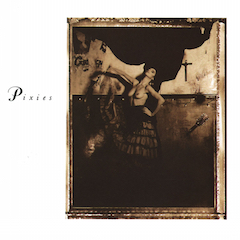 Pixies:
Surfer Rosa (1988)
Telling the story behind “Smells Like Teen Spirit,” Kurt Cobain confessed, ‘I was trying to write the ultimate pop song. I was basically trying two rip off the Pixies.’ And indeed, Nevermind shares countless similarities with Pixies, in song structure and, notably, in the powerful soft-loud dynamics that Nirvana would further perfect. Sound engineer and producer Steve Albini was commissioned to produce In Utero as a result of his signature work on Surfer Rosa.
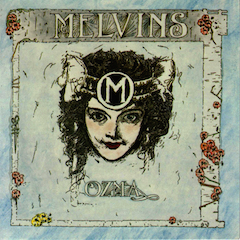 Melvins:
Ozma (1989)
Seattle rock’s anomalous emergence came out nowhere, and in a matter of years the city’s musical profile transitioned from a loser-like sense of coolness to streamlined factory for mass culture. But one band never changed. Melvins were heavier, stickier and gloomier than all the others – and they were among Cobain’s biggest musical influences, especially noticeable on Bleach. Melvins would later serve as role models for an even heavier, slower and more somber drone rock formulated by bands like Earth and Sunn O))). Melvins have definitely left a heavy imprint in the rock history books, and their first two albums are authentic sludge rock at its best.
Bjørn Hammershaug
Originally published on read.tidal.com October 12, 2014.
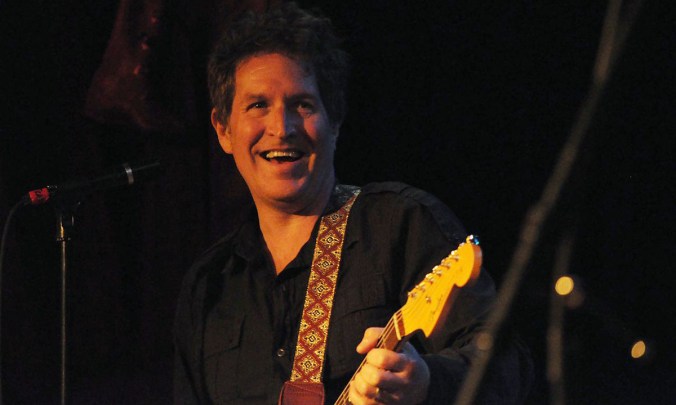
If music were like baseball, Steve Wynn is easily batting .500.
That is to say that, over his career, the modern rock legend has a longer and stronger track record than most of his peers.
In the early 1980s Wynn rose to prominence as the lead singer and primary songwriter of seminal Los Angeles band The Dream Syndicate. Founded partly on Velvet Underground’s improvisational soundscapes, Television’s loud guitar dominance and the jingle-jangle of The Byrds, the Dream Syndicate are rightfully considered among the most notable bands of the so-called Paisley Underground scene, which also included The Bangles, The Rain Parade and others. Along with R.E.M, they are also one of the most important bands in the development and popularization of college rock.
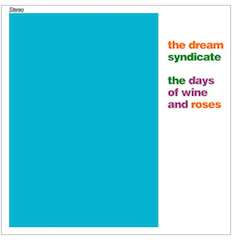 With a constantly revolving line up, labels and experimenting in sound, The Dream Syndicate released a steady row of albums in the course of the ’80s. Their classic debut, The Days of Wine & Roses (1982), stands among the finest albums of the decade, while the blistering live album, Live At Raji’s (1989), captures their ferocious on-stage energy. The latter also turned out to be their swan song (though they reunited in 2012, with the possibility of new material on the way), paving the way for even more successful bands like Nirvana and Pixies without cashing in on the indie/guitar resurrection in the 1990s.
Steve Wynn has remained perpetually productive ever since.
After the demise of The Dream Syndicate, he immediately launched a solo career under his own name, as well as being involved in a series of different projects: Danny & Dusty (with Dan Stuart of Green On Red), Gutterball (with compadres from House of Freaks and The Silos), his own combo The Miracle 3, and the recent supergroup The Baseball Project (which includes his wife and half of R.E.M.).
No matter the musical constellation, Steve Wynn has always kept his signature in tact. Never compromising on strong, intelligent songwriting packed with funny wordplay and gritty storytelling, and of course excellent guitar playing and transcendent melodies. This pivotal artist has turned into one of the most reliable names of the last 35 years, always willing to reinvent himself in search of new sonic territory.
I sat down with the ever so friendly Steve Wynn for a deep-digging round of offbeat and revealing questions.
* * *
Describe your perfect day.
If I write a new song it’s a great day. When I’m creative and producing things, I’m at my happiest. That’s joy to me. Also, walking five miles every day, preferably in a city I’ve never been before. And those two things go together. Walking and writing for me has always been a good combination. So if I’m in a strange city, walking a lot, thinking about an idea for a song, and eating a good meal… It doesn’t get better than that.
Growing up, what made you want to become a musician?
I was born in 1960, so I grew up through Beatlemania, AM radio, garage rock, protest music, acid rock and great things like that. It was just in the air, and I was thrilled by music from a young age.
I wrote my first song and played in my first band when I was 9. That’s all I wanted to do. I had an older sister who was just old enough for my mother to trust me to go out with her, but young enough to be into cool music. She could drive, she had her own house, and she took me to lots of great concerts. The first show I ever saw was Delaney & Bonnie when I was 9, who I still like a lot. I was a music junkie from the age I was 6, so when my sister said we’re going to see Delaney & Bonnie I said, “Oh great, I hope Eric Clapton is playing.” I knew what was going on. She took me to see Alice Cooper, The Who, Roxy Music… all these great bands.
I’m very glad I was 17 years old in 1977. To be old enough to leave home, driving a car, enjoying my freedom while punk rock was happening… That was the perfect blend, and it blew my mind. The most romantic period of all time for me was buying singles by the Clash, the Buzzcocks, Elvis Costello and stuff like that. I think that influenced me more than anything.
What’s the most unlikely album that has inspired your own music?
 It’s probably not a surprise to those who know my music and my history, but a lot of jazz records. Out there albums like Albert Ayler’s later stuff, Ascension by John Coltrane, Dancing in Your Head by Ornette Coleman… These were all records I loved, and who taught me of improvisation. In the years before The Days of Wine & Roses, I’d practice my guitar not to The Yardbirds or “Stairway to Heaven,” but to free jazz. It made sense to me, to learn how to jam and improvise. So I would sit down with these freaky half-hour long jazz pieces and go at it.
There’s a fire in your house! What three things do you rescue?
Besides my wife? [laughs] That should be obvious. Let’s see… my 1960 Princeton reverb amplifier, which is the best amp in the universe and which I use every time I make a record. Made the same year as myself, and sounds like all the albums I love. Then there’s my paisley Telecaster, which I just got. It’s my favorite thing right now. This is just music stuff, but I have to add Bob Dylan’s really great bootleg, Ten of Swords, which you can’t find anywhere these days and is a collection of his early demos and recordings. I carried it around forever. Yeah, I go for those three things, after the wife.
If you could pick a fight with anyone – who would it be and why?
I’ve got a few problems with Dick Cheney. [laughs] I think he and George W. Bush had quite a bit to do with screwing up the U.S. and the world in general, for reasons driven by money and corruption. If not punch him in the face, I’d at least like to ask a few questions. I can do more damage with my words than my fist.
I’m a political junkie and have always been a newspaper fanatic. First thing on my radar used to be a copy of the International Herald Tribune [now The International New York Times]. When I came to new cities, the first thing I tried to find was the train station and buy a paper, cause I had to have the news. And that was a way for me to discover a new city. Now you don’t need that, it’s all there. Just like music: The biggest thing about touring was to choose which 20 cassettes to last me for the next 6-10 weeks. I would agonize on my record collection whether to bring Marquee Moon or Adventure. Now I’ve got the entire record collection in my pocket.
What’s the worst or best advice you ever received?
Whatever it was I didn’t listen to it. I don’t take advice very well. [pauses] Someone once said to me, “Be careful and be aware of things that are done in your name, because you will bare responsible for it.” I think that’s true. Sometimes, when you’re a musician, you think somebody else will take care of things, but at the end of the day it’ll come down to you. The things you put out there, you live with. That’s why I think I take such good care of the records I make, the shows I play and the way I treat people.
A role model has always been Bruce Springsteen, who I think is a pretty righteous dude in his approach to live music. Seeing him play in 1977 for the first time was another big life changer, because I saw how much passion he put into his show, treating it like it was the last time. Some will see you that night, some may never see you again, may never have seen you before, and that show may be the most important in that person’s life. You should treat every night and everything you do like it may be the only time you do it. Because for some it will be.
What’s your favorite sport, and why?
You didn’t have to ask that. [laughs] It’s baseball, of course. I’ve always been a big baseball fan. One thing we found from the Baseball Project is that a lot of musicians love baseball. It makes sense, because baseball is much like the music we make. It’s cerebral, it’s mental, and you drift away in your own imagination. There’s no clock in baseball. There’s a clock in football, both European and American, there’s a clock in basketball and hockey. Baseball is open, limitless, infinite, anything can happen. You’re living in the moment, but you’re also living throughout history. Everyone who loves the game can recite numbers and facts from the last 150 years. Which is what we do in the Baseball Project.
Strangely enough I have three favorite teams, and they all have to do with where I’m from and where I live: I love the Los Angeles Dodgers, New York Yankees and New York Mets. But these days, since I live in Queens, I’ve started to like the Mets a little bit more. Now I can just walk to a Mets game.
A funny thing, my old friend Josh Kantor is the organist in The Baseball Project, and also the organist for Boston Red Sox at Fenway Park. It’s the greatest job, and he’s a really cool music fanatic. Typically in the past the organist would play old-fashioned songs or big hits, but he plays The Dream Syndicate, R.E.M and other really obscure indie bands to 50,000 people every weekend.
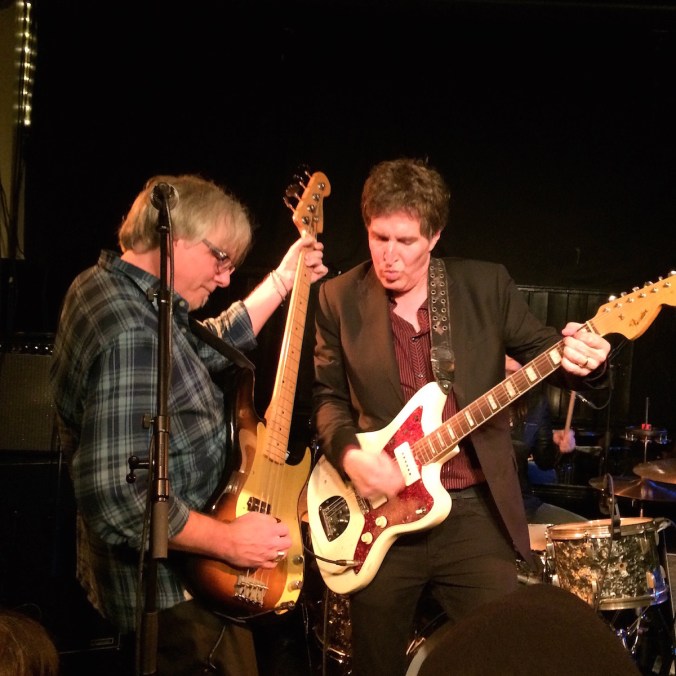
The Baseball Project at The Crossroads Club, Oslo November 13, 2015. (Photo: Bjørn Hammershaug)
What’s a place you’ve never been that you want to go?
So many. Next year I’d like to go to South America. I think Bogotá is on top of my list right now. I want to go everywhere. It’s the greatest thing, finding a new city. My favorite place right now is Mexico City, with its great bookstores, cafés, restaurants – and rock fans. There’s a huge scene down there.
Can you name a book that you wish everyone one would read?
I could name a lot of them… I’m a big fan of a book by John Updike called Rabbit, Run, actually there’s a series of books about this character called Rabbit. It tells the story of 20th century America better than any history book. It explains a lot about America and why it’s the way it is and what happened in the second part of the 20th century. I recommended that one, and any of the books with Rabbit in the title by John Updike.
Criticize your own music from the perspective of someone who hates it.
Too much damn guitar!
What’s your greatest fear?
Probably being deaf. I wouldn’t like that. I love music too much.
Are there any particular of your own albums you hold especially dear?
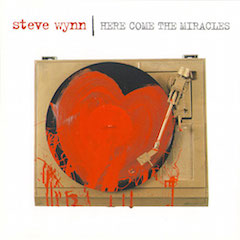 I’d have to say Here Come the Miracles, I really like that for many reasons. I think it’s my best record; and I’m really satisfied with what I did on that one. It also came at a time in my life where I didn’t know what I wanted to do, I thought, I’m 40, I might be done or I might be out of ideas, or I might have nothing left to say. It came at the right time, where it showed me where I should go, and also that I could keep doing it. It revived everything, from the creative side to the career side. It was also the easiest record to make. There were no obstacles, no confusion, and everything was just obvious. Now that doesn’t happen every day. [laughs]
The world is ending tomorrow. What do you do before it’s all over?
Enjoying some time with my wife. That’d be Linda [Pitmon] by the way, my bandmate in The Baseball Project. When we met, we had both been touring a lot, so we knew all about that lifestyle. I toured with this other musician for several years, and once he and I were together in Rome. It was such a beautiful night, we had had a great dinner and stood on a square under the full moon. He laid his arm around me and said, “Steve, I love you man, but I’d much rather be here with my wife.” And I totally understood him. The thing about musicians is that we travel the world having all these great experiences, and then we go home to our wives or friends and try to explain what it was like. It’s nice to be in a band with my wife. We can share all those great memories together.

Bjørn Hammershaug
Originally published September 17, 2005 on read.tidal.com
Verden er full av kåringer over tidenes beste livealbum, som stort sett sirkulerer rundt en pool mer eller mindre faste gjengangere. Det er åpenbart at utgivelser som Live at Leeds og Birdland, Allman Brothers på Fillmore, Deep Purple i Japan og Johnny Cash i diverse fengsler er tidløs dokumentasjon av artister i sin prime og foreviget i sitt rette element. Men skreller man bort disse ikoniske platene, så dukker det opp en ny bunke liveplater som sjelden får sin rettmessige hyllest. Dette utvalget plater som er live & forgotten er plukket fra egen hylle, og består av mer eller mindre oversette liveskiver fra 80-tallet og fram til i dag. Hør på disse også, og kom deg ut på en trang klubbkonsert etterpå. Hvem vet, kanskje kveldens svette ekstase blir morgendagens plateklassiker.
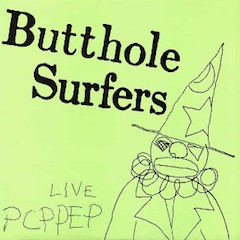 Butthole Surfers: Live PCCPEP
(Alternative Tentacles, 1984)
Ingen band var vel stort fetere på 80-tallet enn notoriske Butthole Surfers. De brøt med det etablerte hardcore-dogmet som rådet i tiden, og fulgte heller opp en stolt tradisjon av Texas-loonies som 13th Floor Elevators og The Legendary Stardust Cowboy. Med sin syrebefengte og tøylesløse miks av aparte punk, skrudd psykedelia, smakløs humor og abstrakte støyeksperimenter skaffet de seg raskt et navn i undergrunnen, et alternativt alternativ, drevet fram av radikal framferd og trippy turneer. EP’en Butthole Surfers (aka A Brown Reason to Live) fra 1983 står igjen som en av det tiårets mest bisarre og uforglemmelige debuter. Den ble i hovedsak revitalisert året etter, da de fulgte opp med Live PCCPEP unnfanget live hjemme i San Antonio, og stort sett bestående av låter fra debuten.
På dette tidspunktet hadde surferne etablert sin klassiske besetning; Gibby Haynes, Paul Leary, King Coffey og Teresa Nevrosa, og lagt grunnlaget for en karriere som skulle føre dem fra pionerstatus til etablerte MTV-favoritter et snaut tiår senere. Men det er deres første plater som er best, med Locust Abortion Technician (1987) og Hairway to Steven (1988) som ubestridte høydepunkter. I bandets første fase ga de fullstendig blanke og overkjørte alt av etablerte regler. Det er godt stykke mellom en alternativ radiohit som ”Pepper” og ”The Shah Sleeps In Lee Harvey’s Grave”.
Tidlig på 80-tallet lot bandet galskapen flyte tilsynelatende uanstrengt som en integrert del av musikken. Det betyr ikke nødvendigvis at sluttresultatet blir spesielt holdbart, snarere er dette en dokumentasjon av den alternative rockens spede fase, ubesudlet av noe annet enn ungdommelig faenskap, billig rus og motstand mot alt som smaker konformitet. En klassiker altså. ”There’s a time to live and a time to die, I smoke Elvis Presley’s toenails when I want to get high.” Sånn er livet.
 The Dream Syndicate: Live at Raji’s
(Enigma, 1989)
Live at Raji’s er en liveplate som vitner om formatets fulle potensiale. The Dream Syndicate hadde på denne tiden, i 1989, alle studioalbumene (fram til nå, nytt album ventes i 2016/2017) bak seg, samtidig som de var helt på høyden som band. Deres studioproduksjon var preget av eminente låter, men også av tidvis varierende studioproduksjon. Monumentale The Medicine Show (1984) fikk en grandios, men noe blodfattig innpakning av Sandy Pearlman og undervurderte Out of the Grey (1986) skjemmes av et slappere lydbilde enn det som tross alt bodde i bandet. Til tross for dette står deres samlede innspillinger igjen som merkesteiner innen den gitarbaserte 80-tallsrocken. De skilte lag på topp, og satte punktum i et regn av gitargnister og feedbackorgier.
Med Steve Wynn som naturlig midtpunkt ble The Dream Syndicate raskt båssatt som en del av Los Angeles’ blomstrende, men kortlevde Paisley Underground-scene, sammen med blant andre The Bangles og The Rain Parade, altså band som mikset 60-tallsrock med psykedelia, og de regnes sammen med f.eks R.E.M helt fortjent som et av foregangsbandene innen framveksten av alternativ amerikansk rock.
Men drømmesyndikatet hadde også en mer ekspresjonistisk side, og det var nettopp i skjæringspunktet mellom radiorock og frijazz de skapte magiske øyeblikk, som i særlig grad kom fram på scenen. På Live at Raji’s byr de rundhåndet fra hele sin karriere, men tyngdepunktene ligger i de lange, malende låtene, som ”John Coltrane Stereo Blues” og ”The Days of Wine and Roses”, slik de aller best utbroderte disse fra scenen som et slags amalgam av Television, Velvet Underground, The Cars og John Coltrane, der impresjonistiske, frijazza gitareksesser smelter sammen med lyden av en AM-radio fra et åpent biltak en glovarm sommerkveld.
 Cosmic Psychos: Slave to the Crave
(Rattlesnake, 1990)
Cosmic Psychos er en breial trio fra Australia, bestående av røslige, øldrikkende blokes med karslig humor og et relativt primitivt syn på det å lage rock, hvis slik den ble formulert av The Stooges og Ramones er det. Et sted mellom disse klassiske grunnpilarene fant Cosmic Psychos sin nisje, og mellom bondegården og puben laget de også en av de mest ubehøvlede, råeste – og beste – liveplatene gjennom tidene.
Deres tidligste skiver; den selvtitulerte debuten fra 1987 og Go The Hack (1989) inneholder noen av de mest minnerike ølskummende anthems i pubrockens historie. Cosmic Psychos forsøkte aldri å være mer enn harry og macho powerrock med infantil humor, tre grep og et lydnivå som blåste ut de siste restene av vett i skolten. Det låt fett i studio, men det var på en svett, trang klubb foran et tørst publikum de virkelig kom til sin rett. Deres beste øyeblikk fanges dermed på livealbumet Slave to the Crave fra 1990 – tatt opp på hjemmebane på the Palace i Melbourne.
Innledet på brei australsk med ’We’re the Cosmic Psychos, and we’re three male models’ harver de gjennom 14 låter i et sett som aldri hviler, der ”Pub” og ”Can’t Come In” fremdeles duger som vorspiel når som helst, mens monstrøse ”Quarter To Three” er et godt eksempel på deres knallharde motorikk og ukontrollerte gitartripper. Så tidløst som bare rock’n’roll kan være. This is blokes you can trust, mate.
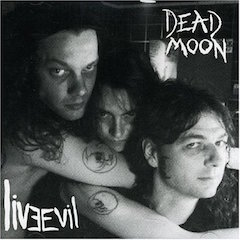 Dead Moon: Live Evil
(Music Maniac, 1991)
Dette er et livemusikk i sin aller pureste form, fra et band som dyrket det autentiske og upolerte i hele sin framferd. Oregon-trioen Dead Moon spilte kupunka garasjerock i klassisk nordvestlig tradisjon som strekker seg fra The Kingsmen og The Sonics til The Wipers og Mudhoney, og de fravek aldri sine musikalsk estetiske prinsipper. I løpet av sine snaue 20-årige eksistens siden oppstarten i 1987 etterlatte de seg en omfattende katalog, der denne liveskiva står igjen som en glimrende dokumentasjon av deres tidlige fase. Her tar vi del i det varme samspillet mellom mann og kone Fred og Toddy Cole, og deres trofaste trommis Andrew Cole som gikk bort i mars 2016, bare 54 år gammel.
Dead Moon vekslet alltid mellom det ekstatiske og det sårbare, eksemplifisert i en sjelden ute versjon av ”Can’t Help Falling in Love” etterfulgt av klassiske ”54/40 or Fight”. Spørsmål de to i mellom som ”Are you still in tune?” blir alltid møtt med et likegyldig skuldertrekk, før de harver løs igjen. Like surt og deilig som alltid.
Dead Moon var et band plent umulig å mislike.
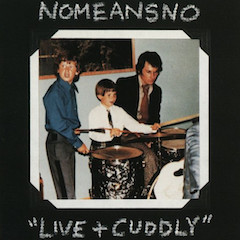 Nomeansno: Live + Cuddly
(Konkurrel, 1991)
Nomeansno hadde noen av sine beste album bak seg da dette doble livealbumet så dagens lys i 1991, i ikke minst klassikeren Wrong som kom et par år i forveien. Opptakene fra Vera og Effenaar i Nederland fanger Vancouver-trioen, anført av allerede da det godt voksne brødreparet Mr. Wright, i sedvanlig spillemessig godlune og proppfulle av energi.
Nomeansno var aldri enkle å presses inn noen som helst bås, der de brakte impulser fra jazz, progrock og funk inn i en elastisk, hyperaktiv og anarkistisk punk-variant. Med sin voldsomme rytmiske motorikk og et frenetisk samspill i det dynamiske trioformatet var de i hvert fall alt annet enn kjedelige. Musikalsk var Nomeansno en viktig innflytelse for både math-rock og post-hardcore som kom senere, det er vanskelig å tenke seg band som eksempelvis Shellac og Fugazi uten Nomeansno, og som band var de herlig udefinerbare og ganske så unike.
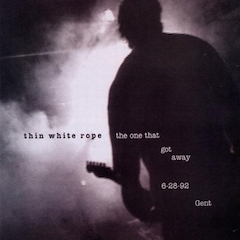 Thin White Rope: The One That Got Away
(Frontier/RCA, 1993)
Hedersbandet Thin White Rope har høstet ufortjent lite heder og ære etter endt karriere, og det på en katalog som er kjemisk renset for svakheter. Fra en litt nølende debutplate, leverte de en kjede av klassiske gitarrock-album utover på 80-tallet, der Moonhead (1987) og …in the Spanish Cave (1988) står igjen som påler. Anført av Guy Kysers autoritære, stoiske røst omgitt av kvernende gitarsaging, skapte Thin White Rope et sound beslektet til både Velvet Underground, Neil Young & Crazy Horse og Television, for kompakte til å være jangle, mørkere enn gjengs collegerock og for sære til å egentlig å tilhøre noen bestemt bølge falt Thin White Rope mellom de fleste stoler – bortsett fra den som er merket kvalitet. Et blikk på deres covervalg sier noe om spennvidden, og inkluderer Can, Dylan, Lee Hazlewood og Hawkwind. Det er vel egentlig selve destillatet de brygget sin egen musikk på.
Deres svanesang – om det er egentlig er et passende begrep på dette mørke monsteret av en liveplate – heter The One That Got Away og utvalget fungerer ikke bare som en tour de force over noen av deres beste låter, den fanger også bandets upolerte, massive lydvegg som de gjerne skrudde ned i studio.
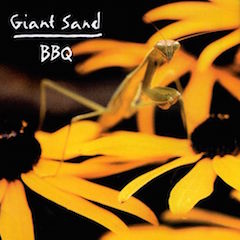 Giant Sand: Backyard BBQ Broadcast
(KOCH, 1995)
Gjennom hele sin karriere har Howe Gelb og hans musikalske livsprosjekt Giant Sand vært et utløp for noe dypt menneskelig og organisk. Giant Sand har aldri dyrket det perfeksjonerte, de har aldri vært statiske kopister av eget materiale, og aldri vært i nærheten av å gå i opptråkkede spor. Giant Sand har liksom alltid levd sitt eget liv, slik alles liv er en evig runddans mellom opp- og nedturer. Studioplatene deres er alle utelukkende tilfredsstillende, hvis man aksepterer dette som premiss: Det er ikke noe i livet som perfekt, og det er det som gjør det så rikt.
Med sitt kjære Tucson, Arizona som bakteppe har Howe Gelb blitt selve personifiseringen av sørvestens grensemusikk, ikke bare mellom USA og Mexico, men også mellom rock, jazz, country og whatever. Gelb kan gjerne plasseres et sted langs aksen Dylan og Young, men også mellom Thelonious Monk og Tom Waits.
I 1995 var Giant Sand midt inne i sin periode med det som i ettertid nok vil anses som deres klassiske besetning: Med Joey Burns og John Convertino (før de henga seg fullt til Calexico) og steelgitarist Bill Elm og Mike Semple (før de ble Friends of Dean Martinez).
Backyard BBQ Broadcast er ikke en ordinært liveskive fra én bestemt scene, men ulike opptak fra diverse lokasjoner, i hovedsak tilknyttet radiostasjonen WMFU i New Jersey. Halvparten av låtene her er tatt opp ’behind WFMU’s big old house’, og som tittelen indikerer er dette en plate som tar oss med ut av klubbens fire vegger, til åpen himmel og sene kvelder rundt leirbålet.
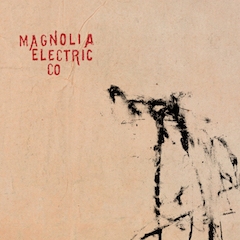 Magnolia Electric Co: Trials & Errors
(Secretly Canadian, 2005)
Da Jason Molina byttet artistnavn fra Songs: Ohia til Magnolia Electric Co. i 2003 var det mer enn bare en kosmetisk navnendring. Med sitt nye kompani bygde Molina opp et skikkelig band et godt stykke unna den lo-fi stilen han representerte tidligere i karrieren. Trials & Errors er en liveplate som dokumenterer Magnolia i en tidlig fase, og den står som en ren hyllest til rockens hardt arbeidende kultur. Dette ble noe av det råeste Jason Molina festet til tape, men med den såre følsomheten som alltid lå i både melodi, vokal og tekster bevares det intime uttrykket som alltid har vært hans kjennemerke.
Konserten er tatt opp i sin helhet i Brüssel i 2003. I tillegg til Molina spiller folk med erfaring fra blant annet John Wilkes Booze, The Impossible Shapes og Okkervil River. De danner en tett enhet som virker langt mer samspilte enn de i realiteten var. Gamle Ohia-fans vil nikke gjenkjennende til det upolerte soundet som først ble utforsket på Didn’t It Rain (2002) og ikke minst Magnolia Electric Co. (2003). Jason Molina utviklet en mer raspete sangstil, mens det duellerende gitarspillet mellom ham og Jason Groth veksler mellom lange flytende soloer og buldrende kraft. Hele kvartetten oser av svette, spilleglede og framdrift som gir ny kraft i Molinas beske poesi.
Det er lett å nevne Neil Young i samme åndedrag som Magnolia, men her legger de selv opp til det. To ganger i løpet av konserten trer Young fram fra skyggen. Først på ”Almost Was Good Enough”, der ”Out On The Weekend” inkorporeres i selve låten. Young kommer igjen helt på slutten, i massive ”The Big Beast”, der Molina drar strofer fra ”Tonight’s The Night” som en rungende avrunding. Rust never sleeps.
Cover foto: Butthole Surfers (Edward Colver)
Bjørn Hammershaug
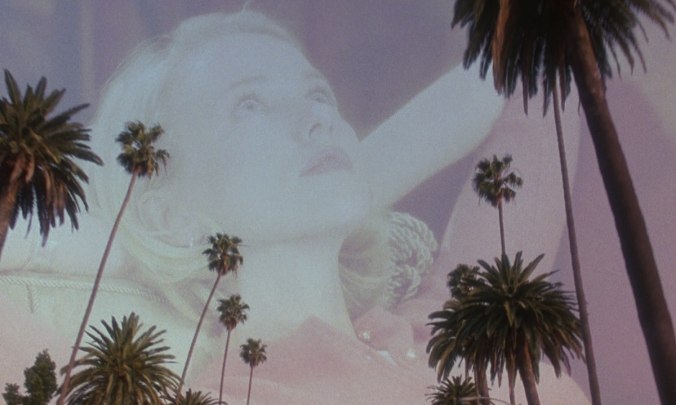 Dette er den ganske så subjektive og forsøksvis 100% ærlige listen over mine 100 favorittfilmer gjennom tidene, der personlige parametere lett går foran etablerte klassikere. Dette er først og fremst filmer som har gjort et uutslettelig inntrykk et eller annet sted langs livsveien, filmer som med glede kan ses igjen – og i mange tilfeller filmer som helt sikkert har tapt seg en del siden den gang. Som med de fleste andre inntrykk og utrykk er de vi eksponeres for i den mest sårbare alderen, et eller annet sted i årene mellom 15 og 25, også de som sitter sterkest igjen.
Denne lista er ikke uventet spekket med favoritter som Lynch, Cohen, Jarmusch og Tarantino, men for å unngå en orgie av de samme navnene har jeg satt en restriksjon på maks tre filmer pr. regissør. Aller øverst, en film som fanger hele essensen av filmkunst: Det å entre en mørk sal og gå inn i en annen verden, et sted der alt kan skje, der i lys av Hollywoods falmende neonfasader, the dream place, avdekkes skygger av magi. Hvilket annet sted kan man ønske å tilbringe tre timer enn langs Mulholland Drive med David Lynch i førersetet.
Mulholland Drive (US, 2001) David Lynch
The Big Lebowski (US, 1998) Joel & Ethan Cohen
Dead Man (US, 1995) Jim Jarmusch
Gummo (US, 1997) Harmony Korine
Fire Walk With Me (US, 1992) David Lynch
Donnie Darko (US, 2001) Richard Kelly
The Sweet Hereafter (CA, 1997) Atom Egoyan
The Wicker Man (UK, 1973) Robin Hardy
Withnail & I (UK, 1987) Bruce Robinson
River’s Edge (US, 1986) Tim Hunter
Ferris Bueller’s Day Off (US, 1987) John Hughes
Inland Empire (US, 2006) David Lynch
Pulp Fiction (US, 1994) Quentin Tarantino
Fargo (US, 1996) Joel & Ethan Cohen
Back To The Future (US, 1985) Robert Zemeckis
Sånger från andra våningen (SV, 2000) Roy Andersson
Barton Fink (US, 1992) Joel & Ethan Cohen
Days of Heaven (US, 1979) Terrence Malick
Grizzly Man (US, 2005) Werner Herzog
Stranger Than Paradise (US, 1984) Jim Jarmusch
This is Spinal Tap (US, 1984) Rob Reiner
Taxi Driver (US, 1976) Martin Scorsese
Monty Python & the Holy Grail (UK, 1975) Gilliam & Jones
Poltergeist (US, 1982) Tobe Hopper
Ghost World (US, 2001) Terry Zwigoff
Boogie Nights (US, 1997) Paul Thomas Anderson
Simple Men (US, 1992) Hal Hartley
Boyhood (US, 2014) Richard Linklater
Magnolia (US, 1999) Paul Thomas Anderson
Ghost Dog: The Way of the Samurai (US, 1999) Jim Jarmusch
Funny Games (AU, 1997) Michael Haneke
Oslo 31. august (NO, 2011) Joachim Trier
Manhattan (US, 1979) Woody Allen
The Breakfast Club (US, 1985) John Hughes
Ghostbusters (US, 1984) Ivan Reitman
Into the Wild (US, 2007) Sean Penn
Pidä huivista kiinni, Tatjana (FI, 1994) Aki Kaurismäki
Gremlins (US, 1984) Joe Dante
Apocalypse Now (US, 1979) Francis Ford Coppola
On Any Sunday (US, 1971) Bruce Brown
Paris Texas (US, 1984) Wim Wenders
Festen (DK, 1998) Thomas Vinterberg
Two-Lane Blacktop (US, 1971) Monte Hellman
Evil Dead (US, 1981) Sam Raimi
Brutti, sporchi e cattivi (IT, 1976) Ettore Scola
Stand By Me (US, 1986) Rob Reiner
Halloween (US, 1983) John Carpenter
A Nightmare On Elm Street (US, 1984) Wes Craven
Animal House (US, 1978) John Landis
Kill Bill, Vol. I (US, 2003) Quentin Tarantino
E.T. (US, 1982) Steven Spielberg
The Good The Bad and the Ugly (IT, 1966) Sergie Leone
Solaris (RU, 1972) Andrei Tarkovsky
The Exorcist (US, 1973) William Friedkin
One Flew Over the Cuckoo’s Nest (US, 1975) Milos Forman
Modern Times (US, 1936) Charlie Chaplin
Once Upon a Time in America (US, 1984) Sergio Leone
Short Cuts (US, 1993) Robert Altman
A Clockwork Orange (UK/US, 1971) Stanley Kubrick
Trust (US, 1990) Hal Hartley
Julien Donkey-Boy (US, 1999) Harmony Korine
American Splendor (US, 2003) Berman/Pulcini
Juno (US, 2007) Jason Reitman
Fyra nyanser av brunt (SV, 2004) Tomas Alfredsson
Goodfellas (US, 1990) Martin Scorsese
Annie Hall (US, 1977) Woody Allen
Hana-bi (JP, 1997) Takeshi Kitano
Sling Blade (US, 1996) Billy Bob Thornton
Reservoir Dogs (US, 1992) Quentin Tarantino
Happiness (US, 1998) Todd Solondz
Braindead (NZ, 1992) Peter Jackson
À bout de souffle (FR, 1960) Jean-Luc Godard
Nashville (US, 1975) Robert Altman
Woodstock (US, 1970) Michael Wadleigh
Easy Rider (US, 1969) Dennis Hopper
Quadrophenia (UK, 1979) Franc Roddam
Trainspotting (UK, 1996) Danny Boyle
Drugstore Cowboy (US, 1989) Gus Van Sant
The Shining (US, 1980) Stanley Kubrick
El Topo (MX, 1970) Alejandro Jodorowsky
Seven Samurai (JP, 1954) Akira Kurosawa
Trafic (FR, 1971) Jacques Tati
The Iron Giant (US, 1999) Brad Bird
Det sjunde inseglet (SV, 1957) Ingmar Bergman
Napoleon Dynamite (US, 2004) Jared Hess
Smoke (US, 1995) Wayne Wang
National Lampoon’s Christmas Vacation (US, 1989) John Hughes
Highway 61 (US, 1991) Bruce McDonald
Vanishing Point (US, 1971) Richard C. Sarafian
The Killer (Die Xue Shuang Xiong) (HK, 1989) John Woo
Eternal Sunshine of the Spotless Mind (US, 2004) Michel Gondry
Welcome to the Dollhouse (US, 1995) Todd Solondz
Pink Flamingoes (US, 1972) John Waters
The Amityville Horror (US, 1979) Stuart Rosenberg
Søsken på guds jord (NO, 1983) Fred Sassebo
Enter the Dragon (HK/US, 1973) Robert Clouse
Pan’s Labyrinth (SP/MX, 2006) Guillermo del Toro
The Texas Chainsaw Massacre (US, 1974) Tobe Hopper
Adjø Solidaritet (NO, 1985) Wam & Vennerød
Turnaround (NO, 1987) Ola Solum
—
Runner’s up:
Scarface//Midnight Cowboy//Repo Man//Bullitt//Groundhog Day// Chungking Express//Requiem for a Dream//Deliverance//There Will Be Blood//Deer Hunter//American Grafitti//The Graduate//Metropolis//The Godfather II//Rosemary’s Baby//Once Upon a Time in the West//Fight Club//Blade Runner//Blues Brothers//A Nightmare Before Christmas
Bjørn Hammershaug
“Men come and go, cities rise and fall, whole civilizations appear and disappear–the earth remains, slightly modified. The earth remains, and the heartbreaking beauty where there are no hearts to break….I sometimes choose to think, no doubt perversely, that man is a dream, thought an illusion, and only rock is real. Rock and sun.”
* * *
Thus wrote Edward Abbey in his seminal book, Desert Solitaire, a testament to the profound wisdom that comes to a man who spends too much time in the arid American Southwest.
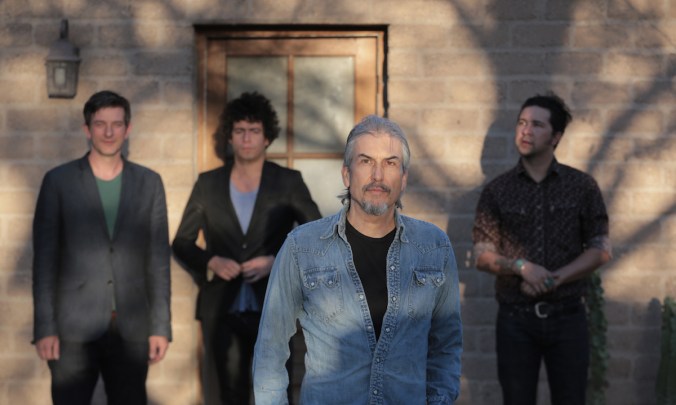
One might suppose Abbey would’ve had a lot to talk about with the mirage-like musical shaman known as Howe Gelb, who, along with his desert orchestra Giant Sand, has returned with yet another freewheeling blend of dusty Americana, sun-baked rock and jazzy piano lounge.
Thirty years since their debut, Heartbreak Pass is just another volume to the wonderful eclectic mix that has become Giant Sand’s trademark over the last three decades.
Gelb founded Giant Sand in the dry heat of Tucson, Arizona. Their album debut Valley of Rain fit well with other guitar-based bands of the time – R.E.M, The Dream Syndicate, Thin White Rope and Naked Prey – but the project soon evolved into something more than your typical rock group. Giant Sand became more like a gathering of family and friends, where everyone can participate for the cause of a greater good.
Thus the ‘band’ is has fluctuated between in more lineups than most with Gelb including his children and wives next to a huge cast of characters throughout the years. John Convertino and Joey Burns (later of Calexico fame), the late Rainer Ptacek, John Parish, Neko Case, PJ Harvey and M. Ward have all been part of this circuit.
Giant Sand have never been easy to categorize, a fool’s errand that gets harder every passing years, as Gelb & Co. have freely embraced new and disparate stylings into their seesawing sound. But whether it comes out as roots rock, gospel, jazz, punk, latin or lo-fi, it always comes out with the identifiable signature, with characteristic beatnik rhythms, shrewd lyrics and a warm, charismatic personality.
For Heartbreak Pass, Gelb has travelled halfway around the globe and back.
Gathering old and new friends, he invited Steve Shelley (Sonic Youth), Grant Lee Phillips, Jason Lytle (Grandaddy), Dutch band The Common Linnets and Danish pedal steel guitarist Maggie Björklund to participate on the new album. The cast is so big this time around that they’re not Giant Sand, or even Giant Giant Sand, but what Gelb himself has called Giant Giant Giant Sand.
We talked to the incomparable Howe Gelb about the making of Heartbreak Pass and the history of Giant Sand, concluding in a poetic guide us through the album’s realization.
* * *
How would you describe this incarnation of Giant Sand?
Responsible for the task at hand. Able and willing. Strong and vigilant. A swarm of self editing indulgence. Natural.
You have said that Heartbreak Pass consists of three volumes representing two lives for 30 years. Can you elaborate on the structure of the album?
The advent of these volumes lies in their particular cluster. Volume 1 begins the album for the first four songs. A louder volume with intended abandon. A lesser than… A buoyancy… A happiness.
The next four songs represent the second volume at a steadier pace. Pressing forward. Quieter and more understated with hidden strengths. Pedal steel alerts the listener to what they now call ‘Americana’ as well as a directness in lyrics. A clarity.
The final seven tracks lie in volume 3. This is really how the album first started being recorded, songs within a whisper. The heart in turmoil between the worlds at hand. A hushed tone, a moan, dangerously close to a sophistication. A ponder, a prayer… something down there under the surface layer.
You couldn’t have laid out this framework in advance, could you?
An album grows out of itself, like a plant. It’s impossible to know how it will branch out once you’ve seeded it, but you must be confident it will bear fruit. You can trim it along the way if it sprawls, entice growth with the right soil and watering – when the right season comes to harvest you will then know well the bounty you’re taking to market. But not until then.
How would you describe the atmosphere of Heartbreak Pass?
Worthy of a breadth.
As a musician you have always been very progressive, never replicating yourself, and you have never struck me as nostalgic when it comes to your art. Thirty years down the road, do you ever look in the rearview mirror of your career?
I like the past just where it is. There’s just no future without it – and that’s my present for you.

A lot of Howe Gelb’s friends were involved in the making of this album, and it came to life in various countries and cities. I asked Gelb to piece together the puzzle of Heartbreak Pass:
The beginning.
First came an attempt in Spain of a new song (“House in Order”) with my friends, the gypsies of Cordoba. But the song hadn’t yet become what it wanted to be, so we ended up surprising ourselves with a one-take wonder live in Tucson with just the three of us: Gabriel Sullivan, Thøger Lund and myself.
…but not until we first toured one last time as Giant Giant Sand, which included all the Danish players – Peter Dombernowski, Anders Pedersen, Nikolaj Heyman, Asger Christensen, Dr. Iris Jakobsen and Maggie Björklund – along with all the Arizona players: Gabriel Sullivan, Brian Lopez, Jon Villa and transplant Thøger Lund.
There in Belgium JB Meijers of The Common Linnets lined up a studio for us, engineered by my friend ‘Hoss’ from Mexico. We managed to keep two new songs from that night (“Every Now and Then” & “Done”) which I would later add the gospel choir I once used for the ‘Sno Angel [Like You] album in Canada.
At that point the band doubled in size again to number 20 members; Giant Giant Giant Sand… or
GIANT³ SAND.
After which the session in Tucson continued with just the three of us rendering some of the brooding piano pieces (“Pen to Paper” & “Gypsy Candle”). both of which Ionna Kelley would magnificently adorn from Phoenix, and an old nugget (“Man on a String”) that The Common Linnets help out on from the Netherlands.
When back in Europe, on tour in 2014, we spent the day off in Berlin at a studio, writing another new song there in the morning and tracking it that afternoon with our intended track (“Song So Wrong” & “Home Sweat Home”).
On summer holiday with the family in Portland, dad (me) spent some time hangin’ with Jason Lytle [Grandaddy] in his studio with a track he produced (“Transponder”)
…and also harvested an instrumental piano track from a live house gig there he recommended (“Bitter Suite”).
When back home for 5 minutes, a moment allowed me to scrawl out another new song in about 12 minutes and thusly recorded it there and then at Tucson’s own Wavelab studio (“Eye Opening”).
Then came a tour in the Balkans later that summer, along with Italy, that spawned another new song (“Hurtin’ Habit”) that featured Steve Shelley [Sonic Youth] on drums with backing band Sacri Cuori featuring guest vocalist Lovely Quincess from Croatia.
In September, during an invitation assisting Vinicio Capossela in Calitri, Italy, another new song was recorded having him wax poetically on (“Heaventually”) and which would be further guested by the harmonies and slide of Grant-Lee Phillips from Nashville.
Finally the last song added to the album’s collection would be done back in Tucson after a series of texts with old buddy Leslie Feist (“Texting Feist”) in the momentary studio of Tucson band Chicha Dust, including Brian Lopez and Gabriel Sullivan, along with Thøger Lund and myself, but most especially featuring original drummer Winston Watson from the very first Giant Sand album 30 years ago.
In between all of that, one day at home my 12-year-old daughter, Talula, came up with a song along with her daddy (me) that we immediately recorded on the iPhone (“Forever and Always”). But that’s just a family tradition.
Just before everything was collected up for mixing, the husband and wife team of Asger and Iris brilliantly recorded all the rest of their string parts on the isle of Crete.
These proceedings were then handed over to a one John Parish along with assistant Ali Chant who, besides throwing down the odd drum or two, mixed the entire batch there in Bristol, U.K.
The end.
Opprinnelig publisert på read.tidal.com 8.5.2015
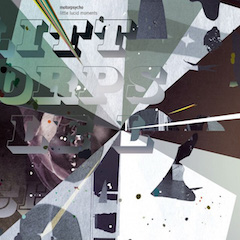 Confusion is kjeks
Lucide drømmer oppstår mellom våken og sovende tilstand, som drømmer man er bevisst på og til en viss grad evner å kontrollere. Lucide drømmeteknikker har vært brukt blant annet i forbindelse med spirituell utvikling, og kan være en skikkelig utadæsjælopplevelse.
Det er denne tilstanden Motorpsycho hensetter seg til på Little Lucid Moments. Det skjer med fire utmalende låter, som mer bærer preg av å være frembrakt under en sinnstilstand, en kollektiv mental reise, enn i en forhåndsplanlagt prosess.
Little Lucid Moments er verket som skal bringe Motorpsycho ’hjæm’, der de hører hjemme: Som en utsvevende, hardtslående og kompakt powertrio. Ingen korte poplåter, ikke noe dandy innpakning, ingen strykere eller tangenter denne gang – kun ren vare. Uforfalsket triolyd. Riffbaserte og frittgående space-jammer. Kosmisk tungrock på et melodisk fundament. Fire låter, en times spilletid.
Mannen som har fått Motorpsychos arv løftet på sine unge armer er Kenneth Kapstad, som har erstattet Håkon Gebhardt bak trommesettet. Hans bakgrunn som skolert jazzist, engasjement i band som Monolithic og Animal Alpha, samt et bankende hjerte for gammel metall gjør ham velegnet til å passe inn i Sæther/Ryans mangfoldige musikalske univers. Han har pondus nok til å være med å styre Knoll og Tott til en viss grad, og bidrar her med energisk og kontant spill som slippes godt frem i lydbildet. Det passer Motorpsycho anno 2008 utmerket. Overgangen til Rune Grammofon gjør det kanskje enda enklere for bandet å droppe ’låtfokuset’ og boltre seg i storformat, der de liksom slipper låtene løs for å se hvor de tar veien.
De åpner ikke opp for noe Armageddon, men virker kontrollerte og fokuserte, lydbildet er delikat og byr ikke i seg selv på mange utfordringer. De tar heller pop-formelen fra foregående skiver og strekker den i lengde, ikke i omfang. Det betyr at de melodiske kvalitetene er beholdt, samtidig som de frittgående elementene får større spillerom. Motorpsycho har alltid vært et referanseband, og har i forkant av denne platen trukket tråder mellom Black Sabbath, John Coltrane og Deep Purple som sentrale for sitt eget musikalske utgangspunkt. Jeg hører ikke så mye frijazz, selv om det improviseres i jam-partiene, men derimot er Little Lucid Moments et destillat av klassikere som Made in Japan, Space Ritual, Close to the Edge og Live at Leeds. De omgir seg med mange klisjeer, men det kan være greit så lenge man ikke faller ned i andre enn sine egne. For Motorpsycho behersker dette faget, i likhet med andre skjeggrockere som Comets On Fire, Black Mountain og The Mars Volta. Vokalen er det svake punkt i bandet, men også denne fungerer på sitt hanglende, naivistiske vis.
Platen åpner med den firedelte ”Suite: Little Lucid Moments” (hvem driver med ’suiter’ fremdeles, liksom). Knatrende trommer, rett på sak: Det hengslete, dog kompakte drivet som Motorpsycho har gjort til sitt eget uttrykk. Her akselereres det raskt i en aldri hvilende låt som bølger frem og tilbake mellom utagerende gitareksesser og melankolske vokalpartier. Det flørtes mot både Purple, Sonic Youth og vestkystrock, men Kapstads tighte skinnpisking bidrar til å holde det hele sammenbundet.
Det stilles en del krav til låter som strekker seg over 20 minutter, men Motorpsycho holder nerven gjennom hele det dynamiske tittelsporet, som står igjen som en maktdemonstrasjon av bandets retrofetisj i det som er en potensiell livefavoritt framover.
De øvrige tre sporene ligger på 10-15 minutter. Det er altså et ambisiøst løp Motorpsycho har lagt ut på her, og det er ikke alltid like vellykket selv om alle låtene har sine fete partier. Mens åpningssuiten virker som ett sammenhengende stykke som ikke kunne vært særlig kortere, så blir en låt som ”Year Zero (A Damage Report)” mer omstendelig, og utstrekningen tyngre å forsvare. Litt for lange ”She Left on the Sun Ship” stamper rundt en del gammel grøt, og trusselen om å eksplodere i alle regnbuens farger mot slutten er ikke reell der den langsomt mest bare svinner hen. ”The Alchemyst” starter der ”…Sun Ship” slutter; oppe i det blå, og er igjen et skoleeksempel på bandets rekkevidde. Her beveger de seg fra space og ned til jorden igjen gjennom progpartier, sneiser innom en catchy popmelodi og forsvinner ut bakdøra med en dose støyete krautrock som med glede kunne vært strukket ytterligere. Det er på disse to rammesporene trønderbandet fremstår på sitt aller beste.
Little Lucid Moments er ikke så ukommersiell og ’sær’ som enkelte har hevdet, de lange låtene til tross. Det er en plate som befester Motorpsychos stilling som bandet med husrom og hjerterom for det som er av kul musikk fra 70-tallet. De er ikke ute etter å fornye musikkhistorien, men deres egen kunnskap overskygger heller ikke det som kommer ut igjen fra det motorpsykiske hus. Dessuten skal jeg vedde på at disse låtene er enda hvassere i liveformat.
Little Lucid Moments Rune Grammofon (RCD2073)
Motorpsycho:
Hans Magnus Ryan
Bent Sæther
Kenneth Kapstad
Produsent: Bent Sæther/Helge Sten
Tekniker: Kai Andersen og Sven Olsen
Miksing: Jørgen Træen
Mastering: Bob Katz
Bjørn Hammershaug
Opprinnelig publisert på ballade.no 4.4 2008, og gjengitt her med velvillig tillatelse.
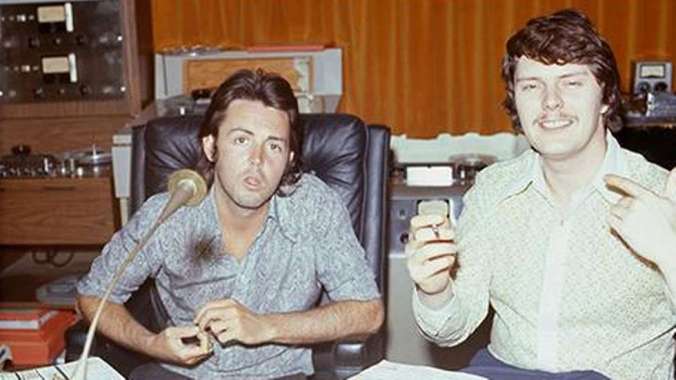
Foto: Linda McCartney
I februar 2013 hadde vi i daværende WiMP et større fokus på Paul McCartney i forbindelse med at hans albumkatalog i tiden etter The Beatles da ble tilgjengelig for streaming. De fleste kjenner til McCartney, men det få vet er kanskje at en nordmann var sentral i lydkulissene på flere av hans album, ikke minst på RAM (1971) som anses som et av Maccas definitive soloalbum.
Det kanskje enda færre har fått med seg er at Eirik Wangberg må være den nordmann involvert i flest kjente produksjoner – i hvert fall pre-Stargate. I tillegg til McCartney har han jobbet med artister som Brian Wilson, Diana Ross, Olivia Newton-John, Jackson 5, John Mayall, Donovan, The Turtles og The Mamas & Papas. Listen over de produksjonene som bærer Eirik ”The Norwegian” Wangbergs signatur er i det hele tatt imponerende lang. Dette intervjuet med den imøtekommende studiolegenden har nå fått ny aktualitet ettersom hans selvbiografi Mitt liv blant stjerner nå er ute.
Eirik Wangberg hadde allerede en karriere bak seg som medlem i Oslobandet The Cool Cats, sammen med blant andre Jan Rohde og Ole A. Sørli, da han i 1964 forlot Oslo til fordel for California for å studere. Der begynte hans karriere som lydprodusent, som raskt brakte ham til å jobbe med de store kanonene der borte.
– Jeg ville lage plater, og begynte først i Sverige, men ingen ville ha meg som artist. Så jeg bygde et studio selv, spilte inn og fikk gitt ut plate som Eirik Wangberg With The Noisemen i Stockholm – hos Polar Music. Jeg gjentok opplegget i California, og fikk etterhvert jobb i et proft studio i Nord-California. Der ble jeg teknisk leder i en alder av 21-22 år. Dette førte igjen til at jeg i Los Angeles kom inn i et topp studio og endte opp blant kremen av artister, forteller Wangberg.
Hva var din primære oppgave i studioarbeidet de første årene, da du er kreditert på utgivelser med bl.a Turtles, The Mamas & Papas og Buffalo Springfield?
– Jeg kom i gang i Sound Recorders Studio i Hollywood januar 1967, først som ’second engineer’, der jeg assisterte anerkjente Armin Steiner. Etter noen måneder begynte jeg å ha egne sessions. Med årene ble det mer og mer plateproduksjon, og jeg bar flere hatter. Jeg ble jo også kjent med artistene, og flere av de er jeg fortsatt venn med den dag i dag.
En av dine tidlige oppdrag var på SMiLE med Brian Wilson. Hvordan opplevde du å jobbe så tett innpå det musikalske og eksentriske geniet?
– Joda, jeg jobbet direkte sammen med Brian Wilson på flere sessions, hovedsakelig med låten ”Vegetables”. Det var sprøtt. The Beach Boys dro til super’n og kom tilbake med poser fulle av grønnsaker. Dernest tygde de takten til låten med diverse av disse. Det var rene galskapen – og hvilket søl! For å lytte til stereo måtte Brian snu hodet sitt frem og tilbake mellom venstre og høyre høyttaler, han har dårlig hørsel på det ene øret…
Sammen med Brian Wilson står Van Dyke Parks igjen som en av de virkelig store innovatørene fra slutten av 60-tallet. Hva kan du fortelle om hvordan det var å jobbe med lyd for ham?
– Van Dyke Parks er selvfølgelig et annet geni. Det var bare herlig og spennende å mikse lyder og musikk for ham. Som med Paul McCartney, lot han meg forbausende nok ordne dette alene.
Hvordan kom samarbeidet med Paul McCartney i stand?
– Jeg ble rett og slett anbefalt etter at han forlot New York for å fortsette og gjøre ferdig albumet RAM i Los Angeles.
Kan du kaste litt lys over hvordan det var å jobbe med ham?
– Det blir for mye å fortelle om i denne omgang, men kort sagt er han et geni utover alle grenser. Jeg er svært takknemlig for at han hadde så stor tillit, og f.eks. overlot arbeidet til meg med å sette sammen en samling radio RAM PR-spots, og det å velge ut låtene og rekkefølgen som ble det ferdige albumet. RAM er hans sterkeste soloalbum, nettopp fordi det ligger så tett opptil Beatles-perioden, og det skinner gjennom. Jeg gjorde i alle fall mitt beste i så henseende.
En av artistene Wangberg jobbet tettest med på 70-tallet var den svenske artisten Ted Gärdestad. Han produserte Teds Amerika-plate og fikk med Toto og de andre superstjernene:
– Ted Gärdestad var en av dem som fikk hjelp fra Steve og de andre Toto-medlemmene på slutten av syttitallet. Gärdestad var på samme plateselskap som Abba, Polar Music, som av naturlige grunner på denne tiden hadde store økonomiske friheter. I 1978, samme år som Toto ga ut sitt debutalbum, endte Gärdestad opp i Hollywood for å spille inn sitt første engelskspråklige album, Blue Virgin Isles. Ut av dette kom også Melodi Grand Prix-bidraget ”Satellit”, dog innspilt med svenske musikere. Men sjekk likheten med ”Hold The Line” fra det nevnte Toto-albumet.
Her kan det også nevnes at Eirik Wangberg selv var artist på Polar i 1964 med singlen ”I Left My Baby Behind”, plateselskapets femte utgivelse – og før ABBA.
Sett i ettertid, hva er det største musikalske samarbeidet du har vært med på?
Paul McCartney og Grease med John Travolta og Olivia Newton-John er de første jeg må nevne. Det er ikke så lett å avgjøre, Michael Jackson, Scott McKenzie og flere andre er jo også musikalske kjemper!
Fra en lydprodusents side, hvilken produksjon er du selv mest fornøyd med?
– Det er vanskelig å plukke ut en favoritt blant så mange ’barn’. Hva med musikk fra Paul McCartney, Beach Boys (”Vegetables”), Scott McKenzie (”San Francisco”), Skylark/David Foster (”Wildflower”, en egen produksjon), Alex (”I Love Warzawa”, også en egen produksjon), The Turtles (”Happy Together”), Spirit (”I Got a Line on You”, egen) og Grease… Nei, det er for mange gode innspillinger her til å ta en slik avgjørelse, jeg får bare lyst til å nevne flere. Vil du vite mer, så kan du lese biografien min!
Bjørn Hammershaug
Opprinnelig publisert på WiMPbloggen 04/2-2013
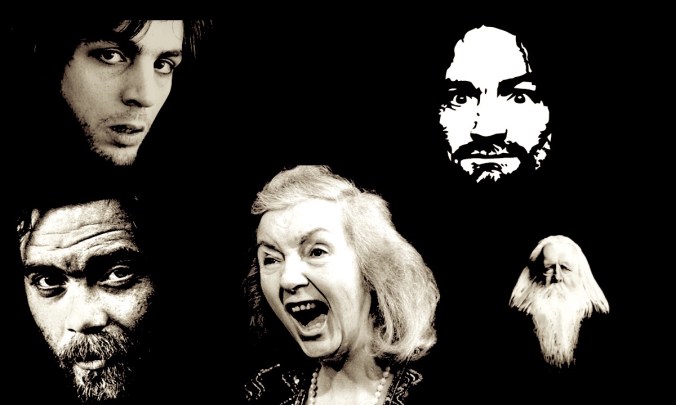 Dette er en hyllest til noen av anti-legendene i musikkhistorien. Enkelte har særegne og lite konvensjonelle musikalske uttrykk, noen har tragiske livshistorier som har overskygget deres karrierer og atter andre oversette eller glemte talent. Et gjennomgående begrep for de fleste av disse kan være ’Outsider music’, lansert på 1990-tallet av skribent og musikk-historiker Irwin Chusid. Han har viet store deler av sitt liv til å arbeide med musikk på utsiden av normen, definert av ham selv som ’crackpot and visionary music, where all trails lead essentially one place: over the edge.’ Her er over 20 artister som aldri gikk hovedveien, men som beriket (og beriker) musikkhistorien i langt større grad enn deres manglende kommersielle appell skulle tilsi
Hasil Adkins
 Hasil ’The Wild Man’ Adkins kom fra fjellsidene i West-Virginia, og startet med musikk på 50-tallet etter å ha hørt Hank Williams på radio. Han gikk ut fra at Hank spilte alle instrumentene selv, og Hasil startet dermed sitt ’one-man band’ som ble hans varemerke gjennom hele karrieren. Takket være entusiastene i Norton Records ble han til sin store overraskelse gjenoppdaget av et ’større’ publikum på 1980-tallet. Billy Miller i Norton minnes flere utrolige episoder med Adkins, mange samlet i høyt anbefalte Incredibly Strange Music vol. 1, som denne fra en opptreden på en klubb i New York: The ceiling fan was whirling around, making a creaky sound, and without missing a lick he reached down, pulled out a gun and shot it down – it was interfering with the song. Norton utga bl.a. samlealbumet Out To Hunch (1986) der vi finner signaturlåta ”She Said”. Hasil Adkins døde i 2005.
Lucia Pamela
 Lucia Pamela hadde en rik livshistorie. Hun rakk å bli kåret til Miss St. Louis i 1926, før hun dro til California for å drive en fornøyelsespark og startet der et av USAs første rene kvinneband (Lucia Pamela and the Musical Pirates – sammen med datteren, som for øvrig eide selveste St. Louis Rams). Mor var skuespiller, radiovert, men kanskje aller mest imponerende: I 1969, i en alder av 65 år, bygde hun en rakett og dro på rundreise i solsystemet, med innlagt stopp på månen for å spille inn sitt debutalbum. Denne space tripen ble foreviget med Into Outer Space With Lucia Pamela. Om albumet skal hun ha uttalt: ’It was recorded on Moontown. I was the only one from Earth there.’ I 1992 ble det re-utgitt av Irwin Chusid, og raskt en kultfavoritt. Lucia Pamela gikk bort i 2002, 97 år gammel.
Moondog
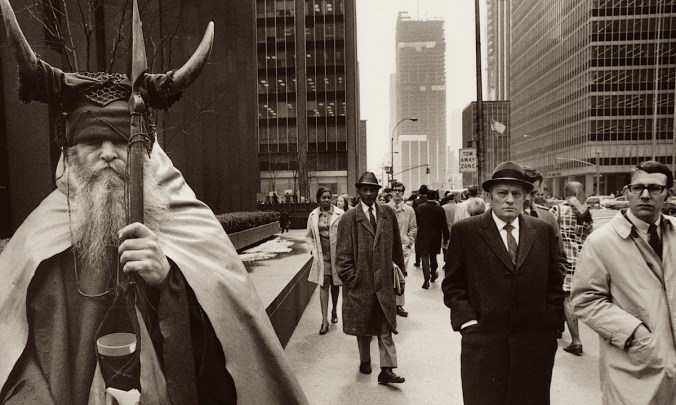 The Viking Of Sixth Avenue: Avantgarde-musikeren Moondog – født Louis Hardin – ble først kjent som et landemerke på Manhattan. Fra slutten av 1940-tallet til midten av 70-årene inntok den blinde og skjeggete mannen hver dag Avenue of the Americas for å framføre sin musikk og poesi. Kledd i en hjemmelaget drakt, iført sandaler og vikinghjelm var han utvilsomt litt av et syn på gata. Han kom seg etter hvert over til Tyskland og rakk der å få anerkjennelse som komponist og dirigent. Han ble også respektert i hjemlandet i sine senere år, og hadde en viss innflytelse blant moderne komponister og minimalister som Philip Glass og Steve Reich. Moondog var dessuten instrumentbygger, og stod bak harper han navnga Oo, Ooo-ya-tsu og Hüs (etter vårt eget ’hus’, hans interesse for norrøn kultur var stor). Moondog døde i 1999, 83 år gammel.
Charles Manson
Charles Mansons navn vil for alltid være knyttet til hans ’familie’ og den blodige nedslaktingen av uskyldige mennesker i California på slutten av 60-tallet. Før Mansons liv tok dramatiske veier, var han en av solskinnsstatens mange håpefulle musikere, og kompis med bl.a. Dennis Wilson fra The Beach Boys. Albumet Lie: The Love and Terror Cult ble utgitt etter at Manson ble dømt for sine ugjerninger (inntektene av denne går til ofrenes familier), men består av låter innspilt i forkant av drapene. Her er bl.a. originalversjonen ”Cease to Exist,” som Beach Boys spilte inn som ”Never Learn Not to Love”, og ”Look At Your Game, Girl”, senere tolket av Guns N’ Roses.
Peter Grudzien
 Peter Grudzien fra New York oppdaget hillbilly-musikken på 1950-tallet, og inspirert av Hank Williams og Johnny Cash startet han på det som skulle bli en snodig karriere – laaangt utenfor allfarvei. Han fikk smaken på hallusinerende knask på 60-tallet, og utviklet etter hvert teorier om at myndigheten drev med aktiv klonevirksomhet (ikke nødvendigvis en sammenheng, men mulighetene er vel tilstede). Uansett, i 1974 utga han albumet The Unicorn, en kul miks av country og psykedelia. Surrealistisk hillbilly-rock med homsevennlige tekster gikk, ikke uventet, under radaren både i konservative Nashville-kretser og andre steder, og albumet forsvant ut i obskuritetens tåkehav. Det fortelles at Grudzien skal ha skrevet over 900 låter, og fremdeles venter på et gjennombrudd.
Larry ’Wild Man’ Fischer

Manisk depressiv og schizofren, Larry ’Wild Man’ Fischer – ’the godfather of outsider music’, hadde ingen lett vei inn i artistlivet der han vandret gatelangs i Los Angeles og solgte sine sanger til forbipasserende. Han ble oppdaget av Frank Zappa på et fortau, som tok ham til seg og i 1968 spilte inn hans debutalbum. Deres samarbeid ble brått avsluttet da Fischer pælmet en flaske noen centimeter unna hodet til Zappas datter Moon Unit. Fischers mest kjente bidrag til popkulturen er nok ”Go To Rhino Records” – Rhinos første utgivelse fra 1975.
Et par album tidlig på 80-tallet gjorde lite for å booste hans karriere, og Fischer svant ned i glemselens mørke – inntil han ble gjenoppdaget på slutten av 90-tallet, og opptrådde bl.a. på Jimmy Kimmel med låta ”Monkeys vs. Donkeys”. Larry Fischer døde i 2011, 66 år gammel.
Roky Erickson
 Roky Erickson er en levende legende innen garasjerock/psykedelia – men også han med et trøblete liv som i stor grad har overskygget hans artistliv, og som gir ham en plass også på denne lista. Han slo gjennom med Texas-bandet 13th Floor Elevators i 1966 og låta ”You’re Gonna Miss Me”. Ericksons flørt med narkotika førte ham til et mentalsykehus (han sa seg utilregnelig for å unngå fengselsstraff etter at han ble tatt for en joint), der han ble erklært schizofren og utsatt for omfattende elektrosjokk-behandling i løpet av sine tre år bak sykehusveggene. Livet til Erickson – både som menneske og artist – ble lagt i ruiner, og han endte opp som en kulthelt blant de få mens han selv måtte klare seg på en spinkel trygd. Fra begynnelsen av 90-tallet ble han gradvis gjenoppdaget av en ny generasjon musikere og fans, og han fikk dessuten etterlengtet god behandling for første gang i sitt liv. I dag er han tilbake som en aktet og anerkjent musiker, dog noe redusert i adferden.
Wesley Willis
Wesley Willis døde i 2003, og ble bare 40 år gammel, men hadde ganske stor suksess som kultartist på 90-tallet. En svart, overvektig og paranoid schizofren outsider fra Chicago, Willis hadde aldri oddsene på sin side. Han ga ut godt over 50 album der han raljerte over temaer som bussruter, fast food og superhelter, og ble en favoritt for sine utagerende liveshows – særlig i Chicago-området. Noen gikk nok mest for å le av ham, men også mange fulgte ham på mer seriøst grunnlag.
Wesley Willis var for øvrig kjent for å alltid hilse folk med en real ’headbutt’, noe som resulterte i en kronisk flekk i panna. Ikke bare var en selv en tegner, han ble også foreviget i en utgave av Wonder Woman, utgitt på DC Comics.
The Legendary Stardust Cowboy
Psychobilly-pioner fra Lubbock, Texas. The Ledge, Norman Carl Odam, er en spaca cowboy som for alltid vil huskes best for sin første låt: ”Paralyzed” fra 1968 (med T-Bone Burnett på ville trommer) er en blanding av romreise, jodling, syretripp og rodeo som skaffet The Ledge 15 minutter i rampelyset. Der har han ikke vært altfor mye i årene etter. Men David Bowie var en svoren fan, og både spilte med The Ledge live og tolket en av hans låter: ”I Took a Trip on a Gemini Spaceship” (på Heathen).
Syd Barrett
 Syd Barrett stod bak et av historiens aller største band, men forsvant etter hvert inn i et mer tåkete landskap enn den som førte til stjernene. Hans oppførsel innad i Pink Floyd, trigget av ekstensiv bruk av LSD, ble etter såpass merkelig at han måtte forlate bandet etter deres første album.
Barrett fortsatte som soloartist i noen år og ga ut et knippe psykedeliske klassikere, før han forlot det hele og dro hjem til Cambridge, hjem til mor. Han snakket ikke offentlig siden midten av 70-tallet, og viet resten av sitt liv til å male og stelle i hagen. Han døde i 2006.
Daniel Johnston
 Musiker og tegner Daniel Johnston er en kulthelt blant både fans og ikke minst mange musikere som har trykket hans personlige, naivistiske poplåter til sitt bryst. Han startet sine hjemme-innspillinger på slutten av 70-tallet, og har holdt det gående mer eller mindre jevnt og trutt siden. Johnston har strevet hele livet med sine mentale problemer, men har også skapt en karriere som har hatt ganske så stor innflytelse, ikke minst innen indie/lo-fi. Han ble et nasjonalt fenomen da MTV fanget ham opp i 1985 (det var på den tiden MTV gjorde slikt), men mange ble nok først oppmerksomme på hans talent med den prisbelønnede og vellagde dokumentaren The Devil and Daniel Johnston (2005).
Tiny Tim
 Et særegent syn; to meter høy, flagrende hår, en gedigen nese og flamboyant stil. Tiny Tim spilte ukulele og sang falsett, og fikk en stor hit på slutten av 60-tallet med ”Tip-Toe Through the Tulips”. Det ble hans eneste smak av særlig suksess, og han tilbrakte resten av sin karriere med å spille på småsteder og jobbe på sirkus. Han ble gjenoppdaget på slutten av 90-tallet, blant annet opptrådde han på Conan O’Brien, men døde av hjerteinfarkt i 1996. På scenen, mens han sang ”Tip-Toe Through the Tulips”.
Jandek
 Notorisk kjent for sitt tilbaketrukne og hemmelighetsfulle liv, denne musikkens svar på J.D Salinger eller Thomas Pynchon. Det vi vet om ham: Født Sterling Smith, bosatt i Houston, Texas og har utgitt noe sånt som 70 album med særegen folk/blues siden slutten av 70-tallet. Han har gitt to intervjuer i sitt liv. Fram til 2004 var han knapt noe mer enn en anonym postboks, men da kom dokumentaren Jandek On Corwood (ref hans plateselskap) og han begynte så smått med å turnere i mindre skala. Uten at vi vet så mye mer om gåtefulle Jandek av den grunn.
Malinda Jackson Parker
 Eksentrisk kongresskvinne fra Liberia med mildt sagt særegen pianostil og vokalbruk. Malinda Jackson Parker har blitt sammenlignet som en miks av Lucia Pamela og Nina Simone, og spilte gjerne Rachmaninoff mens hun sang/snakket om moskitos, kumelk og palmetrær.
På låten ”Cousin Mosquito #1” sier hun ’cousin’ intet mindre enn 204 ganger. Ubetalelig.
Skip Spence
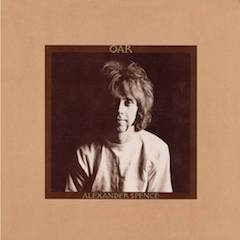 Nok en tragisk skjebne med store personlige problemer. Alexander ”Skip” Spence var medlem i band som Quicksilver Messenger Service, Jefferson Airplane og Moby Grape. Men i likhet med Syd Barrett forsvant han inn i syretåka, i likhet med ovennevnte Wesley Willis, Daniel Johnston og Wild Man Fischer led han av schizofreni, og i likhet med så altfor mange andre mentalt syke i USA endte han som hjemløs fram til sin død i 1999.
Hans kryptiske soloalbum Oar (1969) ble en gigantisk flopp i sin tid, men er rettmessig løftet opp til klassikerstatus med årene.
Eilert Pilarm
 Svensk Elvis-imitator som ikke sang spesielt bra. Og som ikke behersket engelsk så godt. Og som ikke lignet noe særlig på Elvis. Og som mest av den grunn i noen år ble enormt populær kultfavoritt her i Skandinavia.
Olga Marie Mikalsen
 Sangerinne fra Langevåg som slo gjennom med et brak blant ironigenerasjonen midt på 90-tallet, da hun gjorde sin versjon av ”Hurra for deg…” Olga Marie Mikalsen debuterte i godt voksen alder, på slutten av 60-tallet, og framførte sin spesielle lyriske alt i noen av verdens store konsertsaler. Men for de fleste vil hun nok helst forbindes med en reklamefilm for Solo. Olga Marie uttalte at hun aldri øvde (’har man det, så har man det’), og skapte seg en karriere med akkurat det som utgangspunkt. Hun gikk bort i 2006, 91 år gammel.
Florence Foster Jenkins
I samme åndedrag: Florence Foster Jenkins var en velstående diva som ikke ble kjent for sine sangtekniske kvaliteter. Vi gir ordet til Carnegie Hall, der hun opptrådde én gang, rett før sin død i 1944: ’In order for a singer to succeed, they need to have a combination of talent, charisma, and interpretive quality. And, by definition, they need to be able to sing. Florence Foster Jenkins had none of these attributes. In fact, she was considered one of the worst singers of all time.’ I forlengelsen av denne harde kritikken må vi også ta med Jenkins’ positive vinkling på det hele: ’People may say I can’t sing, but no one can ever say I didn’t sing.’ Herlig.
Jack Mudurian
 I 1981 var David Greenberg ansatt som pleier ved Duplex Nursing Home i Boston, der han ved en anledning overhørte en pasient ved navn Jack Mudurian som påsto at han kunne synge like mange sanger som Frank Sinatra. Minst. Greenberg tok ham på ordet, brakte med seg en opptaker og trykket record. Mudurian klarte å synge 129 sanger sammenhengende i løpet av 47 minutter. Opptakene ble utgitt i 1996, og det er unødvendig å si at albumet ble en instant kultfavoritt.
Alvin Dahn
Alvin Dahn, også kalt Dahn Halen, spilte inn kun ett album. Hans produsent oppsummer noen av hans kvaliteter: ’Alvin is good because he’s so very, very bad. He can’t sing certainly, but his music is very catchy and frightfully innocent and sincere.’
Bingo Gazingo
Tannløs slampoet og postmann fra New York som på sin eldre dager fikk et publikum i byens poesiklubber. The New York Times omtalte ham i 1997: ’Most evenings he can be found making his rounds in the East or West Village, dressed in a cheap, wrinkled suit, carrying a plastic bag full of props – an alarm clock, a can of sardines, a green plastic guitar and hundreds of tattered pages of lyrics that he has painstakingly composed over the last 10 years. And since his arrival on the amateur performance scene in the early 1990’s, many of those who have seen his indescribable act at the Wetlands, Fez, the Sun Mountain Cafe, Limelight and dozens of other clubs have doubted his sanity.’ Han døde i 2010, 85 år gammel, påkjørt av en drosje mens han visstnok var på vei for å opptre på Bowery Poetry Club.
Bjørn Hammershaug

