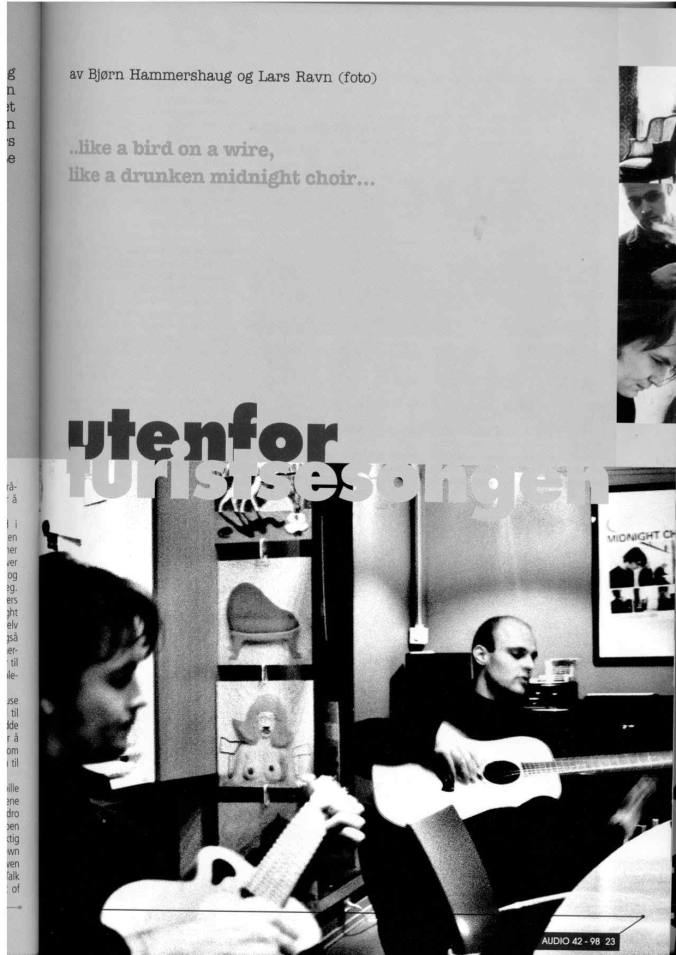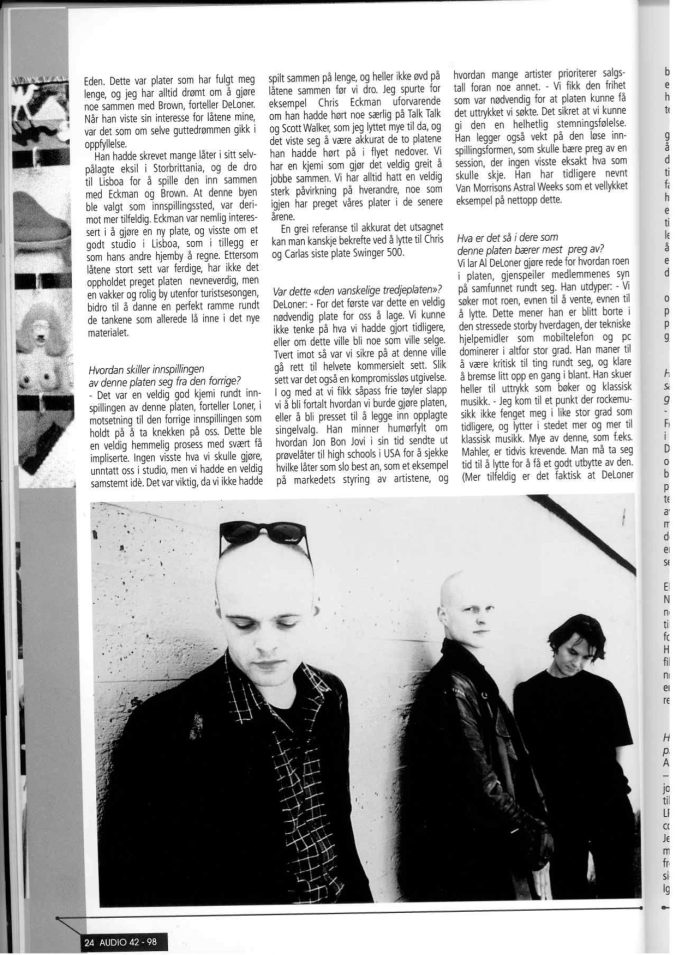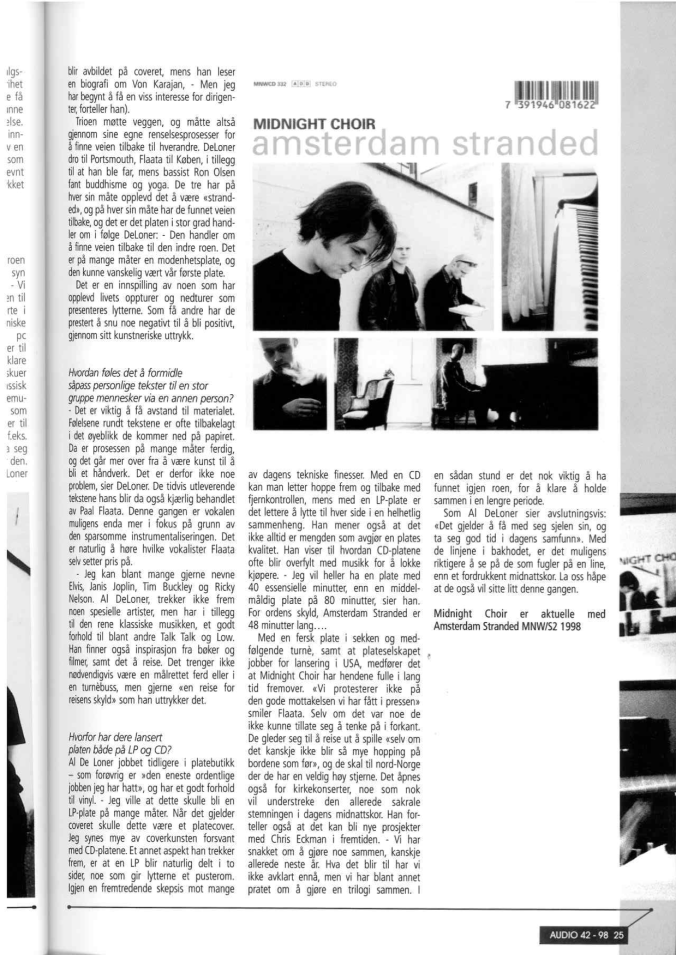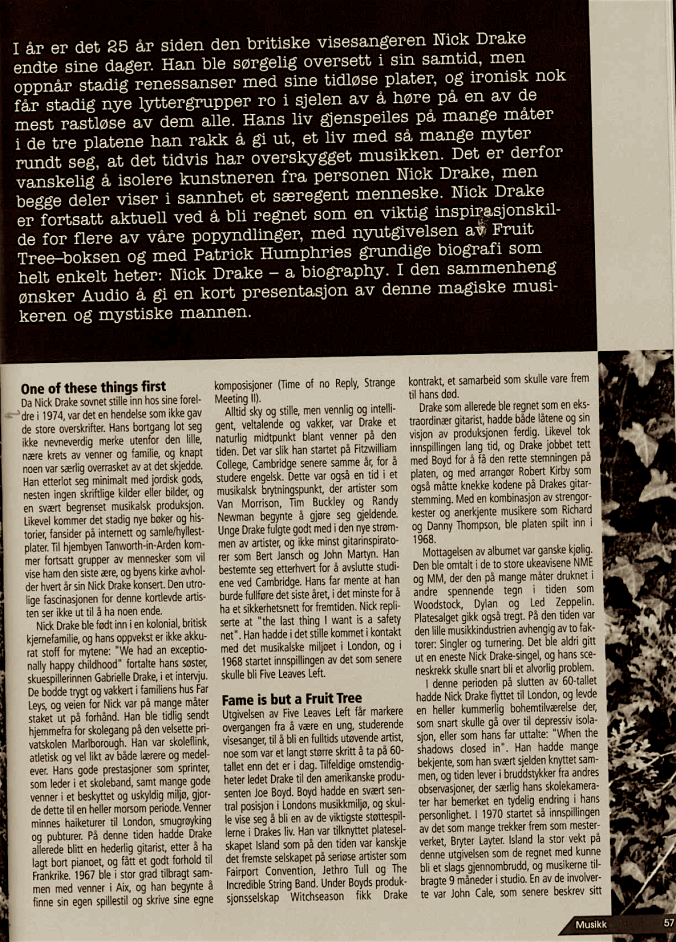
Harmonia: Deluxe

harmonia_800A look back at Harmonia: Deluxe (1975), the second album from Krautrock pioneers Harmonia, written in honor of founding member Dieter Moebius, who sadly passed away July 20, 2015, at the age of 71.

* * *

Harmonia was an influential German band formed in 1973, often referred to as a ‘supergroup’ due to its members’ backgrounds: Michael Rother of Neu!, Hans-Joachim Roedelius and Dieter Moebius of Cluster, and eventually the legendary British musician and producer Brian Eno.

Harmonia incorporated many of the archetypical Krautrock characteristics – ambient electronica, motorik 4/4 beats, prog improvisation, minimalist arrangements – which they processed and elevated into something totally unique and brilliant.

Two years after their debut, Musik Von Harmonia (1973), the band followed up with their crowning masterpiece, Deluxe (also styled as De Luxe). Produced by Conny Plank (Kraftwerk, Neu!, Ash Ra Tempel), the album was recorded in the band’s own Forst, Germany studio. Free jazz drummer and Guru Guru frontman Mani Neumeier also joined the sessions.

harmonia_240Deluxe is the sound of open-minded, free-thinking musical masterminds merging into an entity that’s even greater than the sum of its parts. Effortlessly interweaving shimmering keyboards, soft mechanical beats, and a melodic flow, the album sounds as sweet as a summer’s day. Just 40 minutes in length, but endless in depth and beauty, Deluxe is a timeless piece of music meant for eternity.

The album opens with electronic chirping of birds and warm, melodic synth lines, followed by the introduction of vocals, whose lyrics somewhat define the band’s modus operandi: “Immer wieder rauf und runter / Einmal drauf und einmal drunter…” Neumeier’s pulsating, percussive beats dominate the 10-minute epic, “Walky-Talky,” giving it a stable framework that the other three willingly play around, with psychedelic guitar lines and keyboards that build and evolve on themselves.

The more rapid “Monza (Rauf Und Runter)” is the most conventional Krautrock track here, with its linear, jogging rhythm, while “Notre Dame” waves back and forth between different themes – not aimlessly, but dreamily, like clouds that are formed, broken up and reshaped anew. Deluxe is a living, pulsating and joyful magic carpet ride, which eventually returns us back to earth with nature’s own ambient sound, concludinf “Kekse” and thus the entire album. Having traveled around the sun, in what may seemed like an eternal dream, we can see the world with new eyes.

Harmonia is often regarded as a side project, and therefore less important than bands from the same time and scene, but their influence extends far beyond that. Their position in the wave of early-’70s rock/electronica is concurrent with bands like Kraftwerk, Can and Neu! – all artists who sought other approaches to music than the Anglo-American blues-based style.

Without these bands, it is difficult to imagine David Bowie’s development in the 1970s, the rise of post-punk, new wave, new age or current day electronica, and the fundament of bands like Stereolab, Tortoise, LCD Soundsystem and countless others. In this musical chapter, Deluxe should hold a cornerstone position.

Last, but not least, it is a record that still holds up with beauty with grace, without losing any of its former glory.

The band’s entire catalog is highly recommended. Their debut is somewhat more ambient in style, an album that supposedly made Brian Eno describe Harmonia as ‘the world’s most important rock band.’ Unsurprisingly, he later joined the band himself, and together they made Tracks And Traces in 1976, a record that did not see the light of day for another 20 years.

Opprinnelig publisert på read.tidal.com 21. juli, 2015.

Bjørn Hammershaug

Distance, Light & Sky: Casting Nets

distance_lights_skyHidden behind this largely unknown band we find three very experienced musicians with different backgrounds: Singer-songwriter and multi-instrumentalist Chris Eckman is best known for fronting Seattle rock band The Walkabouts, and the duo offshoot Chris & Carla. British-Dutch singer-songwriter Chantal Acda is a member of the Isbells and recorded her last solo album, Let Your Hands Be My Guide, with Nils Frahm and Peter Broderick of Efterklang. Next to her and Eckman there’s percussionist and composer Eric Thielemans of the EARR Ensemble.

The trio recorded their album in analogue at Sono Studios in Prague with renowned producer Phill Brown (Talk Talk, Kristin Hersh, Midnight Choir, The Walkabouts and others). Casting Nets is wonderful and melancholic, made of quiet and calm sounds perfectly timed for these cold, wintery days. It’s also multifarious and nuanced, shaped by its composers and their various characters.

I asked Chris Eckman to guide us deeper into his new project, this album and how it came to life:

I met Chantal at a concert we both played at, her with her band Sleeping Dog and me solo, in San Sebastian, Spain in the late 2000s. We talked backstage after the concert, both intrigued by each other’s music, and after a few exchanged emails in the months that followed; we came to the idea of doing something together.

Several years passed and by the time we actually got together in the same room to play, Eric had also joined us. Eric was Chantal’s suggestion and it was such a great one. Eric’s drumming lifts the songs in directions that don’t ascribe to the normal singer-songwriter conventions.

The three of you all have quite different musical backgrounds. How did you manage to tie it all together?

By purposefully not talking about it much, [laughs], I think once you start playing with different folks, it either works or it doesn’t. And this just simply worked. All three of us are pretty good listeners. We clue in to what the others are doing and try to find something complimentary. It is not complicated but it is not such a common thing either. It is amazing how few musicians really listen.


I guess you had to explore the unknown, in order to find some sort of a common musical platform. Could you say something about the process in the studio and how you approached each other?

We shared the songs via email before we went into the studio, but before the actual recording we had only ever played once together, in 2013 at my studio in Ljubljana. So at the actual album sessions we had to very spontaneous. There wasn’t a predetermined script of how we would play each song. We would rehearse a bit, discuss the arrangement and then simply play it all together. There was almost no overdubbing. Even the vocals were mostly done as live performances. We did the album very fast. Six days I think.

We had a clear vision that this group of three people could make a decent album together, but the specifics of how that would work developed out of the process of doing it.

How did you choose the name Distance, Light & Sky? Does it reflect the elements within the music?

We liked the metaphorical nature of those words. Those three in a way represent elements of what we might sound like to somebody. Also, we liked that there are three elements in both the band and in the band’s name – and it is a title of one of the songs.

You’ve been working with Phill Brown for many years. What qualities does he add to your music – and how did he affect the result this time?

Phill is a great facilitator of ideas. He has seen everything in his long career, so nothing seems strange to him. He never says ‘that can’t be done.’ He also has a wonderful way of creating dimension and space in his recordings. It starts with the way he places microphones and he carries his vision of sound all the way through the mix. In fact distance, light and sky is a pretty good description of what a lot of Phill’s recordings sound like.

Where and how do you place Distance, Light & Sky compared to your other musical projects?

It’s hard to place this group in amongst my other musical endeavors, because I don’t have any perspective yet. It is too early. All I do know is that I really enjoy Chantal and Eric’s company on a personal and musical level.

We all agreed that if we referred to Distance, Light & Sky as a side project it would diminish our commitment to it, and other people’s perception of it. So for all three of us, it is very much a band – maybe not full time, as we are all in other bands, but it is a band that will hopefully work steadily over the next years.

distance_light_sky

Opprinnelig publisert på read.tidal.com 6. desember 2014

Bjørn Hammershaug

I Don’t Look Back: David Thomas Unedited

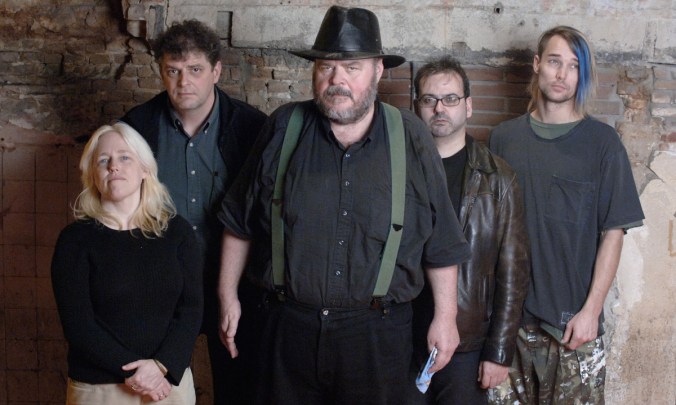
pere_ubu_1200“I think that in general rock critics aren’t nearly as good at their job as I am at my job. I think that in general rock critics are ignorant of the history of rock music and have no respect for it, or understanding of it, as an art. I think that in general rock critics are lazy and have not thought out what they are doing.”
David Thomas

***

To put it mildly, Pere Ubu is one of the most important bands of the post-punk era.

pere_ubu_modern_dance_240Birthed from the ashes of the seminal proto-punk group Rocket From the Tombs, they were founded in mid-70’s Cleveland, Ohio, and are still going strong with David Thomas as the sole constant member.

Rocket From the Tombs didn’t gain much attention during their year being active (1974–75), nor did they even release a full album at the time.

Nonetheless the flash-bulb project did leave behind legendary tracks like “Sonic Reducer,” “Final Solution” and “30 Seconds Over Tokyo,” songs they brought into the two offshoots: Dead Boys and Pere Ubu.

Pere Ubu released their landmark debut album, The Modern Dance, in 1978. It is considered a classic, as are the 1979 follow ups, Dub Housing and New Picnic Time.

After a brief hiatus in the 1980s, when Thomas established himself as a solo artist and in various constellations, the group reformed in 1987. They been steadily releasing albums and touring ever since.

Without Pere Ubu, there would probably be no Pixies, Gang of Four, Mission of Burma, Feelies, Wire, or Mekons. In short, music as we know it would have been a lot more boring without them.

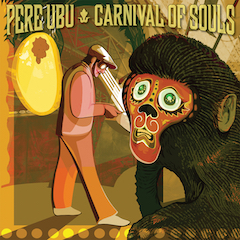
pere_ubu_carnivalFast forward to 2015. Pere Ubu has just released the highly-acclaimed Carnival of Souls, their third album in a trilogy inspired by classic films.

Says Popmatters, “This is the most cohesive, band-centric album the current iteration of Pere Ubu has released, its strongest album of the new millennium.”

I was given the opportunity to interview David Thomas over email. Being longtime fans of the legendary band, I tried to come up with some meaningful questions addressing both the new album and the band’s 40-year history, in order to bring light to their under-appreciated legacy.

My mistake: I didn’t read the Ubu Projex Press Center up front, and, as it turns out, Mr. Thomas doesn’t like answering the same question twice. We assume he was a bit short on coffee when he set the record straight for us in true punk rock fashion.

And yeah, he doesn’t look back.

I Don’t Look Back: The Unedited David Thomas Q&A

The recent Punk 45 compilations from Soul Jazz Records have sparked a revived interest in the Ohio music scene in the 1970s, commonly hailed as the true birthplace of punk rock. You played an important role in this birth. How important is this legacy for you, personally and for that time and place? Is this glorious past something you reflect on much these days?

Since the American Federation of Musicians has blocked us from performing in America, we have renounced not only our American ‘citizenship’ but also our American past. We’re not from Cleveland. Pere Ubu was formed in Leeds, England, in 1975. We are an English band. I don’t know anything about Cleveland. Sounds like an interesting place. I may visit there one day.

The Cleveland and Akron areas both share a history of industrial decline parallel to the growth of punk rock. How would you describe the socio-economic/artistic environment of the time, and in what ways do you think these bleak surroundings actually affected the music?

See above. Don’t know anything about those cities.

Do you think being situated far from the cultural hubs on the coasts made you more of a close-knit group of people in those early days? That is, to what extent did you work together and help each other out in the local community? Did you make any fanzines, set up gigs together? Was there a common spirit?

See above.

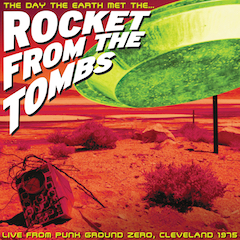
rocket_from_the_tombs_240What were the driving forces for starting up Rocket from the Tombs, and who were your main influences back then?

I was never in Rocket From the Tombs.

Rocket From the Tombs is one the true proto-punk bands, whereas Pere Ubu took a turn into post-punk before even punk was commonly known. What intrigued you about more experimental, avant-garde ways of making music?

I don’t look back.

This year marks the 40th anniversary for Pere Ubu. Did you think, early on, that this was going to be for the long run?

Yes.

Looking back, what do you think is the greatest achievement in this 40 year long history?

I don’t look back.

You are responsible for a couple of the most celebrated albums in the post-punk era and leading a hugely influential band. Do you think such acclaim has affected you artistically?

No.

As the only perennial member of the band, what constellation or epoch of Pere Ubu are you most satisfied with?

‘I don’t look back’ means I don’t look back.

Your most recent album is called Carnival of Souls. What is the background of this album and how did it come to life?

Read http://www.ubuprojex.com/cos.html and the ‘Cogs’ book.

Carnival of Souls has received some rave reviews. One critic said, ‘this album, much like the majority of their canon, is superb. Ratings and critical words are totally unnecessary at this point: This is a Pere Ubu album. It is exactly what you expect and exactly what you don’t.’ Is this a satisfying phrase for you – the idea that after 40 years, you’ve not only carved out a unique sound, but also managed to continually surprise listeners?

I don’t do anything to feel satisfied. I do it to prove how much pain I can endure.

What kinds of territories are still unknown to you, where can we expect the next musical journey of Pere Ubu and David Thomas will lead us?

I don’t tell the band. There’s no reason I am going to tell you.

david_thomas

***

[I wish I had read the below excerpt before agreeing to interview David Thomas. (“Frequently Asked Questions,” ubuprojex.com)]

Do you consider yourself to be an excessively controlling person, in terms of compiling information; or are you just not keen on answering the same thing a thousand times? What was your approach to the press and interviews overall, and has it changed over the years?

The website ubuprojex.com is very complete. There are very few interviews that aren’t completely covered within it.

Two issues: (1) Efficient use of computer/information technology means you should never have to type in the same data more than once. So, yes, I hate answering the same question a thousand times.

(2) Information may as well be available to all, not just self-appointed media elitists. I am nearly at the point of refusing to do face-to-face interviews or phone interviews. Generally it seems to me these are excuses for the journalists not to prepare ahead of time, plus a certain arrogance/sense of self-importance that the answer I give will / should be unique to them.

Opprinnelig publisert på read.tidal.com 19. mars, 2015.

Bjørn Hammershaug

The Cool Rulers: Low Frequency in Stereo

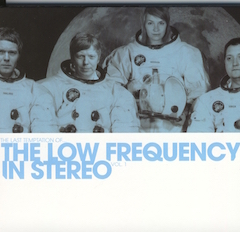
lfisDette intervjuet fant sted på Café Mono i mars, 2006 i forbindelse med deres da nye album The Last Temptation Of…

Snart seks år siden debuten er ikke The Low Frequency In Stereo lenger å betrakte som et nytt tilskudd i norsk rock, men med sin tredje plate The Last Temptation of… har kvartetten tatt nok et steg videre bort fra post-rocken som var deres utgangspunkt, tenk Mogwai og Tortoise, og søkt nye retninger. Vi snakker ikke om et fullstendig hamskifte, men en naturlig utvikling som inkluderer mer fokuserte låter og økt vokalbruk. Med nok et strålende album bak seg og et mulig internasjonalt gjennombrudd i kjømda var det på høy tid å gå dette bandet litt nærmere i sømmene.

lfis_temptationThe cool rulers
The Low Frequency In Stereo har alltid blitt møtt med velvilje fra kritikerne, men fram til nå har de nok tilhørt en mer obskur sfære for det store publikum. The Last Temptation of… blir vel heller ingen ’landeplage’, men ikke bare har bandet selv tatt tiden til hjelp for å bygge opp en bærekraftig karriere, tiden har også kommet dem i møte. Nå som rastløs og dansbar post-punk med slipstvang har blitt en trend, er kanskje tiden moden for å skape gjenklang blant nye kull som har oppdaget rytmisk energi som sentral drivkraft i rocken. Under by:Larm i Tromsø 2006 var det ikke rent få nye artister som forsøkte seg på noe av det samme, men ingen var helt i nærheten av å fremvise det kompakte drivet og den ukontrollerte sikkerheten som ringrevene fra sildabyen.

Deres renommé som liveband har da også tidligere blitt lagt godt merke til, særlig kommentaren til Rolling Stone-journalist David Fricke er velbrukt. Han omtalte bandet som ’the cool rulers of Scandinavia’ etter deres opptreden på bransjemønstringen South by Southwest i Austin, 2005. Etter by:Larm ble de sammen med blant andre Serena Maneesh valgt ut til å spille på den engelske ekvivalenten til SXSW; The Great Escape. De skal også vise seg fram på et svensk bransjetreff senere i vår, og spille på den danske Spot-festivalen, Øya og Kongsberg Jazzfestival.

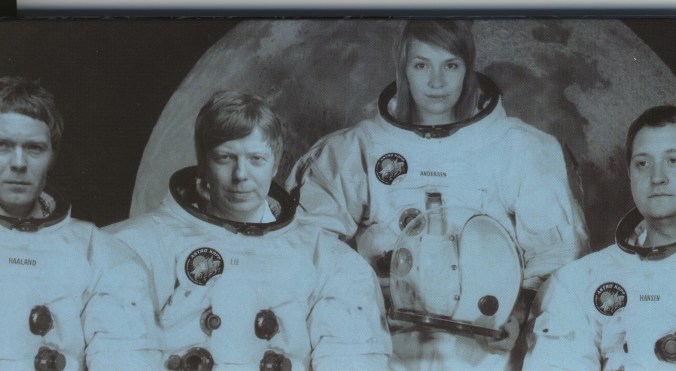
Det er ikke rart at keyboardist Hanne Andersen er relativt oppglødd og ser positivt på framtiden. Jeg satte meg sammen med denne sympatisk fjerdedelen av bandet, blant annet for høre litt om hva skjer framover. Men det ble like gjerne en samtale som penset rundt andre temaer.

Da kulturkomiteen var på rockekonsert
Andersen fisker opp en fersk Aftenposten og åpner kultursidene. En dobbeltside viser Stortingets kulturkomité på befaring i hovedstadens musikkmiljø guidet av Norsk Rockforbund. Illustrasjonsfotoet er hentet fra Mono og Low Frequencys showcase kvelden før.

– De kjøpte platen alle sammen, humrer hun, men tar opp saken i første rekke grunnet sitt varme engasjement for økte kulturmidler til rocken.

– Jeg er så inderlig enig med Norsk Rockforbund som forsøker å sette fokus på hvor viktig det er å gi støtte til spillestedene, slik at de faktisk kan betale banda skikkelig. Mange får jo turnéstøtte, men det holder knapt nok til bil og bensin. Vi bor i et langstrakt land hvor det er dyrt å turnere. Nå har vi reist å rundt å spilt i seks år, og vi har faktisk turnert minst i Norge, sier hun.

Spillestedenes trange kår er igjen et aktuelt tema, nylig måtte to av Oslos mindre klubber stenge dørene grunnet økonomiske problemer; Skuret kulturpub og Rock Bottom. – Det er så synd, for det var virkelig bra plasser, og så er de bare nødt til å legge ned. Det er ikke slik som gagner kulturen.

Low Frequency har inntil nylig hatt en særlig sterk tilknytning til Danmark, direkte linket til gitarist Per Plambech Hansen, som nå har sluttet i bandet grunnet geografiske hensyn og blitt erstattet av Njål ’The Kid’ Clementsen. I to år var København hjemmebase der hverdagen stort sett bestod av lusne dagjobber og intense bandøvinger.

– Forskjellen mellom Danmark og Norge, er først og fremst at det er så få byer å spille i, bortsett fra København er det egentlig bare Aalborg, Århus og Odense. Men alle klubbene vi spilte hadde statlig støtte, så de kan gi brukbare honorar for den jobben man faktisk gjør. Man kan sette en pris på den kulturen man bidrar med, og rockemusikere er desidert de mest underbetalte i kultursammenheng. Det virker ikke som det er ansett som høyverdig hvis man går rundt i svarte klær og er rufsete på håret.

Sildarock og danskepølse
Årabrot er også et fremadstormende (i hvert fall stormende) band fra Haugesund. Det virker som det skjer en del kreativt i hjembyen, noe også Andersen bifaller.

– Det gjør det, og jeg tror det skyldes at vi har lært at man får ikke mer moro enn det man faktisk skaper selv. Mye skjer rundt det Gamle Slakthuset som er en base for en stor del av ungdomskulturen i Haugesund, med blant annet øvingslokaler og spillescene. Det er rett og slett veldig mye bra band som holder på. Vi ble en gang spurt om vi så på oss selv som outsidere, men det skjer så mye rart hele tiden at det ikke går an å være outsider der nede.

Hvilken betydning tror du tilhørigheten til Haugesund har hatt å si for deres musikalske utvikling?

– Jeg tror vi har hatt muligheten til å se ting mer utenfra, for eksempel Oslo og Bergen, og da er det nok lettere å bli obs på hva som skjer og hva som er typisk i de store byene og ta et bevisst på valg på hva man selv vil gjøre. Fra Bergen har det kommet mye electronica og fra Oslo mye garasjerock, mens vi driver med et sammensurium av stilarter. Det kan nok skyldes at vi selv har bodd i utlandet i noen år. Vi fikk med oss mye band i Danmark, og jeg tror det formet oss ganske mye. Den perioden var veldig verdifull, det var der vi fant oss selv som band.

Andersen kan fortelle at i Danmark er gapet mellom undergrunnen og de etablerte mye større enn her hjemme. Vi har penset samtalen inn på det tilsynelatende fraværet av spennende artister fra nabolandet. Hva som er grunnen til at Norge blir sett på med misunnelse og følges med argusøyne kan ikke bare skyldes tilfeldigheter. Andersen mener at en viktig årsak er fraværet av et skikkelig apparat som kan trekke fram nye, spennende artister. Siden småklubber som Vega og Loppen har muligheter til å booke mindre og ukjente band skulle man tro at undergrunns-scenen blomstret i Danmark:

– Det som mangler er personene til å jobbe med dette på en skikkelig måte, for eksempel bra management. Små plateselskap finner man nesten ikke i Danmark. De har Spot-festivalen i Århus som vi skal spille på, som vel ikke er spesielt rettet mot bransjen, og så vidt jeg vet har de ikke noe som tilsvarer for eksempel vårt by:Larm.

lfis_moskusYoo Doo Right
The Low Frequency In Stereo har etterhvert blitt godt vant med å spille rundt om i verden. Tyskland er det mest vellykkede satsningsområdet så langt, men det jobbes også mot England og USA framover. En av de viktigste konsertene var nok på Austins SXSW i 2005. Hanne Andersen undervurderer ikke verdien til denne festivalen, som pågår igjen akkurat i disse dager.

– Vi sikret oss god forhåndsomtale ved å dele ut mye på promos til lokale medier på forhånd, og ble for eksempel belønnet med Pick of the day i Austin Chronicle. Akkurat det var gull verd. Vi ble jo veldig fornøyd med beskrivelsen til David Fricke i Rolling Stone som kalte oss ’the cool rulers’ og slengte inn referanser til Joy Division, The Doors og gitar-twangen til Dick Dale.

Nylig spilte de i Hellas, noe som også var en udelt positiv opplevelse:

– Det var veldig spesielt. Vi visste ikke at vi var et band folk snakket om i det hele tatt. Men vi er spilt mye på radio der nede, og ble møtt med stor interesse i form av intervjuer, både TV og nasjonal radiodekning, pre-fest med mye folk, og ikke minst en fullstappet klubb der publikum til alt overmål sang med til ”Man Don’t Walk”! Vi merker at vi blir møtt med stor entusiasme i mange ulike leire, og appellerer til folk som i utgangspunktet liker alt fra Can og Tortoise til Sonic Youth og Pavement. Vi treffer tydeligvis en nerve hos mange.

lfis_moldeDet virker som det er deler av både Stereolab og Can i det nye materialet, blant annet la jeg merke til et utdrag fra Cans ”Yoo Doo Right” inne i et av dine vokalpartier…

Andersen bekrefter smilende at de har hørt mye på Can i det siste, og vi blir enige om at ”Yoo Doo Right” vitterlig er blant tidenes bedre låter. Hun fortsetter:

– Mange har plassert oss som post-rock, men det har vi ikke holdt på med siden førsteplaten. Vår forrige ga vi en meningsløs tittel (Travelling Ants Who Got Eaten by Moskus) bare for å peke nese til hele den greia der. Nå driver vi med et sammensurium av stilarter. Den kjennetegnes ved mer vokal, kortere låter som er plukket ut fra et kobbel som vi synes passet bra sammen. Vi har i første rekke tenkt helheten i et album. Jeg tror det er en tidløs plate som ikke passer til noen bestemt genre. Vi har jo en crossover-appell som også trekker mot jazzen, ikke minst via trommis Ørjan Haaland som bidrar sterkt i den retning. Vi skal dessuten spille på Kongsberg Jazzfestival sammen med Wibutee senere i sommer. Det er greit at rockerne får innpass der, for det er jo der pengene ligger. Altså, nå høres det ut som vi kun går etter kronene, men det gjør vi altså ikke, ler Andersen.

Det skjer i det hele tatt mye spennende rundt dette bandet. I England har de fått ny agent i Coda Agency som det settes forventninger til. Platekontrakten med Rec90 utløper også etter denne platen og vil ikke bli fornyet.

– Det åpner seg nye muligheter for oss nå, sier Andersen. Når vi begynte for 6 år siden var vi regnet som noen særinger som bare et knippe mennesker hørte på. Nå er det flere og flere som kommer til, samtidig som den gamle fansen er fornøyd med utviklingen. Dessuten har vi så mye bra materiale til overs fra innspillingen, så vi satser på en ny skive allerede til sommeren, avslører en optimistisk Hanne Andersen.

Bjørn Hammershaug

Opprinnelig publisert: 17.mars 2006 på ballade.no og gjengitt her med deres velvillige tillatelse.

St. Thomas: Be Cool, Be Nice

st_thomasSt. Thomas Hansen var postmannen fra Furuset som ble en av landets fineste sangere og låtskrivere. Han startet i bandet Emily Lang på slutten av 90-tallet, debuterte som soloartist med Mysterious Walks i 2000 og fikk sitt store gjennombrudd med The Cornerman EP’en som kom året etter. St. Thomas markerte seg som nådeløst ærlig, sårbar og morsom, en varm og raus type som levde tett på hele spekteret av den menneskelige psyke. En svoren fan av Skeid og Ipswich. Og han var en fantastisk låtskriver. St. Thomas rakk å spille i Royal Albert Hall (oppvarming for Lambchop), laget plate i Nashville med Mark Nevers (fra samme band), spilt inn med Howe Gelb (Giant Sand) og Jeremy Barnes (Neutral Milk Hotel), og utgi fem studioalbum før han så ubeskrivelig tragisk gikk bort i 2007. Han ble bare 31 år gammel. Disse tre korte tekstene er alle skrevet i tiden rundt release og belyser egentlig ikke noe annet enn at jeg var glad i fyren.

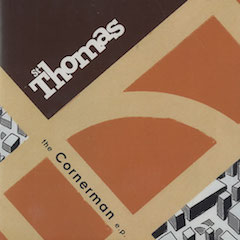
st_thomas_cornermanThe Cornerman EP
(Racing Junior, 2001)
St. Thomas Hansen fra Oslo var for enkelte kjent som mannen bak Emily Lang. Han blir sikkert langt mer ettertraktet som Hellige Thomas, ikke minst med tanke på kommende opptredener på Quart og Roskilde. Med seg i reiseveska kan han trygt ta med seg sin nye, glimrende firespors EP.

The Cornerman byr på fire hovedsakelig akustiske låter med en skjør nerve, naivt vakre uten å bli infantile og umiddelbart fengende. Hvis standarden holder seg kan vi kan trygt glede oss til den kommende skiva, og St. Thomas har alle muligheter for å bli en stjerne.

Kjæresten min introduserte ham med følgende spørsmål: ’Dette er Thomas. Har ikke han de flotteste øynene du noensinne har sett?’ Hmmm…

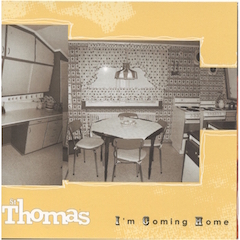
st_thomas_homeI’m Coming Home
(Racing Junior, 2001)
’So gather round me children, to the story I will tell, about Pretty Boy Thomas the singer, Oslo knew him well….’

Vår egen Woody Guthrie, Neil Young og Will Oldham har kommet hjem. Jeg vet ikke hvor han har vært, men han må ha tilbragt mye tid i uendelige skoger, drukket av de dypeste kilder og vandret langs endeløse veier. Der har han hatt tid til å skrive noen av de beste visene bergrøysa har hørt på lenge.

Fra den coole åpningen ”The Cool Song” – Neil Young anno ”Heart Of Gold” – til sorgtunge ”I’m Coming Home”, er Thomas Hansens andre plate en triumf innen skakk folkpop. Sammen med medlemmer fra blant annet Ai Phoenix har han faktisk klart å konsentrere seg over et helt album, og viser at gnistrende The Cornerman EP ikke var en tilfeldighet. To av låtene er forøvrig hentet herfra, og de sklir lekende lett inn. Han jodler som en skøyer (”She Married a Cowboy”), drømmer seg bort (”Failure #1”) og synger guddommelig hele platen gjennom. Munnspill, banjo og fele, akustiske gitarer og et ravende fyllekor sprer munterhet i en tradisjon som ellers preges av innavl og innesluttede farmere som drøvtygger skråtobakk.

Seriøs kreditt bør også sendes til Guro Strande som synger særdeles skjønt på ”Take A Dance With Me”, og ikke minst gitarspillingen som holder gjennomgående høy kvalitet. St. Thomas kan gjerne være skeiv og impulsiv, bandet kan framstå som upretensiøs lo-fi, men egentlig er de i ferd med å bli et av landets beste.

st_thomas_longtimeA Long Long Time EP
(Racing Junior, 2003)
Det er ikke særlig long long time siden Thomas Hansen framstod som en innadvendt og heller ganske sær artist der han pludret rundt på hovedstadens mindre scener. Det har virkelig løsnet det siste året, platekontrakt med City Slang, oppvarmingsjobber for Lambchop, samarbeid med Howe Gelb og plateinnspilling i Nashville med Mark Nevers (Lambchop). Hansen vanker med kjempene nå. Han har fått nye – og gode – venner.

”A Long Long Time” har allerede rukket å få tung rotasjon på P3, og statskanalen fulgte opp med opptreden i Store Studio og en dokumentarfilm på én og samme dag! Det er kanskje ikke så rart at humøret tilsynelatende er stigende i Camp Thomas. Tittelsporet er i hvert fall en vinner, en fengende melankolsk trall med den sjarmerende norsk-amerikansken som kler St. Thomas så godt. Det høres ut til at han har fått stemmen mer under kontroll, og hele lydbildet er preget av mer varme og mindre hjemmemekk enn på I’m Coming Home. Det synes jeg er en fordel, skjønt jeg også satte stor pris på hans forrige utgivelse. Nå er det jo slik med låter som man hører overalt og til stadighet at man går lei etterhvert, og selv om ”A Long Long Time” er en jovial poplåt er den heller ikke så mye mer enn akkurat det.

I god EP-tradisjon regner jeg med at de fire øvrige låtene ’leftovers’ fra innspillingene. I så fall er det like lovende for platen som selve tittellåten. ”Sugarmilk Coffee” følger opp den småmuntre, slentrende stemningen som en vennlig og kort clap-a-long, uten særlig nerve men med desto større hyggefaktor. ”Ride” er den beste av de fire. Den skiller seg positivt ut med et funky og orgelbasert driv, og har et mer muskuløst sound enn den mer ’naive’ stilen til vår cowboy. ”Something Happened” er mild Calexico-mariachi med Hansens karakteristisk såre stemme i front. På ”America” synger han på sjeldent neddempet vis, og sammen med en plukkende banjo, sirisser og syngende barnestemmer til selskap er den en fin avskjed til den lille gutten som pakket Amerikakofferten og dro fra Norge til Nashville.

Bortsett fra det fengende tittelsporet så er det ingen direkte killers her, men jeg må si at hvis disse låtene tilsammen er representative for det kommende albumet så er det bare å glede seg. Med Thomas Hansens naturlig ærlige talent og så sikre samarbeidspartnere kan jeg ikke helt skjønne hva som kan gå feil denne gangen heller. Når det gjelder disse mye omtalte bidragsyterne så heter det på denne singelen bare at den er ’played by St. Thomas and his friends’.

Det er slike uhøytidelige grep som gjør St. Thomas og hans låter så forbasket lett å like.

Bjørn Hammershaug

15 Ways to Nirvana: Albums That Shaped the Band

black_flag_warNirvana frontman Kurt Cobain was 27 years old when he ended his life in his Seattle home on April 5, 1994 – leaving this earth perhaps the most iconic cultural figure of his time. As Cobain biographer Charles R. Cross emphasized, ‘He isn’t the last star in rock ’n’ roll, but he is the last true Rock Star that we’ve had to date who earned Icon status. He existed in a period that is now lost to history, when a rock artist could be played on all formats of radio, when rock was the dominant musical form.’

The tragic story of Nirvana’s rise and fall, and grunge’s parallel emergence from underground cult to worldwide phenomenon, have been duly told and retold over the years. This article instead looks closely at the musical building blocks that set the foundation for Nirvana, illuminated by 15 selected albums, in an attempt to grasp the essence of their subsequent sound – and thus get a little closer to explaining their unlikely success.

As Cobain himself said, ‘I think we sound like The Knack and the Bay City Rollers being molested by Black Flag and Black Sabbath.’ An assessment not without accuracy or charm.

Nirvana leaned against the obvious persuasions of hardcore and hard rock, but this was interspersed with a broad and more commercially friendly side that appealed far beyond the inner clique. Sub Pop’s Jonathan Poneman put it this way, ‘Part of what was so captivating about Nirvana’s music was not so much its stunning originality, but its remarkable fusion of so many different strands of influence.’

Kurt Cobain was very open to the music he liked and took inspiration from, and shared passing lists of Nirvana’s favorite bands, albums, and songs. Such was the case in this famous paper in which Kurt scribbled down Nirvana’s Top 50 favorite albums – a list that has led many fans to increase the volume of the album collection.

Top-50-by-Nirvana

These were not necessarily Cobain’s favorites, but rather 15 bands and albums that are co-responsible for laying the musical groundwork for Nirvana – and by extension, for the development of the alternative rock into the ’90s.

* * *

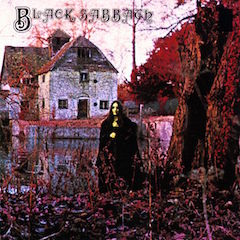
black_sabbath_bsBlack Sabbath:
Black Sabbath (1970)
Black Sabbath were the foundation for what would become heavy metal, and, naturally enough, their debut album is one of rock’s dark mastodons. The rainy intro opens the gates to a post-industrial wasteland in 1970 Birmingham, with a resonance that carried itself to the ears of a couple of boy ears on the west coast 10-15 years later.

Black Sabbath‘s leaden sound spawned many bastard children over the years, not least of which includes Nirvana’s debut album. Bleach plods though the same muddy tracks – which would help define grunge in the late 1980s.


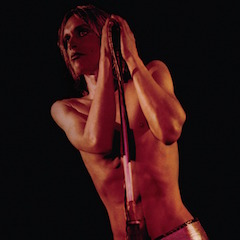
iggy_raw_powerIggy & The Stooges:
Raw Power (1973)
Iggy Pop was one of Cobain’s role models, with similarities in both music and attitude. Iggy was a demon on the stage, writhing on the floor, rolling around in broken glass; he was as an out of control force of ‘raw power’, destructive drug use and uncontainable energy. Cobain absorbed this persona into Nirvana, not least in their early gigs where anarchy and chaos were prevailing forces. Musically, of course, proto-punk machinery from Detroit also had an obvious effect on Nirvana. The Stooges – and Raw Power especially – are punk rock required reading.


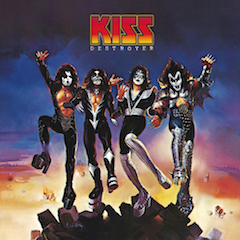
kiss_destroyerKiss:
Destroyer (1976)
There’s an obvious superficial distance between the cynical, flannel-clad Seattle rockers’, and pyrotechnically-aided arena rock of four men dressed like superheroes. Yet Kiss was an integral part of growing up in the ’70s and ’80s, and they offered a sense of escapism to the misfit youth of the time. Like it or not, Nirvana has roots elementary school scribbles of Starchild. They recorded a cover of ”Do You Love Me” off of Destroyer, which also includes “Detroit Rock City” – later paraphrased as “Sub Pop Rock City” by Soundgarden. And as fate would have it, on a December’s day in 2013, Kiss and Nirvana were both inducted into the Rock and Roll Hall of Fame.


SEX PISTOLS_NEVERMINDSex Pistols:
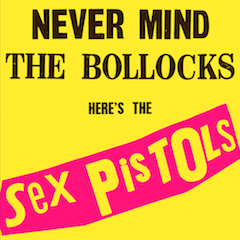
Never Mind The Bollocks Here’s The Sex Pistols (1977)
With their first and only album, Sex Pistols sent shock waves into the establishment, catapulting punk into a mass movement that shaped culture and opened up opportunities for a new generation of artists in its wake – a similar effect to what Nirvana would repeat 15 years later. Could it be a coincidence that Nevermind and Never Mind the Bollocks… made their greatest mark not by shaping musical trends but in shaking the music industry and the cultural establishment? Both mark the boiling over point of an underground phenomenon – the beginning of a new era where the boundaries between alternative and mainstream became more porous. A game-changing work of its time and a killer plate of punk rock to boot.


cheap_trickCheap Trick:
Cheap Trick (1977)
‘I’ll be the first to admit that we’re the ’90s version of Cheap Trick or the Knack’ stated Kurt Cobain in his liner notes for the compilation album Incesticide. Cheap Trick had a penchant for British pop invasion (think The Kinks) which they used as the foundation for their fusion of power pop and hard rock, with a dash of punk. Their eponymous debut is chopped a bit rougher than their later more radio friendly sound. If you’re wondering whether Cobain was referencing the same Knack that produced the one hit wonder, “My Sharona”, you’d be right. In the Cobain biography Heavier Than Heaven Kurt meets up with a friend in 1988: ‘There’s this great record that I’ve discovered that you HAVE to hear. Kurt pulled out Get the Knack. Romero thought Kurt was being sarcastic, and inquired, ‘Are you serious?’ ‘You’ve got to listen to this – it’s an awesome pop album,’ was Kurt’s deadpan reply.’


neil_young_rust_never_sleepsNeil Young & Crazy Horse:
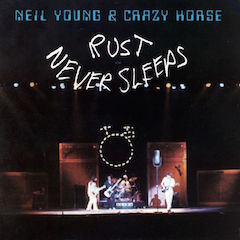
Rust Never Sleeps (1979)
‘It’s better to burn out than fade away.’ The stanza, taken from Neil Young’s “Hey Hey, My My (Into the Black)”, is the penultimate line of Kurt Cobain’s suicide not. Young would dedicate the entirety of his 1994 album Sleeps With Angels to Cobain. Like Iggy Pop, Young had been trying to contact Cobain shortly before he died. In Young’s autobiography, he writes: “I, coincidentally, had been trying two reach him through our offices to tell him That I thought he was great and he should do exactly what he thought he should do and fuck everybody else…” Neil Young was early to popularize the flannel shirt as the preferred rock uniform. The echo of his thundering guitar rang deep into the forests the northwest, earning him the title, ‘Grandfather Of Grunge.’


young_marble_giants_youthYoung Marble Giants:
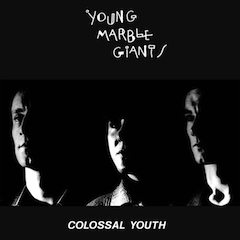
Colossal Youth (1980)
Minimalist and magical: Young Marble Giants’ first album from 1980 is a something of a forgotten masterpiece, and it has its natural place here as a representative of the British post-punk that Cobain felt most at home in. Far from the angry, snot-nosed punk image his stage persona let on, Cobain shared much of their introversion, as well as their self-destructiveness. Together with their Scottish counterparts, The Vaselines, these Welsh were among Cobain’s most relatable artists. In an interview with MTV Brazil in 1993 Kurt Cobain underlines that he was ‘heavily influenced by them’ – less in sound than in terms of ‘their emotions, the feeling, the sincerity and their fantastic songwriting.’


flipper_genrericFlipper:
Album – Generic Flipper (1982)
Kurt Cobain could make a band cool by simply muttering their name in passing – as he did The Vaselines – or by sporting a concert T-shirt in public – as he did with his well-worn Flipper shirt. And glory to him for that – if there’s a band that deserves to be lifted out of obscurity, it’s Flipper. The San Francisco band’s epic debut from 1982 check’s every box in the rock handbook: rule breaking, destructive, infantile and reckless. Flipper slowly cranked their songs through a meat grinder, without fully knowing what would come out the other side. En route, they stumbled upon such punk anthems as “Sex Bomb” while blazing a magnificent trail to madness.


black_flag_my_warBlack Flag:
My War (1984)
As pioneers of American underground rock into the ’80s, and originators of the California hardcore sound, Black Flag is obvious primary school curriculum for Nirvana. On their later album, My War, the band took punk into a slower, heavier and more militant territory. This had a clear effect on bands like Melvins and Nirvana. Black Flag frontman Greg Ginn started the SST label in 1978, which went on to become one of the most important publishers of the ’80s – and a role model for Sub Pop’s rise some years later.


husker_du_new_dayHüsker Dü:
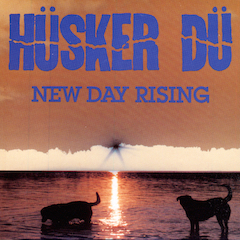
New Day Rising (1985)
New Day Rising marks an important transition for the power trio of Hüsker Dü. Without losing their frenetic power and strength, here they write pop-flavored melodies that shine through the layers of treble fuzz, albeit not overpoweringly. With a little more polishing, New Day Rising could have been the Nevermind of the ’80s. As Krist Novoselic admitted, ‘Nirvana’s blend of pop, punk and metal was nothing new, Hüsker Dü did it before us.’ From the same circuit and time period, it is also worthy to mention the parallel developments by The Replacements, Butthole Surfers, and Meat Puppets – all of whom were significant fertilizers for the ripening of Nirvana.


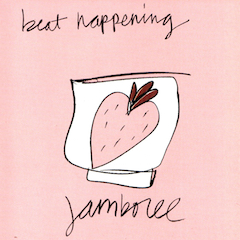
beat_happening_jamboreeBeat Happening:
Jamboree (1988)
Sub Pop rapidly grew into a multinational brand in the ’90s, but they initially came from a proud tradition of strong underground labels from the heyday of SST, Touch & Go – and K Records in nearby Olympia, Washington. K was formed in 1982 by Calvin Johnson, the frontman of Beat Happening. Lo-fi aesthetics dominated the label’s releases, casually produced by friends and acquaintances in the region, which helped chart course for the “alternative revolution” and the rise of indie rock as a mainstream phenomenon. Musically, there is a certain distance between the compact guitar rock of Nirvana and the more quirky indie pop of Beat Happenings, but the relationship can be illustrated by this quote from the band: ‘We are Beat Happening, and we do not do Nirvana covers. They do Beat Happening covers, so let’s get that straight.’


killdozer_twelveKilldozer:
Twelve Point Buck (1989)
Madison, Wisconsin band Killdozer ruled the 1980s underground, along with acts like Butthole Surfers, Laughing Hyenas, and Scratch Acid (pre-Jesus Lizard). Their slow, sludgy punk-on-downers sound distinguished them as early predecessors to grunge, especially for the periphery scene outside of Seattle. The band became known for its original and unexpected cover songs – such as a throaty rendition Don McLean’s “American Pie” – a talent Cobain and Co. also became known for after the live recording, MTV Unplugged in New York. They worked repeatedly with technician Butch Vig in Madison’s Smart Studios. As a result of hearing Killdozer’s 1989 LP Twelve Point Buck, Nirvana hired Vig to work on In Utero. After Cobain’s death, Killdozer also record 1995’s God Hears Pleas of the Innocent with Steve Albini.


dead_moon_graveyardDead Moon:
In The Graveyard (1988)
Barbarous garage rock has a long history in the Pacific Northwest, with bands such as The Kingsmen (“Louie Louie”) and The Sonics as key originators. Portland-band Dead Moon push forward this rich legacy and remind us that neither Nirvana, nor grunge as a whole, appeared from nowhere. Unlike Nirvana and the landslide that followed in their wake, the Dead Moon remained in the garage while the other left the scene in limousines. And there they still had it pretty good until dissolving in 2006.


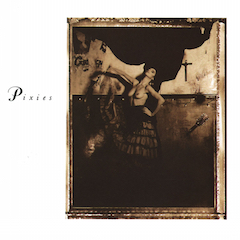
pixies_surferPixies:
Surfer Rosa (1988)
Telling the story behind “Smells Like Teen Spirit,” Kurt Cobain confessed, ‘I was trying to write the ultimate pop song. I was basically trying two rip off the Pixies.’ And indeed, Nevermind shares countless similarities with Pixies, in song structure and, notably, in the powerful soft-loud dynamics that Nirvana would further perfect. Sound engineer and producer Steve Albini was commissioned to produce In Utero as a result of his signature work on Surfer Rosa.


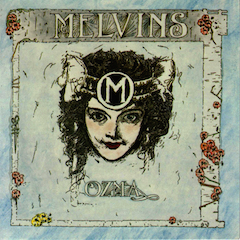
melvins_ozmaMelvins:
Ozma (1989)
Seattle rock’s anomalous emergence came out nowhere, and in a matter of years the city’s musical profile transitioned from a loser-like sense of coolness to streamlined factory for mass culture. But one band never changed. Melvins were heavier, stickier and gloomier than all the others – and they were among Cobain’s biggest musical influences, especially noticeable on Bleach. Melvins would later serve as role models for an even heavier, slower and more somber drone rock formulated by bands like Earth and Sunn O))). Melvins have definitely left a heavy imprint in the rock history books, and their first two albums are authentic sludge rock at its best.


Bjørn Hammershaug
Originally published on read.tidal.com October 12, 2014.

Too Much Damn Guitar!: An Interview With Steve Wynn

Steve_Wynn_1200

If music were like baseball, Steve Wynn is easily batting .500.

That is to say that, over his career, the modern rock legend has a longer and stronger track record than most of his peers.

In the early 1980s Wynn rose to prominence as the lead singer and primary songwriter of seminal Los Angeles band The Dream Syndicate. Founded partly on Velvet Underground’s improvisational soundscapes, Television’s loud guitar dominance and the jingle-jangle of The Byrds, the Dream Syndicate are rightfully considered among the most notable bands of the so-called Paisley Underground scene, which also included The Bangles, The Rain Parade and others. Along with R.E.M, they are also one of the most important bands in the development and popularization of college rock.
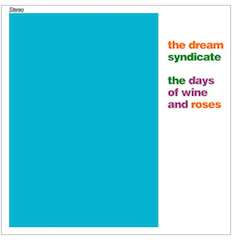
Dream_Syndicate_days_wine_rosesWith a constantly revolving line up, labels and experimenting in sound, The Dream Syndicate released a steady row of albums in the course of the ’80s. Their classic debut, The Days of Wine & Roses (1982), stands among the finest albums of the decade, while the blistering live album, Live At Raji’s (1989), captures their ferocious on-stage energy. The latter also turned out to be their swan song (though they reunited in 2012, with the possibility of new material on the way), paving the way for even more successful bands like Nirvana and Pixies without cashing in on the indie/guitar resurrection in the 1990s.

Steve Wynn has remained perpetually productive ever since.

After the demise of The Dream Syndicate, he immediately launched a solo career under his own name, as well as being involved in a series of different projects: Danny & Dusty (with Dan Stuart of Green On Red), Gutterball (with compadres from House of Freaks and The Silos), his own combo The Miracle 3, and the recent supergroup The Baseball Project (which includes his wife and half of R.E.M.).

No matter the musical constellation, Steve Wynn has always kept his signature in tact. Never compromising on strong, intelligent songwriting packed with funny wordplay and gritty storytelling, and of course excellent guitar playing and transcendent melodies. This pivotal artist has turned into one of the most reliable names of the last 35 years, always willing to reinvent himself in search of new sonic territory.

I sat down with the ever so friendly Steve Wynn for a deep-digging round of offbeat and revealing questions.

* * *

Describe your perfect day.

If I write a new song it’s a great day. When I’m creative and producing things, I’m at my happiest. That’s joy to me. Also, walking five miles every day, preferably in a city I’ve never been before. And those two things go together. Walking and writing for me has always been a good combination. So if I’m in a strange city, walking a lot, thinking about an idea for a song, and eating a good meal… It doesn’t get better than that.

Growing up, what made you want to become a musician?

I was born in 1960, so I grew up through Beatlemania, AM radio, garage rock, protest music, acid rock and great things like that. It was just in the air, and I was thrilled by music from a young age.

I wrote my first song and played in my first band when I was 9. That’s all I wanted to do. I had an older sister who was just old enough for my mother to trust me to go out with her, but young enough to be into cool music. She could drive, she had her own house, and she took me to lots of great concerts. The first show I ever saw was Delaney & Bonnie when I was 9, who I still like a lot. I was a music junkie from the age I was 6, so when my sister said we’re going to see Delaney & Bonnie I said, “Oh great, I hope Eric Clapton is playing.” I knew what was going on. She took me to see Alice Cooper, The Who, Roxy Music… all these great bands.

I’m very glad I was 17 years old in 1977. To be old enough to leave home, driving a car, enjoying my freedom while punk rock was happening… That was the perfect blend, and it blew my mind. The most romantic period of all time for me was buying singles by the Clash, the Buzzcocks, Elvis Costello and stuff like that. I think that influenced me more than anything.

What’s the most unlikely album that has inspired your own music?

ascension_coltraneIt’s probably not a surprise to those who know my music and my history, but a lot of jazz records. Out there albums like Albert Ayler’s later stuff, Ascension by John Coltrane, Dancing in Your Head by Ornette Coleman… These were all records I loved, and who taught me of improvisation. In the years before The Days of Wine & Roses, I’d practice my guitar not to The Yardbirds or “Stairway to Heaven,” but to free jazz. It made sense to me, to learn how to jam and improvise. So I would sit down with these freaky half-hour long jazz pieces and go at it.

There’s a fire in your house! What three things do you rescue?

Besides my wife? [laughs] That should be obvious. Let’s see… my 1960 Princeton reverb amplifier, which is the best amp in the universe and which I use every time I make a record. Made the same year as myself, and sounds like all the albums I love. Then there’s my paisley Telecaster, which I just got. It’s my favorite thing right now. This is just music stuff, but I have to add Bob Dylan’s really great bootleg, Ten of Swords, which you can’t find anywhere these days and is a collection of his early demos and recordings. I carried it around forever. Yeah, I go for those three things, after the wife.

If you could pick a fight with anyone – who would it be and why?

I’ve got a few problems with Dick Cheney. [laughs] I think he and George W. Bush had quite a bit to do with screwing up the U.S. and the world in general, for reasons driven by money and corruption. If not punch him in the face, I’d at least like to ask a few questions. I can do more damage with my words than my fist.

I’m a political junkie and have always been a newspaper fanatic. First thing on my radar used to be a copy of the International Herald Tribune [now The International New York Times]. When I came to new cities, the first thing I tried to find was the train station and buy a paper, cause I had to have the news. And that was a way for me to discover a new city. Now you don’t need that, it’s all there. Just like music: The biggest thing about touring was to choose which 20 cassettes to last me for the next 6-10 weeks. I would agonize on my record collection whether to bring Marquee Moon or Adventure. Now I’ve got the entire record collection in my pocket.

What’s the worst or best advice you ever received?

Whatever it was I didn’t listen to it. I don’t take advice very well. [pauses] Someone once said to me, “Be careful and be aware of things that are done in your name, because you will bare responsible for it.” I think that’s true. Sometimes, when you’re a musician, you think somebody else will take care of things, but at the end of the day it’ll come down to you. The things you put out there, you live with. That’s why I think I take such good care of the records I make, the shows I play and the way I treat people.

A role model has always been Bruce Springsteen, who I think is a pretty righteous dude in his approach to live music. Seeing him play in 1977 for the first time was another big life changer, because I saw how much passion he put into his show, treating it like it was the last time. Some will see you that night, some may never see you again, may never have seen you before, and that show may be the most important in that person’s life. You should treat every night and everything you do like it may be the only time you do it. Because for some it will be.

What’s your favorite sport, and why?

You didn’t have to ask that. [laughs] It’s baseball, of course. I’ve always been a big baseball fan. One thing we found from the Baseball Project is that a lot of musicians love baseball. It makes sense, because baseball is much like the music we make. It’s cerebral, it’s mental, and you drift away in your own imagination. There’s no clock in baseball. There’s a clock in football, both European and American, there’s a clock in basketball and hockey. Baseball is open, limitless, infinite, anything can happen. You’re living in the moment, but you’re also living throughout history. Everyone who loves the game can recite numbers and facts from the last 150 years. Which is what we do in the Baseball Project.

Strangely enough I have three favorite teams, and they all have to do with where I’m from and where I live: I love the Los Angeles Dodgers, New York Yankees and New York Mets. But these days, since I live in Queens, I’ve started to like the Mets a little bit more. Now I can just walk to a Mets game.

A funny thing, my old friend Josh Kantor is the organist in The Baseball Project, and also the organist for Boston Red Sox at Fenway Park. It’s the greatest job, and he’s a really cool music fanatic. Typically in the past the organist would play old-fashioned songs or big hits, but he plays The Dream Syndicate, R.E.M and other really obscure indie bands to 50,000 people every weekend.
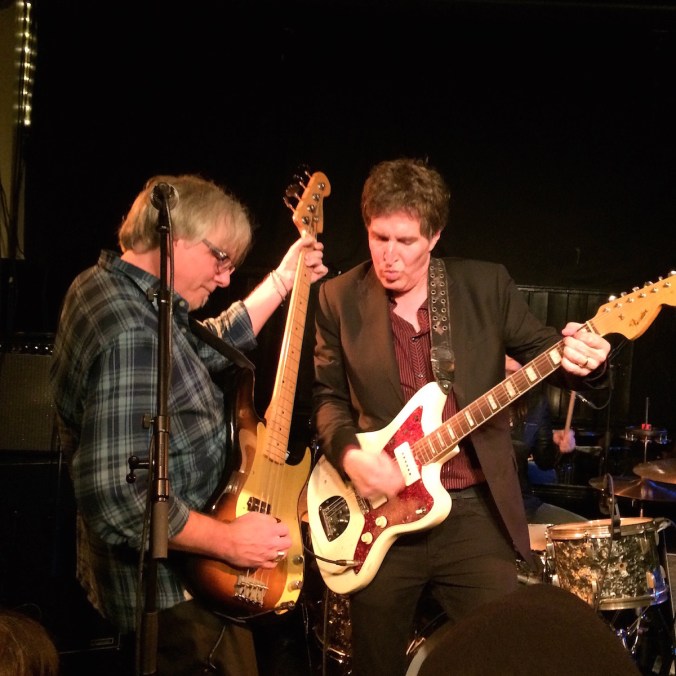
baseball_project_2015

The Baseball Project at The Crossroads Club, Oslo November 13, 2015. (Photo: Bjørn Hammershaug)

What’s a place you’ve never been that you want to go?

So many. Next year I’d like to go to South America. I think Bogotá is on top of my list right now. I want to go everywhere. It’s the greatest thing, finding a new city. My favorite place right now is Mexico City, with its great bookstores, cafés, restaurants – and rock fans. There’s a huge scene down there.

Can you name a book that you wish everyone one would read?

I could name a lot of them… I’m a big fan of a book by John Updike called Rabbit, Run, actually there’s a series of books about this character called Rabbit. It tells the story of 20th century America better than any history book. It explains a lot about America and why it’s the way it is and what happened in the second part of the 20th century. I recommended that one, and any of the books with Rabbit in the title by John Updike.

Criticize your own music from the perspective of someone who hates it.

Too much damn guitar!

What’s your greatest fear?

Probably being deaf. I wouldn’t like that. I love music too much.

Are there any particular of your own albums you hold especially dear?
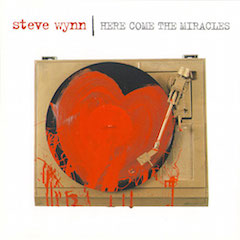
wynn_miraclesI’d have to say Here Come the Miracles, I really like that for many reasons. I think it’s my best record; and I’m really satisfied with what I did on that one. It also came at a time in my life where I didn’t know what I wanted to do, I thought, I’m 40, I might be done or I might be out of ideas, or I might have nothing left to say. It came at the right time, where it showed me where I should go, and also that I could keep doing it. It revived everything, from the creative side to the career side. It was also the easiest record to make. There were no obstacles, no confusion, and everything was just obvious. Now that doesn’t happen every day. [laughs]

The world is ending tomorrow. What do you do before it’s all over?

Enjoying some time with my wife. That’d be Linda [Pitmon] by the way, my bandmate in The Baseball Project. When we met, we had both been touring a lot, so we knew all about that lifestyle. I toured with this other musician for several years, and once he and I were together in Rome. It was such a beautiful night, we had had a great dinner and stood on a square under the full moon. He laid his arm around me and said, “Steve, I love you man, but I’d much rather be here with my wife.” And I totally understood him. The thing about musicians is that we travel the world having all these great experiences, and then we go home to our wives or friends and try to explain what it was like. It’s nice to be in a band with my wife. We can share all those great memories together.

wynn_hammers_2015

Bjørn Hammershaug
Originally published September 17, 2005 on read.tidal.com