Songs: Ohia: Magnolia Electric Co.
(Secretly Canadian, 2003)
Jason Molina was the best songwriter of the 2000s, and Magnolia Electric Co remains not only his finest work, but stands as a beacon of modern American storytelling. Fifteen years down the road, this album still burns with an eternal flame. It begins dim: “The whole place is dark/Every light on this side of the town/Suddenly it all went down/Now we’ll all be brothers of the fossil fire of the sun/Now we will all be sisters of the fossil blood of the moon,” and it ends as the “lonesome whistle whine.”
The lyrics are dark, the songs heartbreakingly expressive, and the including some wonderful guest vocals by English singer-songwriter Scout Niblett and country artist Lawrence Peters. It’s also a transitional album, on the way from Molina’s lo-fi origins under the moniker Songs: Ohia to a fuller, working-class band sound as Magnolia Electric Co. Whatever he named his projects, Molina had a tight grip on the American music mythology, which he closely intertwined with his Rust Belt surroundings.
Such were his personal demons part of the geographical landscape he knew so well: the abandoned factories, the dismal towns, the taste of gasoline and the odor of hopelessness, as he was writing about a people, a culture and a landscape torn between rural downfall and post-industrial struggle.
Jason Molina dug deep in the darkest corners of the human mind. He wrote 21st century blues about crossroads and back highways, shadows and ghosts, the moon above and hell below. He unveiled the loneliness inside our hearts and the emptiness that surrounds us. And he did so with a clear vision and a beating heart that bled clear through his shirt and dripped into ours.
In March 2013, the world lost a original voice – and his peer has yet to be found.
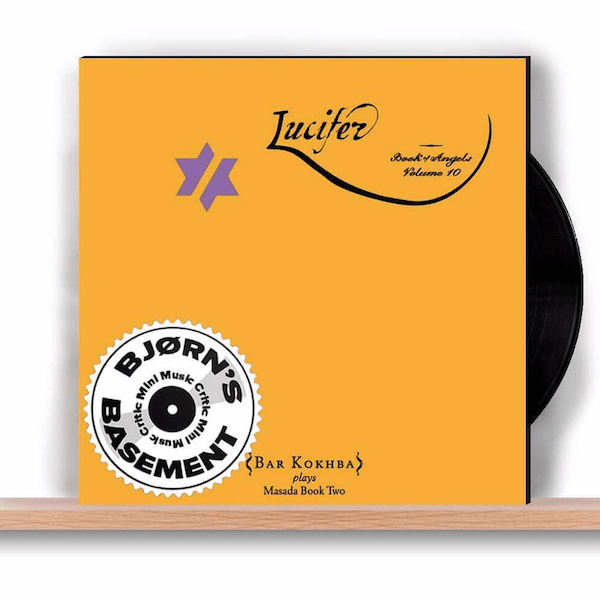
Ranking among the most enjoyable and popular projects from the highly productive avant-garde composer John Zorn are his works with the Bar Kokhba Sextet, made up of the Masada String Trio – violinist Mark Feldman, cellist Erik Friedlander and bassist Greg Cohen – and featuring Mark Ribot on guitar, Joey Baron on drums and Cyro Baptista on percussion. Needless to say, this is a brilliant cast of musicians from the New York Downtown scene performing some of the most melodically rich and accessible music in Zorn’s wildly eclectic catalog.
Lucifer: Book Of Angels Volume 10 is a laidback and gentle journey of traditional Jewish harmonies, klezmer jazz and classical chamber music with smooth flavors of spaghetti westerns, latin rhythms and surf rock.
There’s not a dull moment here. This album flows like a lush breeze into an eternal sunset.
R.E.M. | Life’s Rich Pageant | I.R.S, 1986 |
The fourth studio album from R.E.M. was my first encounter with the band. I bought it on cassette in 1986, and the LP version three years later. It’s still the favorite album from a band I never stopped adoring. Characterized by a cleaner production than on their previous efforts (thanks to Don Gehman), a punchy sound while maintaining their enigmatic presence and jangly roots. And of course, it has some of the band’s greatest songs, including the killer opening trio of “Begin the Begin”, “These Days” and “Fall On Me.” I wish I still was in college, bury magnets, swallow the rapture.
The Beasts of Bourbon | The Axeman’s Jazz | Big Time 1985 |
A super supergroup from Australia, including members from Hoodoo Gurus, The Johnnys and of course The Scientists (Kim Salmon). This is their debut album, originally released down under a year before. With a mix of swamp rock, psychobilly and country blues, somewhere between The Cramps, Nick Cave and Hank Williams, this here beast was created during one particularly dark and gloomy evening in Sydney. The opening track and leadoff single, where singer Tex Perkins does a convincing take on Leon Payne’s classic murder ballad “Psycho” still remains one of the highlight on an album packed with stories about death and misery. The Beasts of Bourbon were confronting, abusive and filled with desperation and despair. This album gives you plenty of it all. Pour yourself a glass, turn the lights down low and join this band along the lost highway and into the night.
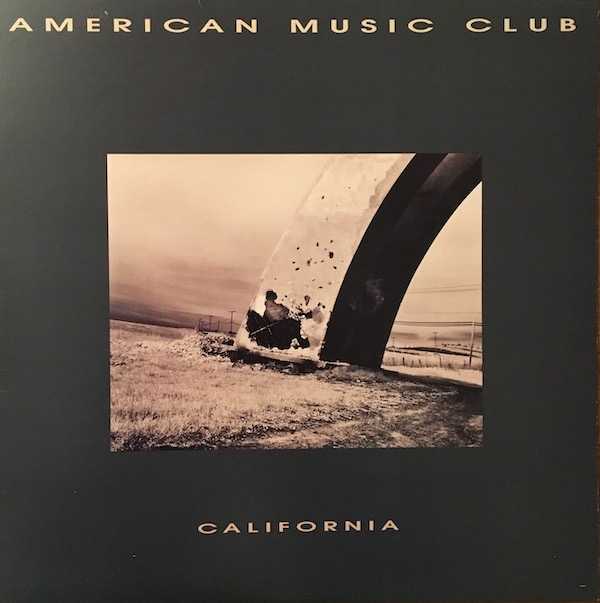
American Music Club | California | Frontier 1988 |
‘To the left, a beautiful California landscape
Dead ends in the sky
And to the right, beautiful mountains rise
High and dry
Another futile expression of bitterness
Another overwhelming sensation of uselessness’
Mark Eitzel is one of the great American storytellers and voices; deep, stoic and soulful, he fleshes out personal anguish and wry observations with an unmatched eloquent pen. American Music Club lived up to their name and incorporated many different styles into their music over the years, always gravitating around Eitzel’s magnetic presence, and on California they played it all out so extremely well. There is a barren feeling deep inside this golden landscape, where dreams meet the sea, a sense of sadness, longing and hopelessness so wonderfully conveyed on tracks like “Last Harbour”, “Western Sky”, “Laughingstock” or “Firefly”, but all conducted with elegance and beauty. Into a story not only about inner demons, or the state of California, but of America itself.
The Band of… Blacky Ranchette | Heartland | Zippo 1986 |
When Howe Gelb got the country itch, he let Giant Sand rest for a while, saddled up Blacky, teamed up with some of his finest compadres and set out on the western trails. The first Blacky LP came back in 1985, ‘Heartland’ followed a year later. Both albums are a testament to the sparkling relationship between Gelb and Rainer Ptacek, two creative geniuses and close friends until Rainer sadly passed away in 1997. Blacky pursued a more pure country sound than the Giant Sand moniker could provide, but always bumped into the usual detours that makes Howe Gelb’s music so irresistible. This is a “lost” Americana classic way before that became a hip term.
Drivin’ N’ Cryin’ | Mystery Road | Island 1989 |
Drivin’ N’ Cryin’ masterfully merged Southern indie with Southern hard rock and country, and managed to unify it all into a stirring hot cocktail under the guidance of singer and main songwriter Kevn Kinney. Their two previous albums are both wonderful, but Mystery Road shines with confidence, power and the sharpest set of tunes in their entire album catalog. The country/folk songs are particularly strong, “Ain’t It Strange,” With the People,” “Peacemaker,” and of course the wonderful “Straight to Hell” are classics in its own right and also remains a missing link between Gram Parsons and Uncle Tupelo and the whole Americana resurgence of the 1990s. But Drivin’ N’ Cryin’ always had the urge to rock off too, Aerosmith style (“Toy Never Played With,” “Wild Dog Moon”) and ‘Mystery Road’ gives you plenty of it all. This is an album you can drive and cry to.
Pixies | Surfer Rosa | 4AD 1988 |
This is one of my definitive favorite albums of all times, and both Surfer Rosa and Doolittle are on my Top 10 Album List of the 1980s. Pixies was brand new to me when I bought ‘Surfer Rosa’, on a warm springs day, and it became the soundtrack for the summer when I turned 17. How fortunate! I believe the combination of their super catchy songs and disturbing lyrics (“He bought me a soda and he tried to molest me in the parking lot”, “I got no lips, I got no tongue, where there were eyes, there’s only space”, “I’m the horny loser”) somewhat resonated to a teen life being equally carefree and confusing. Needless to say, all these songs here are classics in my book, and every time I put on the album, not as often as before I have to admit, but it’s just as rewarding as in 1989, I’m being transferred back to this time in my life. So grateful Pixies was there to guide me into adulthood. PS: On the back cover, I still see the fingerprint marks from the day I bought it. I hated the stains back then, now it’s almost like a stamp of remembrance, something that would never occur in the digital world. There’s a beauty in that as well.
The Feelies | Only Life | A&M 1988 |
Some discovered The Feelies on their 1980 debut album, and I guess that must’ve been a thrilling experience. I bought my first Feelies-album on a hunch (I believe) some time in 1989. Their legacy didn’t matter to me, it was all about the moment. In hindsight, Only Life might not be considered such a seminal album, but to a perpetual nervous teen it was mind-blowing and just the best thing ever. I was well into jangle pop at the time, but was starting to look out for something with more punch, and The Feelies served just the right mixture of restless indie charm and groovy rhythms. As a huge fan of all kinds of horror movies, I remember how the cover art appealed to me big time, imaging these five fellas standing in front of Amityville, Elm Street or whatever VHS flick I was watching at the time. I guess that is what I still find fascinating; the dreamlike, hypnotic sounds of innocence and the tempting undertows towards something darker. I never tire of The Feelies, and I’ll never stop listening to this album.
Dinosaur Jr. | Bug | SST/Blast First 1988 |
Remember the last time you heard a new album and instinctively knew it would not only blow your brains out in the moment, but also mark the beginning of a life long relationship? An album of such impact that you just had to play it over and over again, share its brilliance with anyone with the slightest of interest and memorize every word and note? Not too often these days for my part, but hopefully youngsters still do, it’s a glorious feeling. I went and saw Dinosaur Jr in this tiny club after buying Bug in the summer of 1989, holding my under-aged breath while sneaking in, squeezed in right by the speaker and witnessed a loud, loud mess of guitar insanity, the songs hardly recognizable, buried deep below endless layers of feedback and noise. My ears were ringing for weeks afterwards. Bug is also a noisy mess, but with this brilliant mixture of emotional vulnerability, slacker coolness and full on assaults that makes it such a classic. “Freak Scene” is the obvious key track, a super catchy indie anthem if there ever was any. I was not the only kid yelling out lines like these on a frequent basis, but it was like J spoke directly to me:
“Sometimes I don’t thrill you
Sometimes I think I’ll kill you
Just don’t let me fuck up will you
’cause when I need a friend it’s still you
What a mess” ‘Bug’ is a lot more thank “Freak Scene” though, “They Always Come”, Budge” and “Let it Ride” are equally addictive, and I’ve always adored hazy slow burners like “Yeah We Know” and “The Post” just as much. One of my fondest memories is tied to the sludgy, epic finale of “Don’t.” Remember how I occupied the DJ booth at our weekly youth club disco and blasted it on max volume, giggling at the horrified faces in front of me. Oh the days of joy and guitar noise.
Black Sun Ensemble | s/t | Reckless 1988 |
Much of the music from the American southwest is rooted in the dusty ground with the barren landscape as a majestic backdrop, but some went even further. I was deep into many of the bands being labeled as ‘desert rock’ at the time, but Black Sun Ensemble was something else indeed. There is an undeniable flavor of the frontier twang in their sound, but as they reached for the sky, they also discovered other horizons, including ritual music, Medieval patterns, space rock and Indian raga. This album is a collection of some of their early hard-to-get cassette releases (‘Sapphire Sky Symphony’, ‘Raga Del Sol’) and a couple of new tracks, and works as a great introduction to one of the many overlooked bands from this time and place. It is a magic carpet ride of hypnotic cosmic desert psychedelia centered round the intricate guitar work of Jesus Acedo (1962-2013), imagine a mix of John Fahey, Jimi Hendrix and Ravi Shankar, instrumental explorations of the outer world and of the inner mind. It’s a trip alright, this is Country & Eastern at its finest.
The Leaving Trains | Transportational D. Vices | SST 1989 |
The Leaving Trains came out of the same vital Los Angeles scene that spawned likeminded artists like The Gun Club, The Flesh Eaters and The Dils. They were a wild ride in the glory days and left behind a string of great albums in the latter half of the 1980s ranging from rambling punk frenzy to introspective, self-loathing material. Transportational D. Vices leans towards the former, with its hard-hitting down-and-out tunes mostly between 1-2 minutes long (including a cool cover of Urinals’ “Black Hole”). Falling James Moreland was the only steady member in a band with a constant revolving lineup, and his keen melodic sense always shines through their ramshackle sound. Falling James is quite a story by the way, notoriously known for his crossdressing appearances, a super brief marriage with Courtney Love, name-dropped by Tom Waits (“Gun Street Girl”), and now retired from music he’s a writer for L.A. Weekly. ‘Transportational D. Vices’ is produced by Earle Mankey (the Weirdos, Runaways, Concrete Blonde, The Three O’Clock, The Long Ryders) and the album cover is a photo of Howe Gelb’s very own ’66 Barracuda. Such is the life of Falling James, packed with fame and tragedy, peculiar incidents and surrounded by cult figures, living in the gutter and looking at the stars. Just as the songs he made.
The story of Karen Dalton is not paved with gold or glitter. But her music continues to amaze and inspire new generations of music lovers.
Dalton didn’t write much of her own music – acting more as an interpreter than a songwriter – and she only cut two albums during her lifetime: 1969’s It’s So Hard to Tell Who’s Going to Love You the Best and 1971’s In My Own Time. Raised in Oklahoma and Kansas, Dalton entered the Greenwich Village folk circuit in the early 1960s, where she befriended the likes of Fred Neil, Tim Hardin and Bob Dylan. In My Own Time was recorded in Bearsville Studios, Woodstock with a great group of musicians and a wonderful set of songs. But it failed commercially, and Dalton drifted away and faded into obscurity, living a rough life, partly on the streets, fueled by her drinking and drugs habits. She passed away due to AIDS related illness in 1993 at only 55 years old.
Often dubbed “a folk singer’s answer to Billie Holiday,” Dalton’s hauntingly beautiful and bluesy voice matches her wide open musical approach, blending folk, country, soul and jazz, exemplified here with George Jones’ “Take Me” and Holland-Dozier-Holland’s Marvin Gaye hit “How Sweet It Is.” Highlights include the stunning opener “Something On Your Mind” and the dark, mournful and sparsely accompanied folk classic “Katie Cruel.” Karen Dalton was a transcendental singer, leaving no listener untouched.
Such a shame there were so few of them while she still was alive, in her own time.
In the early 1970s, Chicago singer-songwriter and jazz guitarist Terry Callier cut three astonishing albums for the Chess Records subsidiary Cadet: Occasional Rain and What Color Is Love (both 1972), and I Just Can’t Help Myself (1974). Here Callier fully displays his masterful ability to intertwine folk, rock, soul and jazz, and What Color Is Love shines particularly bright among the three.
This is a kaleidoscopic album of timeless beauty and enduring quality – sublime orchestration, funky grooves and lush arrangements add further texture to Callier’s rich, mellow voice and exquisite songwriting. In 2012 Terry Callier passed away at the age of 67, and despite being re-discovered by the British acid jazz scene in the early ’90s, he never really got the recognition he deserved.
He ranks up there with (his childhood friend) Curtis Mayfield, Isaac Hayes and Gil Scott-Heron, and on ‘What Color Is Love’ he outshines them all. Just put on the epic opener “Dancing Girl” and check out for yourself.
My album collection, presented in chronological order from when it was bought from January 1988 – revisited one at the time. This is the first batch from 1989.
Jesus Chrysler | This Year’s Savior | Toxic Shock 1988 |
I knew next to nothing about Jesus Chrysler when I bought this LP, and can’t tell much more about them 30 years later. But now we’ve got Google. Not much is shared about Jesus Chrysler though, but they were from Oak Ridge, Tennessee, toured a bit with fellow Toxic Shock label mates Hickoids (more about them later), John Peel fancied their powerful tunes – and then they apparently disappeared at some point with this sole LP as their only legacy. There are no single hits here, but heck, this is one packed album of infectious songwriting, a good sense of humor and just about the right balance of hardcore punk and power pop. They used to be labeled as ‘hardcore pop’ by Toxic Shock – such a beloved label – and that’s just about right. (PS: Search led me to a Jesus Chrysler from St. Paul, but that’s a completely different band).
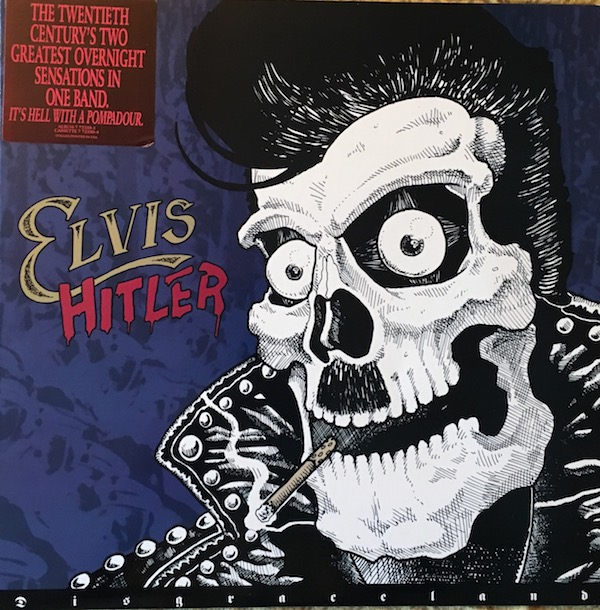
Elvis Hitler | Disgraceland | Restless 1988 |
Rockabilly punk from Detroit with lots of redneck humor, kinda like a mix of Mojo Nixon & Skid Roper and Nine Pound Hammer with a dash of The Cramps. ‘Disgraceland’ is one wild and ferocious ride, never too serious, and far less offensive than the band name suggests. Song titles like “Cool Daddy in a Cadillac” and “Hot Rod to Hell” says it all, and make sure not to miss “Green Haze” – a hilarious mash up of the lyrics to “Green Acres” with the melody of “Purple Haze”.
The Reivers | End of the Day | Capitol 1989 |
The Reivers made some of the finest southern pop of the 1980s, starting off as Zeitgeist a couple years earlier. ‘End of the Day’ is a warm breeze of an album, gravitating around the gracious interplay between singers and guitarists John Croslin and Kim Longacre. Not quite jangle pop, nor southern gothic, even if their name is taken from a William Faulkner novel. The Austin, Texas band created a lush, gentle and mature pop album here, timeless in style and tone. The album cover sets the mood; this is one for those long, hot summer nights out on the porch.
The Pogues | If I Should Fall From Grace With God | Pogue Mahone 1988 |
He was a drunkard that almost lost it all, but Shane MacGowan is also such a tremendous songwriter and The Pogues were an astonishing band at the height of their career. And never did they sound better than here – under the firm guidance of producer Steve Lillywhite. ‘If I Should Fall From Grace With God’ has it all; the wild fury from their live shows, brilliant lyrics, and some of their most memorable tunes (the Christmas evergreen “Fairytale of New York”, once perfectly nailed by The Guardian “as good an example as any of MacGowan’s unerring ability to locate the romance in ruined lives”). Also including the Middle Eastern tinged “Turkish Song of the Damned”, politically charged “Streets of Sorrow”/”Birmingham Six” and their epic Irish-American emigration anthem “Thousands Are Sailing.” This is a classic album from start to finish, and the finest The Pogues ever made.
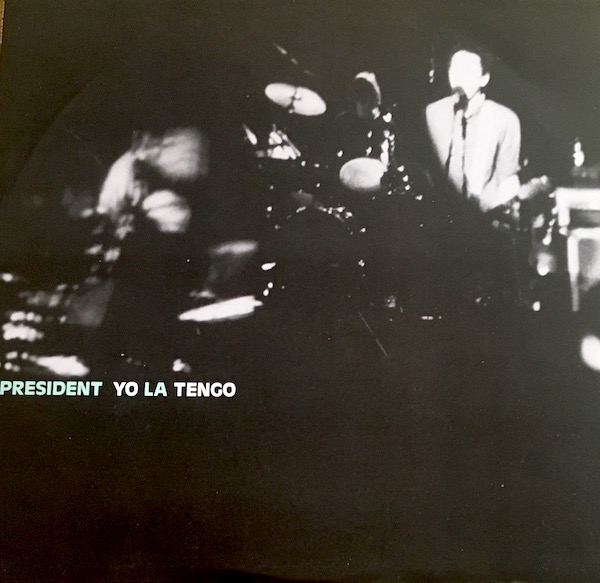
Yo La Tengo | President Yo La Tengo | Coyote 1989 |
Third album from the band that has yet to release a bad one is a mini LP consisting of both studio and a couple live recordings (from CBGB’s). It’s a short one, 30 minutes long, but packed with their signature sound where hushed down indie gems meets noisy guitar excesses. This can be exemplified by side 2, with the mind-blowing and lengthy version of “The Evil That Men Do” and a sweet take on Bob Dylan’s “I Threw It All Away”. ‘President’ was my first encounter with a band that I’ve never tired of, always returns to and that continues to impress to this very day. After 30 years they’re like old friends, and in many ways they are. I still vote for them.
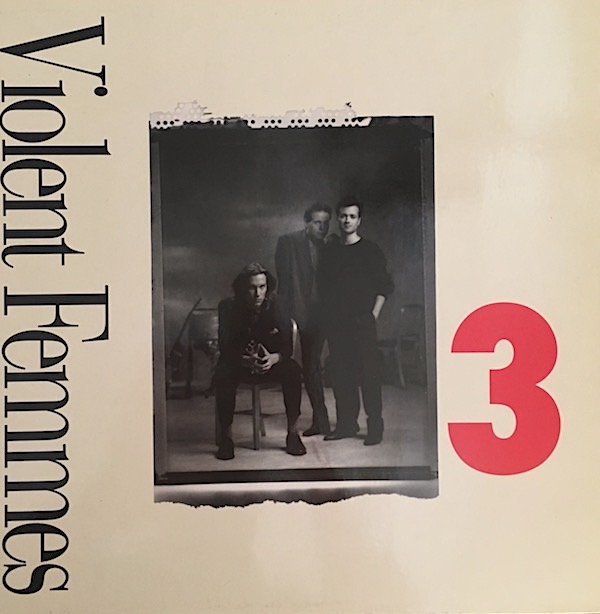
Violent Femmes | 3 | Slash 1989 |
Violent Femmes’ near perfect debut album turned out to be a blessing and a curse. Capturing the essence of youth with immediate and clever folk-pop anthems, the album is a forever classic that any band would have trouble matching. But all of their 1980s albums are actually well worth hearing, including this one, their fourth and awkwardly titled ‘3’. This time around, Violent Femmes returned to their stripped down roots, but with slightly less memorable songs than on their previous efforts. However, “Nightmares”, “Fool in the Full Moon” and hauntingly beautiful “See My Ships” and “Nothing Worth Living For” are great additions to their catalog.
Sidewinders | ¡Cuacha! | San Jacinto/Diabolita 1989 |
I’m pretty sure I bought Sidewinders right off the bat based on their Tucson whereabouts and close connections with Giant Sand and the folks down there. Rich Hopkins does excellent guitar work throughout the album, Scott Garber guested on bass and Eric Westfall was involved with the production. I also remember how I just fell for the band name, the cover art and the title. They spoke to me. It’s been awhile since I put this one on, but it still sounds so damn good. Sidewinders operated in a rather characteristic 80’s guitar rock landscape, not too far from the LA-scene and names like The Dream Syndicate, True West and The Long Ryders; a little bit jangle, a little bit dusty country-rock and a little bit blistering pop-punk. Back then bands could juggle around; try out different stuff while finding their way. ‘¡Cuacha!’ is packed with great tracks on both sides, side 2 is even better than the first, including a lengthy version of “What She Said.” Sidewinders later became known as Sand Rubies, and they’ve been involved in varied stuff over the years. Make sure to pick up their first album if you ever stumble upon it. Another lost classic from the 1980s.
Waxing Poetics | Manakin Moon | Emergo 1988 |
Waxing Poetics was (or is, I believe they’re still up & running…) a Virgina four piece leaning towards tight and catchy Southern indie/heartland rock (think House of Freaks, Drivin’ N Cryin’, The Del-Lords). For the sophomore album ‘Manakin Moon’ they cleaned up the sound and let the guitars rock harder and more prominently than on their power pop debut (produced by pals Mitch Easter and R.E.M’s Mike Mills) – a slight stylistic change you’ll notice on the back cover shot where all four are dressed up in black leather jackets. My favorites here are the solid, powerful ballads like “Father, Son & Ghost” and “Downstairs,” where the great voice of lead singer David Middleton really shines. The LP also includes a somewhat surprising (and good) cover version of Brian Eno’s “Needle in the Camel’s Eye”.
The Texas Instruments | The Texas Instruments | GWR 1988 |
Punks from Texas are something else, not being afraid to show off their eccentric preferences and cowboy roots. Just like the power trio The Texas Instruments. These guys sure know how to rock while staying true to their heartland hearts. Their first album is a great collection of songs, unpretentious no-nonsense style. If you like Meat Puppets, True Believers and Minutemen this is the missing link. The album includes a couple covers – Woody Guthrie’s “Do-Re-Mi” and Dylan’s “A Hard Rain’s a-Gonna Fall”- that aren’t super necessary but adds some context to their sound. And works as reminder that it must’ve been a whole lotta fun to witness this band in their heyday. Their debut LP was originally released on Rabid Cat in 1986, this is the UK version dropped a year later – same cover and same songs. Produced by SST house producer Spot.
Cowboy Junkies | The Trinity Sessions | RCA 1989 |
Created in Toronto’s Church of the Holy Trinity, this album surely captures a holy spirit. Recorded with the band gathering around one microphone, the album is made up of truly wonderful originals and some equally great cover songs, including Hank Williams’ “I’m So Lonesome I Could Cry” and Velvet’s “Sweet Jane.” Performing in a hushed tone, quiet vocals and gentle instrumentation, this is intimate music made in a big room revealing even the smallest of details. Most albums lose some spark after awhile, this one is not of them. The album sounded timeless already at the time of its release, and still invokes an otherworldly feeling. ‘The Trinity Sessions’ was released in Canada in 1988; this international was released a year later. Cowboy Junkies have continued to make great albums up until this day. Make sure to check up on their full catalog.
My album collection, presented in chronological order from when it was bought from January 1988 – revisited one at the time. This is the final round from 1988.
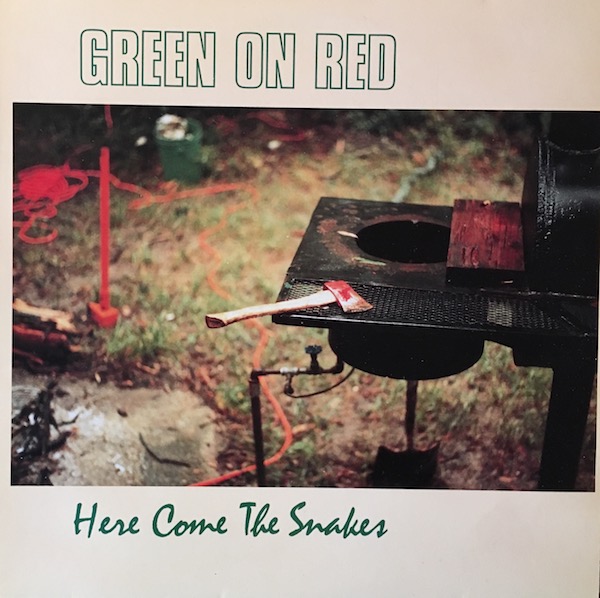
Green On Red | Here Come The Snakes | Red Rhino 1988 |
What comes after the blues? Green on Red went down to Memphis to figure it out, and teamed up with producers Jim Dickinson and Joe Hardy at Ardent. Only a duo at the time, leaving Dan Stuart and Chuck Prophet as core members, this album digs deep down in the American soil of country, blues and rock & roll and ends up somewhere between The Rolling Stones and Neil Young, where the three songs at the tail end of the album shines particularly strong. Here Come The Snakes might lack the youthful innocence and camaraderie of their previous efforts, but it sure adds another value. Something more severe.
The band members reconciled some years later, but dark shadows looms over Green on Red at this point in their career.
Various artists | Welcome to Comboland | Making Waves 1986 |
North Carolina must’ve been a joyous place to live in the 1980s, judged by the friendly atmosphere and cheerful indie presented on this compilation. Or perhaps it’s just a reminder of less cynical times, a time of less tension and a more laidback attitude. Or maybe it’s because of Don Dixon, being largely responsible for producing many of the bands presented here. His jangly signature sounds permeate the album of twelve artists from the state. The Connells are probably most remembered of these bands today, however, I urge everyone to grab a copy of this sampler. Just for you to enjoy forty-two minutes of Southern hospitality, including prime acts like Southern Culture on the Skids, Fetchin’ Bones and The Spongetones.
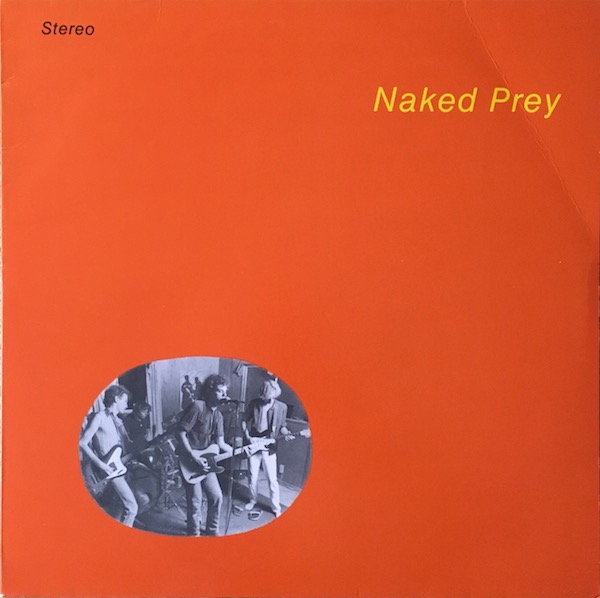
Naked Prey | Naked Prey | Down There 1984 |
The 1984 debut album from Tucson outlaws Naked Prey is a raw and ragged exploration of an acid drenched southwestern mythology at the crossroads of garage rock and country punk. Fronted by the one and only Van Christian, with lovely guitar work by David Seger. Produced by Dan Stuart, Steve Wynn and great cover shot by Scott Garber, this is a supergroup in my book.
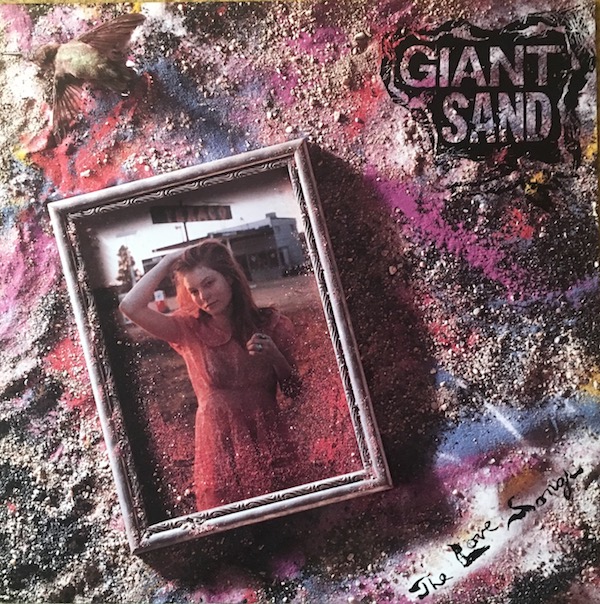
Giant Sand | The Love Songs | Demon 1988 |
We are all things at different times. This album made such an impact on me that I convinced my pal to buy a ‘66 Barracuda. I still remember how we cruised down the road under a fingernail moon, while the pine trees transformed into cactuses, counting stars like neon lights from down the mud to way up sky. The car eventually got sold, but the The Love Songs still thrones up there as a one of my dearest favorite albums of all time. ‘Your passion is like world war three/my defense is a crumbling NATO.’ I mean, what’s not to love?
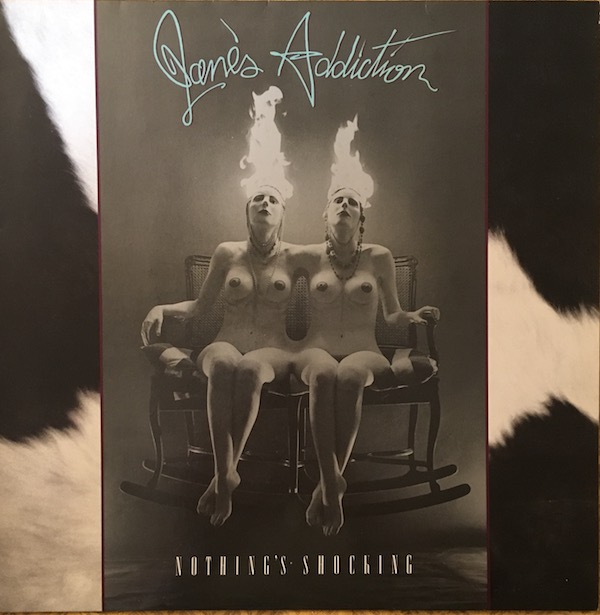
Jane’s Addiction | Nothing’s Shocking | Warner 1988 |
So, this was pretty mind-blowing stuff 30 years ago. It’s not quite as shocking today, but the cover art alone, the conjoined twins with their heads on fire, sets the tone for an ambitious and powerful album. Jane’s Addiction managed to unify punk, funk and metal into something cutting-edge and timeless. Nothing’s Shocking paved way for so much of the grunge craze to come, but this is smarter, more arty and engaging than most of them.
Thin White Rope | In the Spanish Cave | Frontier 1988 |
In the Spanish Cave is a tad brighter and varied than its predecessors. Ranging from almost joyous tunes (“Mr. Limpet”) to bulldozing guitar assaults (“It’s OK”), it features their most beloved song, the epic desert anthem “Red Sun.” In a thorough review celebrating its 25th anniversary in 2013, The Quietus points out how they created an alien take on the unfathomable vastness of the American landscape and its effects on the nation’s psyche, and how they used this landscape, not as representing a sense of freedom, but as an area of something uncanny and unsettling, summing up the album as a “potent, fantastical window onto a malign new phase of the American Dream.” Needless to say, this is one of my favorite albums of all time.
Creedence Clearwater Revival | Cosmo’s Factory | Fantasy 1970 |
‘They’re selling independence/Actors in the white house/Acid in digestion/Mortgage on my life..’ With all their standards and ballads on daily adult radio rotation, it’s often easy to forget how insanely cool CCR actually was. “Ramble Tamble” sounds like something The Cramps and The Dream Syndicate could’ve cooked up together a decade later, with the breezy mid-section as one of this album’s standout moments. But there’s a lot more gold here; “Run Through The Jungle” and the lengthy “I Heard It Through The Grapevine” are particularly great – and most of the other songs are established as beloved rock classics.
Hüsker Dü | Candy Apple Grey | Warner 1986 |
Signing a band like Hüsker Dü on a major label must’ve been a rather bold move back in 1986. But in hindsight this was a prophesy of new times for American alternative guitar rock, and soon bands like R.E.M, Dinosaur Jr. and The Replacements moved from indies to major – without losing their former edge. The Hüskers was constantly developing from underground punks to something far more diverse and mature, and in many ways Candy Apple Grey is the culmination of a journey they’d started on with ‘Zen Arcade’ only two years prior. It’s nothing but amazing to look back at their astonishing intense production and rapid progression, and no wonder they were about to burn out and implode just a year or so later. Candy Apple Grey gives us some of their finest songs, including “Don’t Want To Know If You’re Lonely”, “Sorry Somehow” and acoustic “Hardly Getting Over It.” What a truly great band they were.
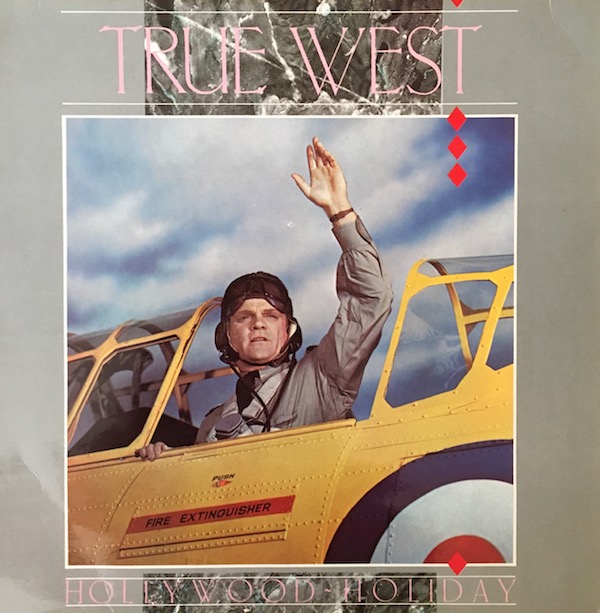
True West | Hollywood Holiday | New Rose 1983 |
True West belonged to a group of likeminded 1980s Los Angeles bands dubbed ‘Paisley Underground’, along with The Dream Syndicate, The Bangles, The Long Ryders, The Rain Parade and others. It’s a shame that they’re largely ignored today, cause not only were True West the quintessential paisley band, a missing link between ’60s garage rock, trippy psychedelia (they do a mighty fine version of Pink Floyd’s “Lucifer Sam”) and Televison (check out “It’s About Time”), this album holds up very well compared to many of their peers efforts and is a lost classic of ’80s guitar rock. A little while ago I named Drifters (1984) their masterpiece, but after another couple of listenings to Hollywood Holiday I must reconsider that statement. Man, I’d completely forgotten what a tremendous album this is, from start to finish. I love the frantic guitar work between Russ Tolman and Richard McGrath on the almost Gun Club-like “I’m Not Here” and songs like “And Then The Rain” and “Throw Away The Key” would’ve been hits in the hands of R.E.M. Hollywood Holiday is produced by Russ Tolman (he later went on and made a great, still ongoing solo career) and The Dream Syndicate’s Steve Wynn. They knew each other very well as members of The Suspects, the short lived band they shared with Kendra Smith, later in the first incarnation of The Dream Syndicate and Gavin Blair, lead singer of True West.
Thin White Rope | Exploring The Axis | Frontier/Zippo 1985 |
Thin White Rope never really fit into the categories used to brand guitar dominated rock in the 1980s. They were too harsh to be labeled as jangle, too loud for the emerging alternative country movement and too dark to fit into the flowery Paisley Underground. Just as close to Television, Bauhaus and Joy Division than their more successful contemporary counterparts in ’80s American underground (R.E.M, The Replacements, Pixies), Thin White Rope’s desert psychedelia was a far more vast and difficult creature to cast. Out of time back in the day, they are timeless in hindsight. Thin White Rope immediately introduced their main modus operandi. The first song off their first album, Exploring the Axis, is something of a surreal country-noir story entitled “Down in the Desert,” about a guy called Karl who headed south and came back changed by his experiences in the desert. (“Karl came back and he works and he smiles/But if you look closely there’s still something scared in his eyes…”) Based out in the Northern California university town of Davis, Thin White Rope often returned to the desert as a recurring trope in their songs, both emotionally and musically. “Soundtrack,” from the same album, also laid a sonic foundation for what to come later; their ability to let an austere tune about alienation (“Windshields are like TV screens/I’m not involved at all”) explode into a ferocious assault as a sneering Guy Kyser goes full Mad Max (“She throws firebombs on the highway/Glass splashing and bushes burning”), revealing a band with a constant underlying rage – a beast they sometimes tamed, sometimes let loose.
Oh yes, they held us in a firm grip out on that ledge, but one also softened with beautiful melodies and a sense of melancholia and human kindness; elements that would be more prominent later on in their career.
The Dream Syndicate | Ghost Stories | Enigma 1988 |
Ghost Stories is the fourth and final studio full-length album from The Dream Syndicate, until they finally returned after a 30-year long hiatus in 2017. Fronted by lead singer and songwriter Steve Wynn, The Dream Syndicate managed to keep a consistent and recognizable style all through the 1980s, but every album has its own distinct personality: The untamed ferocity of the 1982 debut, an album they’ll always be measured against, the grandiose and ambitious sophomore show, and their underrated third album, when they came out of the grey with upbeat breeziness. Produced by Elliot Mazer, ‘Ghost Stories’ ties together all this greatness into an album that sounds better and rocks harder than ever before. Wynn once described the album to me as “dark, noisy, and bratty but its also quite self-assured and not undone by production – neither too little nor too much.” He forgot to mention that the songwriting is ace throughout, there’s not a weak track here and Ghost Stories is one mighty, classic slice of 1980s guitar rock. Just hear the opening verse and try to turn off: “Every cloud has a silver lining/Every down has an answer, I know/But in my heart there’s no light shining/Just emptiness and faded glow/Raining down on the side I’ll never show…”
The album collection in chronological order from when it was bought. Revisited one at the time. Part 5.
Sonic Youth | Daydream Nation | Blast First 1988 |
Bought in late October 1988, when this was brand new I guess. I knew Sonic Youth a little bit from before, had been scared off by ‘Confusion is Sex’ and fell in love with ‘Sister’ earlier in the same year. But this is still my gateway album into a band I’ve never tired from. Sonic Youth will forever be one of my definitive favorite bands. ‘Daydream Nation’ was a mind blowing experience back then, and it’s just as good today, 30 years later, ranking as one of the true masterpieces of not only 1980s guitar rock, but as a beacon in American underground culture.
R.E.M. | Green | Warner 1988 |
Is ‘Green’, their major label debut, the last great album of R.E.M.? I don’t know, I’m well aware of the enormous success they were about to enjoy later on, but for me, this was actually the final album I bought and enjoyed from start to finish from a band that was tremendously important to me. “World Leader Pretend” will forever remain an eternal favorite, but the whole album is just gorgeous. A soundtrack to the indian summer of 1988.
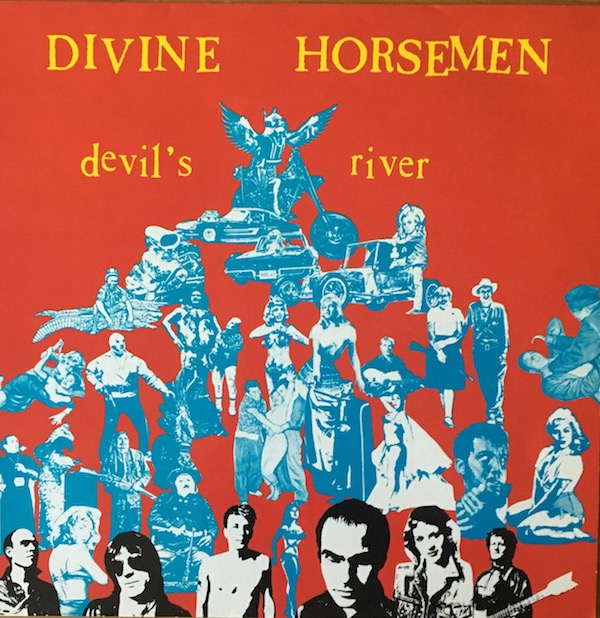
Divine Horsemen | Devil’s River | New Rose 1986 |
A Lee & Nancy kinda dark cowpunk romance set in the LA gutter, based on equal love for punk rock and honky tonk; Divine Horsemen are one of the true alt.country pioneers – but arrived a bit too early to cash in on the thing. ‘Devil’s River’ is their finest moment, and it has aged well too. Chris D and Julie Christensen was a mighty fine unit back in those days. And hey, it’s engineered by Mr Brett over at Westbeach.
Black Flag | My War | SST 1984 |
How much damage did this album cause for a young innocent kid, unaware of the sludgy nightmare on the b-side? I was already a fan of early Black Flag, “Six Pack”, TV Party” and such stuff, but this was a whole other ballgame. Little did I know that ‘My War’ became the gateway album to my grunge phase, right around the corner. The Pettibon cover is brilliant, too.
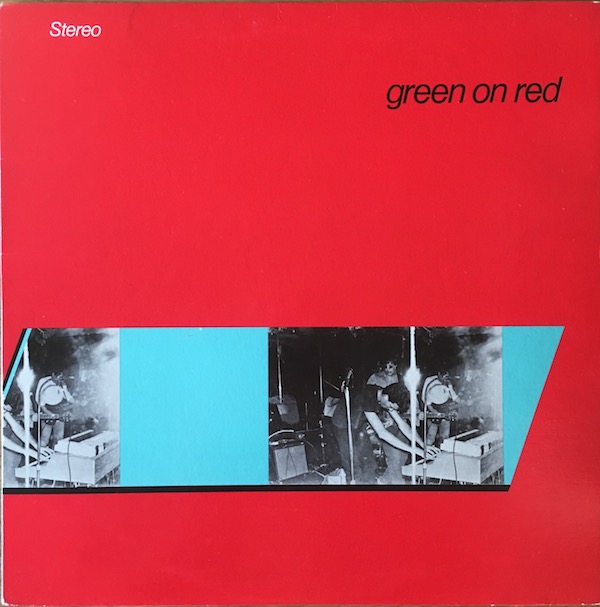
Green On Red | Green On Red | Down There/Enigma 1982 |
The musical roots to this EP can be traced back to the 1960s and bands like the Seeds and Electric Prunes, infused with the nervous tension of the early 1980s. ‘Green On Red’ is a dense masterpiece from a band in its very infancy, a night road trip from the Arizona desert to the backstreets of Los Angeles, where our protagonists evolves from youthful naivists to dark-eyed realists. “I made a pact with the devil that night” snarls Dan Stuart, while Chris Cacavas clings on to a steady organ drone. This might be a prediction of greater albums to come, but Green On Red never captured this almost dreamlike state of past and present ever again. I love it.
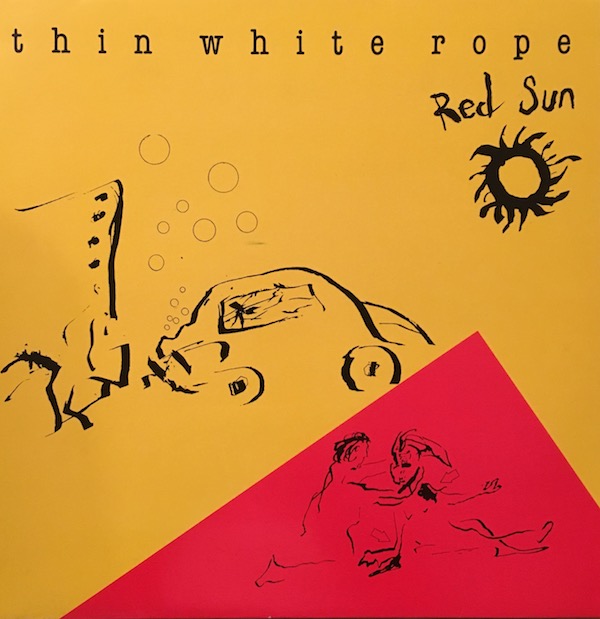
Thin White Rope | Red Sun EP | Demon 1988 |
“Red Sun” is the one majestic centerpiece in a catalog full of them, and it’s still the perfect song for those sweltering 100 degrees summer evenings on the porch. The grinding cover version of “Some Velvet Morning” is also worth mentioning, those guitars stems from a whole other solar system. Such a great EP, such a great band.
The Long Ryders | 10-5-60 | Zippo 1987 |
Six wonderful tracks of paisley power, where ‘60s folk rock meets ‘80s garage revival. “Born To Believe In You” was my favorite back then, and it still is.
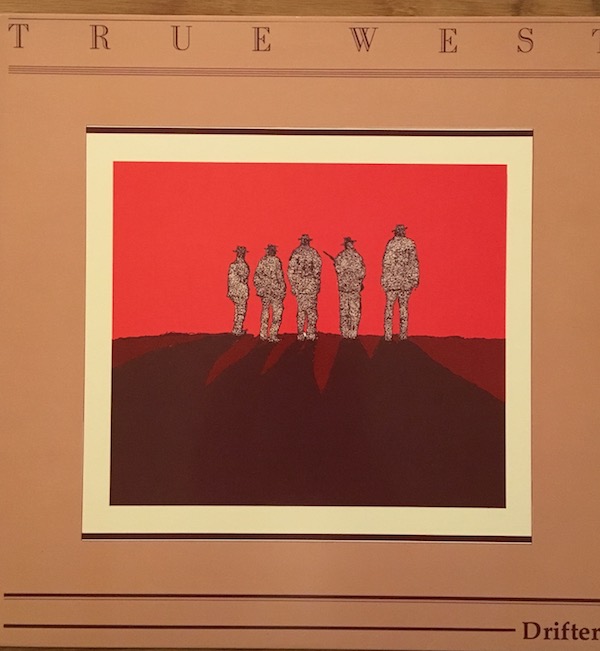
True West | Drifters | Zippo 1984 |
The combination of chiming guitars, rootsy sound and retro-friendly jangle pop sure is irresistible. True West did it better than most of their peers, and ‘Drifters’ is their masterpiece. Especially side 2, including some of their most memorable songs, “And Then the Rain”, “Morning Light” and others, is standout. ‘Drifters’ is a mighty fine album.
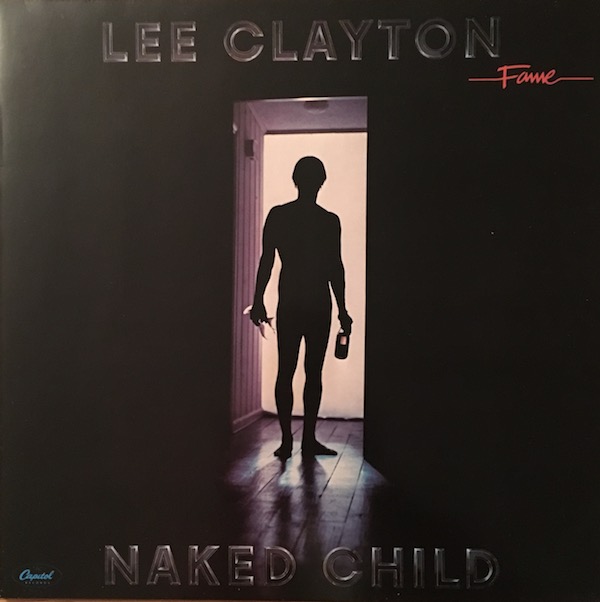
Lee Clayton | Naked Child | Capitol 1979/1983 |
Where the heck is Lee Clayton today??
Motörhead | Ace Of Spades | Bronze 1980 |
Everything is cool about this album. I believe I bought it – in the fall of 1988 – mostly because of the cover art – I mean, what’s not to dig about those three mighty grim lookin’ cowboys posing in the desert. But the songs are killer too, of course. Timeless on all levels.
The album collection in chronological order from when it was bought. Revisited one at the time. Part 4.
Russ Tolman | Down In Earthquake Town | Demon 1988 |
This is the second solo effort from Russ Tolman, a close associate of the jangle/underground scene in Los Angeles and former frontman of True West. This paisley packed album includes a fine list of guests, such as Steve Wynn (they used to run the label Down There together), Dave Provost and Chris Cacavas, and engineering credits goes to Brett Gurewitz (Bad Religion, Epitaph). Tolman is a good, confident songwriter, and he crafted a varied and enjoyable album down in his earthquake town. It has aged rather well too, with its laidback feel and sunny LA vibe, rich instrumentation, including some mighty fine Southern horns it’s just one of those timeless albums that deserves far better than being swallowed in the sea of time.
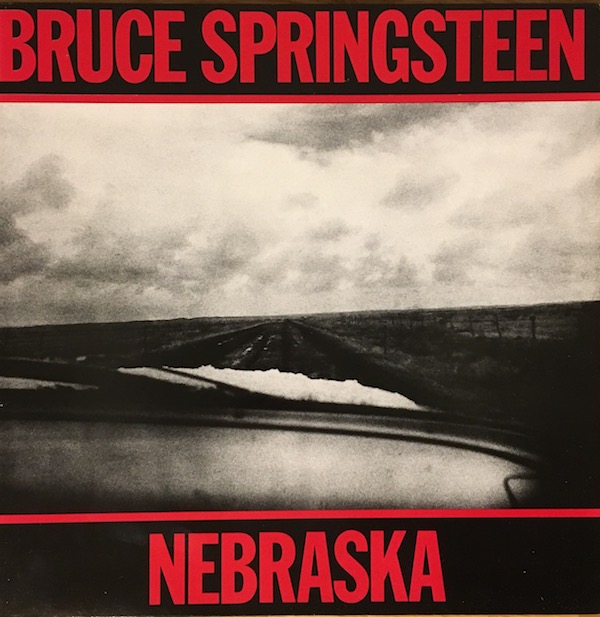
Bruce Springsteen | Nebraska | CBS 1982 |
I listened a lot to Born in the U.S.A as a young kid, and know his catalog fairly well, but the lo-fi sounds of Nebraska remains my forever favorite. Not sure why I bought it in the fall of 1988, wasn’t a huge fan of Springsteen, but might be the cover art that appealed to me. Nebraska is actually my sole Springsteen LP in the collection and the one I always return to when I need some advice from the Boss.
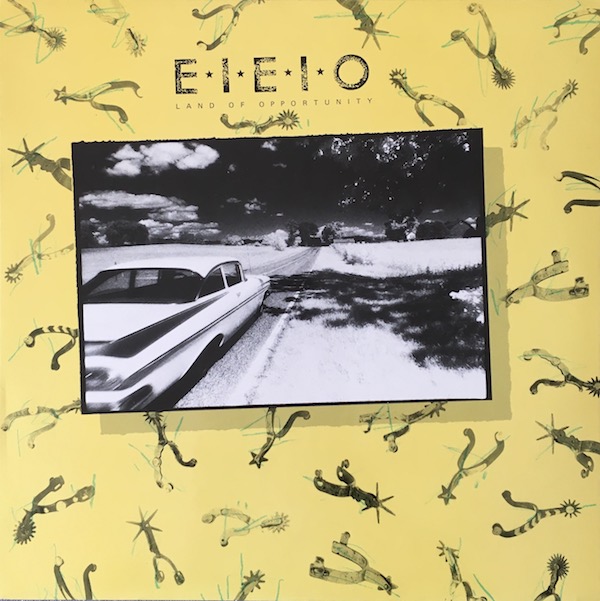
E*I*E*I*O | Land of Opportunity | Demon 1985 |
This Wisconsin quartet played some mighty fine heartland Americana way before that was a hip term. There was nothing fancy about them, but on the other hand, this is one of those albums that never sounds outdated. Great vocals by frontman Steve Summers, strong songs throughout the whole album, and T-Bone Burnett lends some guitar assistance and co-production by Steve Berlin are just some of the treats on this debut. E*I*E*I*O fits nicely among likeminded peers such as BoDeans and Rave-Ups, but they never really got as recognized as deserved.
Thin White Rope | Moonhead | Frontier/Zippo 1987 |
Just as close to Television, Bauhaus and Joy Division than their contemporary counterparts in ’80s American underground (R.E.M, The Replacements, Pixies), Thin White Rope’s desert psychedelia was a far more vast and difficult creature to cast than most of their peers. Their second album Moonhead is a somber, bleak masterpiece, allowing for more space, tension and dark power than on their debut. Moonhead is one of the lost classics of the decade, once flourishingly described by British psych-guru Julian Cope: “[Guy] Kyser mumbles stripped down considerations about life, sex and death, and he seems a scientist who describes microscopic life forms. Mankind is reduced to puppet-like dimensions: around us, there’s an enigmatic, useless, obscure universe, apparently enemy of any feeling and thought.” For sure! It was a huge favorite 30 years ago, and it has followed me all my adult life without losing an inch of its majestic strength.
Giant Sand | Ballad of a Thin Line Man | Zippo 1986 |
Back in 1988, 30 years ago, I was still fooling around with music, everything was new and of interest, heading in all kinds of directions at the same time even though I was pretty much already set on the American underground train. I had already bought Storm a couple months prior to Ballad of a Thin Line Man, but it was here they turned into my forever favorite band. And just like I was searching for my musical bliss at the time – still am – Howe Gelb and his Giant Sand had just started to stake out their own course – still are, and that it was one of the reasons I love em. They would go on to make better albums later on I guess, but this one still holds a special place in my sandy heart.
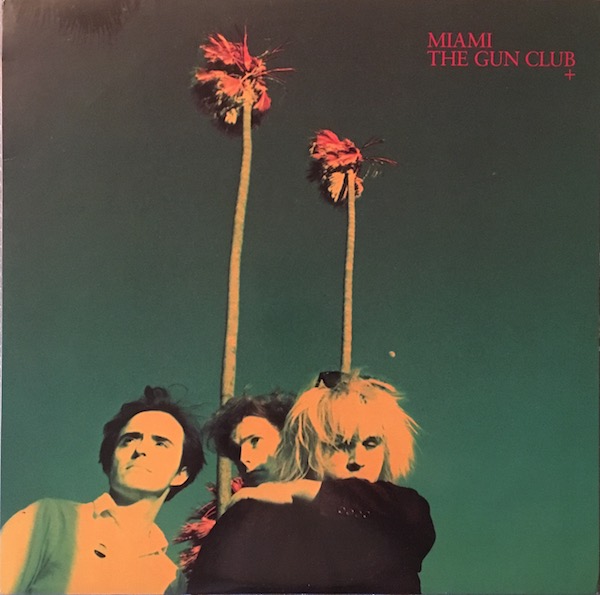
The Gun Club | Miami | Animal 1982 |
‘Come down to, the willow garden with me’ Jeffrey Lee Pierce invites us to Miami, but we steer off the highway and enter into his dark mind, the willow gardens and deep into the very heart of Gothic American mythology. ‘Miami’ is a swampy blues album built on a punkish attitude, draped in voodoo rituals, deserted honky tonks and desperate fever. It has been a big favorite for 30 years, loved for the cover alone with its emerald-green sky and the palms raising majestic behind the trio in front of the image. Two of them look at something in the horizon; Pierce is dressed in dark, hair-dyed blonde, looking down to the ground. I’ve always linked this album to Jim Jarmusch’ ‘Stranger Than Paradise’, following a shabby trio through the Midwest and down to a run down tourist hub in Miami. There is not much paradise to find here, nor in Jeffrey Lee Pierce’ postcard from the south. But it is one damned journey.
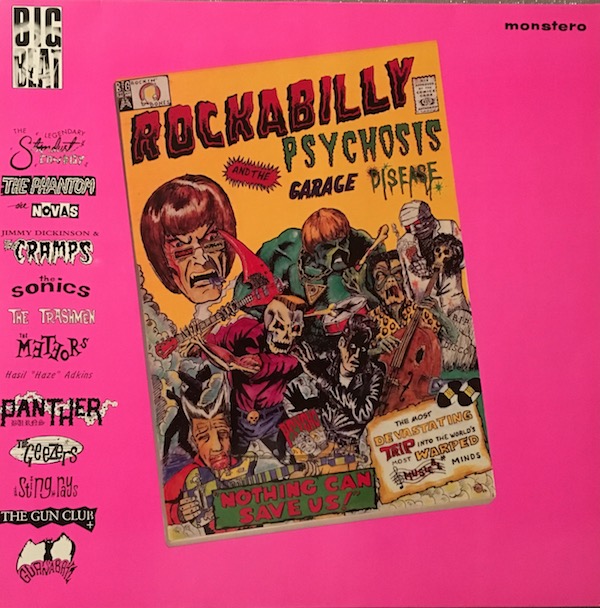
Various artists | Rockabilly Psychosis and the Garage Disease | Big Beat 1984 |
I was a huge fan of Tales From the Crypt, Haunt of Fear and all the other early 1950s horror and gore stories from EC Comics (republished in the 80s). This album cover – and they mattered a whole lot back then – is a homage to the wicked and wild era of degenerate fun. And so is the music, a really cool collection of, well, rockabilly psychosis and the garage disease.
This San Diego based twosome was never about being too serious. Titles like “Gonna Put My Face on a Nuclear Bomb”, “I’m Living With a Three-Foot Anti-Christ” and “The Amazing Bigfoot Diet” says it all. They were hilarious and heartfelt, and they rocked big time with their infectious rockabilly blues. Mojo is hollering his lungs out while Skid is jamming on the washboard. There is just loads of party fun here, I’ve always had a soft spot for the satirical highlight and more mellow “Feeling Existential” with Steve Wynn on guest vocal:
‘Your goatee is growin’
In front of your fake French café
You’re readin’ Kirkegaard
Underneath your very black beret
Smokin’ filterless Camels
That stink just like Gitanes
Drinkin’ some espresso
Droppin’ all the names’
Giant Sand | Valley of Rain | Amazing Black Sand/Enigma 1985 |
Bought in October, anywhere 1988, my third Giant Sand LP that year, and one of the albums I’ve listened to the most my entire life. 30 years down the road I’m still amazed by how cool it is. Little did I know that these desert punks would soon blossom into something totally unique and follow me close until this very day. One of those random love stories I guess. A nice landscape, indeed…
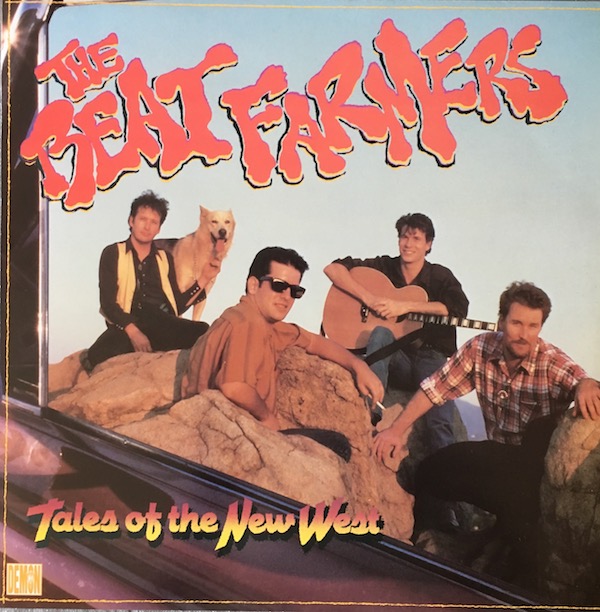
The Beat Farmers | Tales Of The New West | Demon 1985 |
Here’s to having a good time, new western style. The Beat Farmers might came just a bit too early for the alt.country craze, but who cares. The San Diego based quartet’s debut album is packed with unpretentious, tight and fun songs. Great originals, cool covers and then there’s Country Dick Montana.
‘I was walkin’ down the street on a sunny day
Hubba hubba hubba hubba hubba
A feeling in my bones that I’ll have my way
Hubba hubba hubba hubba hubba
Well I’m a happy boy (happy boy)
Well I’m a happy boy (happy boy)’
There’s really nothing do but to raise the glass and sing along.
The album collection in chronological order from when it was bought. Revisited one at the time. Part 3, Spring 1988.
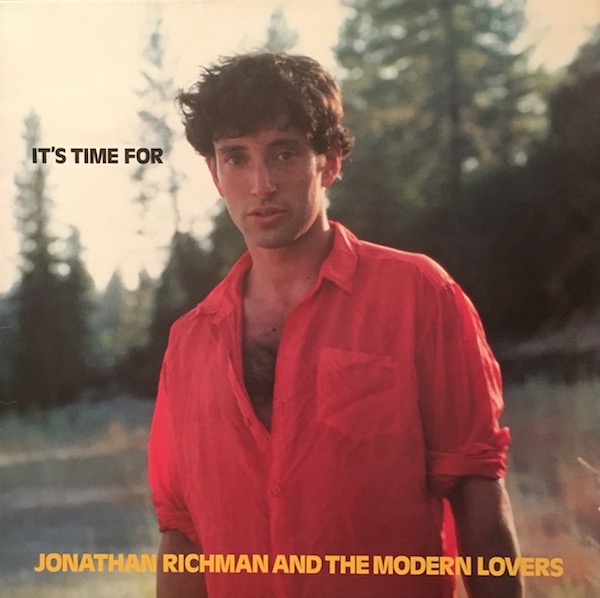
Jonathan Richman and the Modern Lovers | It’s Time For… | Rough Trade 1986 |
This album is summer to me. To be just about sixteen and hear “Just About Seventeen” for the first time was just about right on time. I immediately fell for Richman’s naive and almost childlike qualities, but behind the immediate charm are somber songs (“Ancient Long Ago”, “When I Dance”, “The Desert”) with enduring qualities lasting way past being seventeen and well into adulthood. This album still evokes the endless summer days of youth.
The Legendary Stardust Cowboy | Rock-It To Stardom | Big Beat 1985 |
Yee-haw, this is a way out rodeo ride from the cattle ranch to outer space and back by the one and only Legendary Stardust Cowboy from Lubbock, Texas. “Paralyzed” is the obvious novelty hit here; jaw-dripping hilarious and remarkably addictive. The Ledge made some wild rockabilly/psychobilly stuff back in the days, sometimes out of tune – “Who’s Knocking On My Door!” barely holds together and “Fly Me to the Moon” is, well, let’s say a bit weirder than Sinatra’s smooth version. “I Walk a Hot Wind” wouldn’t be totally off on a Cramps-album, and so it goes. Rock-it to Stardom is one helluva joyride even though it’s a bit overwhelming to digest all at once. Bowie was a fan and a friend, and supposedly invented Ziggy Stardust based on this here cowboy. The Ledge is still out there; whooping and a hollering to the moon.
Various artists | Don’t Shoot | Zippo/Demon 1986 |
Americana or alt.country were not frequently used terms when these (mainly) L.A cowpunks came riding into town. This collection serves as a great introduction to the scene, including core figures from bands like The Long Ryders, Green on Red, The Rain Parade, Giant Sand and many others doing a fine mix of covers and originals. Danny & Dusty kicks the whole thing off with previously unreleased “Bend in the Road”, the outlaw brotherhood anthem is still the highlight from an album filled with delightful neon dust from the sunset highway.
Dead Kennedys | Fresh Fruit for Rotting Vegetables | Cherry Red 1981 | Dead Kennedys | Plastic Surgery Disasters | Alternative Tentacles 1982 | Dead Kennedys | Bedtime For Democracy | Alternative Tentacles 1986 | Dead Kennedys | Give Me Convenience or Give Me Death | Alternative Tentacles 1987 |
In the summer of 1988 a friend of mine sold his LP’s when switching over to CD. I couldn’t afford buying a whole lot, but I managed to get hold of four albums by Dead Kennedys and almost completed their catalogue in one big swoop. Hit packed Fresh Fruit… and Give Me Convenience… became instant faves, and turned me on to a long and lasting relationship with not only Jello Biafra but to all the tentacles of the Alternative Tentacles universe. I learned a lot from the Kennedys, approving their anger and enjoying their satire. In the era of the Trump Empire a band like Dead Kennedys is sorely missed, even though much of their socio-political message is just as relevant today.
The Replacements | Pleased To Meet Me | Sire 1987 |
The transition from being a underground punk to gain mainstream fame reached its zenith with ‘Nevermind’ topping the charts in the early 90s. But the road to Nirvana started some years before, and The Replacements is a prime example of this journey (they even got their own “Never Mind” here). This is of course mockingly illustrated with the cover art, and in the music. Without losing sight of their punk roots in Minneapolis, this is the sound of a band growing up and – under the supervision of Jim Dickinson in Memphis – entangling deeper and wider than ever before. The Replacements were never about perfection, faults and flaws played an integral part of their sound and was something they built their entire recording career on. But they never sounded so imperfectly perfect as on Pleased To Meet Me. I’m still listening, looking at the stars and dreaming of the skyway.
Motor Boys Motor | Motor Boys Motor | Albion 1982 |
Taking their name from Joe Strummer’s 101’s song, Motor Boys Motor made just one album before guitarist Bill Carter and bassist Chris Thompson formed the Screaming Blue Messiahs. They were children of the pub rock craze, spiced up with avant rock influences (Beefheart, Pere Ubu) and R&B/blues roots. Some cool moments here and there, some silly ones (“Here Come the Flintstones”), they never really surpass the killer opening track “Drive Friendly” and never got quite as hazardous as the striking cover art.
deLillos | Suser avgårde | Sonet 1986 |
Det må ha vært sommeren 1985. Jeg hørte fast på Ungdommens Radioavis på den tiden – mediemangfoldet var noe begrenset – og den sommeren spilte de låtene fra rockemønstringen på høy rotasjon. Jeg husker ikke så mange av de andre finalistene, men “Siste sommerferiedag” med deLillos festet seg umiddelbart – den traff nok en dypt iboende melankolsk nerve – og ble min favorittlåt det året. Jeg satt hjemme og ventet på at den kanskje skulle komme, hver lørdag tror jeg det var, for det var ingen andre muligheter enn å sitte foran radioen og vente. Litt senere hørte jeg «Johnny Fredrik» og så viste Halvsju videoen til “Tøff i pyjamas”, og sammen med Jokke ble deLillos mitt første og største norske favorittband. Suser avgårde er den eneste LP-platen i samlingen som jeg faktisk kjøpte først på CD – i 1987 må det ha vært, deretter på nytt igjen på LP året etter. Uansett format, ‘Suser avgårde’ er en fantastisk bra plate, fri for dødpunkter, som hver gang gjenskaper følelsen av ungdom og sommer, der naivisme og uskyld møter gryende voksenalvor og usikkerhet. Jeg var allerede godt kjent med musikken til R.E.M, The Chills og Jonathan Richman, og det var først og fremst i denne musikalske tradisjonen deLillos hørte hjemme i mitt hode. Men de sang på norsk, og de talte til meg uten omveier. Det var ikke noe jeg heller ville bli enn en forsoffen student som flanerte langs brosteinslagte bygater, gå på fester med søte piker og drøssevis av vinkasser, ja bare suse avgårde inn i livet.





 In the early 1970s, Chicago singer-songwriter and jazz guitarist Terry Callier cut three astonishing albums for the Chess Records subsidiary Cadet: Occasional Rain and What Color Is Love (both 1972), and I Just Can’t Help Myself (1974). Here Callier fully displays his masterful ability to intertwine folk, rock, soul and jazz, and What Color Is Love shines particularly bright among the three.










 “Red Sun” is the one majestic centerpiece in a catalog full of them, and it’s still the perfect song for those sweltering 100 degrees summer evenings on the porch. The grinding cover version of “Some Velvet Morning” is also worth mentioning, those guitars stems from a whole other solar system. Such a great EP, such a great band.