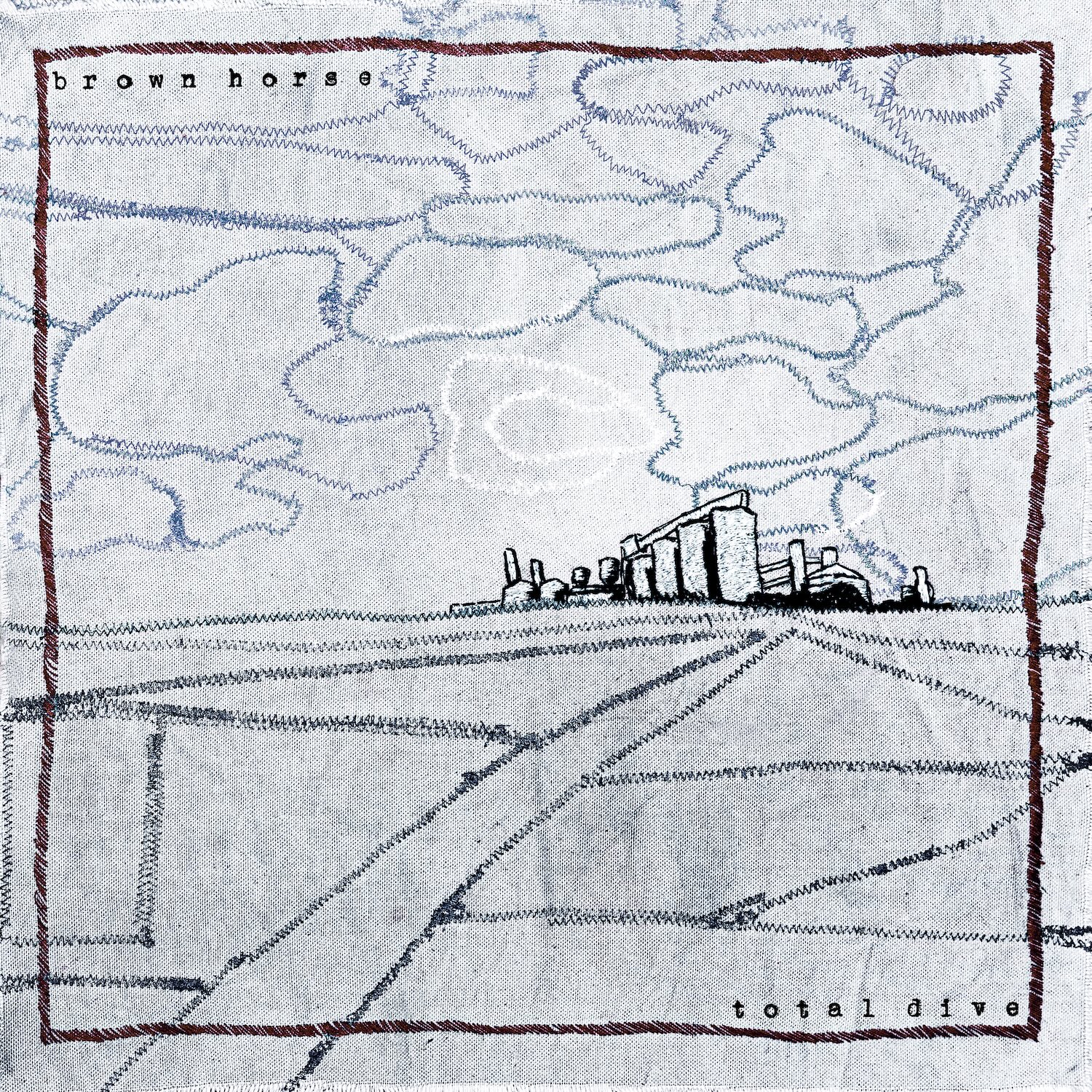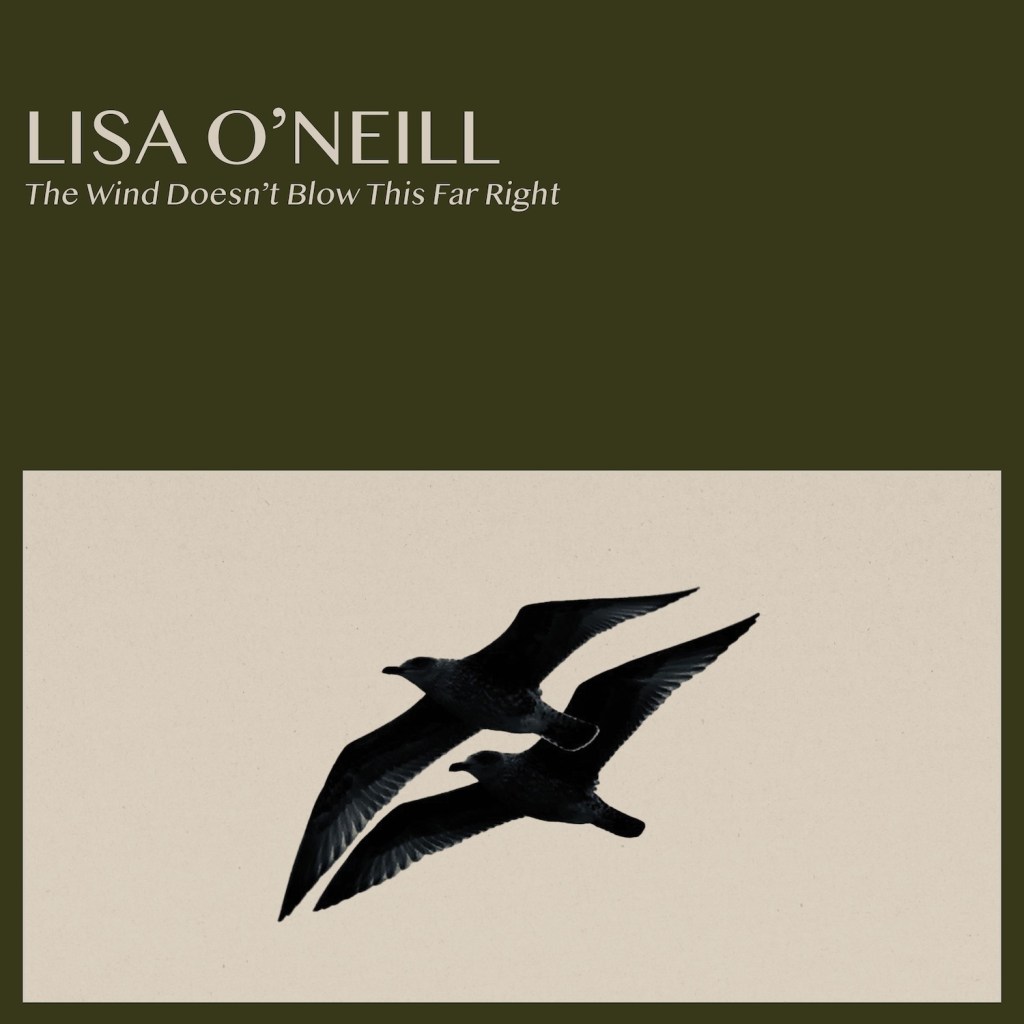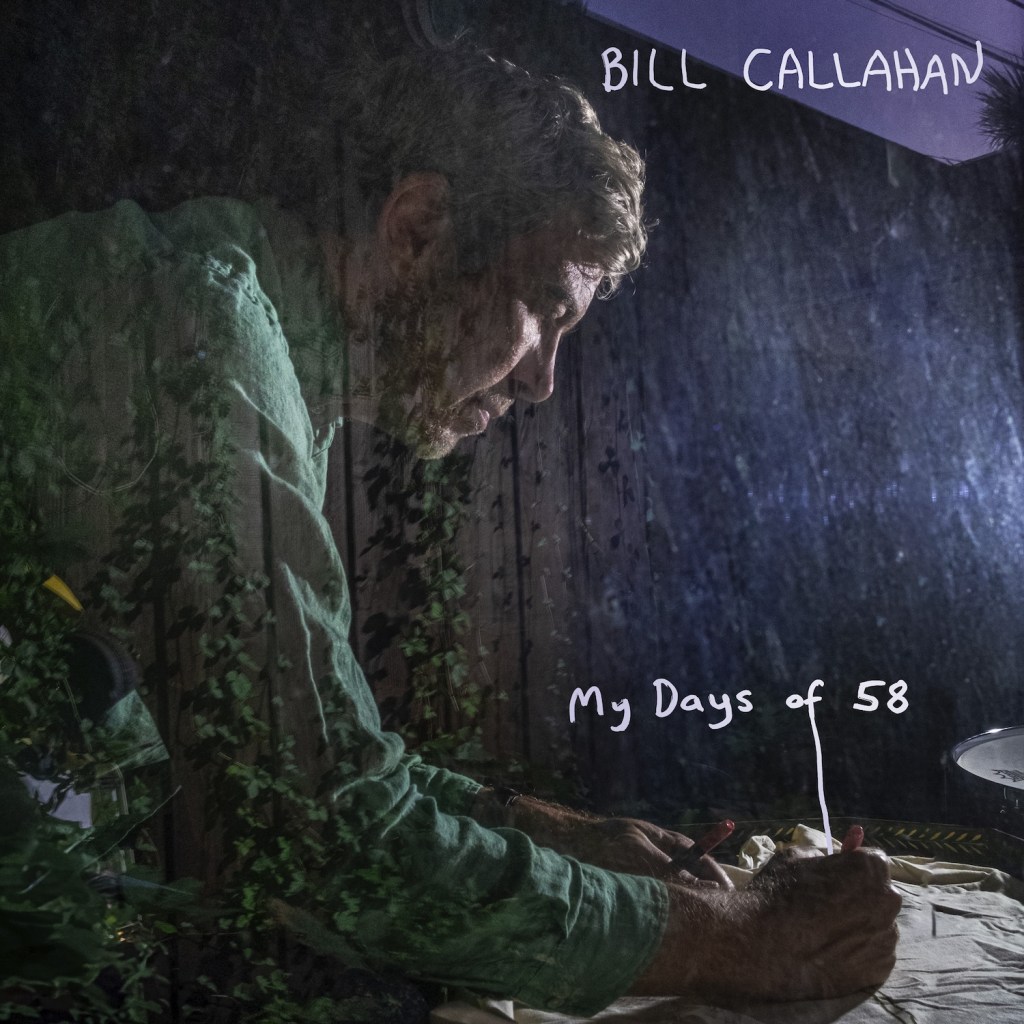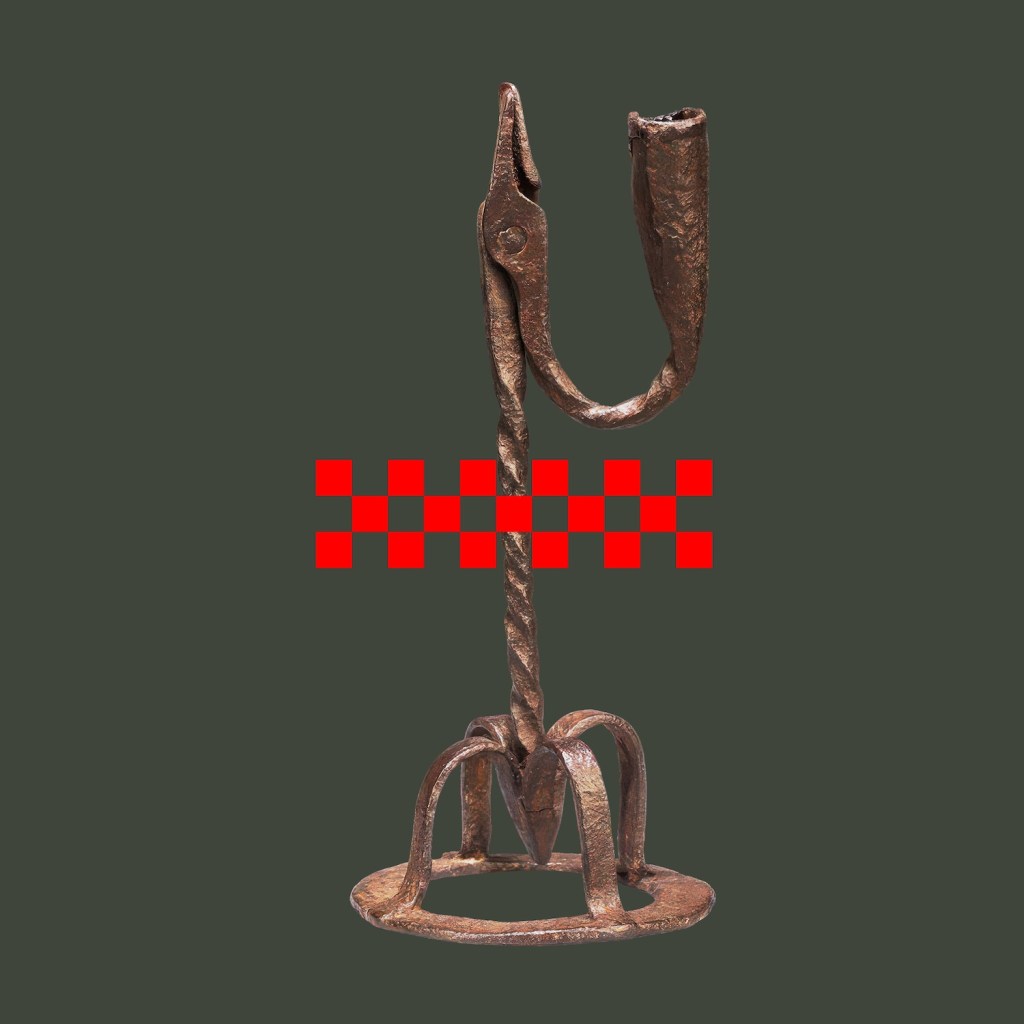
Black Eyes remains one of the most remarkable bands on the equally remarkable Dischord label, surrounded by kindred acts like Lungfish and Q and Not U. During their brief initial run, they released two stunning albums – their self-titled 2003 debut and Cough the following year – just as they were disbanding. I was fortunate enough to witness their ecstatic, heavily rhythmic live performance/jam session back then, with two drummers and bass players, saxophone, lots of screaming and dancing. It was all chaos and ecstasy, and I still revisit both records to relive the energy.
Fast forward to 2025, and Black Eyes have stirred back to life. Their first new album in over two decades, Hostile Design, proves that not only have they aged well, it’s as if they never aged at all. The record brims with the same musical curiosity, propulsive rhythms and ferocious energy that once defined them, weaving together angular post-punk, dub, jazz and noise rock with effortless precision. “TomTom,” the album’s closing track, distills all these elements into one exhilarating piece, throwing us twenty years back while simultaneously propelling us forward. God how I have missed them, and man I’m glad they’re back.
Originally published on tidal.com/magazine October 10, 2025
Jason Molina was the finest songwriter of the 2000s – a key reason I went into music journalism – and his untimely death 12 years ago, at only 39, still casts long shadows on my walls. His brilliance remains unmatched, and his legacy keeps growing as a new wave of artists looks to him for lyrical and musical inspiration.
MJ Lenderman might be his sharpest student, an emerging star in his own right, and it feels only natural that he’s kicking off I Will Swim to You: A Tribute to Jason Molina, out now on Run For Cover. It’s not the first Molina tribute project of its kind, but it’s a powerful one, with current acts like Horse Jumper of Love, Hand Habits, Runnner and others paying their respect.
Jason Molina grew up a Rust Belt kid in a trailer park outside Lorain, Ohio. As he told me back in 2005: “Steel mills, shipyards, factories, a really beat-up, beat-down town.” By the mid-’90s, he had moved first to Cleveland, then Chicago, to start a lifelong career in music. Whether it was sparse, lo-fi ghost folk as Songs: Ohia or diesel-fueled rock and americana with Magnolia Electric Co., his background and signature always cut through.
He dug into the darkest corners of the human mind. He wrote 21st-century blues about roads and crossroads, ghosts and death, the prairie and the horizon, the moon above and hell below. He wrote of the solitude within and the loneliness around us. He wrote with a heart that bled straight through his shirt, until it didn’t beat anymore.
So please listen to his songs through MJ Lenderman and all these other mighty fine artists, and then dive into Molina’s own vast, haunted universe if you haven’t already. I can’t promise you much, except maybe a new address on the same old loneliness.
Chat Pile has been grinding out sludgy Midwestern noise rock for years, while Hayden Pedigo has spent over a decade roaming the Texas panhandle, dismantling fingerpicking folk traditions with his seamless blend of American Primitivism and avant-garde experimentation. Now, the two worlds collide: “Radioactive Dreams” from their album In the Earth Again.
On paper, it’s an unlikely collaboration, but in practice, it’s a revelation. The pairing not only draws out the best in both artists, but also forges an entirely new sound. Together, they sketch a fresh chapter of American music, where desolate rural decay bleeds into post-apocalypse. Or as the label perfectly describes it as music that “cycles between rustic tones, snarling aggression, and crescendos of tragic catharsis.”
A fitting portrait of two artists pushing each other into uncharted territory
Originally published on tidal.com/magazine August 29, 2025
In the summer of ’88, a couple of months and a bit of luck changed everything. Financed by the sale of a pretty decent cassette collection, I dove headfirst into records. What I brought home would shape my entire musical DNA: R.E.M.’s Murmur and Reckoning, the Pixies’ Come On Pilgrim and Surfer Rosa, Hüsker Dü’s Warehouse, Dinosaur Jr.’s Bug, Violent Femmes’ debut, Dead Kennedys, Dream Syndicate, Giant Sand, Thin White Rope, Butthole Surfers’ Hairway to Steven, Minutemen’s Double Nickels on the Dime … and Let It Beby The Replacements.
The album cover had immediate appeal: Four restless hoodlums slouched on a Minneapolis rooftop, casually glancing in all directions and nowhere. Their previous record, Hootenanny, hinted at a more eclectic sound than their sloppy punk roots, but in 1984, Paul Westerberg’s bruised heart and melodic genius finally collided with the band’s booze-soaked, working-class swagger. The result is a rare moment of drunken brilliance.
The title, the hooks, the ragged beauty nods to the Beatles as much as the Clash. The grit, the rasp, the swing is pure Stones and Faces. The Replacements stumbled into adulthood chasing melody over mayhem, and created a blueprint for college rock, Americana, grunge, indie — hell, the whole underground map of the next decade. Their cover of Kiss’ “Black Diamond” collides arena-rock dinosaurs with alleyway punks. Opener “I Will Dare” has Westerberg crooning restless love while strumming mandolin, plus R.E.M.’s Peter Buck drops in on guitar. It’s like Springsteen for the post-Born to Run kids: Romantic, reckless and totally theirs. From there, it’s a beautiful mess with acoustic detours, punk blasts (“We’re Comin’ Out”) and aching ballads like “Androgynous” and “Sixteen Blue.” That marriage of chaos and clarity made Let It Be both a cornerstone of the 1980s and an eternal classic.
This album sounds like basement floors sweating into cracked sidewalks, spilling out into smoke-choked clubs. It’s the echo of a band that turned a suburban rooftop into a stage – and left the walls humming four decades later.
Originally published on tidal.com/magazine August 22, 2025
Australian trio The Necks have been crafting their singular sound for nearly 40 years, and on October 10, they’ll unveil their 20th studio album, Disquiet – an ambitious statement spanning more than three hours of music across three albums. Its first glimpse, “Causeway,” is a 26-minute journey into their mesmerising world of patient, deliberate song construction. Armed only with piano, organ, percussion and bass, The Necks work their magic through a near-telepathic interplay honed over decades together. Anyone who’s been fortunate enough to see them live will know exactly what I’m talking about.
Like the best parts of their ever changing live sets “Causeway” ebbs and flows with gradual, hypnotic momentum, quietly drawing you in before swelling into full immersion and back. Not a single moment is wasted, and every note reaffirms that music can transport you and leave you breathless (yet eager to return). So we press play again. Truly extraordinary.
Originally published on tidal.com/magazine August 15, 2025
The quintessential post-rock band, Tortoise set the standard for how forward-thinking, genre-bending and far-reaching rock could sound in the ’90s, with landmark albums like Millions Now Living Will Never Die (’96) and TNT (’98). They defined a loosely connected scene stretching across Chicago, Montreal and Glasgow, yet never stopped evolving on their own terms. Now, nearly a decade after their last record, The Catastrophist, Tortoise return with new music. “Layered Presence” is the lead single from their new album Touch.
Now that Dan Bitney, John Herndon, Douglas McCombs, John McEntire and Jeff Parker are scattered between Los Angeles, Portland and Chicago, the band approached this record with more deliberate, disciplined sessions – without sacrificing the intuition and collaborative spark that has always fueled their music. “Layered Presence” may only run a little over three minutes, but it’s a vivid reminder that Tortoise’s singular blend of jazz, electronica, krautrock and prog remains as vital as ever, and that their sonic horizons are still expanding.
Sudan Archives – DEAD Three years after her victorious sophomore album Natural Brown Prom Queen, and following tours with the likes of Caroline Polachek and André 3000, singer and violinist Brittney Parks – aka Sudan Archives – issues the first single from her upcoming album. “DEAD” marks a musical rebirth from an artist who’s impossible to pigeonhole. The track’s “orchestral Black dance music” sound cleverly builds from artsy synth-pop to a full-blown dance floor banger, leaving us breathless at the end, just begging for more.
Non-profit organization, cross-cultural collaborators and global music collective Africa Express is teasing their highly anticipated July 11 album Bahidorá (World Circuit) with two new singles this week. “Soledad” is a gorgeous take on Mexican bolero with co-founder Damon Albarn in duet with Mexican singer-songwriter Luisa Almaguer, backed by Nick Zinner (Yeah Yeah Yeahs), Seye Adelekan (Gorillaz), Joan as Police Woman and Mexican Institute of Sound. “Otim Hop” takes another musical direction but is equally as stunning. Featuring Bootie Brown (formerly of the Pharcyde), Ugandan electronic pioneer Otim Alpha, K.O.G (Kweku of Ghana) and producer Tom Excell (Chief Rockas Collective), it’s more proof of music being our strongest common language and a unified force of power.
Kieran Hebden (Four Tet) and Nashville guitar vanguardist William Tyler have just announced their collaborative debut album, 41 Longfield Street Late ’80s, with this exquisite and free-spirited take on Lyle Lovett’s classic tune “If I Had a Boat.” Hebden and Tyler use the original song like a framework for discovery, based on an equal understanding of American primitive-style acoustic guitar, experimental electronics, field recordings and post-rock, thus constructing their very own vessel to explore brand new waterways.
A surprisingly raging new single from the Nigerian-born, London-based singer Obongjayar. He’s been lending his distinctive voice to many different musical projects, including collaborations with Little Simz, Fred again.. and Everything Is Recorded, not to mention his incredible debut album, Some Nights I Dream of Doors (2022). His new material is, as always, pleasantly difficult to pigeonhole – “Jellyfish” has an art-rock/punk attitude, aimed towards spineless British politicians. Written with Fontaines D.C. guitarist Carlos O’Connell and slowthai producer Kwes Darko.
U.S. Girls, fronted by Meg Remy, announces their forthcoming album Scratch It (June 20) with this brand-new single. “Bookends” is a 12-minute sprawling masterpiece, aided by a cast of established Nashville musicians including bassist Jack Lawrence of the Raconteurs and harmonica player Charlie McCoy, from Roy Orbison’s “Candy Man” and Bob Dylan’s Nashville Skyline. “Bookends” is also a tribute to Remy’s late friend and Power Trip singer Riley Gale, “through the lens of Remy’s reading of John Carey’s Eyewitness to History.”
With their 1995 debut album, the highly influential Fixation on a Co-Worker, New Jersey’s DEADGUY proved that metalcore was akin to the hardcore punk and noise rock released on Amphetamine Reptile or Touch and Go. Following a 2021 reunion at Decibel Magazine Metal & Beer Fest, the legends now return with their first new album in 30 years. “Kill Fee” totally rips, proving that age is just a number. Expectations are high for the full LP dropping in June.
The new collaborative project from Howe Gelb (Giant Sand), M. Ward and McKowski (The Lost Brothers) takes us right to a sun-drenched Southwestern backyard barbeque. “Dance of the Gecko” captures the magic when three brilliant gentlemen happen to be in the same room together. The song was recorded by accident in Tucson by Gabe Sullivan (XIXA, Giant Sand), and later mixed by John Parish in Bristol. Geckøs will tour Spain this May while we eagerly await more music from these desert lizards.
The London-based, genre-bending trio Little Barrie has been around for a quarter of a century, always exploring new musical directions based on psychedelic rock, soul, deep funk, 1960s blues and more. If you haven’t heard any of their previous records, you might have caught a glimpse of their music when watching Better Call Saul – they did the theme song. Following the tragic passing of their original drummer, they teamed up with the Heliocentrics’ Malcom Catto and just released their first album on Dan Auerbach’s Easy Eye Sound label. “Count of Four” is one of several standout tracks from Electric War, where they seamlessly connect the dots between the Zombies and Can in a rather thrilling way.
“There She Goes” marks the first new music in four years from acclaimed Atlanta retro-soul singer Curtis Harding, following collaborations with artists like RÜFÜS DU SOL and Jazmine Sullivan. Standing on the shoulders of giants like Stevie and Curtis gives his music both a solid foundation and wide-open musical horizons, and “There She Goes,” a “poetic description capturing the beauty and duality of the ideal woman,” proves that Harding is still mastering the fine art of honoring musical traditions while creating songs that are equally modern and timeless.
Flint, Michigan’s Greet Death is back with a killer new track from their highly anticipated album Die In Love (June 27). Still draped in doomy shoegaze, “Country Girl” shimmers with a more organic sound than before, and floats like a daydream (or nightmare) on a rambling story referencing movies like Halloween, The Fog and A Nightmare on Elm Street. The accompanying music video looks like a homage to 1980s VHS horror movies, and singer Harper Boyhtari has described the song as “trying to solve a murder mystery and finding out you were the killer the whole time.”
Earlier this April, North West English emo/screamo punks UNIVERSITY released the complex but catchy single “Curwen,” from their upcoming debut album McCartney, It’ll Be OK. In four minutes and 30 seconds, they take us on a dizzying roller coaster ride of explosive energy and emotional tension. Recorded by producer Kwes Darko (slowthai, Sampa the Great) at Damon Albarn’s Studio 13 in London.
It would be easy to turn to hopelessness and despair in times like these, when one horrific headline follows the next. “Watching the news almost every night / telling the stories of all that ain’t right / but what could be done from a house and a home?” Cosmic folk/soul singer Valerie June asks the question on “Endless Tree,” a plea for hope, freedom and change. Her gorgeous, joyous new album explores the possibilities of a more harmonious world, and is just the medicine we all need right now. Owls, Omens, and Oracles is beautifully produced by M. Ward, and features contributions from Norah Jones and the Blind Boys of Alabama.
Irresistible slacker anthem from Philly’s Florry. “First it was a movie, then it was a book” explores a landscape similar to Kurt Vile and MJ Lenderman, with a hint of free-spirited Southern groove and endless late-night, country-rock jam spirit.
Short write-ups about selected song favorites originally published weekly in tidal.com/magazine.
From the opening lines of the title track on Ryan Davis’ new album New Threats From the Soul it’s pretty evident we’re invited on a poetically rich and vivid ride. Davis is an idiosyncratic songwriter and storyteller, well read and sharp eyed, imaginative with a wry sense of humor, he’s unveiling tales of a working class America as observed from a bar stool or the streets.
I jolted up to some new transference from a sliding door On a sister vessel and just let it play through I left my wallet in El Segundo She had the kind of smile to get a blue swine in trouble
While the entire album is an artistic victory, I’ve chosen to highlight the opening song featuring lovely vocal harmonies from Freakwater’s Catherine Irwin; nine minutes of the most generous, effortless, ecstatic metamodern sounds of bummer country music you’ll hear the entire year. Or perhaps in a generation.
I will never be never be Anything Other than a caged bird swinging from a chain swing, whistlin’ for my payseed Pecking on a W9
Ryan Davis is grounded in blue collar country and rock, and is the poster child for the burgeoning new Alt-Country scene, but he’s always been a musical chameleon difficult to pigeonhole. Over lengthy and epic songs he shares the poetic imagination of his late friend David Berman, the eclectic musical approach of Lambchop, the stark realism of Jason Molina, and the sardonic drawl of Bill Callahan — but most of all he’s created his very own unique musical language.
Even though Ryan Davis and the Roadhouse Band is a relatively new project – this is their second album – Davis himself has been around for more than a minute and is highly recognized as a driving force in the Louisville music scene as member of ramshackled country-punk band State Champion, founder of the Cropped Out festival and for more than 20 years running the Sophomore Lounge label. He’s always been great, but now it’s like time finally caught up with his music. It’s hard to think of anyone deserving success and recognition as much, and if there’s any justice left in this world he’ll be a superstar. Roll down the windows, turn up the volume and give it a listen.
This text was originally published on tidal.com/magazine August 1, 2025
The first taste from Welsh guitarist and banjoist Gwenifer Raymond’s forthcoming album, Last Night I Heard the Dog Star Bark, was a tribute to rocket scientist Jack Parsons, entitled “Jack Parsons Blues.” In addition to his pioneering engineering skills, Parsons, amongst many other fascinating aspects of his short life, was also known for converting to Aleister Crowley’s occult religion thelema at the end of the 1930s. This song might also be a nod to musical peers Six Organs of Admittance, who released “Blues for Jack Parsons” back in 2012. Now, Raymond returns with the second single and title track from her new album (due September 5).
I mention all this to give some context to how I understand the inventive and moving music of Gwenifer Raymond. Similar to Parsons, she is grounded in two worlds, one of tradition and lineage and one of experimentation and magick. In a statement, she described Jack Parsons as “oddly inspirational” and a person “full of boundless zeal and ideas. He was both a scientist and an embracer of the weird and esoteric.” Some of the same can be said for Raymond, who is deeply rooted in Mississippi blues, Appalachian folk, American Primitivism and the avant-garde — her world contains multitudes. There’s deep soil beneath her feet, but she’s not walking a well-trodden path, instead using the traditional to create something original and deeply personal.
Her two previous albums were both astonishing, but based on the new songs, she’s taking it even a step further this time. Her guitar playing is on fire, with more evolved textures and added sonic palettes. Raymond is proving that simple, fingerpicked guitars can rise from the earth, head towards the stars and contain the entire cosmos. And like Jack Parsons, she might actually be part scientist and part dark, spiritual leader.
This text was originally published on tidal.com/magazine August 8, 2025.
On her complex 2022 concept album Preacher’s Daughter, artist Ethel Cain (real name Hayden Silas Anhedönia) explored themes like abuse, sexuality, violence and religious trauma through the eyes of the troubled fictional character Ethel Cain. A Southern Gothic master class, it was also inspired by the artist’s real-life struggles — she grew up the daughter of a deacon in a Southern Baptist community in Florida.
A key track from Preacher’s Daughter is “A House in Nebraska,” where we’re introduced to her first and true love, Willoughby. This relationship is to be further examined on the upcoming album Willoughby Tucker, I’ll Always Love You (August 8).
The new album, set in 1986, is a prequel to Daughter, and follows (the character) Ethel Cain in her teenage years. “Fuck Me Eyes” is a synth-pop, shoegaze anthem, and the second single (following “Nettles”). “Continuing in the theme of high school anxieties, ‘Fuck Me Eyes’ (on top of being an homage to one of my favorite pop songs of all time, “Bette Davis Eyes”) is meant to be an ode to the girls who are perfect and have everything, yet carry the reputation of town slut,” says Cain creator Anhedönia in a statement.
Ethel Cain has already established herself as a unique and distinct talent, with a broad musical range and superior poetic strengths. If you haven’t entered her universe already, now is the time.
This text was originally published in tidal.com/magazine on July 4, 2025.
Fantastic Negrito is an ambitious musical project of Xavier Dphrepaulezz, who aims to unify the past and future of his native Oakland, a once dangerous city currently in the midst of a cultural and economic renaissance. The 46-year-old musician had all but quit music when a nearly-fatal car accident inspired him to pick up his guitar and channel a new persona, one inspired in part by bluesmen like Skip James. Once aptly called the “punk rock Al Green,” Xavier’s sound might best be characterized as a meeting of blues and punk, which creates a soulful and simultaneously high-energy blend that’s bound to move and impress.
Set for release on June 3, 2016 The Last Days of Oakland marks Fantastic Negrito’s eagerly anticipated full-length debut, one concerning the changes he’s seen amidst the decline and rebirth of his hometown. In the meantime, enjoy his latest hard-hitting single, “Lost in a Crowd”, and the to know him a little better.
Please introduce yourself. Who is Fantastic Negrito?
For the record my mother still won’t call me Fantastic Negrito.
I’m a musician out of Oakland, and I’m in a collective called Blackball Universe. I play black roots music for all people, and I try as hard as I can to be honest at all times, in my music — and in this interview.
What’s the story behind your artist name?
It first started off in a different form, Nigga Fantastic. It was a phrase I’d use to describe the polar extremes my brothers and sisters operate on. I always marveled at cats in the hood being half super villain, half super hero: knock a cop out, get a chick pregnant, save a baby from a burning fire while drinking a 40. When I started getting back into music I wanted to take that energy and make it something positive, and I knew many of my blues idols took on names that reflected their vibe, so I flipped it into something more celebratory: Fantastic Negrito. A celebration of blackness and black roots music….with a Latino twist.
Tell us a little about The Last Days of Oakland. What’s the main story you want to communicate with this album?
I came up with the title The Last Days of Oakland while I was touring last year, to mark the end of an era. Cities have become unaffordable. Black people are leaving in large numbers. Artists too. Everyone feels the loss of culture and diversity. People can’t afford to stay in the neighborhoods where they were born and raised.
Even with all of that, I feel the end of something always means the beginning of something new. It’s really up to us collectively to step forward and be heard. To protect the things we love and value about the communities we live in. We are in this together.
What’s in your opinion the biggest difference of being an artist now and back in the mid 90s?
Now it’s all about having a direct relationship with the fans. The machine is broken, and maybe that’s a good thing. You have to do everything yourself, take chances, take risk. Really expose yourself creatively. It took me most of my life to learn how to do that. I’m still learning.
Also, because I didn’t have the burden of trying to “make it” the way they did in the 90s, I was free to allow myself to grow into whatever I am now. And I think I may be honing in on a sound that I can legitimately call mine…meaning I’m ripping great blues musicians off with style.
Who were your musical heroes growing up?
Not the same ones I have now. Except Prince, who taught a young kid from the streets that it was okay to be different. That it was okay to dress different and be a little wild. To not make music according to a genre or type. He made a lot of my choices okay when there were not a lot of other examples out there.
Now the musicians I admire the most are ones I was exposed to as a kid but didn’t appreciate. Music that my parents would play. Robert Johnson, Skip James, Leadbelly. They’re the standard. Along with people I’ve met in the last couple years like Taj Mahal and Buddy Guy.
Name an album, artist or experience that changed your perspective on music?
I just met Robert Plant. I love Zeppelin. Love them, turned my boys onto them once we were old enough to listen to “white” music without it causing drama. He came to one of my shows and dug it. Robert Plant doesn’t cut anyone slack. He doesn’t fuck around pretending to like shit he doesn’t like and there’s something awesome about that. I have that in me but try to resist it because in this era, musicians HAVE to support each other to survive, but Plant is a giant. He’s raw with his opinions. Also, had a deep deep knowledge of black roots music, which is really what he played.
What’s the best new song you recently discovered?
“Two Wings” by Utah Smith
Can you share a fun fact about you or your music?
There is a dash of hip hop in everything I do. Remember, though my heart is the blues, I grew up on Hip Hop. Some of those aesthetics are ingrained in me. I love the minimalism of Rick Rubin. What I will do is strip my music all the way down to just the few cords, then I loop those. So the loops are born specifically for the song, they’re not samples, but they’re distilled to just the hardest shit. And my drums are often done the same way.
What’s your favorite activity besides music?
If you’re from the Bay you can’t help but love great food. That doesn’t mean the fanciest restaurants; it means good authentic food from around the world.
If you see my twitter posts I’m always posting pictures of my meals. Everyone on my team tells me no one cares what I’m eating. They’re probably right, but that’s their problem. My twitter account is not part of the collective.
What’s coming next for Fantastic Negrito?
I’m about to go ham in the studio after I tour. I’m heading out with Chris Cornell in June, plus a few festivals like Bottle Rock and Outsidelands, then Europe and a short U.S. tour with my full band. But I also have some ideas on music that I’m excited to try out.
Looking one year ahead, where would you like to see yourself?
Like I said, I gotta get busy in the studio and make a couple of records. I have two approaches to what I’m gonna do. One will be a progression with Fantastic Negrito, keeping it raw and getting to the most primal essence of American music. The other’s gonna be something that has more hip hop fused into it, with a real concept. Trying to push. Push push push push.
And finally, if your music were a physical object what would it be? Please describe.
Maybe a bullwhip, or some object that ties directly to struggle and perseverance. Because that is at the essence of all American music. A shackle or a whip or something that brings out the raw angst and human condition that all people can relate to. That’s what’s great about black roots music, it is the distilled raw emotions that are at the heart of all emotions. When that whip cracks, power and misery connect all souls, including the individual administering it.