 Før Kacey Musgraves ga oss Same Trailer Different Park (2013) hadde hun tre selvutgitte album bak seg, vært deltaker i talentkonkurransen Nashville Star (en country-variant av Idol), og skrevet låter for Miranda Lambert og Martina McBride.
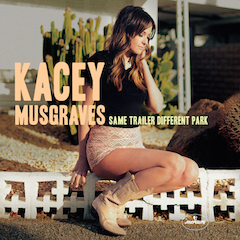 Men det var først med major label debuten Same Trailer Different Park at det virkelig tok av for supertalentet fra Sulphur Springs, Texas. 12 glitrende countrylåter og et sett vittige, rørende og ikke minst skarpe observasjoner sentrert rundt småbylivets gode og dårligere sider er nøkkelen til at Kacey Musgraves kan regnes blant dagens store countrystemmer. Skiva gikk rett inn på andreplass på Billboard (#1 på countrylistene), er nominert til det som er av countrypriser i hjemlandet og med en påfølgende turné på begge sider av havet.
– The last few months and even year has been such a beautiful whirlwind. So many things have happened that have already blown my mind. I can’t wait to keep going on this journey I’m on. Det sier Musgraves da jeg spør henne hvordan hun selv har opplevd den siste tidens plutselige opptur.
Det er helt naturlig å plassere henne som en streit countryartist. Men hun trekker også mot andre uttrykk, og toucher innom både singer/songwriter, klassisk pop og rockabilly. Hun sier da også selv at hun lar seg inspirere av musikk fra alle steder og alle genre, men nevner spesielt Glen Campbell, Loretta Lynn, John Prine, Willie Nelson og Ryan Adams som viktige for henne – samt, kanskje noe uventet, band som Cake og Weezer.
Selv om musikken til Musgraves er iørefallende nok, er det særlig tekstene som skiller henne ut fra mange av sine samtidige. Hun åpner med å våkne opp ’on the wrong side of rock bottom’ og penser innom referanser til dop, drikking og tilfeldig sex i sine betraktninger der småbyen er bakteppe og dens innbyggere spiller hovedrollene. Kritikernestor Robert Christagu mente at Musgraves er ’the finest lyricist to rise up out of conscious country since Miranda Lambert, if not Bobby Pinson himself’.
Det kan være relevant å nevne Loretta Lynn i den sammenheng. Hun ankom Nashville på 60-tallet og ble berømt for tekster som for mange var uhørt på den tiden. Når Musgraves dro til countryhovedstaden noen tiår senere fikk hun oppmerksomhet for å ta opp lignende tematikk.
– I really respect Loretta Lynn for having the courage to come out with controversial songs when she did. She pulled it off in a sassy, intelligent way and has paved the way for artists and writers like me to say what we wanna say. I’m proud to be a part of that mentality – blending elements of traditional country and modern ideas, sier Musgraves da jeg trekker opp denne parallellen.

Det ser likevel ut til å være et mer tolerant miljø i dag, mens country-radio fremdeles er mer konservative i forhold til hva de spiller?
– Country radio’s conservatism, thankfully, hasn’t affected the message that I want to put out in the world. It excites me that so many people are open to my music.
’Water and electric and a place to drain the septic / Any KOA is A-OK as long as I’m with you’
(”My House”)
Dine observasjoner og beskrivelser av livene til ordinære folk fra små steder ser ut til å falle deg naturlig. Hvordan arbeider du fram dine historier, og hva hvor kommer de fra?
– I find inspiration in almost everything. Conversations, things I see, things other people I know have gone through or things that I have gone through. It starts with something simple and then the idea – if it’s a good one – builds and builds. Most of my messages are observational, I feel.
Du kommer fra østlige Texas, en region som har gitt oss så mange store artister, fra George Jones, Johnny Horton og Lee Ann Womack til Miranda Lambert. Hva er det i vannet der borte, egentlig?
– It might be because there’s nothing else to do! Haha, I’m not quite sure but it’s cool.
Det er det, og Kacey Musgraves er en naturlig del av denne rike tradisjonen. Vi gleder oss til å oppleve henne her i Norge, noe Musgraves selv gjengjelder:
– I’m excited to see the beautiful nature that Norway has to offer. Meet the people, eat the food, or at that point maybe just sleep, ler hun.
Beste låt du har hørt live:
“Ghost In This House” – Alison Krauss
En låt du selv skulle ønske at du hadde skrevet:
“You Were Always On My Mind” – Willie Nelson
Beste låta å bli forelsket til:
“At Last” – Etta James
En perfekt låt for en perfekt lørdagskveld:
“Southern Nights” med Glen Campbell — eller “Royals” av Lorde
Dette intervjuet ble foretatt i september 2013, og ble opprinnelig publisert på WiMPbloggen i forbindelse med hennes første konsert i Norge (John Dee, 3. oktober 2013).

Bjørn Hammershaug

 Diligently recording and releasing unique music since the mid ‘70s, Half Japanese is an American outsider music institution, one that represents the true embodiment of cult heroes.
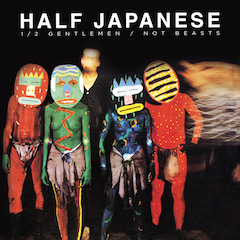 The band’s official recording career began with a characteristically ambitious triple album, 1/2 Gentlemen/Not Beasts (1980), later chosen by Rolling Stone as one of the top 100 most influential alternative albums of all time. Over the years, Half Japanese have faithfully released music at a tremendous pace, as Half Japanese, as solo artists and in numerous additional collaborations. And aside from David Fair, who handed over the duties to his brother in the early 1980s but has made occasional guest appearance over the years, the band features the same members who have been at Jad’s side since the late ’80s and early ’90s: John Sluggett (guitar, keys, timbales), Gilles-Vincent Rieder (drums, percussion, keys), Jason Willett (bass, keys), Mick Hobbs (guitar, glockenspiel).
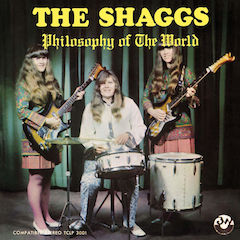 The Shaggs:
 Daniel Johnston:
 Tompkins Square is the small but highly-respected label out of San Francisco. Founded and largely run alone by Josh Rosenthal, the young indie imprint is most renowned for their exquisite sense of quality and their deep diggings into the forgotten crates of 20th century American music.
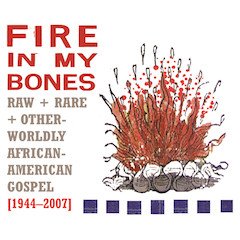 They have shed new light on old artists like Robbie Basho, Charlie Louvin and Tim Buckley, also releasing new artists like Hiss Golden Messenger, Daniel Bachman and James Blackshaw. In just a decade Tompkins Square has also earned a well-deserved reputation for their archival collections, such as the Grammy-nominated box set People Take Warning! Murder Ballads & Disaster Songs, 1913-1938 and the fantastic gospel collection Fire In My Bones!: Raw + Rare + Otherworldly African-American Gospel, 1944-2007

 Did you have an initial idea back then on what the label should be and how it could evolve in the future?
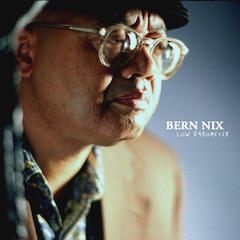 Guitarist Bern Nix’s album Low Barometer was one of the first albums I recorded. Bern played with Ornette Coleman, and I used to see him around my neighborhood in the East Village. His harmolodic approach to guitar is fascinating and he is a giant of improvisation. Like Derek Bailey, not always the easiest listen, but a very satisfying one if you put yourself to the test.
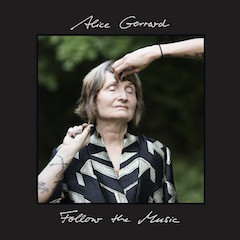 Sharon Van Etten emailed me cold in 2009 and told me to check William out. I didn’t know who she was at the time, it was a random email. So I signed Will, and then he told me about Hiss Golden Messenger, who I signed, and then Michael Taylor from HGM produced Alice Gerrard’s album, Follow The Music, which got Alice her first Grammy nom at age 80. All from one email! His LP [Behold The Spirit], with its sweeping arrangements, changed the game for acoustic guitar records. Everyone who follows the American Primitive genre knows this by now.
 The Big Beast